Find Your Perfect Window Covering
Recommended:
Why it fits:
Key Specs:
Insulation:
Maintenance:
Walk into any home renovation show or scroll through your social media feed, and you will notice a shift. The stark, clinical look of bare windows is fading fast. People are craving warmth, texture, and privacy. But when you ask designers what the most popular window covering is right now, the answer isn't just one product. It is a blend of function and style that has evolved significantly over the last few years.
In 2026, the trend is moving away from heavy, floor-to-ceiling drapes that block out all light, toward lighter, more versatile options. However, traditional curtains are making a massive comeback, but with a twist. They are no longer just about decoration; they are about energy efficiency and smart home integration. If you are trying to decide what to put on your windows this year, you need to understand why certain styles are dominating the market while others are disappearing.
The Resurgence of Curtains: Softness Meets Function
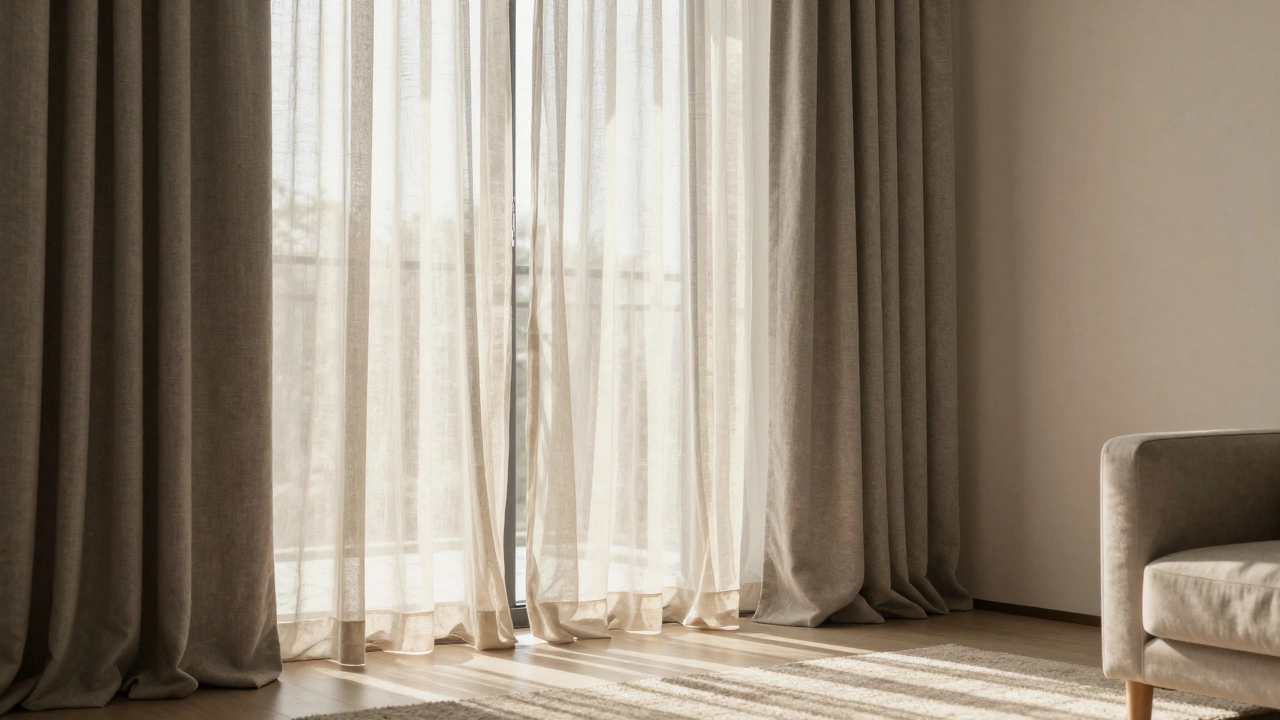
For a decade, blinds were king. They were sleek, modern, and easy to clean. But as homes became our offices, gyms, and sanctuaries during the pandemic, people realized that hard materials like aluminum and vinyl felt cold. Enter the curtain revival. Today, curtains are soft window treatments made from fabric that provide privacy, insulation, and aesthetic appeal are back at the top of the list for most homeowners.
Why the change? It comes down to comfort. Fabric absorbs sound better than plastic slats. It adds a layer of visual softness to rooms dominated by sharp lines of furniture and technology. The current favorite style is the "sheer layered" look. This involves using a sheer under-layer for daytime privacy and light diffusion, paired with heavier blackout curtains for night. This setup gives you control without sacrificing natural light.
Materials matter more than ever. Linen and cotton blends are preferred because they breathe and age well. Synthetic fabrics are still used for durability, especially in high-traffic areas like kitchens, but the premium market is leaning heavily toward natural fibers. The color palette has also shifted. Gone are the bold, contrasting colors of the early 2010s. Now, neutral tones-oatmeal, slate gray, and warm beige-are dominant. These colors allow the room’s other elements to shine while keeping the windows looking elegant and understated.
Cellular Shades: The Efficiency Powerhouse
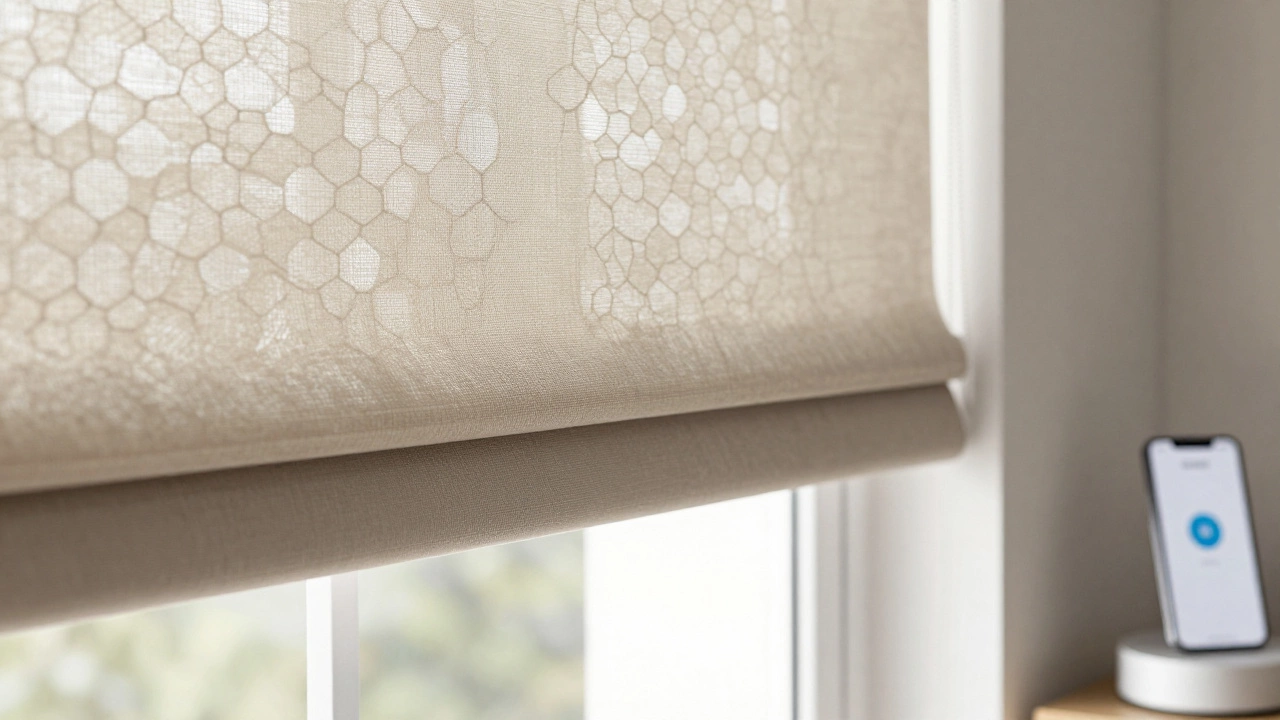
If curtains are the heart of the trend, cellular shades are the brain. Also known as honeycomb shades, these have exploded in popularity among eco-conscious homeowners. Cellular shades are window coverings with a pleated structure that creates air pockets to insulate against heat loss and gain. The name comes from their hexagonal shape, which traps air. This trapped air acts as a buffer, keeping heat in during winter and out during summer.
Studies from the American Society of Heating, Refrigerating and Air-Conditioning Engineers (ASHRAE) have long shown that cellular shades can reduce heat transfer by up to 33%. In 2026, with energy costs remaining a concern, this is not just a nice-to-have feature; it is a selling point. Many new builds specify cellular shades as standard equipment because they contribute to LEED certification points for green building.
Beyond efficiency, they are incredibly versatile. You can get them in single-cell, double-cell, or triple-cell configurations. Triple-cell offers the best insulation but also the highest price tag. They come in a vast array of colors and opacities, from light-filtering to room-darkening. For bedrooms where sleep quality is paramount, blackout cellular shades are the go-to choice. They combine the thermal benefits with total darkness, something traditional curtains struggle to achieve without bulky lining.
Smart Blinds: Automation Becomes Standard
You cannot talk about modern window coverings without mentioning automation. Smart blinds are no longer a luxury gadget for tech enthusiasts; they are becoming a standard expectation in mid-to-high-end homes. The ability to open and close your windows with your voice, a smartphone app, or a sunrise alarm is changing how we interact with our living spaces.
The technology behind this is simple but effective. Motors are integrated into the headrail of the blind or shade. These motors connect via Wi-Fi or Zigbee to your home hub. Brands like Hunter Douglas, Lutron, and Somfy lead this space. What makes this trend stick is the convenience. Imagine waking up to your bedroom shades slowly opening as the sun rises, adjusting the temperature naturally. Or leaving for work and realizing you forgot to close the living room blinds; you do it from the couch before you even reach the door.
Safety is another driver. Cordless operation was mandated by safety standards years ago to prevent accidents with children and pets. Smart blinds take this further by eliminating cords entirely. The motorized mechanism is hidden within the housing, creating a clean, minimalist look that appeals to modern aesthetics. While the upfront cost is higher than manual options, the added value to the home and the daily convenience make it a worthwhile investment for many.
Roman Shades: The Elegant Middle Ground
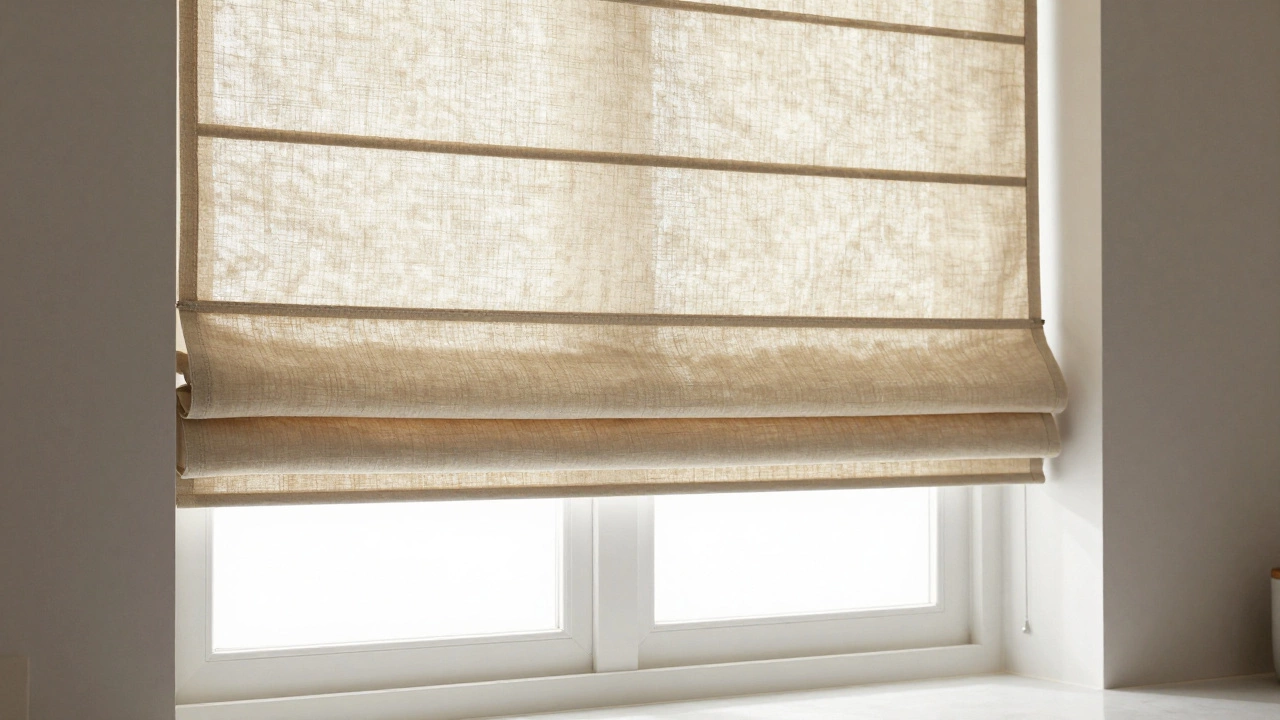
Between the softness of curtains and the precision of blinds, Roman shades occupy a unique niche. Roman shades are fabric window coverings that fold up horizontally when raised, creating a flat, tailored look. They have been around for centuries, but their recent resurgence is due to improved hardware and fabric options.
Roman shades offer a tailored, custom-fit appearance that off-the-shelf curtains often lack. When lowered, they hang smoothly against the window. When raised, they stack neatly in horizontal folds. This makes them ideal for smaller windows or windows above sinks and counters where a swinging curtain would be impractical. Kitchens and bathrooms are prime locations for Roman shades because they maximize usable space.
The key to their popularity today is the variety of textures available. From crisp linen looks to rich velvets, Roman shades can match any decor style. They are also excellent for light control. By choosing a lining, you can turn a decorative shade into a functional blackout solution. The craftsmanship involved in making a good Roman shade is significant, which keeps prices higher than roller shades, but the return in terms of elegance and property value is substantial.
Roller Shades: Minimalism and Versatility
Not everyone wants the bulk of curtains or the complexity of cellular shades. For those who prefer a clean, uncluttered look, roller shades remain a steadfast favorite. Roller shades are simple window coverings consisting of a single piece of fabric that rolls onto a tube. Their simplicity is their strength. They are affordable, easy to install, and available in almost every pattern and color imaginable.
In 2026, the innovation in roller shades lies in the fabrics. Solar screens are particularly popular for large patio doors and south-facing windows. These semi-transparent meshes filter UV rays and reduce glare without blocking the view completely. This allows you to enjoy the outdoors while protecting your furniture from fading. Another trend is the use of wood-look vinyl rollers. They give the warmth of natural wood blinds but resist humidity and warping, making them perfect for bathrooms and coastal homes.
Roller shades are also the most adaptable to smart home systems. Because of their simple mechanical design, adding a motor kit is straightforward and cost-effective. This means you don't have to buy an expensive pre-motorized unit to get automation. You can upgrade existing roller shades with a retrofit motor, extending their life and functionality.
Comparing Your Options
| Type | Best For | Insulation | Cost Range | Maintenance |
|---|---|---|---|---|
| Curtains | Aesthetics, Sound Dampening | High (with lining) | $$ - $$$ | Low (vacuum/wash) |
| Cellular Shades | Energy Efficiency | Very High | $$$ - $$$$ | Low (dusting) |
| Roman Shades | Elegance, Small Windows | Medium | $$$ - $$$$ | Medium (spot clean) |
| Roller Shades | Minimalism, Budget | Low - Medium | $ - $$ | Low (wipe down) |
| Smart Blinds | Convenience, Tech Integration | Varies | $$$$ | Low |
Choosing the Right Fit for Your Home
Selecting the right window covering depends on your specific needs. Start by asking yourself what problem you are trying to solve. Is it too much sunlight? Noise? Lack of privacy? Or simply a dated look?
- For Bedrooms: Prioritize blackout capabilities and noise reduction. Layered curtains or blackout cellular shades are best.
- For Living Rooms: Focus on aesthetics and light control. Sheer curtains with motorized blinds underneath offer flexibility.
- For Kitchens and Bathrooms: Choose moisture-resistant materials. Roller shades or Roman shades with synthetic fabrics work well.
- For Energy Savings: Invest in cellular shades, especially for large windows facing extreme temperatures.
Don't forget to consider the installation. Inside mount requires precise measurements and provides a cleaner look, while outside mount can make windows appear larger and hide imperfect frames. If you are unsure, professional measurement services are worth the extra cost to avoid gaps and light leaks.
As you explore different options, remember that window coverings are a long-term investment. They affect your daily comfort, energy bills, and home value. Take your time to sample fabrics and test mechanisms. Visit showrooms if possible to see how different materials react to light. And if you find yourself needing a broader perspective on lifestyle choices or local services while renovating, sometimes checking resources like this directory can offer unexpected insights into community dynamics, though for home decor, sticking to specialized retailers ensures you get the best advice.
Future Trends: Sustainability and Health
Looking ahead, sustainability will drive innovation. Consumers are increasingly demanding window coverings made from recycled materials or sustainably sourced fibers. Bamboo and hemp are gaining traction as eco-friendly alternatives to cotton and polyester. Additionally, antimicrobial coatings are becoming standard, especially post-pandemic. These treatments inhibit the growth of mold and bacteria, improving indoor air quality.
The integration with health-focused smart home systems is also emerging. Imagine shades that automatically adjust based on circadian rhythm data from your wearable device, optimizing your exposure to natural light for better sleep and mood. This convergence of wellness and home automation will likely define the next wave of window covering trends.
Are curtains more energy efficient than blinds?
It depends on the type. Heavy, lined curtains can provide excellent insulation by trapping air against the window. However, cellular (honeycomb) shades are specifically designed for energy efficiency and generally outperform standard curtains. Aluminum blinds offer minimal insulation unless they are backed with foam or reflective material.
What is the best window covering for a bedroom?
Blackout cellular shades or layered curtains with a blackout liner are the best choices. They block out streetlights and early morning sun, ensuring deep sleep. Motorized options add convenience, allowing you to open them gently with your alarm clock.
How much do smart blinds cost?
Pre-motorized smart blinds typically range from $200 to $500 per window, depending on size and brand. Retrofitting existing blinds with a motor kit is cheaper, usually costing between $100 and $250 per unit. Installation fees may apply if you hire a professional.
Can I install window coverings myself?
Yes, most roller shades, blinds, and simple curtains are DIY-friendly. They come with brackets and screws. However, for inside mounts, precise measurement is critical. If your walls are uneven or you are installing heavy drapery rods, professional installation is recommended to ensure safety and proper alignment.
What is the difference between Roman shades and roller shades?
Roller shades consist of a single piece of fabric that rolls up onto a tube, providing a flat, minimalist look. Roman shades are made of fabric that folds up horizontally when raised, creating a stacked, textured appearance. Roman shades are generally more decorative and expensive, while roller shades are simpler and more budget-friendly.