Storage ROI Estimator
Projected Return on Investment
Net Profit/Loss
$0- Total Investment: $4,000
- Est. Value Added: $5,000
Calculating...
You’ve probably heard the phrase "square footage is king" when it comes to selling a house. But what if I told you that how you use that square footage matters just as much? A cluttered garage or a chaotic closet doesn’t just look messy; it can silently drain thousands of dollars from your home’s potential sale price. So, does adding storage actually increase home value? The short answer is yes-but only if you do it right.
In today’s market, buyers aren’t just looking for space; they are looking for storage solutions that make their lives easier. They want homes that feel organized, spacious, and ready to move into. Whether you are planning to sell next month or five years from now, understanding the financial impact of storage upgrades is crucial. Let’s break down why storage matters, which projects give you the best return on investment (ROI), and how to maximize your home’s appeal without breaking the bank.
The Psychology of Space: Why Buyers Crave Storage
Before we talk numbers, let’s talk about perception. When a buyer walks into a home, they subconsciously assess whether their life will fit there. If they see overflowing cabinets, boxes stacked in hallways, or a garage filled with junk, their brain registers "cramped" and "stressful." Conversely, empty shelves and clear floors signal "abundance" and "calm."
This isn’t just aesthetic fluff. In real estate psychology, this is known as spatial efficiency. Buyers often struggle to visualize potential in a cluttered space. They might assume a small closet is tiny, not realizing it could hold twice as much with better shelving. By providing high-quality storage systems, you remove that mental friction. You are essentially doing the work for them, showing exactly how their belongings will fit. This emotional connection can lead to faster sales and higher offers because the buyer feels secure in their decision.
Which Storage Upgrades Actually Boost Value?
Not all storage improvements are created equal. Spending $10,000 on custom mahogany cabinetry in a modest home might not pay off. Instead, focus on high-impact areas where functionality meets visibility. Here are the top storage projects that consistently drive up home value:
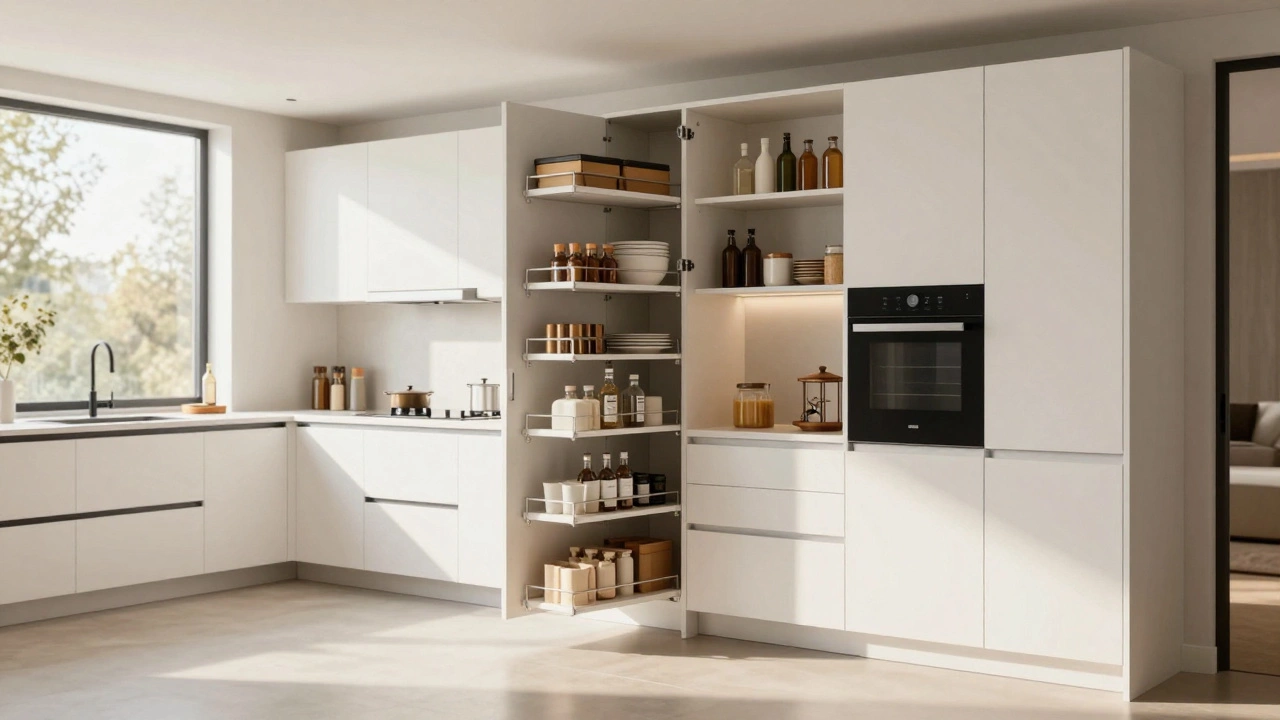
- Kitchen Cabinetry: This is the heart of the home. Soft-close drawers, pull-out pantries, and corner carousels transform awkward spaces into usable areas. Updated kitchen storage is one of the top factors buyers cite in their purchasing decisions.
- Built-in Closets: Walk-in closets or well-organized master suites are major selling points. Installing hanging rods at two heights, shoe racks, and drawer dividers makes a standard closet feel luxurious.
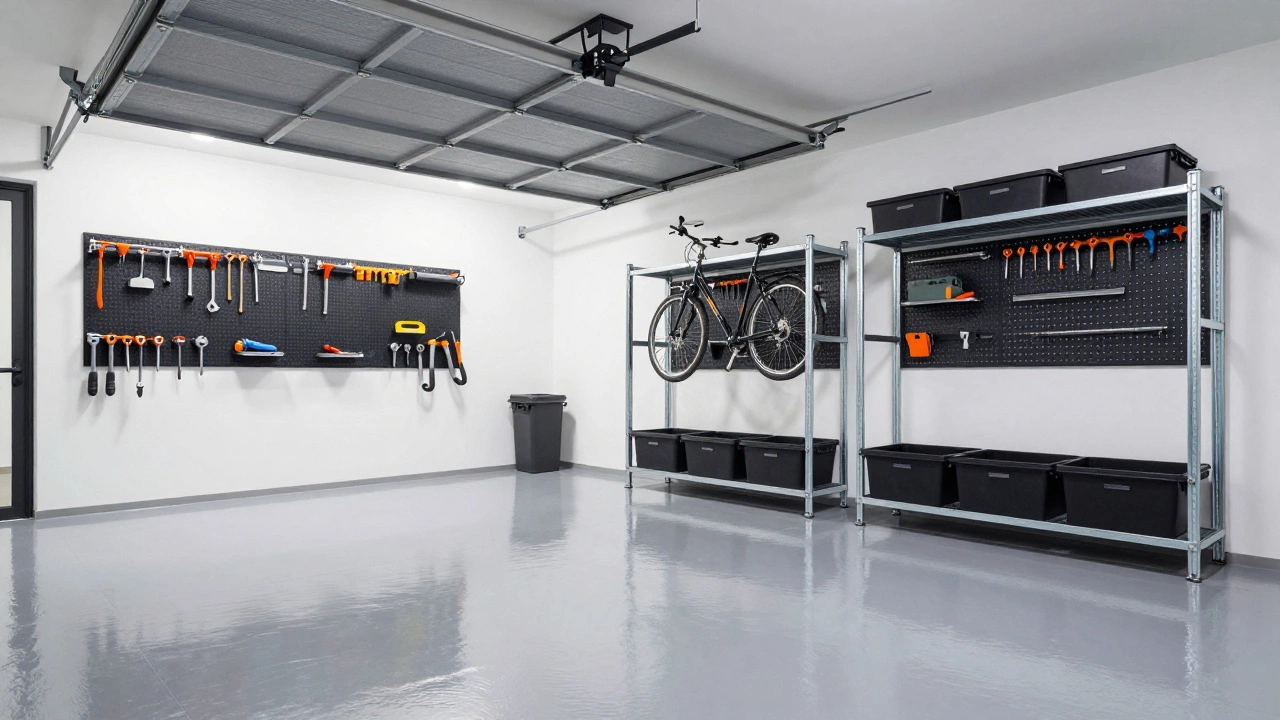
- Garage Organization: A clean garage suggests a well-maintained home. Epoxy flooring combined with wall-mounted pegboards and overhead racks can turn a dumping ground into a functional workshop or extra living space.
- Mudroom Lockers: For families, a dedicated drop zone with cubbies and bench seating is invaluable. It keeps coats, shoes, and bags out of the main living areas, preserving the home’s cleanliness.
These upgrades don’t require knocking down walls. They are about optimizing existing structures to serve modern lifestyles. The key is consistency-mixing cheap plastic bins with expensive wood finishes looks disjointed. Stick to a cohesive material palette, like natural wood tones or matte black metal, to create a polished look.
| Upgrade Type | Average Cost | Estimated Value Add | Buyer Appeal Level |
|---|---|---|---|
| Kitchen Cabinet Refacing | $4,000 - $8,000 | $5,000 - $10,000 | Very High |
| Custom Closet Systems | $2,000 - $5,000 | $3,000 - $6,000 | High |
| Garage Shelving & Racks | $500 - $1,500 | $1,000 - $2,500 | Medium-High |
| Basement Finishing (with storage) | $15,000 - $30,000 | $10,000 - $20,000 | Variable |
The Decluttering Effect: Free Value Increases
You don’t always need to spend money to gain value. Sometimes, the most powerful tool is subtraction. Professional staging companies know this better than anyone. Before listing a home, they often remove 30-50% of the homeowner’s belongings. Why? Because empty surfaces allow the eye to rest, making rooms appear larger and brighter.
If you have unused attic space or a dusty basement, cleaning these areas out signals to buyers that the home has been cared for. Hidden mold, pest infestations, or structural issues are often masked by clutter. By clearing the decks, you invite inspection and trust. Furthermore, donating or discarding old items reduces the cognitive load on the buyer. They can imagine themselves in the space rather than trying to mentally edit out your stuff.
Consider this: a buyer viewing a home with packed bookshelves sees "mess." A buyer viewing the same home with curated, spaced-out books sees "character." The difference is intentionality. Use simple, uniform containers for miscellaneous items. Clear acrylic bins or woven baskets hide visual noise while keeping things accessible. This low-cost strategy can yield a significant psychological boost in perceived value.
Smart Storage vs. Square Footage
In many urban markets, land is scarce. Adding square footage through extensions is expensive and often requires council approval. Smart storage, however, utilizes vertical space and underused nooks. Think about the space above pantry doors, the area under stairs, or the depth of bathroom vanities.
Installing pull-down shelves in high cabinets or using tension rods for under-sink storage maximizes every inch. These clever tricks demonstrate to buyers that the home is efficient. In smaller apartments or townhouses, this efficiency is a premium feature. A studio apartment with hidden Murphy beds and integrated desk storage can command a higher rent or sale price than a slightly larger but poorly planned unit. Efficiency equals luxury in tight spaces.

Pitfalls to Avoid: When Storage Hurts Value
While storage generally helps, bad execution can hurt. Avoid over-customizing. If you build niche-specific storage for hobbies that most people don’t share, you limit your buyer pool. For example, a specialized wine cellar with climate control might appeal to enthusiasts but confuse general buyers who just want a walk-in closet.
Also, be wary of cheap materials. Particle board that chips easily or hardware that squeaks screams "low quality." Buyers associate durability with value. Invest in solid wood cores or high-grade laminates. Finally, don’t sacrifice flow for storage. Blocking pathways with bulky units makes a home feel cramped. Ensure that new storage integrates seamlessly into the room’s layout, maintaining open sightlines and easy movement.
Local Context: Storage Trends in New Zealand Homes
Living here in Wellington, I’ve noticed specific trends in our local market. Our homes often feature compact footprints due to steep terrain and zoning laws. Therefore, multi-functional furniture and built-in storage are highly prized. Kiwi buyers love a good "scrubbing-up" project, but they also appreciate practicality. Outdoor storage is another big deal given our active lifestyle. Secure sheds for bikes, kayaks, and garden tools add tangible value. Additionally, earthquake-proofing your storage-ensuring heavy cabinets are anchored-is a subtle but reassuring detail for safety-conscious buyers.
Whether you’re in Auckland’s high-density apartments or Christchurch’s suburban sprawl, the principle remains the same: organization sells. It reduces anxiety and increases desire. By treating storage as a critical component of your home’s design, not an afterthought, you position your property as a smart, livable asset.
How much does a walk-in closet increase home value?
A well-designed walk-in closet can increase home value by approximately 5-10%, depending on the overall size of the home. In master suites, it is a major differentiator that appeals to a wide range of buyers, often leading to quicker sales.
Is it worth installing custom kitchen cabinets before selling?
Yes, if the current cabinets are outdated or dysfunctional. Custom features like soft-close hinges, pull-out trays, and optimized layouts significantly enhance usability. However, ensure the style is neutral and timeless to avoid alienating buyers with overly trendy designs.
Can decluttering alone increase my home's sale price?
While decluttering doesn't directly add monetary value like a renovation, it dramatically improves perceived value. It makes rooms look larger and more inviting, which can lead to higher bids and faster offers. It is the lowest-cost, highest-impact preparation step.
What are the best storage solutions for small bathrooms?
For small bathrooms, utilize vertical space with tall, narrow shelving units. Install medicine cabinets with mirrored doors to save wall space. Under-sink organizers and over-the-toilet racks are also excellent ways to maximize storage without sacrificing floor area.
Does garage organization really matter to buyers?
Absolutely. A messy garage creates a negative first impression, suggesting neglect throughout the rest of the home. Organized garages with clear flooring and labeled bins signal maintenance and care, boosting buyer confidence and potentially increasing the offer price.