Bedding Checklist & Estimator
Select the items you currently own or plan to buy to build your perfect bedding layer system.
Your Bedding Profile
Recommended Additions:
Walk into any home store, and you will see aisles labeled "bedding." But have you ever stopped to wonder what actually belongs in that category? Is a pillow part of bedding? What about the mattress protector underneath your sheets? The line gets blurry fast. Understanding exactly what is considered bedding helps you shop smarter, clean more effectively, and create a sleep environment that feels intentional rather than accidental.
Bedding is not just one item; it is a layered system designed for warmth, hygiene, and comfort. It includes everything from the fabric touching your skin to the heavy blanket keeping you warm at night. Let’s break down each layer so you know exactly what goes where.
The Foundation: Mattress Protection
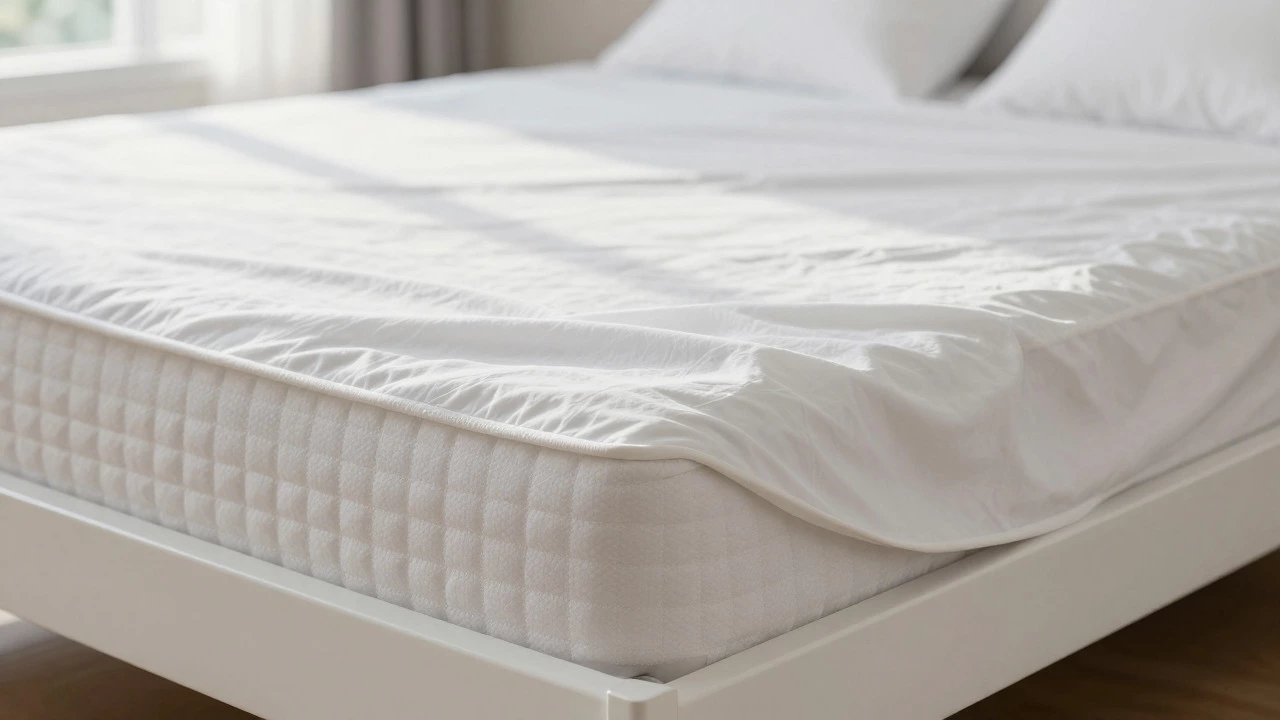
Before you add sheets or blankets, you need a base. This layer sits directly on the mattress. Its primary job is protection, not aesthetics.
Another item in this category is the mattress pad, which is a thicker cushioning layer that adds softness to a firm mattress. While protectors focus on defense, pads focus on comfort. Both are considered essential parts of the bedding foundation because they preserve the life of your mattress.
The Skin Layer: Bed Linens
This is the layer most people think of when they hear "bedding." It is the fabric that touches your body every night. These items require frequent washing-usually weekly-to maintain hygiene.
- Fitted Sheets: These stretch over the corners of the mattress. They provide a smooth surface for sleeping.
- Flat Sheets: Also known as top sheets, these go between you and the blanket. In warmer climates, many people skip the flat sheet entirely.
- Pillowcases: These encase your pillows. They absorb oils from your hair and face, making them critical for skin health.
Material matters here. Cotton, linen, bamboo, and polyester are common choices. Each offers different breathability and texture. For example, linen wicks moisture better than cotton, while microfiber is softer but traps more heat.
The Warmth Layer: Comforters, Duvets, and Blankets
This layer provides insulation. Without it, you would lose body heat quickly during sleep. The terminology here can be confusing, so let’s clear it up.
| Item | Description | Care Instructions |
|---|---|---|
| Comforter | A thick, quilted blanket filled with synthetic or down insulation. It is used as-is without a cover. | Machine washable (check label); tumble dry low. |
| Duvet | A soft, flat bag filled with down, feather, or synthetic fiber. It requires a removable duvet cover. | Duvet: Wash rarely. Cover: Wash weekly like a sheet. |
| Quilt | A lightweight, stitched blanket with thin layers of batting. Often decorative. | Hand wash or gentle machine cycle; air dry preferred. |
| Throw Blanket | A small, portable blanket for extra warmth or decor on chairs and beds. | Machine washable; varies by material. |
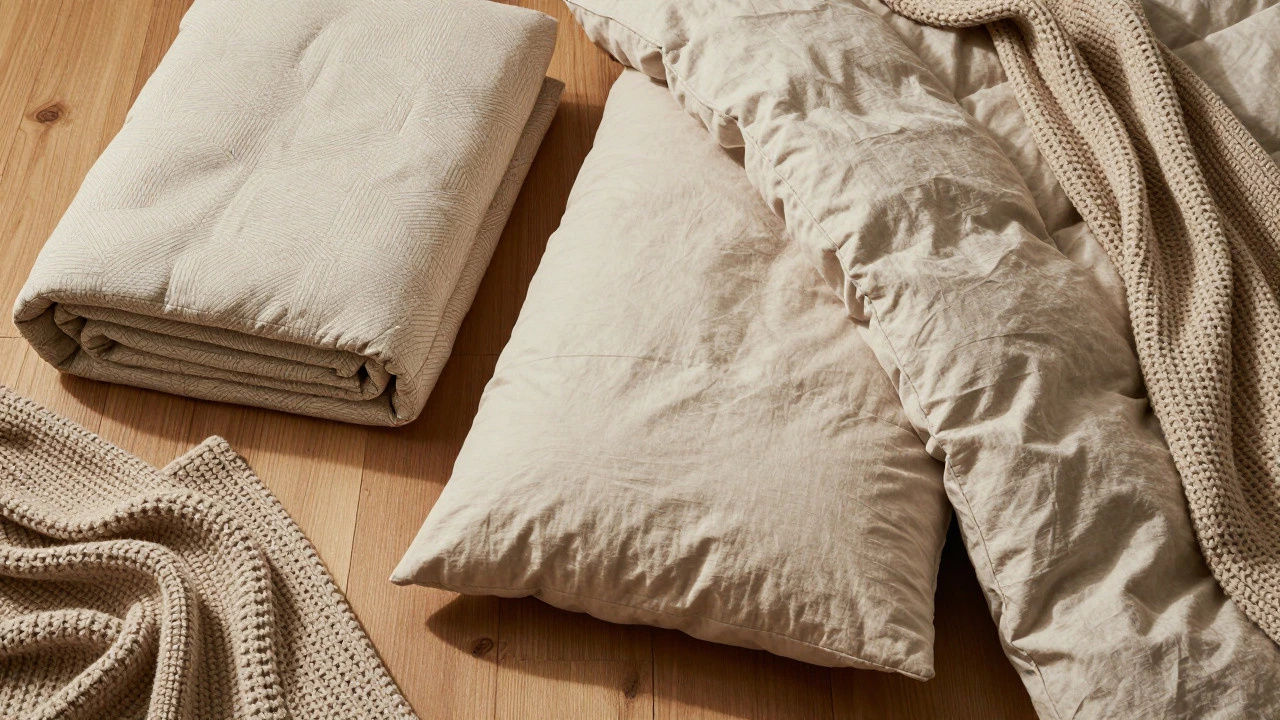
The key difference between a comforter and a duvet lies in usage. A comforter is a finished product. You put it on the bed and leave it there. A duvet is an insert. You slide it into a duvet cover, which acts like a giant pillowcase. The cover protects the duvet from dirt and allows you to change the look of your bed easily. Because the cover takes the brunt of wear and tear, you wash it often, while the duvet itself needs cleaning only once or twice a year.
The Support Layer: Pillows
Pillows are definitely considered bedding. They support your head and neck, aligning your spine for better sleep. However, they are distinct from the fabrics around them.
You have two main types of pillow components:
- The Pillow Insert: This is the fluffy interior. Materials include memory foam, latex, down, or polyester fiberfill. You rarely wash the insert itself unless it has a removable, washable cover.
- The Pillowcase: As mentioned earlier, this is the outer fabric. It is part of the bed linen set.
Choosing the right pillow depends on your sleep position. Side sleepers usually need firmer, higher-loft pillows to fill the gap between their ear and shoulder. Back sleepers do better with medium loft. Stomach sleepers need very thin pillows to avoid neck strain.
Decorative Elements: Shams and Throws
Some items blur the line between function and decoration. Are they bedding? Yes, but their role is secondary.
Shams are decorative pillow covers that match your duvet or comforter. They sit behind your sleeping pillows against the headboard. You do not sleep on shams. Their purpose is aesthetic cohesion. They protect the sleeping pillows from getting crushed against the wall and tie the room’s color scheme together.
Bed Skirts (or dust ruffles) hang from the box spring to the floor. They hide the space under the bed. While purely decorative, they are classified as bedding because they attach to the bed frame and complete the made-bed look.
What Is NOT Considered Bedding?
Knowing what belongs in the category is helpful, but knowing what doesn’t is equally important. Here are common items that people mistake for bedding:
- The Mattress: This is furniture. It is the structure upon which bedding rests. You buy it from a mattress retailer, not a linen shop.
- The Box Spring/Foundation: Like the mattress, this is structural support. It is part of the bed frame system.
- Headboards and Footboards: These are wooden or upholstered panels attached to the bed frame. They are fixtures, not textiles.
- Nightstands and Lamps: These are bedroom accessories, not bedding.
Understanding this distinction helps when you are measuring for new sheets. Sheet sizes are based on mattress dimensions, not including the height of the headboard or the depth of the box spring.
Why Definitions Matter for Care and Cleaning
Categorizing your bedding correctly changes how you maintain it. Mixing care instructions can ruin expensive items.
For instance, if you treat a silk pillowcase like a cotton sheet, you might shrink it. Silk requires cold water and delicate cycles. Cotton can handle hot water to kill bacteria. If you throw a down comforter in the dryer on high heat, you could scorch the filling. Knowing that a duvet cover is essentially a large sheet means you wash it weekly. Knowing that a mattress protector is a barrier means you wash it monthly.
Also, consider allergies. Dust mites thrive in warm, humid environments like mattresses and pillows. Using a hypoallergenic mattress protector and washing pillowcases in hot water are proactive steps. If you don’t know these items are part of the bedding ecosystem, you might neglect them, leading to poor sleep quality or skin issues.
Seasonal Adjustments in Bedding
Your bedding needs change with the weather. In summer, you might swap a heavy comforter for a lightweight quilt or just a flat sheet. In winter, you layer a blanket under the duvet for extra warmth. This practice, called "layering," gives you control over your temperature throughout the night.
Some people use a "European sham" setup, where large square shams lean against the headboard. Others prefer a minimalist look with just a fitted sheet and a duvet. Both are valid approaches to bedding. The core principle remains the same: start with protection, add skin-friendly linens, and finish with appropriate warmth.
Quick Checklist for Building Your Bedding Set
If you are starting from scratch, here is what you need to check off your list:
- [ ] One fitted sheet (correct size for your mattress)
- [ ] One flat sheet (optional, depending on preference)
- [ ] Two pillowcases (standard, queen, or king)
- [ ] One duvet insert OR one comforter
- [ ] One duvet cover (if using a duvet)
- [ ] Two sleeping pillows
- [ ] One mattress protector
Once you have these basics, you can add decorative shams, throws, or a bed skirt if desired. Keep spare sets of sheets in storage. Having a backup ensures you always have clean bedding ready after laundry day.
Is a mattress considered bedding?
No, a mattress is considered furniture. Bedding refers to the textiles and accessories placed on top of the mattress, such as sheets, blankets, and pillows. The mattress provides the structural support, while bedding provides comfort and hygiene.
What is the difference between a duvet and a comforter?
A comforter is a finished blanket that you use directly on your bed. It usually has a decorative outer fabric. A duvet is a plain insert filled with down or synthetic fibers. It must be placed inside a removable duvet cover. The cover makes duvets easier to clean and style.
Are pillows part of bedding?
Yes, pillows are a core component of bedding. They support your head and neck during sleep. The pillowcase is part of the bed linen, while the pillow insert is the supportive element. Both are essential for a complete bedding set.
Do I need a flat sheet if I have a duvet?
It is optional. Many people who use duvets skip the flat sheet because the duvet cover serves a similar protective function. However, some prefer the extra layer of freshness provided by a flat sheet, especially in warmer weather or if they share a bed.
How often should I wash my bedding?
You should wash sheets and pillowcases once a week to remove sweat, oils, and dust mites. Duvet covers should also be washed weekly. Mattress protectors can be washed every one to three months. The duvet insert itself only needs washing once or twice a year, depending on usage and manufacturer guidelines.