Nighttime Curtain Habit Quiz
Answer the following questions to calculate your "Curtain Closure Score." Find out how much heat you might be losing and what risks you are taking by leaving windows exposed at night.
Your Score: 0/8
Personalized Recommendations:
You walk into your living room after dinner, the streetlights are buzzing outside, and you’re about to settle in for a movie. Do you leave those big glass windows wide open to the world? If you do, you might be inviting more than just moonlight into your space. It’s a habit many of us overlook because it feels unnecessary when we’re inside, but closing your curtains is one of the simplest, most effective ways to upgrade your home’s comfort and safety.
Think about it this way: your windows are like eyes. When they’re open at night, everyone on the street can see exactly what you’re doing, what furniture you own, and whether or not you’re home. But there is more to it than just hiding from neighbors. There are real physical reasons-related to heat, light pollution, and even pest control-that make shutting those drapes a smart move before you hit the sack.
The Invisible Shield Against Intruders
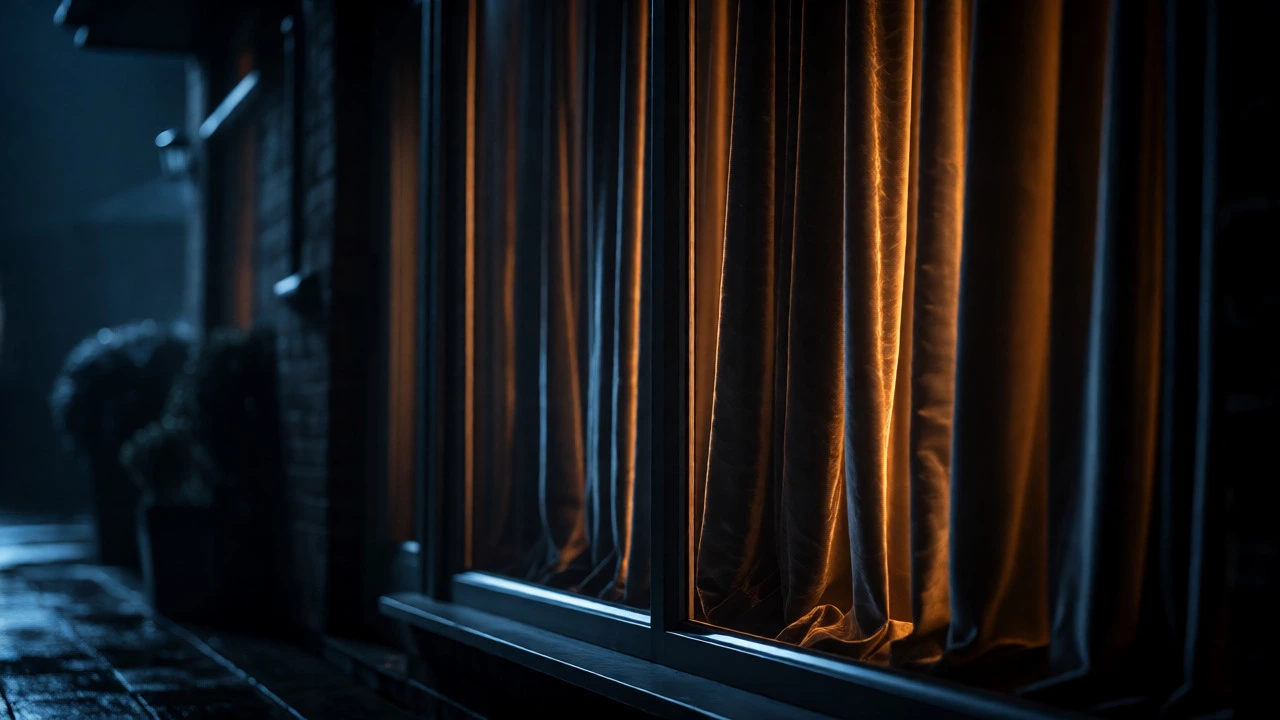
Let’s talk about security first. It sounds dramatic, but statistics from police reports consistently show that visibility is a major factor in burglary decisions. Thieves aren’t usually looking for a fight; they want easy targets with clear sightlines. If someone can stand on the sidewalk and see your expensive TV, your laptop on the coffee table, or worse, see that no one is moving around upstairs, your home becomes a low-risk target.
Closing your curtains breaks that line of sight. It creates uncertainty. A potential intruder doesn’t know if you’re watching them through the fabric or if you have motion-sensor lights set up behind the glass. This psychological barrier is often enough to send them moving on to the next house where the windows are bare. In Wellington, where older villas often have large, single-pane windows close to the street, this visual block is crucial. It turns your home from a fishbowl into a fortress.
Reclaiming Your Sleep Quality
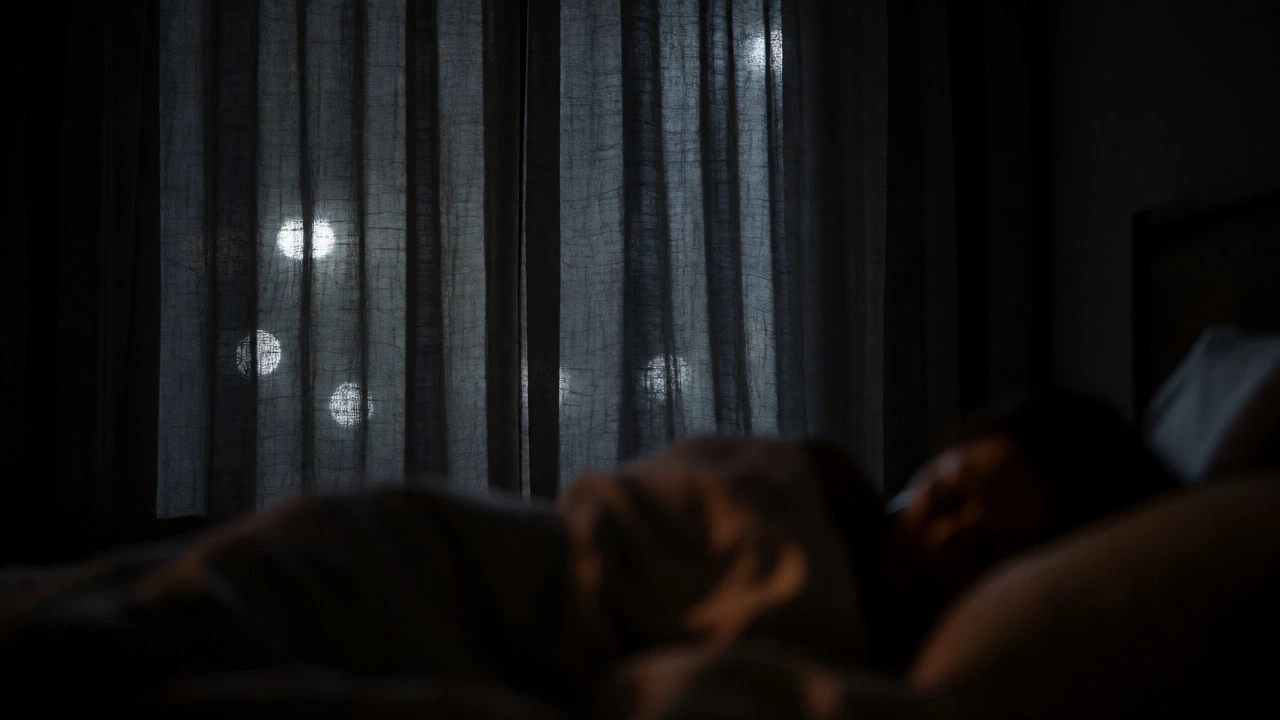
Have you ever woken up at 3 AM feeling groggy, only to realize a streetlamp was shining directly onto your pillow? That’s not just annoying; it’s biologically disruptive. Human bodies run on circadian rhythms, which are heavily regulated by light exposure. When artificial light hits your retinas during sleep hours, it suppresses melatonin production-the hormone that tells your body it’s time to rest.
This is where blackout capabilities come into play. Even if you don’t have specialized blackout blinds, heavy linen or velvet curtains significantly reduce lux levels entering the room. By blocking out streetlights, car headlights, and the glow from nearby businesses, you create a darker environment that promotes deeper, uninterrupted REM cycles. It’s a free upgrade to your sleep hygiene that requires zero electricity.
The Energy Bill Hack Nobody Talks About
Here is a fact that might surprise you: windows are the weakest link in your home’s thermal envelope. Glass is a poor insulator compared to walls. During the day, sunlight heats up your floors and furniture (the greenhouse effect). At night, without the sun, that stored heat radiates back out through the cold glass. This is especially true in climates like New Zealand’s, where nights can drop significantly in temperature while the day remains mild.
Closing your curtains at night adds an extra layer of insulation between the warm indoor air and the cold window pane. According to the U.S. Department of Energy, using window coverings properly can reduce heat loss by up to 25%. Think of it as putting a blanket over your window. If you have thick, lined drapes, the effect is even more pronounced. Over a winter month, this small habit can shave noticeable dollars off your heating bill.
| Factor | Curtains Closed | Curtains Open |
|---|---|---|
| Privacy Level | High - Interior invisible from outside | Low - Interior fully visible |
| Heat Retention | +15-25% better insulation | Significant heat loss via radiation |
| Sleep Environment | Darker, quieter, less light disturbance | Brighter, prone to light intrusion |
| Insect Entry Risk | Physical barrier against moths/spiders | Open path for nocturnal pests |
Keeping the Bugs Out
If you live near bushland or just have old window frames that don’t seal perfectly, you know the struggle of finding a moth or spider on your ceiling in the morning. Nocturnal insects are attracted to light sources. If your interior lights are on and your windows are uncovered, you’re essentially running a beacon for every moth within a hundred-meter radius.
While screens help, they aren’t foolproof, especially around edges or if a screen has a tiny tear. Closing your curtains provides a secondary physical barrier. It stops flying insects that managed to get past the screen from landing on your skin or getting trapped in your bed. It’s a small comfort detail that makes a big difference in how clean and peaceful your bedroom feels.
Protecting Your Furniture from Fading
We tend to think of sun damage as a daytime issue, but UV rays don’t stop working just because the sun goes down. More importantly, the fluctuation in temperature caused by uncovered windows can stress certain materials. Leather sofas can crack if exposed to cold drafts overnight, and wooden floors can warp slightly due to humidity changes that occur when cold glass meets warm air.
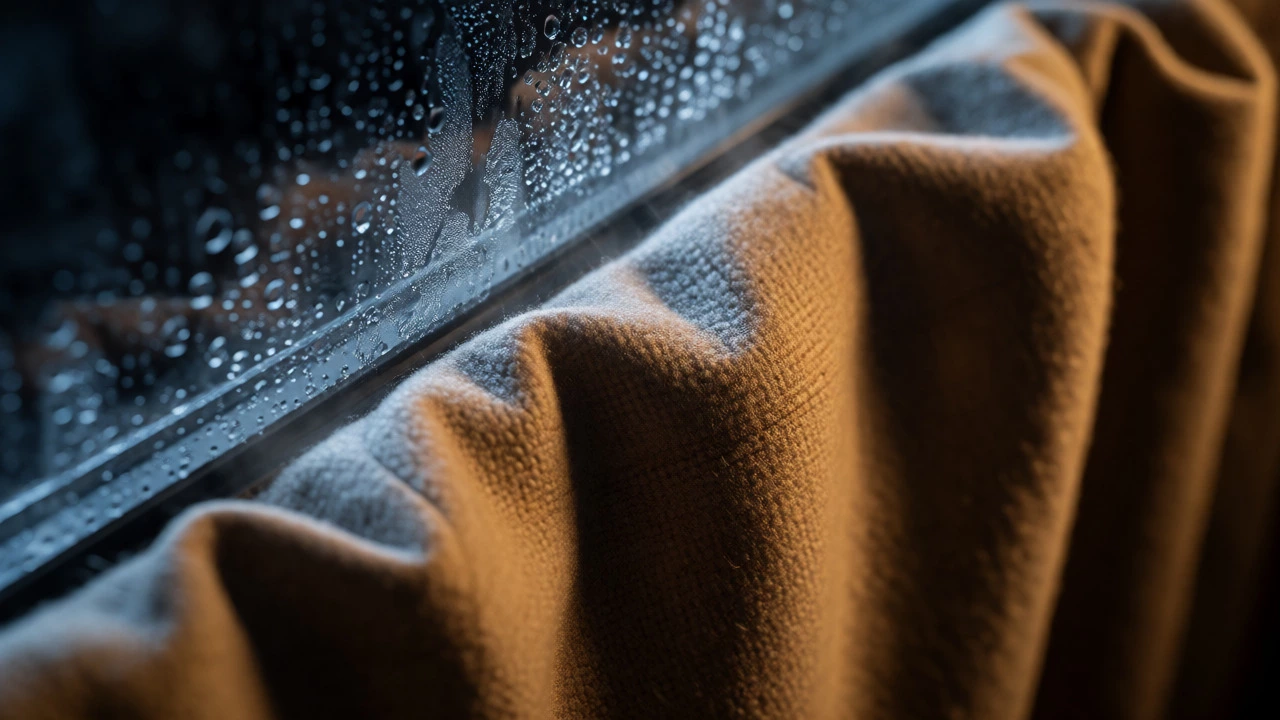
By closing your curtains, you stabilize the microclimate near your windows. You prevent condensation from forming directly on your upholstery or floorboards, which can lead to mold or water stains over time. This is particularly relevant in humid coastal areas like Wellington, where sea spray and moisture are constant companions.
When Should You Leave Them Open?
It’s not always necessary to shut everything tight. Context matters. If you have a stunning view of the city skyline or the harbor, you might want to keep the living room open while you’re awake to enjoy it. However, the rule of thumb should be: close them when you go to bed, and close them when you leave the house.
Also, consider the season. In summer, leaving curtains open at night might invite too much heat if your windows face west. In winter, closing them early helps trap the warmth generated by your heaters or fireplace. It’s about balancing aesthetics with function. You don’t need to live in a cave, but being mindful of when you expose your home to the elements pays off.
Practical Tips for Better Curtain Habits
If you’re ready to start this habit, here are a few quick tips to make it easier:
- Automate it: If you forget constantly, invest in smart curtain tracks. They can be programmed to close automatically at sunset or when you turn off your lights.
- Layer your textiles: Use sheer curtains for daytime privacy and heavier drapes for nighttime insulation. This gives you flexibility without sacrificing style.
- Check the fit: Ensure your curtains overlap in the middle and touch the floor (or sill) to maximize the insulating and privacy benefits.
- Mind the gaps: Light leaks around the edges reduce effectiveness. Install a pelmet or valance above the rod to block light from escaping over the top.
Ultimately, closing your curtains at night isn’t just about tradition; it’s a practical strategy for modern living. It protects your privacy, saves money on energy, improves your sleep, and keeps your home secure. It takes five seconds to pull the cord, but the benefits last all night long.
Does closing curtains really save money on heating?
Yes, studies suggest that proper use of window coverings can reduce heat loss by 10% to 25%. Thick curtains act as an additional insulating layer, reducing the rate at which warm indoor air transfers to the cold glass surface.
What type of curtains are best for night-time insulation?
Heavy fabrics like velvet, wool, or lined cotton work best. The key feature is thickness and lining. Thermal-lined curtains are specifically designed to reflect radiant heat back into the room, making them superior to lightweight sheers for winter nights.
Can closing curtains prevent burglaries completely?
No measure prevents crime completely, but closing curtains significantly lowers the risk. It removes visual confirmation of valuables and occupancy status, making your home a less attractive and more uncertain target for opportunistic thieves.
Is it bad to close curtains during the day?
Not necessarily, but you miss out on passive solar heating. Opening curtains on south-facing windows during winter days allows sunlight to naturally warm your home. Closing them at night traps that heat, creating an efficient daily cycle.
Do sheer curtains provide enough privacy at night?
Usually, no. Sheer fabrics allow light to pass through easily. At night, when interior lights are on, silhouettes and movements are clearly visible from outside through sheers. For true privacy, you need opaque or double-layered curtains.