Sofa Finder: Match Your Lifestyle
Answer a few questions about your home and habits to find the best sofa recommendation for your specific needs.
1. How would you describe your living space?
2. What is the primary use of this sofa?
3. Who else shares the space?
Your Recommended Match:
Quick Guide to Choosing Your Sofa
- Small Spaces: Apartment sofas or Loveseats.
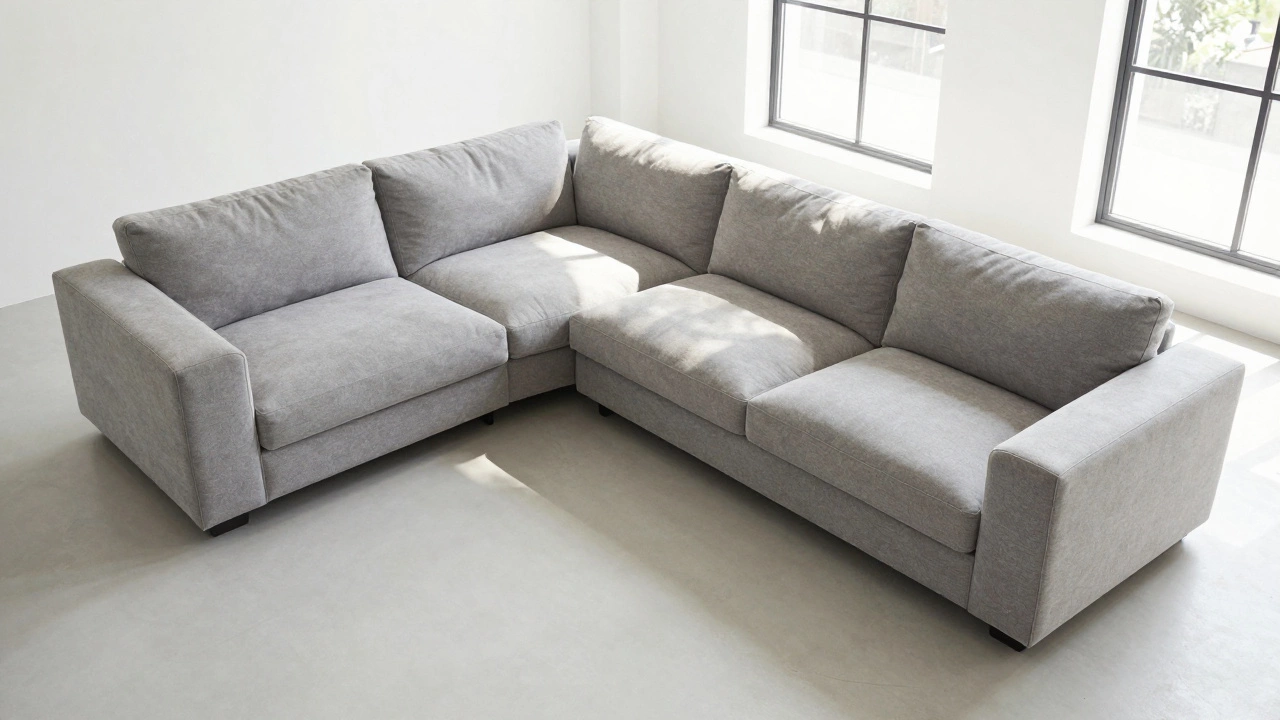
- Families & Entertaining: Sectionals or L-shaped couches.
- Formal Sitting Rooms: Chesterfield or Lawson styles.
- Low Maintenance: Performance fabrics or Top-grain leather.
- Multi-functional Needs: Sleeper sofas or Modular sets.
Understanding the Big Players: Style and Shape
Before you look at colors, you need to decide on the footprint. Sectional is a multi-piece sofa that can be configured in L-shapes or U-shapes to maximize seating area. If you have a family of five or love hosting game nights, this is your best bet. A common mistake is buying a sectional that's too large, which effectively "cuts" the room in half and makes the space feel smaller. Measure your room and leave at least 30 inches of walking space around the edges.
If you're working with a tighter layout, a Loveseat is a smaller couch designed specifically for two people. While great for saving space, they can feel cramped if you're the type of person who likes to curl up with a blanket. For a more balanced approach, a standard three-seater sofa provides that classic look without dominating the entire floor plan.
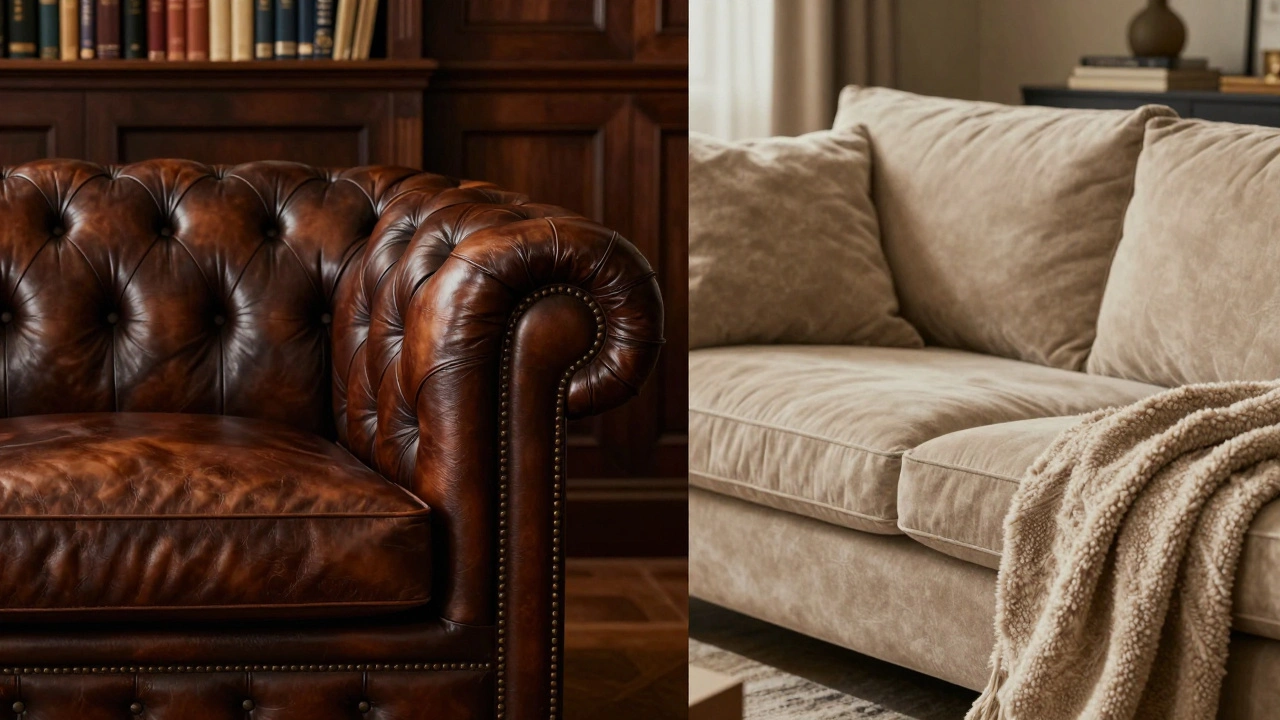
Then there are the style icons. The Chesterfield Sofa is characterized by its deep button tufting, rolled arms, and high back. These are stunning and scream luxury, but they aren't exactly built for napping. Because the arms are often the same height as the back, you can't really lean back into them. In contrast, a Lawson Sofa features loose cushions and a lower back, making it much more "sink-in" friendly for long Netflix marathons.
Material Matters: Fabric vs. Leather
The material you choose determines how often you'll be stressing over a spilled glass of red wine. Let's be honest: leather looks amazing, but it's not for everyone. Top-grain Leather is the highest quality leather from the top layer of the hide, known for durability and a natural patina. It's a great investment because it lasts for decades. However, it can feel sticky in the summer and freezing in the winter.
If you have pets or kids, look into Performance Fabric. This is essentially fabric treated with a moisture-repellent or stain-resistant finish. Brands like Sunbrella use acrylic fibers that resist fading from the sun, which is a lifesaver if your sofa sits right next to a big window. Velvet is another popular choice for a high-end look, but be warned: it's a magnet for pet hair.
| Material | Durability | Comfort | Maintenance | Best For... |
|---|---|---|---|---|
| Top-grain Leather | Very High | Medium | Low (Wipe clean) | Long-term investment |
| Performance Fabric | High | High | Medium | Families & Pets |
| Velvet | Medium | Very High | High | Formal Living Rooms |
| Linen/Cotton | Low | High | High | Guest rooms/Low traffic |
The Secret to Comfort: Filling and Suspension
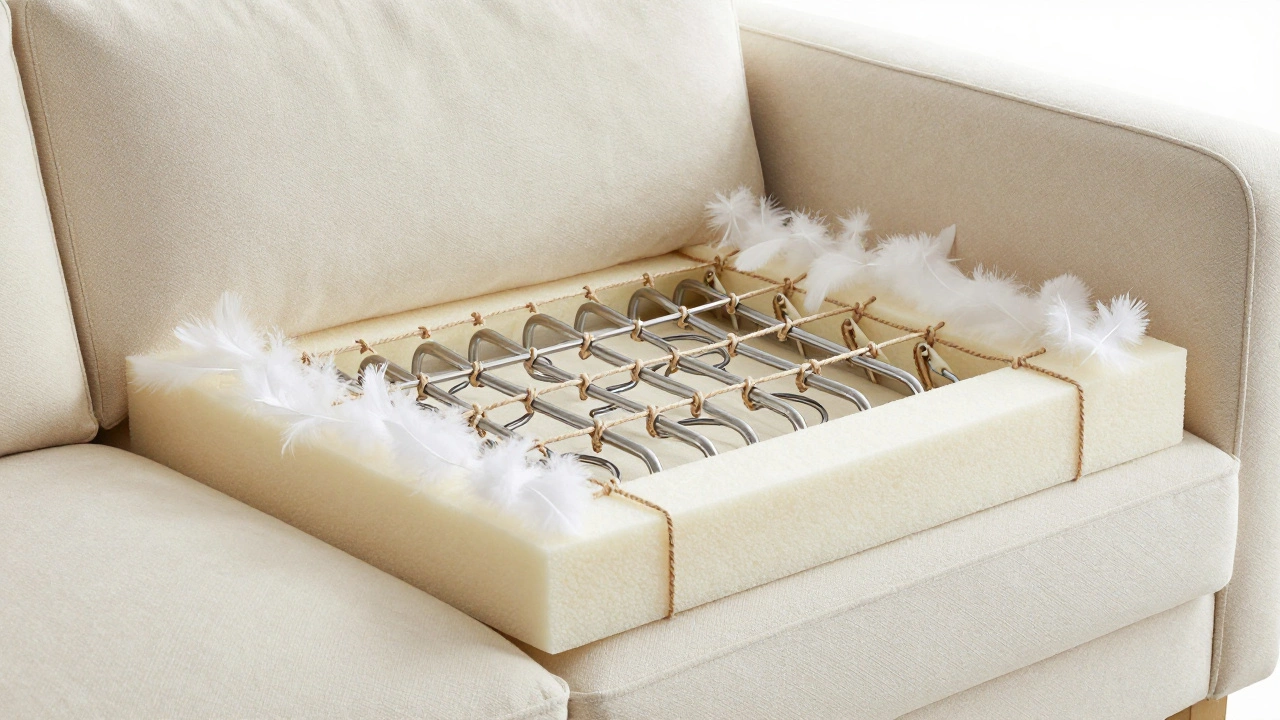
You can find two sofas that look identical, but one feels like a cloud and the other feels like a park bench. This comes down to the Sofa Filling. High-density foam is the most common; it's firm and holds its shape well, but it can feel stiff over time. Down-filled cushions (made from feathers) are incredibly soft but require constant "fluffing" to keep them from looking like a deflated balloon.
The real magic happens underneath. Sinuous Springs are S-shaped wires that provide a bouncy, consistent feel. These are standard in most mid-range sofas. For a more premium experience, look for Eight-Way Hand-Tied Springs. This is a traditional technique where springs are tied by hand in eight directions, creating an incredibly durable support system that doesn't sag for years. If you're spending a lot of money, this is the feature that actually justifies the price tag.
How to Match Your Sofa to Your Lifestyle
To find the best type of sofa, you need to track your movements for a week. Do you actually sit in the living room, or do you just pass through it to get to the kitchen? If the room is a transition space, a formal setup with a Lawson or a Mid-century Modern piece works well. But if you're a "horizontal" person who spends four hours a night lounging, a deep-seated sectional with plush cushions is non-negotiable.
Think about the "guest factor" too. If you frequently have people stay over, a Sleeper Sofa is a great utility player. Just be careful here: cheap pull-out mattresses are notoriously uncomfortable. If you'll be using it often, consider a modular sofa with a "bed" configuration, which usually offers better support than a fold-out metal frame.
Don't forget about the scale. A common mistake is buying a sofa that is too tall for the room, which makes the ceiling feel lower. If you have low ceilings, go for a lower-profile piece with slim legs (like those found in Scandinavian designs). This creates a sense of openness and makes the room feel airier.
Common Pitfalls to Avoid When Shopping
First, never trust your eyes alone in a showroom. Showroom lighting is designed to make everything look perfect. If you're buying a fabric sofa, ask for a swatch and look at it in your own home's natural light. A "charcoal gray" in the store can look like a weird purple in your living room.
Second, watch out for "bonded leather." It's often marketed as real leather, but it's actually scrap leather glued together with polyurethane. It's cheap, and it will peel off in sheets within two or three years. Always insist on top-grain or full-grain leather if you want something that lasts.
Lastly, check the weight of the cushions. If the cushions feel too light, they're likely filled with low-density foam that will flatten out in six months. A good cushion should have some heft to it and bounce back instantly when you press down on it.
What is the most durable sofa material for kids and pets?
Performance fabrics are generally the best choice. They are woven with synthetic fibers like polyester or acrylic and treated with a protective coating that prevents liquids from soaking into the fabric, making them easy to wipe clean. Top-grain leather is also highly durable, though it can be scratched by claws more easily than tight-weave fabrics.
Is a sectional better than a standard sofa?
It depends on your space and needs. Sectionals provide more seating and are better for lounging or defining a large room. However, standard sofas are more flexible, easier to move, and better for smaller rooms where a large L-shape would block traffic flow.
What does "eight-way hand-tied" actually mean?
It refers to the way the springs in the sofa's seat are tied. Each spring is connected to eight different points (four horizontal and four vertical), which prevents the springs from shifting and ensures the seat maintains its shape over many years of use.
How do I choose between foam and down filling?
Choose foam if you prefer a firmer feel and a sofa that keeps its crisp look without maintenance. Choose down (feathers) if you want a soft, "sink-in" feeling and don't mind spending a few minutes each week fluffing the cushions back into place.
Can I use a Chesterfield sofa for everyday lounging?
You can, but it's not the most comfortable option for long periods. Because the arms and back are the same height and usually quite firm, you can't lean back comfortably. They are best suited for more formal settings or as a statement piece in a room.
Final Steps and Troubleshooting
Once you've narrowed down your choice, do a "tape test." Use painter's tape to mark the exact dimensions of the sofa on your floor. Walk around it for a day. If you find yourself tripping over the tape or feeling squeezed, go one size smaller. It's much better to have a slightly smaller sofa than a room you can't move through.
If you're undecided between two materials, consider a "hybrid" approach. Get a leather sofa for the main seating area and add fabric throw pillows and blankets for that cozy, soft feel. This gives you the durability of leather with the comfort of fabric.
For those struggling with a tiny apartment, look into "apartment-scale" furniture. These pieces are designed with the same style as full-sized sofas but are scaled down by 5-10% in width and depth, allowing them to fit into tight corners without looking disproportionate.