2026 Rug Style Finder
Answer three quick questions to discover which of the top 2026 rug trends matches your space.
Your Recommended Trend
You walk into a room and your feet hit something soft. Is it just a floor covering? No. It’s the anchor of your entire aesthetic. If you’re wondering what rugs are in fashion now, you’re probably noticing that the flat, boring carpets of the early 2010s are gone. We’re in an era where texture is king and sustainability isn’t just a buzzword-it’s a requirement.
| Trend Name | Key Characteristic | Best For |
|---|---|---|
| Maximalist Textures | High-low piles, shag, bouclé | Living rooms needing warmth |
| Eco-Conscious Materials | Jute, seagrass, recycled PET | Kitchens, entryways, eco-homes |
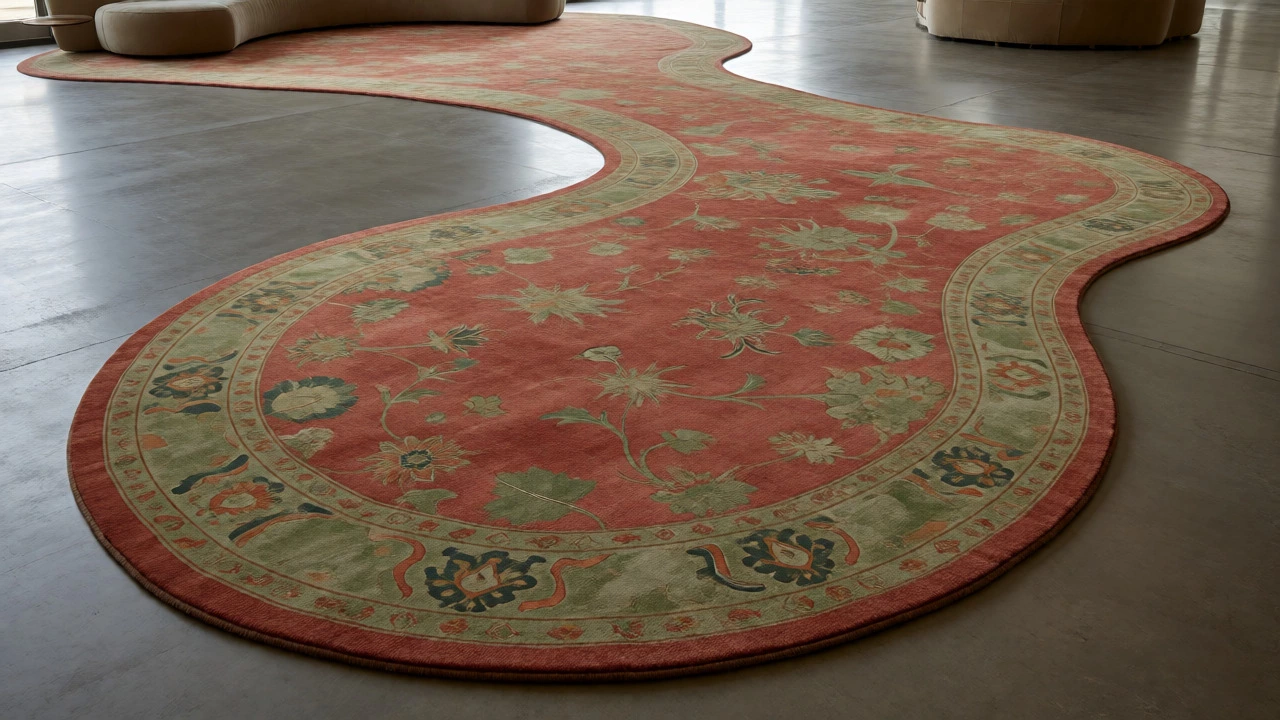
| Vintage Revival | Faded Persian motifs, overdyed looks | Eclectic or modern spaces |
| Biomorphic Shapes | Organic curves, non-rectangular cuts | Minimalist or playful interiors |
The Rise of Tactile Luxury
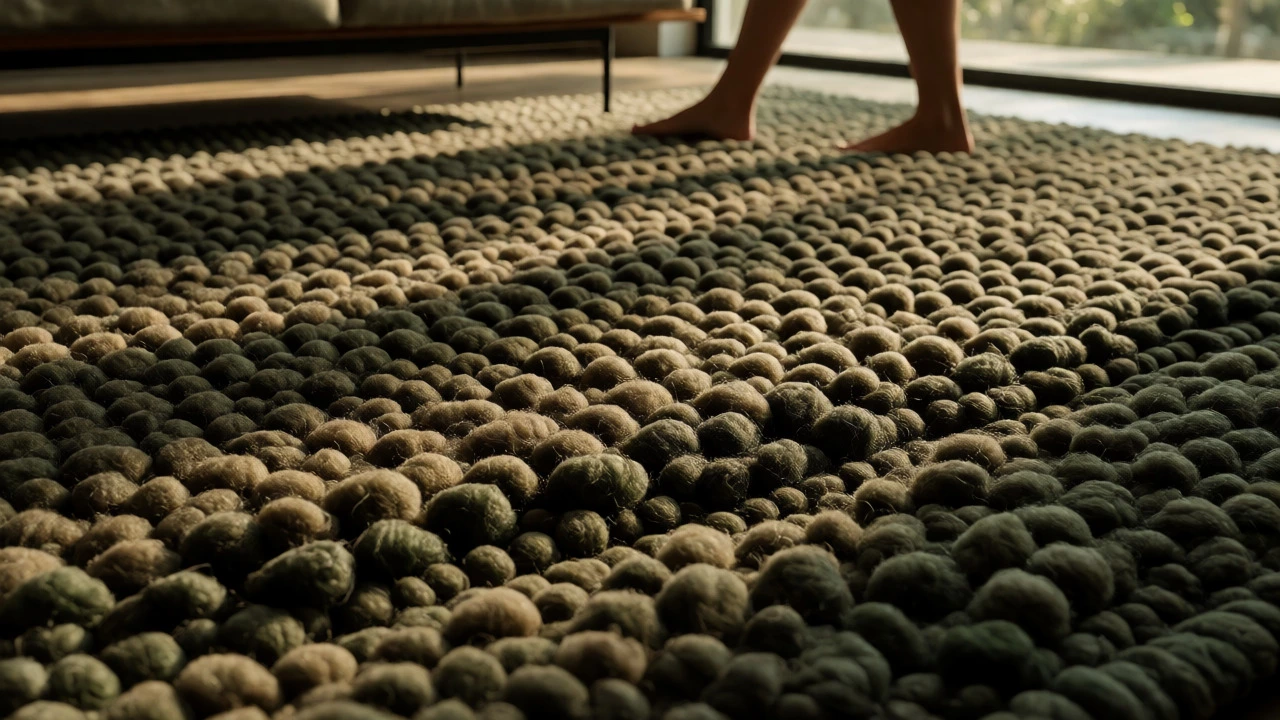
Forget visual patterns for a second. In 2026, if you can’t feel it with your bare toes, it’s not working hard enough. The biggest shift we’ve seen is the move toward textured rugs that prioritize depth over design. Think high-low pile variations, thick wool loops, and bouclé fabrics that mimic the comfort of a cloud.
Why does this matter? Because our homes have become sanctuaries from digital overload. You want a physical sensation that grounds you. A flat-woven kilim might look nice on Instagram, but a hand-tufted wool rug with varying pile heights actually changes how a room feels. It absorbs sound better, too. If you’re buying for a bedroom or a media room, ignore the printed patterns. Look for materials like New Zealand wool or alpaca blends. These fibers naturally repel stains and bounce back after furniture sits on them. That resilience is key when you’re spending hundreds-or thousands-on a piece meant to last a decade.
Sustainability Isn't Optional Anymore
You can’t talk about current styles without talking about ethics. The market has split. On one side, you have fast-fashion rugs made from synthetic polypropylene that shed microplastics. On the other, you have sustainable rugs crafted from renewable resources. This isn’t just about feeling good; it’s about longevity and indoor air quality.
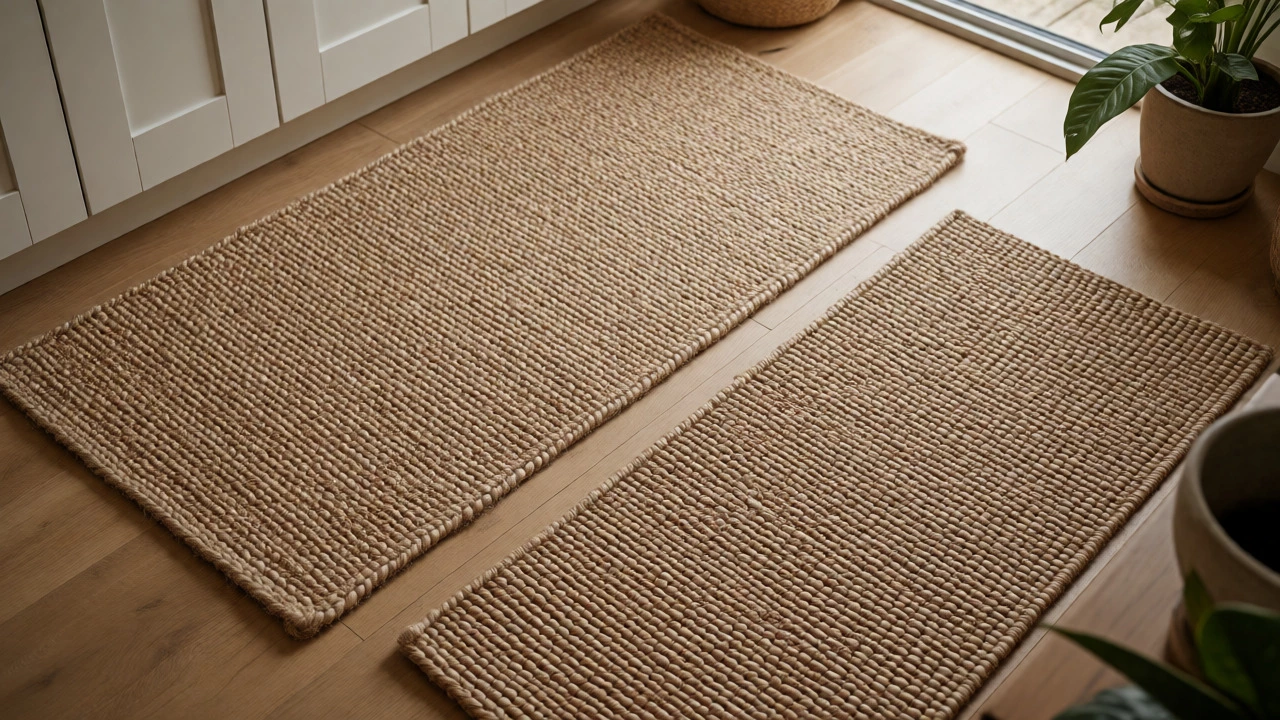
Natural fibers like jute, sisal, and seagrass are having a massive moment. But they aren’t the scratchy, beach-house mats of the past. Designers are weaving them into softer, more durable blends. For example, mixing jute with cotton makes it pliable enough for living areas while keeping that earthy, organic vibe. Another huge player is recycled PET. Yes, plastic bottles turned into plush carpeting. Modern processing techniques make these rugs indistinguishable from virgin synthetics in terms of softness, but they carry a much smaller carbon footprint. When you shop, check for certifications like GoodWeave or OEKO-TEX. If a brand can’t tell you where the wool came from or what dye process they used, walk away.
Vintage Looks, Modern Durability
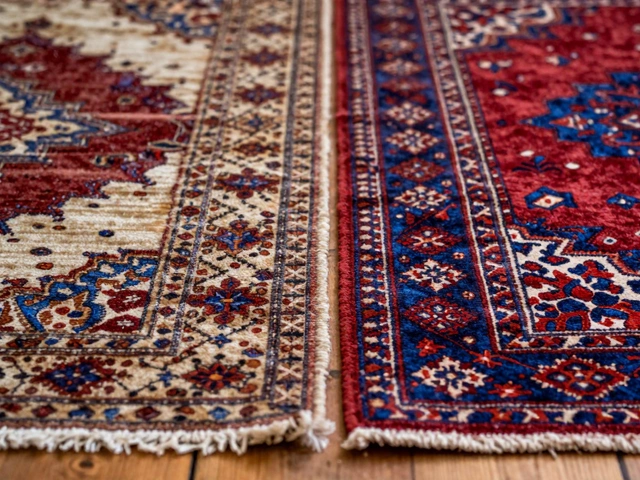
There’s a certain charm to a rug that looks like it survived a century in a Marrakech souk. The "perfectly imperfect" look is dominating interior design blogs. However, actual antique rugs are fragile and expensive. Enter the vintage-style rug. These are new pieces engineered to look old. Manufacturers use techniques like hand-knotting irregularities, natural dyes that fade unevenly, and even mechanical distressing.
This trend works because it adds history to a sterile modern apartment. A faded Persian motif in muted terracotta or sage green breaks up the sharp lines of contemporary furniture. It creates a focal point without screaming for attention. The trick is avoiding the "fake" look. Cheap versions often have uniform wear patterns that look painted on. Real quality vintage-style rugs will have subtle color variations and a slightly uneven surface. They should feel lived-in, not staged. Pair these with sleek, minimalist furniture to let the rug do the heavy lifting in the room's character.
Breaking the Grid: Biomorphic Shapes
Rugs don’t have to be rectangles anymore. This sounds obvious, but for decades, the rectangular rug was the default. Now, designers are embracing biomorphic shapes. These are rugs cut into organic, free-flowing forms that mimic nature-think pebbles, amoebas, or abstract blobs.
Why switch? Rectangles enforce rigidity. Curves soften a space. In open-plan layouts, a round or kidney-shaped rug can subtly define a dining area or lounge zone without using walls or screens. It guides movement around the furniture rather than blocking it. These shapes work best in minimalist settings where the rug itself becomes art. You wouldn’t put a complex geometric shape under a busy patterned sofa; you’d pair it with solid colors to create contrast. Custom cutting services have made these shapes more affordable, so you’re no longer limited to standard sizes. Measure your furniture legs first. Ensure at least the front two legs of your seating sit on the rug to keep the layout cohesive.
Color Palettes: Earthy Neutrals and Moody Depths
What colors are trending? We’ve moved past the stark gray-on-gray era. The palette for 2026 is grounded in nature. Expect deep greens, rich browns, warm clays, and dusty blues. These colors connect us to the outdoors, which remains a strong psychological need in urban living.
However, there’s also a counter-trend of "moody maximalism." Darker rugs-charcoal, navy, black-are being used in lighter rooms to add weight and drama. This prevents the space from feeling floaty or unanchored. If you have light wood floors and white walls, a dark rug creates immediate sophistication. Just remember the maintenance factor. Dark rugs show dust less than light ones, but pet hair stands out more. Light rugs brighten small spaces but require professional cleaning more frequently. Choose based on your lifestyle, not just the photo on the website.
How to Choose the Right Rug for Your Space
Buying a rug online is risky. You can’t touch it, smell it, or see how the light hits it. Here’s a practical approach to minimize regret:
- Measure Twice: Don’t guess. Use painter’s tape to outline the rug size on your floor before ordering. Walk around it. Does it block pathways?
- Check the Backing: Latex backing is common but can degrade over time. Natural rubber or felt pads offer better grip and longevity. Avoid PVC-backed rugs if you’re sensitive to off-gassing smells.
- Test for Shedding: Read reviews specifically mentioning shedding. Wool sheds initially; synthetics usually don’t. If you have allergies, low-shed options are critical.
- Lighting Matters: Order a sample swatch if possible. View it in your home’s lighting at different times of day. Colors shift dramatically under warm vs. cool bulbs.
Remember, a rug is an investment in comfort and acoustics, not just decoration. It dampens echo, protects flooring, and defines zones. Spend money on the foundation of your room, and the rest of the decor will fall into place.
Are shaggy rugs still in style for 2026?
Yes, but the definition has changed. Traditional long-pile shags are out. What’s in is short-to-medium pile shag with structured texture, like corded wool or looped bouclé. These provide the cozy feel of shag without trapping as much dirt or looking dated. Focus on tactile variety rather than just length.
What is the most durable material for high-traffic areas?
Wool is widely considered the gold standard for durability due to its natural elasticity and stain resistance. For budget-friendly durability, look for high-quality polypropylene (olefin) or recycled PET rugs. These synthetic fibers resist fading and moisture well, making them ideal for entryways and kitchens. Jute is stylish but less durable against spills and heavy foot traffic unless treated properly.
Should I choose a round or rectangular rug for my living room?
It depends on your furniture arrangement. Rectangular rugs suit traditional setups with straight-lined sofas and tables. Round or biomorphic rugs work better in open-concept spaces or rooms with curved furniture. A round rug can visually expand a small square room by removing harsh corners. If your room is already filled with straight lines, a curved rug adds necessary softness and flow.
How do I clean a vintage-style rug?
Vacuum regularly with a suction-only setting (no beater bar) to avoid damaging loose fibers. For spills, blot immediately with a clean cloth-never rub. Professional cleaning once a year is recommended for deep-set dirt. Avoid steam cleaners on natural dyes, as heat can cause bleeding. Always test any cleaner on an inconspicuous corner first.
Are handmade rugs worth the extra cost?
Generally, yes. Handmade rugs (knotted or tufted) use higher quality materials and construction methods that ensure longevity. Machine-made rugs often have glued-backing layers that separate over time. Handmade pieces hold their value better and offer unique character flaws that mass-produced items lack. If you plan to keep the rug for more than five years, the upfront cost per year of use is often lower than replacing cheap machine-made rugs twice.