Tiny House Space Efficiency Calculator
Calculate how much floor space you can reclaim by implementing vertical storage and multi-functional furniture solutions.
Living in a tiny house feels like solving a puzzle every single day. You have limited square footage, but your life doesn't shrink just because your home does. The secret isn't buying smaller things; it's using the space you already have twice as hard. If you are staring at a cluttered corner and wondering where everything goes, you aren't alone. Maximizing space in a tiny house is a lifestyle that requires intentional design, clever storage solutions, and a shift in how you view everyday objects. It’s about working smarter, not harder.
Think Vertical: The Walls Are Your Best Friend
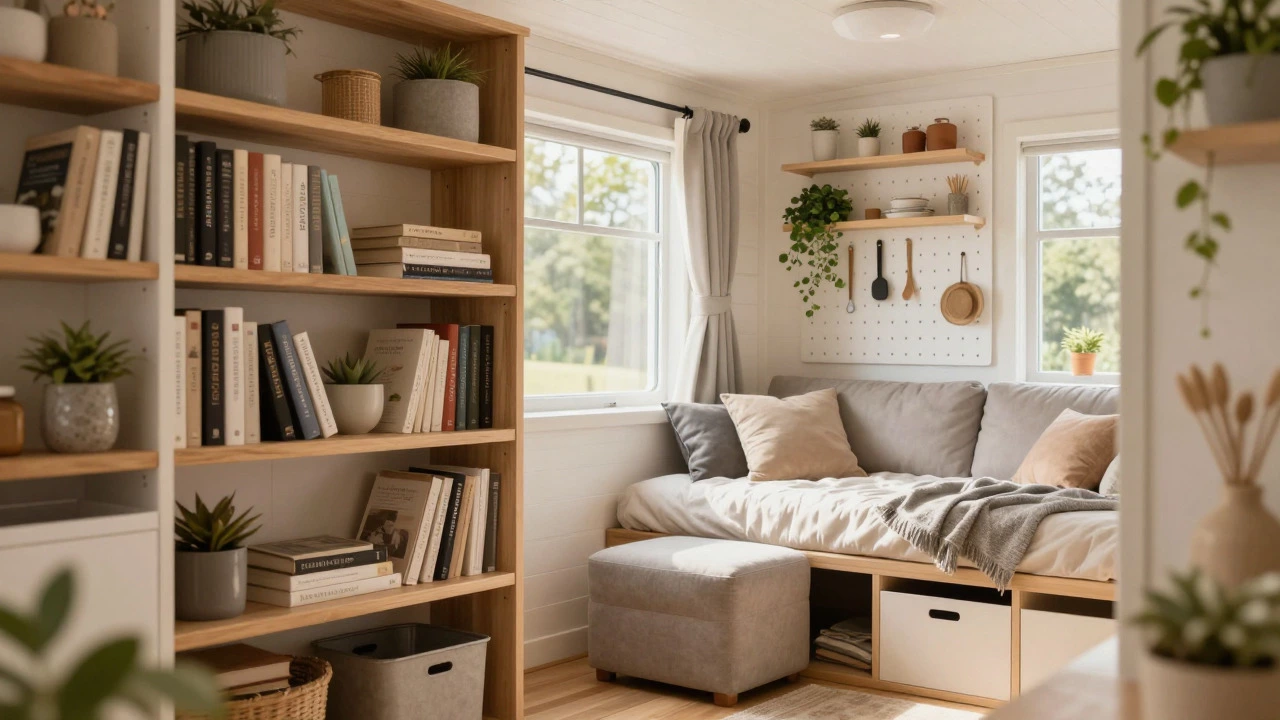
In a standard house, we often ignore walls until we hang a picture. In a tiny home, walls are prime real estate. Floor space is expensive and scarce, so you need to look up. Installing shelves from floor to ceiling transforms an empty wall into a massive storage unit without taking up any room on the ground. Use deep shelves for books and bins, and shallow ones for display items or spices in the kitchen.
You don't need heavy-duty construction skills to do this. Floating shelves are easy to install and look clean. Consider adding pegboards in workspaces or entryways. Pegboards allow you to move hooks around as your needs change. Hang tools, keys, bags, or even plants. This keeps items visible and accessible, which stops them from getting lost in a drawer where they take up hidden space. When you utilize vertical space effectively, you free up surfaces for living, not storing.
Multi-Functional Furniture Is Non-Negotiable
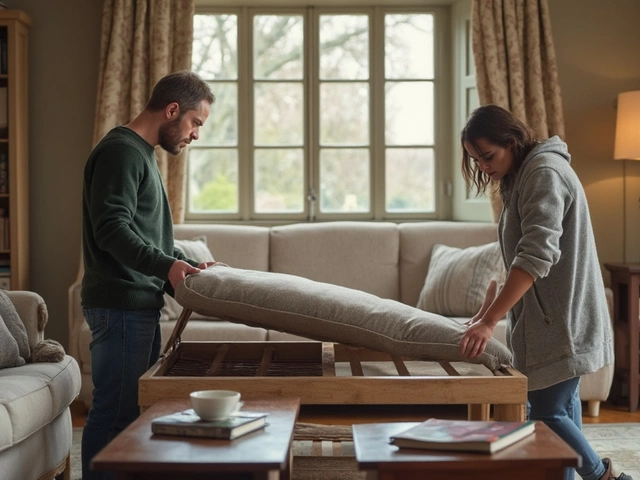
Every piece of furniture in your tiny house must earn its keep. If a chair only sits there, it might be too much. Instead, choose pieces that do double duty. A sofa bed is obvious, but think deeper. An ottoman with storage inside can hold blankets, pillows, or board games. A dining table that folds down against the wall becomes a desk when you're working and disappears when you want to dance in the living room.
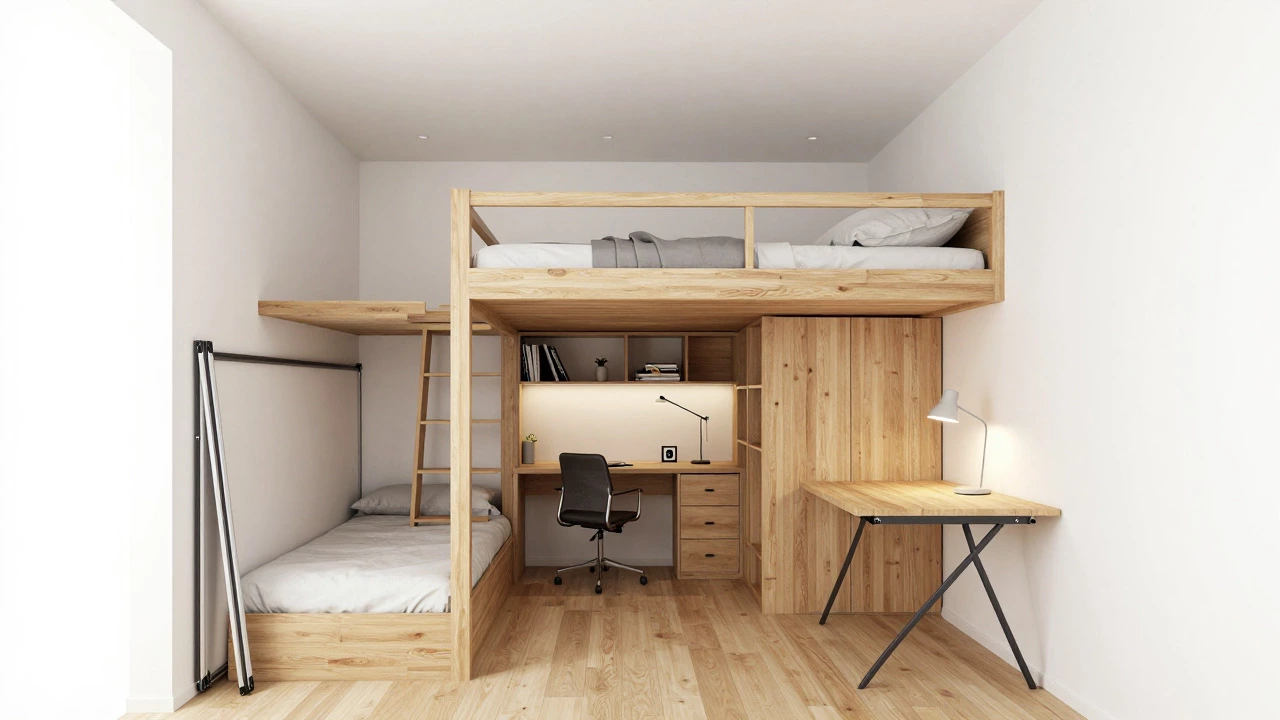
Loft beds are elevated sleeping platforms that create usable floor space underneath for desks, seating, or closets. If your ceiling height allows, lofting your bed is one of the biggest space-savers available. You gain an entire room's worth of floor area below. For those who can't loft, consider a murphy bed (wall bed) that folds up into the wall during the day. These beds often come with built-in shelving or desks, making them incredibly efficient. Look for furniture with legs that lift the seat off the floor. This creates a visual sense of space and allows you to slide storage bins underneath.
| Furniture Type | Primary Function | Secondary Function | Space Saved |
|---|---|---|---|
| Ottoman | Seating/Footrest | Hidden Storage | Low (Floor Space) |
| Murphy Bed | Sleeping | Desk/Shelving Unit | High (Entire Room Area) |
| Folding Table | Dining/Work | Wall Mount | Medium (Surface Area) |
| Loft Bed | Sleeping | Living/Workspace Below | Very High (Vertical + Floor) |
Master the Art of Decluttering
You can buy all the best storage units in the world, but if you own too much stuff, you will still feel cramped. Decluttering isn't just about throwing things away; it's about curating your life. Ask yourself: Do I use this? Do I love this? Does it serve a purpose? If the answer is no, let it go. In a tiny house, every object competes for attention and space. Keep only what adds value to your daily routine.
Start with categories rather than rooms. Tackle clothes first, then books, then kitchen gadgets. Be ruthless. You probably own three blenders but only use one. Sell or donate the extras. Digitalize papers whenever possible. Scanning documents reduces physical piles to digital files that take up zero physical space. Regularly review your possessions. Set a reminder once a quarter to reassess what you own. Tiny living is a practice, not a one-time fix. As you bring new things in, ask if something else should leave.
Clever Kitchen and Bathroom Hacks
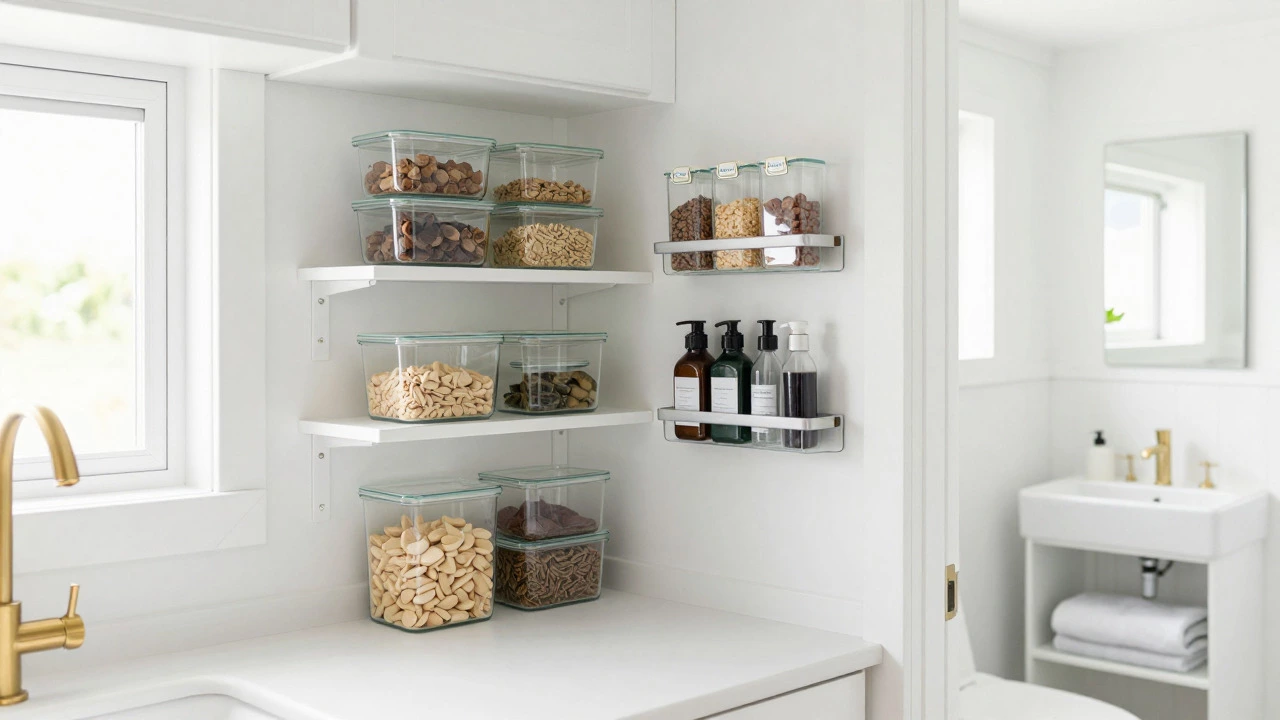
The kitchen and bathroom are high-traffic areas that easily become chaotic. In the kitchen, use magnetic strips for knives and spice jars. This frees up counter space and makes cooking easier. Install a pot rack under cabinets instead of stacking pots in drawers. Stackable containers are essential for dry goods. Clear, uniform containers make it easy to see what you have and fit neatly on shelves. Avoid bulky appliances. Choose compact microwaves, toaster ovens, or induction cooktops that save energy and space.
In the bathroom, over-the-toilet storage units are lifesavers. They provide shelves for towels, toiletries, and cleaning supplies without encroaching on floor space. Use tension rods inside cabinets to double the hanging capacity for bottles. Suction cup organizers on mirrors or shower walls keep shampoo and razors within reach but off shelves. Small baskets can corral small items like cotton swabs and hair ties, preventing them from scattering across counters.
Utilize Hidden and Underused Spaces
Look for spaces you usually ignore. The area under stairs is perfect for a closet or pantry. Build drawers into the steps themselves for shoes or linens. Under-bed storage is classic but effective. Use rolling bins that slide out easily. If you have a window seat, build storage compartments underneath the cushion. Even the back of doors can be used. Over-the-door organizers work great for shoes, cleaning supplies, or pantry items. Don't forget the top of cabinets. Store seasonal items or luggage up high where they won't be needed daily but are safe from dust if covered properly.
Create Visual Space with Light and Color
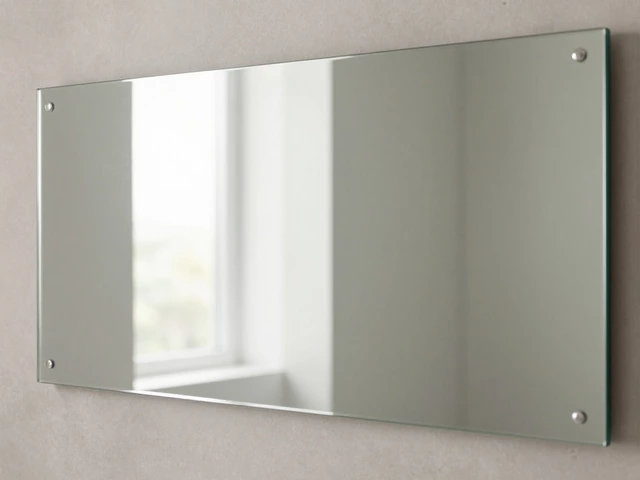
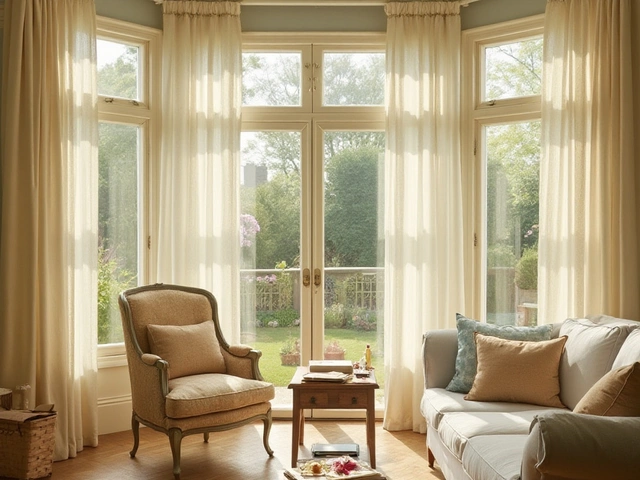
Physical organization helps, but visual tricks matter too. A dark, cluttered room feels smaller than a bright, open one. Use light colors on walls and large furniture pieces. White, beige, or soft gray reflect light and make spaces feel airier. Mirrors are powerful tools. Place a large mirror opposite a window to bounce natural light around the room. This creates an illusion of depth and expands the perceived size of the space. Keep window treatments simple and light. Heavy drapes block light and add bulk. Sheer curtains or blinds let maximum light in.
Consistency in decor also helps. Too many patterns, textures, and colors create visual noise that overwhelms the eye. Stick to a cohesive palette. Fewer decorative items mean less dust and less visual clutter. Display only what you truly love. When your eyes aren't constantly bombarded by objects, the space feels larger and more peaceful. Lighting plays a huge role too. Layer your lighting with ambient, task, and accent lights. Good lighting eliminates shadows that can make corners feel tight and closed in.
Plan for Flexibility and Growth
Your needs will change over time. What works today might not work in six months. Design your tiny house with flexibility in mind. Modular furniture that can be rearranged is ideal. Open shelving allows you to adjust layouts as your collection grows or shrinks. Avoid fixed installations unless necessary. Renters especially benefit from portable storage solutions that don't damage walls or floors. Think about how you use the space throughout the day. Morning routines differ from evening relaxation. Ensure your layout supports these transitions smoothly. Leave some breathing room. Don't pack every inch. Empty space gives your eyes a rest and makes the functional areas more usable.
What is the most important rule for tiny house storage?
The most important rule is one in, one out. Every new item you bring into your tiny house requires an existing item to leave. This prevents accumulation and forces you to evaluate the value of each possession before acquiring it.
How do I store seasonal clothing in a tiny house?
Store off-season clothing in vacuum-sealed bags to reduce volume by up to 80%. Keep these bags in under-bed storage, atop high cabinets, or in a dedicated closet section. Rotate clothes seasonally to keep your wardrobe manageable and accessible.
Can I have guests in a tiny house?
Yes, but plan ahead. Use convertible furniture like sofa beds or air mattresses stored flat under beds. Create a temporary guest zone by folding away daily items. Communicate expectations clearly with guests about shared spaces and amenities.
What are the best containers for tiny house organization?
Clear, stackable plastic bins are ideal. They protect contents from moisture, allow you to see what's inside, and maximize vertical space. Label each bin clearly. Uniform sizes help them fit neatly on shelves and in closets without wasting gaps.
How do I keep my tiny house feeling spacious?
Maintain clear sightlines by keeping floors and counters uncluttered. Use light colors and mirrors to enhance brightness. Regularly declutter to prevent buildup. Ensure good lighting and ventilation to keep the atmosphere fresh and open.