Oct 22, 2024
Discovering the Comfort of Class S Bedding: A Comprehensive Guide
When you buy a rug, you’re not just buying a floor covering—you’re buying rug construction, the way fibers are woven, knotted, or bonded together to form the rug’s structure. Also known as rug making technique, it determines how long the rug lasts, how it feels underfoot, and whether it holds up to pets, kids, or heavy foot traffic. A poorly constructed rug might look nice on day one, but after a year, it’ll flatten, fray, or shed like crazy. A well-made one? It can last decades.
There are two main types of rug construction, the method used to create the pile and backing of the rug. Also known as weaving technique, it falls into either handmade or machine-made. Handmade rugs—like Persian or Tibetan styles—are knotted by hand, often with wool or silk. Each knot is tied individually, which means a high knot count equals higher quality and longer life. These rugs take weeks or months to make and cost more, but they’re heirlooms. Machine-made rugs, on the other hand, are stamped out fast using synthetic fibers like polypropylene or nylon. They’re cheaper, easier to clean, and great for high-traffic areas, but they don’t have the same depth or longevity.
The rug backing, the layer underneath the pile that holds everything together. Also known as rug foundation, it’s just as important as the top. Cheap rugs often have thin, glue-based backings that peel or crack over time. Good rugs use woven cotton or latex backing that stays flexible and holds the fibers tight. Then there’s the pile height, how long the fibers stick up from the base. Also known as nap, it affects comfort and maintenance. Low-pile rugs are easier to clean and better for doorways. High-pile rugs feel plush but trap dirt and are harder to vacuum.
Material matters too. Wool is naturally stain-resistant, fire-retardant, and bounces back after being crushed. Synthetic fibers like polyester or acrylic are cheaper but can flatten fast and hold odors. You’ll find rugs made from jute, sisal, or seagrass too—these are great for eco-friendly homes but aren’t soft under bare feet and can shed fibers. The best rugs balance material, construction, and use. A high-end wool rug with tight hand-knotting is perfect for a living room. A machine-made polypropylene rug? Ideal for a basement or entryway.
Don’t just look at the color or pattern. Flip the rug over. Check the back. See if the knots are tight and even. Look for a woven edge instead of a glued one. Ask yourself: is this built to last, or just to look good for a season? The right construction makes all the difference. You’ll feel it when you walk on it, see it when it still looks new after five years, and save money when you don’t have to replace it every couple of seasons.
Below, you’ll find real-world guides that break down exactly how to judge rug quality, what materials hold up best, and how to spot a rug that’s worth the price. Whether you’re replacing a worn-out runner or buying your first area rug, these posts give you the facts—no fluff, no hype, just what actually works.
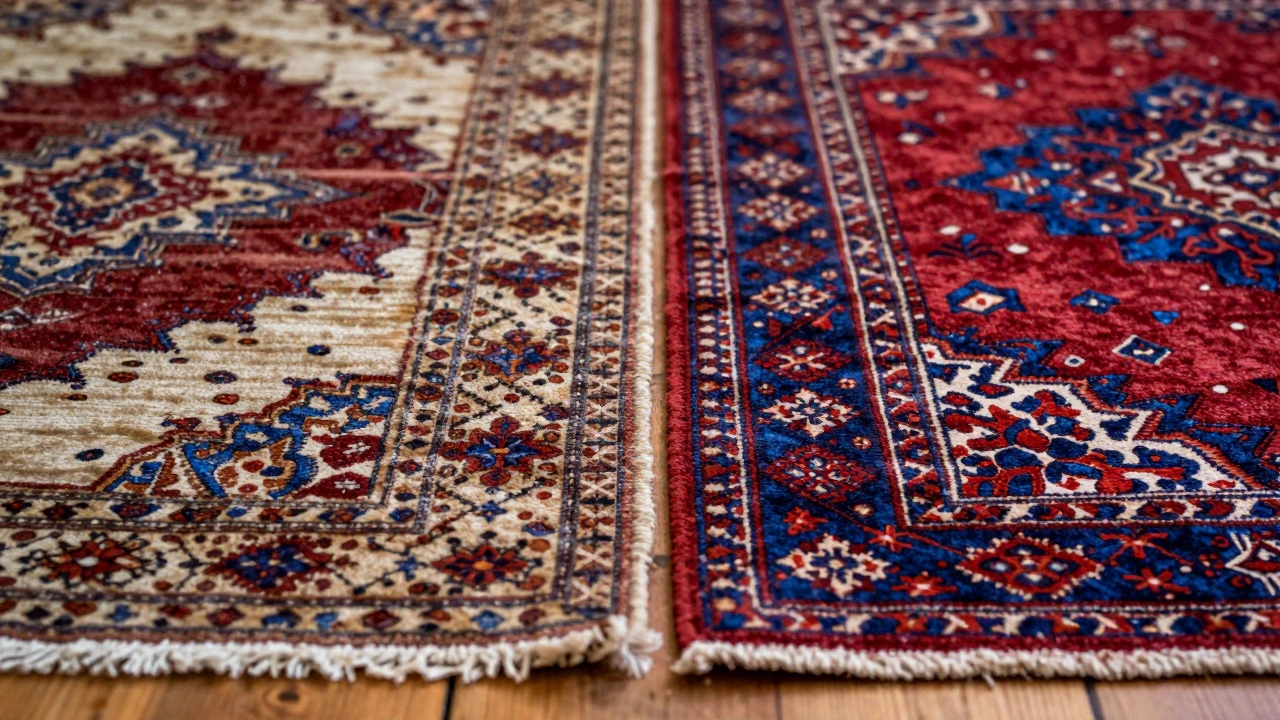
The difference between cheap and expensive rugs lies in materials, construction, dye quality, and craftsmanship. Learn what makes a rug last decades-and why paying more can save you money in the long run.
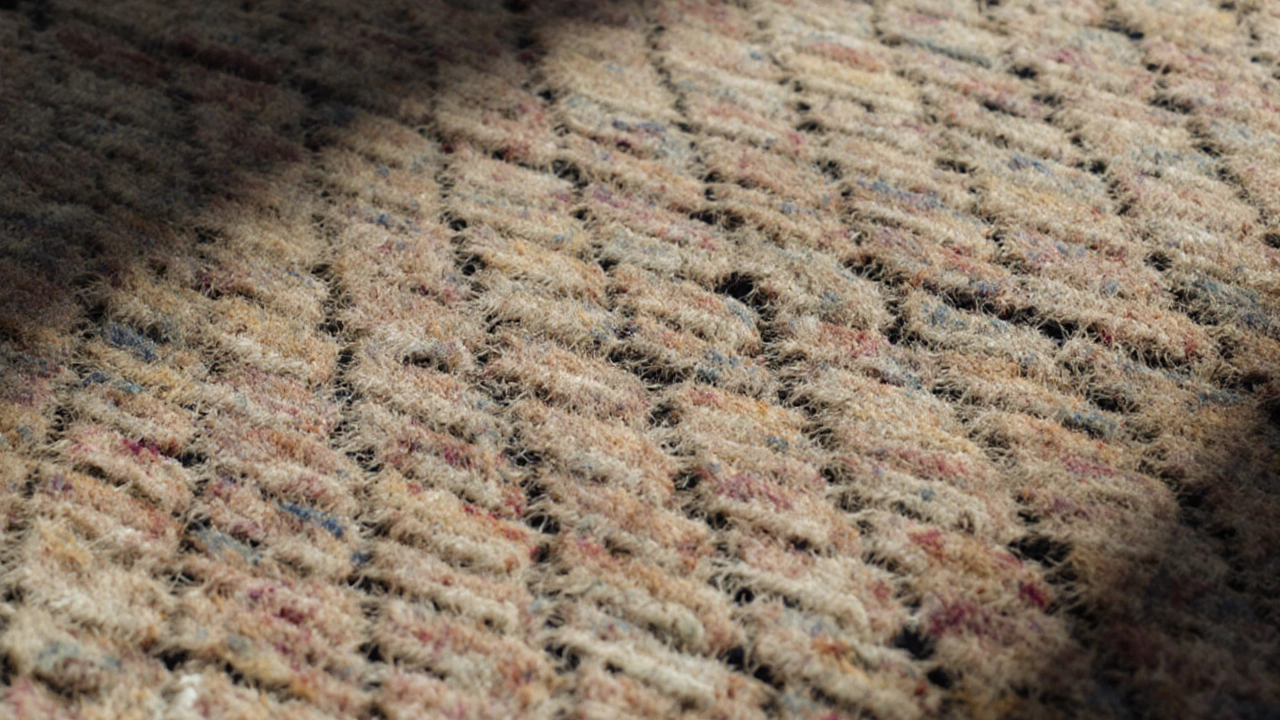
Learn how to spot a truly quality rug with 7 simple checks: knot count, pile feel, backing, fringe, smell, dyes, and origin. Avoid cheap imitations and invest in a rug that lasts decades.