Open Shelving Compatibility Checker
Answer the questions below to see if the "airy look" of open shelving matches your daily reality, or if you're better off with closed cabinets.
Fill out the form and click "Check My Fit" to see your recommendation.
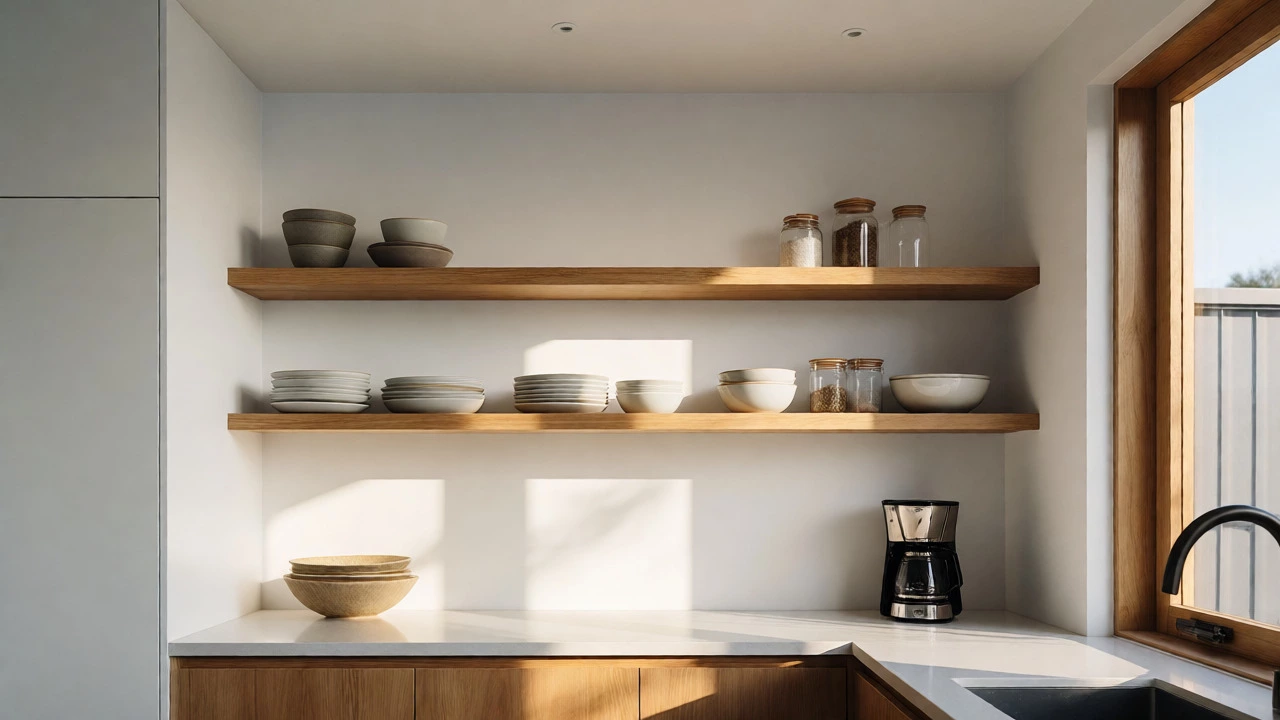
You see it on every home renovation show. You scroll past it on Instagram until your thumb goes numb. White walls, floating wood planks, neatly stacked ceramic bowls, and absolutely zero upper cabinets. It looks clean. It looks airy. But if you’ve ever tried to keep a spice jar free of dust in an open kitchen, you know the reality is messier than the photo.
The big question isn’t just whether open shelving looks good. It’s whether it’s actually open shelving worth the hassle, or if we’re all falling for a temporary trend that will leave us with dusty shelves and regretful wallets by next year. As someone who has watched Wellington kitchens evolve from dark, enclosed cupboards to bright, exposed displays over the last decade, I can tell you: it’s not a simple yes or no. It depends entirely on how you live, what you cook, and how much you hate wiping down surfaces.
The Rise of the Exposed Shelf
Open shelving didn’t appear out of nowhere. It grew out of a shift toward minimalism and industrial aesthetics in the early 2010s. Before that, kitchens were closed boxes. Everything was hidden behind doors. Then, designers started pushing for "breathing room." They argued that removing upper cabinets made small spaces feel larger and more connected to the rest of the house.
This wasn't just about style; it was about function too. In many older homes, especially here in New Zealand, ceiling heights are modest. Removing heavy upper units visually raises the ceiling line. Suddenly, a cramped galley kitchen feels like a studio apartment. That visual trick is powerful, and it’s why the trend stuck around longer than most fads do.
But let’s be honest: part of its popularity came from social media. Curated photos don’t show the grease splatter behind the toaster. They don’t show the mismatched mugs that slipped off the edge during a busy morning. If you’re basing your decision solely on Pinterest, you might be setting yourself up for a cleaning nightmare.
Why People Love It (And Why It Works)
Despite the dust factor, there are genuine reasons why homeowners stick with open shelving long after the initial hype fades. It’s not just vanity. There are practical benefits that improve daily life if you set them up right.
First, accessibility is unbeatable. When you need a colander, you grab it. No opening doors, no rummaging through back-of-cabinet black holes. For frequent cooks, this speed matters. Studies on kitchen ergonomics suggest that reducing steps between tool retrieval and use significantly lowers fatigue during meal prep. If you cook three times a day, having your essential tools within arm's reach without obstruction changes the rhythm of your routine.
Second, it forces curation. You can’t hide clutter behind a door. This constraint is actually a blessing in disguise. It pushes you to declutter. You stop buying random gadgets because you have nowhere to put them. You start keeping only what you love or use regularly. Many people find their kitchens feel calmer once they adopt this discipline. The shelf becomes a display of your actual life, not a graveyard of forgotten items.
Third, cost savings. Upper cabinets are expensive. Custom joinery costs thousands. Floating shelves? A few hundred dollars for quality timber and brackets. If you’re renovating on a budget, swapping upper cabinets for shelving frees up cash for better appliances or countertops. It’s a smart financial move if you prioritize functionality over enclosure.
The Dust Factor: Dealing with Reality
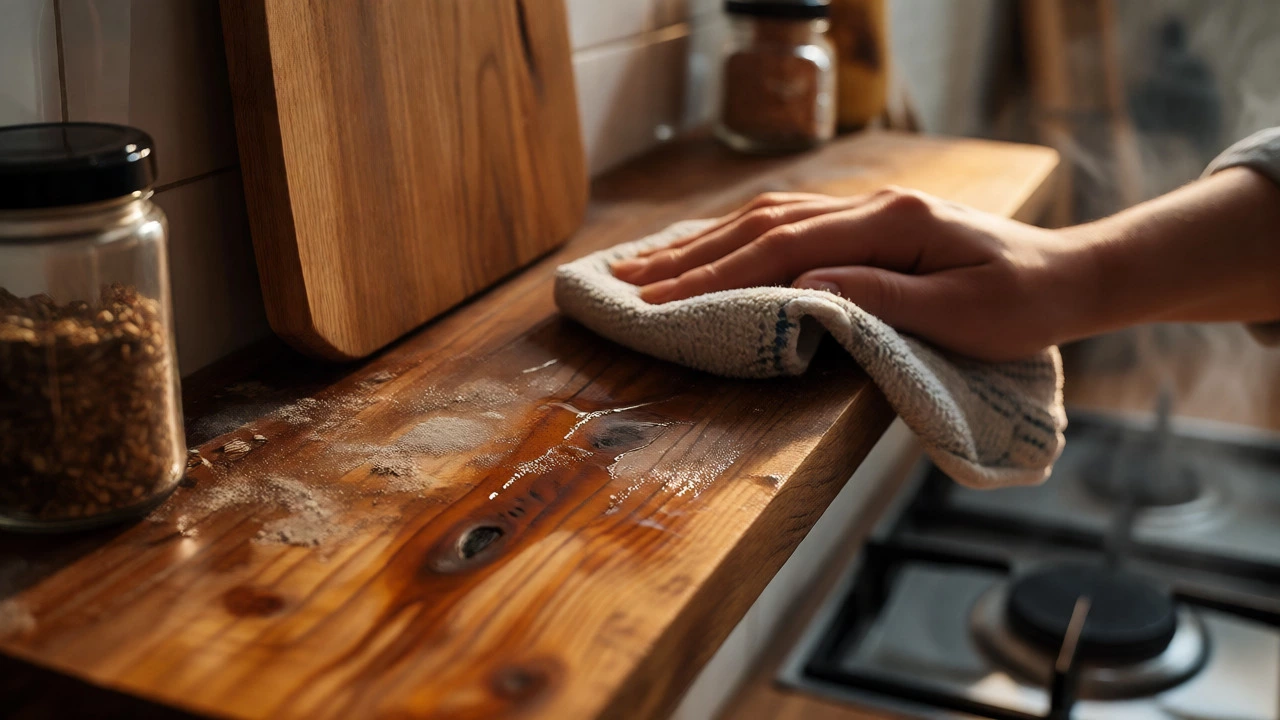
Here is where the dream hits the wall. Kitchens are dirty places. Cooking generates steam, oil aerosols, and food particles. Without doors, these settle on everything. Your beautiful white plates get a film. Your wooden cutting boards absorb moisture and grime faster than you’d like.
If you fry fish often, forget it. The smell lingers on open fabrics and porous wood. Even if you mostly boil and bake, dust still accumulates. In Wellington, with our wind and occasional coastal salt air, dust levels can be higher than in inland cities. You will need to wipe those shelves weekly. Maybe twice a week if you host dinner parties.
Ask yourself: Do you enjoy cleaning? If the answer is "no," open shelving might drive you crazy. It requires maintenance. Closed cabinets allow you to ignore mess for weeks. Shelves demand attention. If you skip a month, the difference is obvious. Guests notice. You notice. And that nagging feeling of "I should clean that" can sour the aesthetic appeal quickly.
| Feature | Open Shelving | Closed Cabinets |
|---|---|---|
| Maintenance | High (Weekly dusting required) | Low (Hidden mess) |
| Cost | Low (Materials + installation) | High (Custom joinery) |
| Visual Space | Open, airy, expansive | Closed, solid, contained |
| Storage Capacity | Lower (Limited by depth/height) | Higher (Deep, vertical space) |
| Protection | None (Exposed to elements) | Full (Dust/grease proof) |
Who Should Avoid Open Shelving?
Not everyone thrives with exposed storage. If you fall into any of these categories, tread carefully:
- Heavy Cooks: If you sauté, fry, or grill indoors frequently, the grease buildup will frustrate you. The constant cleaning outweighs the aesthetic benefit.
- Clutter Collectors: If you tend to accumulate miscellaneous items-takeout containers, random lids, unused gadgets-open shelves will highlight the chaos. Closed doors provide forgiveness.
- Allergy Sufferers: Dust mites and pollen settle on open surfaces. If you sneeze when you walk into the kitchen, hiding your dishes behind glass or wood might help your respiratory health.
- Small Families with Young Kids: Toddlers love pulling things off shelves. Glass jars breaking at eye level is a hazard. Plus, kids can access snacks easily, which might mean less control over sugar intake unless you use high shelves.
How to Make It Work (If You’re Committed)
So, you still want it. How do you make it sustainable? It comes down to zoning and material choice.
Start by dividing your kitchen into "show" zones and "hide" zones. Don’t go fully open. Keep lower cabinets for bulky pots, pans, and rarely used appliances. Use open shelving only for daily essentials: mugs, favorite plates, coffee makers. This hybrid approach gives you the best of both worlds. You get the airy look without exposing every single spatula to kitchen grime.
Choose materials wisely. Porous woods like pine stain easily from oil splatters. Hardwoods like oak or maple are tougher but still need sealing. Metal shelves resist grease better and are easier to wipe down. Glass shelves look sleek but show every fingerprint and water spot. If you choose glass, commit to daily wiping, or it will look grimy within days.
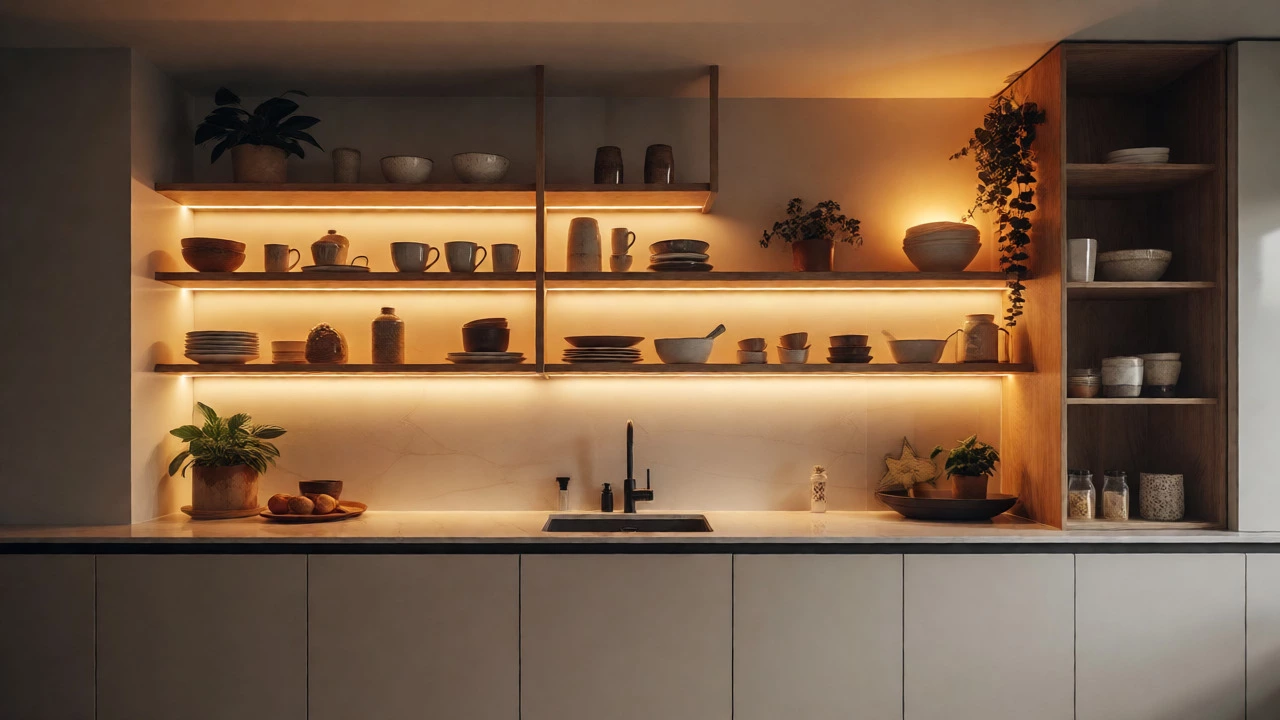
Lighting is critical. Shadows under shelves make items look messy. Install LED strip lights underneath each shelf. This highlights your curated items and makes the kitchen feel intentional rather than accidental. Good lighting turns a cluttered shelf into a designed display.
Is It Still Trending in 2026?
Fads fade. Trends evolve. Open shelving hasn’t disappeared, but it has matured. We’re moving away from the stark, minimalist white-on-white look of the 2010s. Now, it’s mixed with warmer tones, textured ceramics, and greenery. It’s less about "empty space" and more about "personal expression."
Design experts note that while pure open shelving peaked around 2018-2020, it remains a staple in modern renovations. However, the "all-or-nothing" approach is dying. Most new designs incorporate partial open shelving. This suggests the concept isn’t a fad anymore-it’s become a standard design option, chosen based on lifestyle rather than blind trend-following.
If you’re worried about resale value, don’t panic. Buyers generally appreciate well-executed open shelving because it signals a modern, updated kitchen. Poorly executed shelving (cluttered, dirty, uneven) hurts value. So, execution matters more than the feature itself.
Final Verdict: Fad or Feature?
Open shelving isn’t a fad. It’s a design choice with specific trade-offs. It’s not universally better or worse than cabinets. It’s a tool. Use it where it adds value-display areas, light-filled corners-and hide it where it causes pain-greasy zones, clutter-prone spots.
Don’t install it because Instagram said so. Install it because you want to see your favorite mug every morning, and you don’t mind wiping it down. If that sounds like you, go for it. If you dread chores, buy the cabinet.
Does open shelving make a kitchen look smaller?
Generally, no. By removing solid upper cabinets, you create visual continuity and height, which often makes small kitchens feel larger and more open. However, if shelves are overloaded with clutter, the effect reverses, making the space feel chaotic and cramped.
How often do I need to clean open shelves?
For most households, a quick wipe-down once a week is sufficient. If you cook with oils or fats frequently, you may need to clean them twice a week to prevent sticky residue buildup. Dusting alone isn't enough; you need a damp cloth to remove cooking aerosols.
What is the best material for open kitchen shelving?
Sealed hardwoods like oak or walnut offer durability and warmth. Metal shelves are easiest to clean and resist grease stains well. Tempered glass provides a sleek look but requires frequent polishing to avoid visible smudges. Avoid untreated softwoods as they absorb odors and stains quickly.
Can I mix open shelving with upper cabinets?
Yes, and this is often the most practical approach. Using cabinets for bulky or unsightly items while displaying everyday dishes on open shelves balances aesthetics with functionality. This hybrid method reduces cleaning time while maintaining the open feel.
Does open shelving affect home resale value?
Well-maintained open shelving can increase appeal by showcasing a modern, updated kitchen. However, poorly maintained or cluttered shelves can detract from value. Potential buyers view it as a sign of current design trends, provided the space looks tidy and organized.