Cutlery Terminology & Place Setting Checker
Configuration
Correct Term: ...
Completeness: ...
Select your region, material, and utensils, then click Analyze to see the proper terminology and etiquette status.
Have you ever stood in the kitchen, staring at your drawer full of metal utensils, wondering what to call that specific pair sitting side-by-side on the table? You know it’s not just "stuff." It has a name. But is it silverware? Flatware? Cutlery? And if you only have a spoon and a fork, does that change anything?
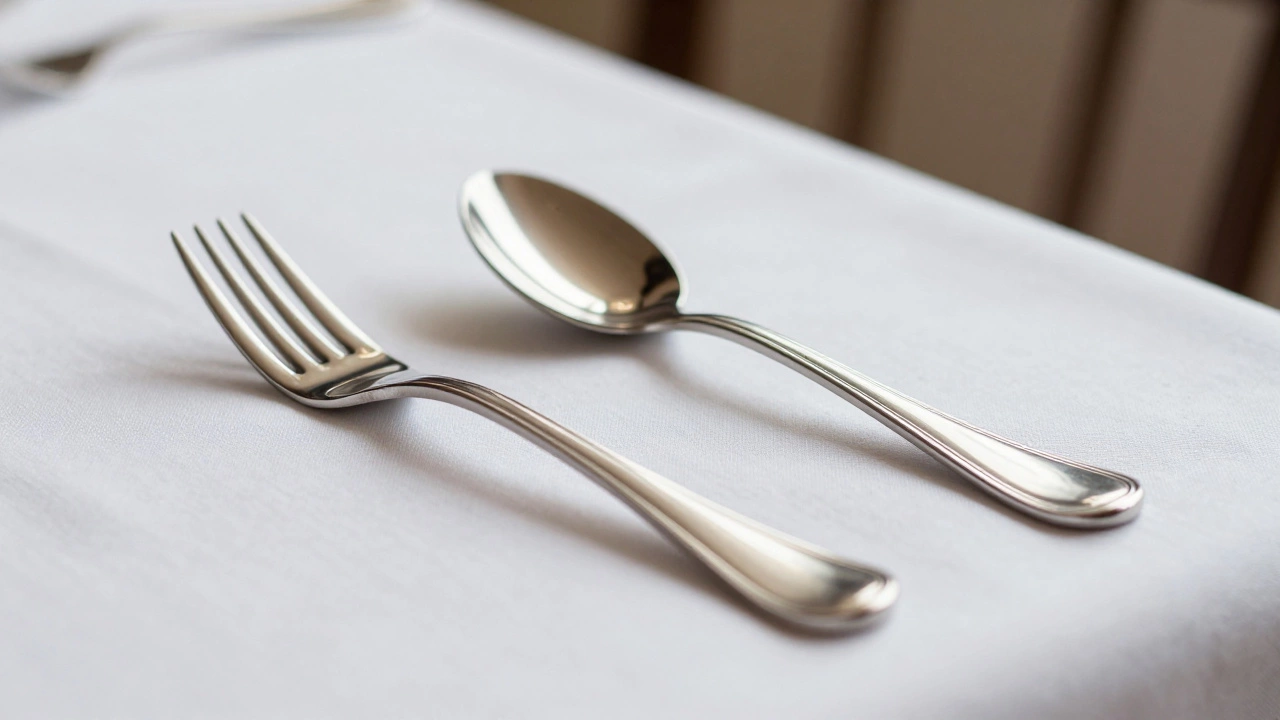
The short answer is simple: a spoon and a fork together are most commonly referred to as a cutlery set or simply flatware. However, depending on where you live and the context of the meal, the terminology shifts dramatically. In this guide, we will break down exactly what these terms mean, why they differ across the Atlantic, and how to properly describe your dining setup whether you are hosting a formal dinner or grabbing a quick bite.
The Core Terminology: Cutlery vs. Flatware vs. Silverware
To understand what a spoon and fork are called together, we first need to untangle the three main words used globally. While they often refer to the same objects, their usage depends heavily on geography and material.
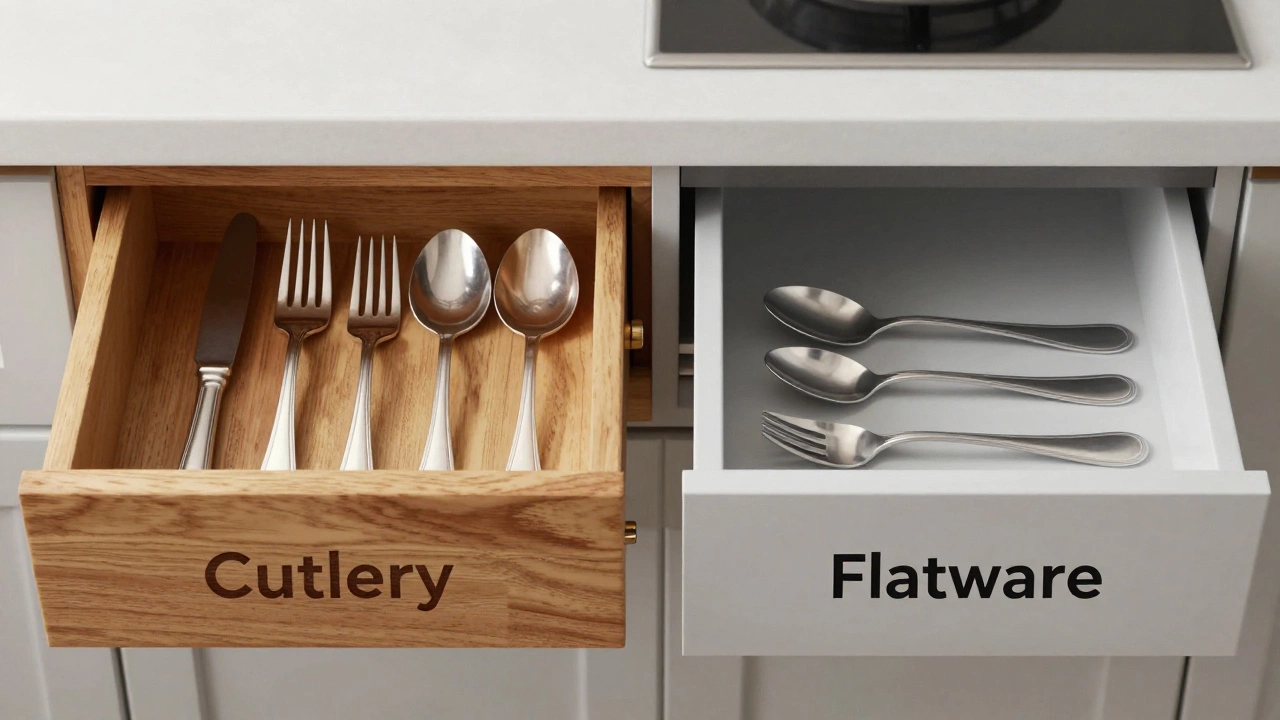
Cutlery is the British English term for eating utensils, originally referring specifically to knives (from 'cutting'), but now encompassing forks and spoons as well. In the UK, Australia, and New Zealand, if you ask for "cutlery," you expect a full set including knives, forks, and spoons. Historically, the word comes from the Old French coutele, meaning dagger or knife. Even though modern sets rarely include sharp blades for every diner, the name stuck.
Flatware is the American English term for eating utensils, named because the pieces lie flat in a drawer or on a tray. This is the preferred term in the United States and Canada. Unlike "silverware," which implies material, "flatware" describes the shape and storage method. If you are buying a set of stainless steel forks and spoons in New York, you are buying flatware.
Silverware is a traditional term that refers to utensils made of sterling silver, though it is now used colloquially in North America to describe any metal eating utensil regardless of material. This is a misnomer today, as most household utensils are made from stainless steel, nickel silver, or even plastic. However, many people still say "pass the silverware" even when holding a piece of chrome-plated steel.
So, back to your question: if you have a spoon and a fork, you have two pieces of cutlery (UK/AU/NZ) or two pieces of flatware (US/CA). They form a partial place setting.
Specific Combinations: What Do We Call Them?
While "cutlery" is the umbrella term, there are no single-word names for just a "spoon and fork" pair in standard English dictionaries. However, in culinary and hospitality contexts, specific combinations have functional names based on their use.
- Dessert Set: A small fork and a small spoon (or teaspoon) placed together above the plate are collectively known as a dessert service. If the meal includes fruit or cake, this pair is essential.
- Beverage Service: A long-handled spoon and sometimes a small fork (for garnishes) might be grouped as beverage accessories, though usually, only the spoon is present for coffee or tea.
- Informal Pairing: In casual settings, such as a salad bar or a buffet where knives are discouraged or unnecessary, a fork and spoon might be handed out together. There is no special name for this; it is simply an "informal place setting" or "casual flatware arrangement."
If you are looking for a marketing term for a product that sells only forks and spoons (no knives), retailers often label them as "Fork & Spoon Sets" or "Dining Utensil Pairs." There is no archaic or fancy Latin-derived term like "sporf" (which is internet slang) that holds weight in formal dining.
The Anatomy of a Place Setting
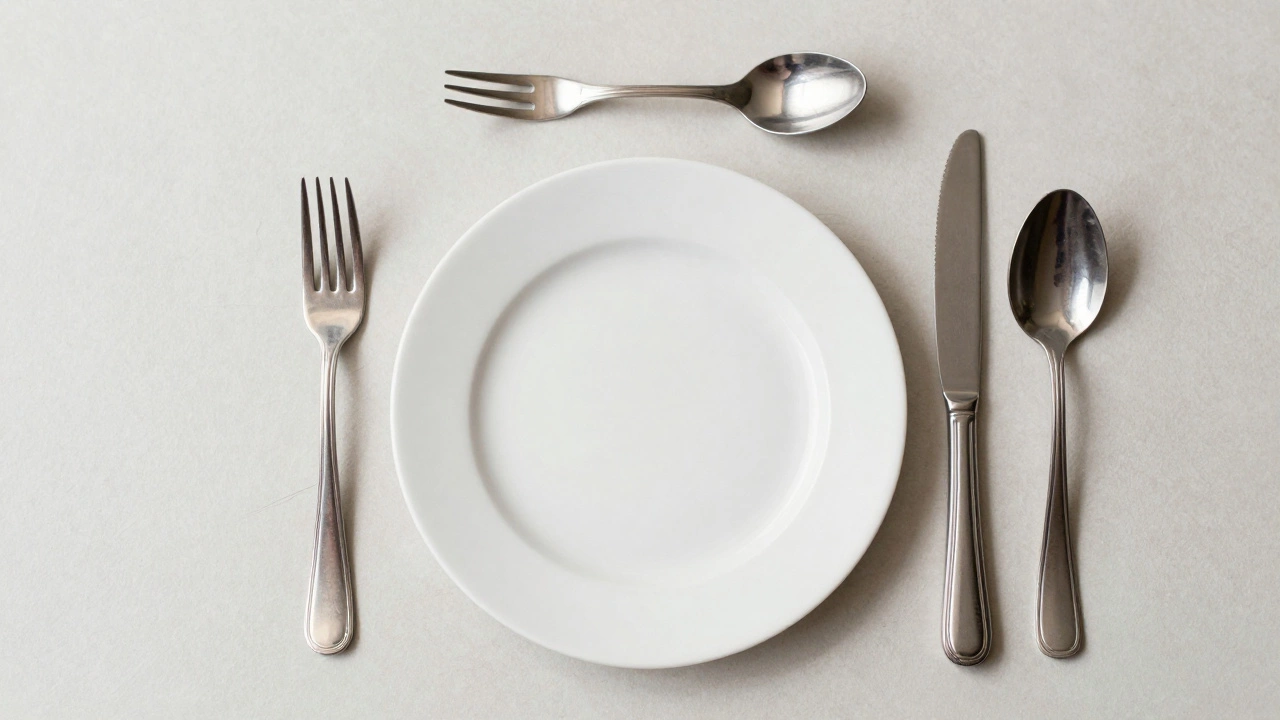
To truly understand how a spoon and fork fit into the bigger picture, you need to look at the concept of the place setting. A complete place setting typically includes multiple pieces of cutlery arranged in a specific order. Here is how the spoon and fork interact within that structure.
| Utensil Type | Position | Primary Use | Material Commonality |
|---|---|---|---|
| Fork | Left of the plate | Piercing and lifting food (salads, mains) | Stainless Steel |
| Knife | Right of the plate (blade facing in) | Cutting food | Stainless Steel |
| Tablespoon / Teaspoon | Right of the knife | Eating soups, desserts, stirring beverages | Stainless Steel |
| Dessert Fork/Spoon | Above the plate | Secondary course consumption | Smaller Stainless Steel |
Notice that the spoon and fork are never isolated. They are part of a system. When you buy a "18-piece cutlery set," you are usually getting six forks, six knives, and six spoons. The ratio is 1:1:1. If you lose the knives, you are left with mismatched pairs, but the individual items retain their identity.
Regional Differences: Why Words Matter
Language evolves based on culture and history. The difference between calling your utensils "cutlery" or "flatware" isn't just pedantic-it reflects how different cultures view dining.
In the United Kingdom, the term "cutlery" persists because the knife was historically the most important tool at the table. Everyone brought their own knife (a "dagger") to communal meals. The fork was a later addition, and the spoon was ubiquitous. Thus, the collection was named after the cutting instrument. Today, even if you don't use a knife, you still go to the "cutlery drawer."
In the United States, the shift to "flatware" occurred as mass production took over. Utensils were no longer precious heirlooms made of silver; they were manufactured goods stored flat in drawers. The term emphasizes utility and storage rather than the action of cutting or the material of silver.
In New Zealand and Australia, the British influence remains strong. You will hear "cutlery" far more often than "flatware." If you walk into a hardware store here, you won't find a section labeled "Flatware." It will be "Cutlery & Kitchen Tools."
Materials That Define the Name
Another factor in naming is the material. While "stainless steel" is the dominant material today, other materials carry specific weights in terminology.
- Sterling Silver: If your spoon and fork are made of 92.5% pure silver, they are unequivocally "silverware." These require polishing and care. They are often passed down through generations.
- Nickel Silver: Despite the name, this contains no silver. It is an alloy of copper, nickel, and zinc. It looks like silver but is tarnish-resistant. It is often used in mid-range cutlery sets.
- Stainless Steel: The modern standard. It is durable, rust-resistant, and affordable. Most "flatware" sold today falls into this category.
- Titanium: Gaining popularity in outdoor and travel gear. Lightweight and incredibly strong. A titanium spoon and fork set is often called "travel cutlery" or "eco-utensils."
If you are describing a spoon and fork made of bamboo or wood, you would likely call them "wooden utensils" or "biodegradable cutlery." The material can override the standard metal-based terminology.
Practical Tips for Hosting and Buying
Understanding the terminology helps you make better decisions when shopping or setting a table. Here are some practical insights.
When Buying: If you are searching online for a spoon and fork combination, avoid searching for "spoon and fork set" alone, as results may be cluttered with baby feeding sets or novelty items. Instead, search for "dinner fork and tablespoon set" or "dessert fork and spoon set" depending on the size you need. Always check the piece count. An 8-piece set might sound large, but it could be four forks and four spoons, leaving you without knives.
When Hosting: If you are serving a meal that doesn't require cutting (like pasta, rice bowls, or pre-cut salads), you can simplify the place setting by offering only a fork and spoon. This is perfectly acceptable and reduces cleanup. Just ensure the spoon is the correct size-a teaspoon for coffee, a tablespoon for soup, or a dessert spoon for sweets. Mismatched sizes confuse guests.
Storage: Whether you call it a cutlery tray or a flatware organizer, keep similar items together. Mixing heavy tablespoons with delicate dessert spoons can cause damage. Separate compartments preserve the finish of the metal, especially if you are using softer metals like aluminum or coated plastics.
Common Misconceptions
There are a few myths surrounding cutlery names that persist in everyday conversation.
Myth 1: "Silverware" must contain silver. As mentioned, this is false. In common parlance, any metal utensil is silverware. However, in high-end dining or antique collecting, the distinction matters. If you are selling vintage items, always specify "sterling" if it contains real silver.
Myth 2: There is a specific word for a fork and spoon pair. People often invent words like "forkoon" or "sporf." These are not recognized in any dictionary. Stick to "cutlery pair" or "flatware duo" if you need to be descriptive.
Myth 3: Knives are optional in all settings. While you can eat many foods with just a fork and spoon, formal etiquette dictates that a knife should be present for any meal requiring cutting. Omitting it changes the nature of the meal from formal to informal.
Conclusion: Choosing the Right Word
So, what is a spoon and fork together called? It depends on who you are talking to. If you are in London, Sydney, or Wellington, call it cutlery. If you are in New York or Toronto, call it flatware. If you are nostalgic or referring to expensive heirlooms, call it silverware.
Regardless of the name, these tools are fundamental to the dining experience. They bridge the gap between raw ingredients and enjoyed meals. Understanding the terminology ensures you communicate clearly, whether you are ordering replacements online, instructing staff at a restaurant, or simply explaining to a child why we use different spoons for different foods.
Next time you sit down to eat, take a moment to look at your utensils. Are they shiny stainless steel? Heavy silver? Lightweight titanium? Knowing what they are called adds a layer of appreciation to the simple act of eating.
Is a spoon and fork considered a complete place setting?
No, a standard complete place setting typically includes a fork, knife, and spoon. A spoon and fork alone constitute an informal or partial place setting, suitable for meals that do not require cutting, such as salads, pasta, or desserts.
What is the difference between flatware and cutlery?
The primary difference is regional. "Cutlery" is the preferred term in the UK, Australia, and New Zealand, originating from the word "knife." "Flatware" is the standard term in the US and Canada, referring to the fact that the utensils lay flat in storage. Both terms refer to the same objects: forks, knives, and spoons.
Can I call plastic utensils silverware?
Colloquially, yes. Many people use "silverware" to refer to any eating utensil, regardless of material. However, technically, silverware implies the presence of silver. For accuracy, it is better to call plastic utensils "disposable cutlery" or "plastic flatware."
What is a dessert fork and spoon set called?
A dessert fork and spoon set is often referred to as a "dessert service" or "dessert cutlery." These pieces are smaller than standard dinner forks and tablespoons and are typically placed above the dinner plate during formal settings.
Why is it called cutlery if it includes spoons and forks?
The term "cutlery" derives from the Old French word "coutele," meaning knife or dagger. Historically, the knife was the most significant utensil at the table, as diners often brought their own blades. Over time, the term expanded to include the entire set of eating utensils, even those without cutting edges.