Mirror Quality Checker
Evaluate mirror quality using the six key criteria from the article. Answer each question to get your mirror's quality assessment.
Quality Assessment
Ever bought a mirror that looked fine in the store, only to hang it at home and notice your face looks stretched, or the edges glow with a weird green tint? You’re not alone. A lot of mirrors on the market look shiny and cheap at the same time - and you won’t know until you’re stuck with it. The difference between a good mirror and a bad one isn’t just about price. It’s about how the glass is made, how the backing is applied, and whether it’ll last more than a year without warping or fogging.
Look at the reflection - not the frame
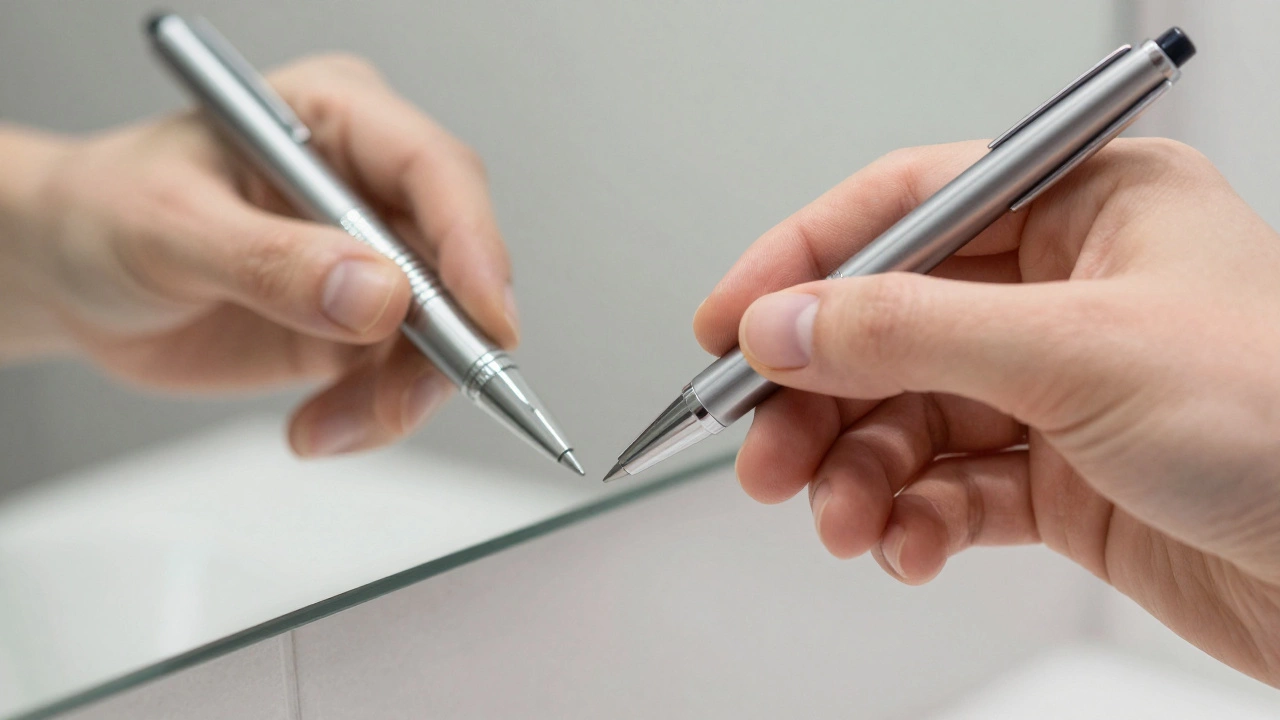
The frame hides a lot. What matters is what’s behind it. Hold a pen or your finger up against the mirror’s surface. In a low-quality mirror, you’ll see a visible gap between your finger and its reflection. That gap means the glass is thin, and the silver backing is applied over a layer of air or plastic. A good mirror has the reflective layer directly on the back of thick, flat glass. Your finger and its reflection should touch - no gap. If there’s even a millimeter of space, the mirror isn’t made for accuracy.Check for color distortion
A true mirror reflects color exactly as it is. Bad mirrors tint everything. Look at white walls, white shirts, or even your own skin in the mirror. If everything looks slightly green, blue, or yellow, the glass has impurities or the backing is low-grade. High-quality mirrors use float glass made from pure silica and a 99% pure silver coating. That’s why mirrors in high-end bathrooms or dressing rooms don’t make you look washed out. If you’re shopping online, look for terms like "color-accurate" or "true reflection." Avoid anything that says "decorative" unless you’re okay with a tinted effect.Feel the weight
Weight isn’t just about bulk - it’s about density. A good mirror uses 4mm or thicker glass. That’s the standard for full-length mirrors and bathroom mirrors that need to stay flat over time. Thin mirrors, often 2mm or less, are lightweight and bend slightly under their own weight. That’s why they warp. Pick up the mirror (if you can). If it feels flimsy, like a plastic sign, it’s not built to last. A solid mirror feels heavy - not because it’s overbuilt, but because the glass is thick enough to stay rigid. A 24x36 inch mirror with 4mm glass weighs about 6 kilograms. Anything under 4kg for that size is a red flag.Inspect the edges
The edges tell you how the mirror was finished. A cheap mirror will have rough, chipped, or uneven edges. They’re often sealed with cheap paint or tape to hide the damage. A good mirror has smooth, polished edges - either beveled or rounded. Look closely. If you see a white or gray line along the edge, that’s the glass backing exposed. That means the silver coating wasn’t properly sealed. Moisture gets in, and over time, the mirror starts to fog or develop black spots. That’s called "silver rot." It’s irreversible. If the edges are clean and sealed with a durable black or metallic edge coating, you’re looking at a mirror that’ll last decades.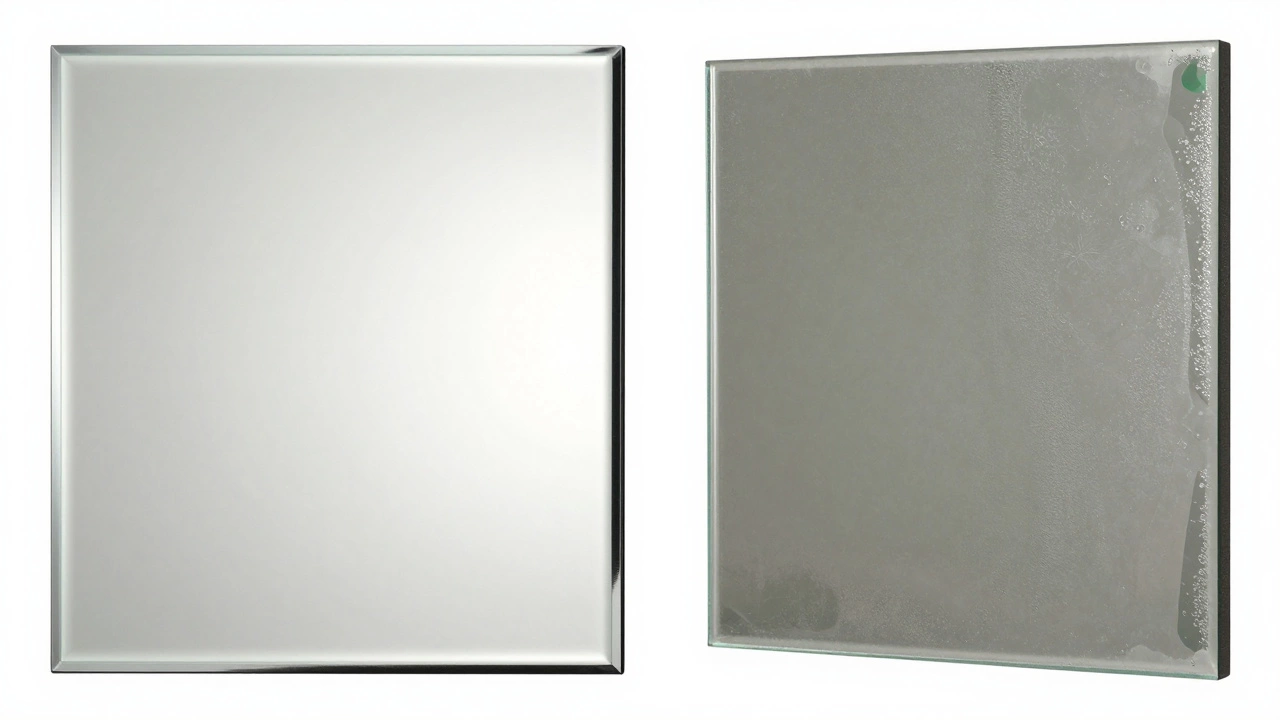
Test the backing
Hold the mirror at an angle under bright light. Look for dark spots, cloudy patches, or uneven shine. A good mirror has a uniform, bright silver backing across the entire surface. If you see patches that look dull, grainy, or have a rainbow-like shimmer, the silver was sprayed unevenly or mixed with aluminum. Some manufacturers cut costs by using aluminum instead of silver. Aluminum is cheaper, but it tarnishes faster and reflects less light. You’ll notice it in low-light rooms - the reflection looks dimmer, less crisp. Silver backing reflects 95% of light. Aluminum reflects only 85%. That difference matters.Look for certification
Not all mirrors are created equal, and some are tested. Look for the ANSI Z97.1 or EN 12150 certification on the label or packaging. These standards test for safety and durability - especially important if the mirror is for bathrooms or children’s rooms. Certified mirrors are made to resist shattering and maintain structural integrity under humidity and temperature changes. If the mirror doesn’t mention certification, assume it’s made for temporary use. You wouldn’t buy a showerhead without checking if it’s rated for hot water. Don’t buy a mirror without checking if it’s rated for moisture.Compare with a known good mirror
If you’re shopping in person, bring a mirror you already know is good - maybe one from a bathroom you’ve had for ten years without issues. Hold them side by side. Look at the same object in both. Which one gives you a clearer, brighter, truer image? The better mirror will feel more alive. Colors pop. Details are sharper. Shadows are crisp. That’s the difference between mass-produced glass and craftsmanship.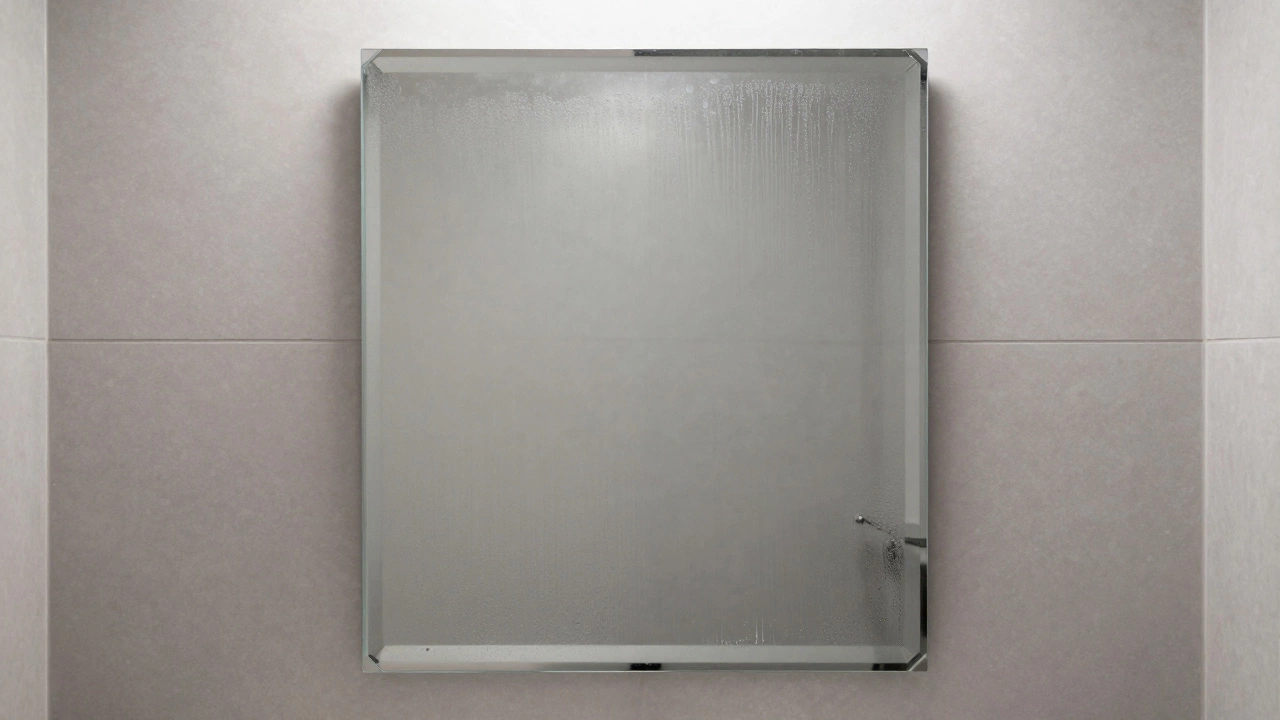
What to avoid
Avoid mirrors labeled "antique finish," "distressed," or "frosted" if you need a clear reflection. These are decorative, not functional. They’re made to look old or artsy, not to show you accurately. Also skip mirrors with plastic frames glued directly to the glass. That’s a sign the manufacturer didn’t want to invest in proper mounting. The glue cracks over time, and the mirror becomes unsafe.Where to buy good mirrors
You don’t need to spend a fortune. Look for brands that specialize in mirrors - like IKEA’s "MILS" series, or local glass shops that cut to size. Online retailers like Wayfair and Amazon have filters for "tempered glass" and "silver-backed." Read reviews carefully. Look for comments like "no green tint," "heavy and solid," or "reflection is true." Avoid listings with only five-star reviews and no photos from real users.How long should a good mirror last?
A well-made mirror with thick glass, proper silver backing, and sealed edges should last 20 to 30 years - even in humid bathrooms. The frame might wear out, but the glass won’t. Cheap mirrors start showing damage in 2 to 5 years. Black spots, fogging, or warping are signs you got a product made for quick turnover, not long-term use.Final checklist before buying
- Does your finger touch its reflection? (No gap = good)
- Is the reflection color-neutral? (No green, blue, or yellow tint)
- Is the glass at least 4mm thick? (Feel the weight)
- Are the edges smooth and sealed? (No exposed glass or tape)
- Is the backing uniform and bright? (No cloudy patches)
- Is there a safety certification? (ANSI or EN 12150)
If you check all these, you’ve got a mirror that won’t just look good - it’ll perform well for years. A mirror isn’t just a surface. It’s a tool. And like any tool, quality matters.
How do I know if a mirror is safe for a bathroom?
Look for a mirror with tempered glass and a certification like EN 12150. Tempered glass breaks into small, dull pieces instead of sharp shards, which is critical in wet areas. Also make sure the edges are sealed to prevent moisture from seeping in and causing silver rot. Avoid mirrors with plastic frames or unsealed backs in bathrooms.
Can a mirror get worse over time?
Yes. Cheap mirrors with thin glass or aluminum backing can develop black spots, fogging, or warping due to humidity and poor sealing. This is called silver rot. It starts at the edges and spreads inward. Once it begins, you can’t fix it - you have to replace the mirror. Good mirrors with thick glass and sealed silver backing won’t degrade for decades.
Is a heavier mirror always better?
Not always, but usually. Weight comes from glass thickness. A 4mm glass mirror is significantly heavier than a 2mm one, and that thickness prevents warping. If a mirror feels unusually light for its size, it’s likely too thin to stay flat. However, some large mirrors use lightweight backing materials - just make sure the glass itself is still 4mm or thicker.
What’s the difference between silver and aluminum backing?
Silver backing reflects 95% of light and gives a true, bright image. Aluminum reflects only about 85% and tends to dull over time, especially in humid environments. Aluminum is cheaper and used in discount mirrors. You’ll notice the difference in dim lighting - silver-backed mirrors still look crisp; aluminum-backed ones look washed out.
Should I buy a mirror with a beveled edge?
A beveled edge is a design choice, not a quality indicator. It doesn’t make the mirror better or worse - just more decorative. What matters is whether the edge is polished and sealed. A poorly sealed bevel can let moisture in faster. Focus on the backing and glass thickness first, then choose the edge style you like.