Shelf Selector Quiz
This quiz helps you determine which shelf type is best for your specific situation. Based on your answers about your storage needs, environment, and maintenance preferences, we'll recommend whether wood or wire shelves are right for you.
Where will you install the shelves?
What will you be storing?
How much time do you want to spend on cleaning and maintenance?
How important is aesthetics to you?
When you’re organizing your kitchen, garage, or closet, the choice between wood and wire shelves isn’t just about looks-it affects how much you can store, how easy it is to clean, and even how long the shelves will last. You might think one is clearly better, but the truth is, each has strengths that fit different needs. So which one should you pick? Let’s break it down with real-world use cases, not just theory.
Wood Shelves: Warmth, Strength, and Weight Capacity
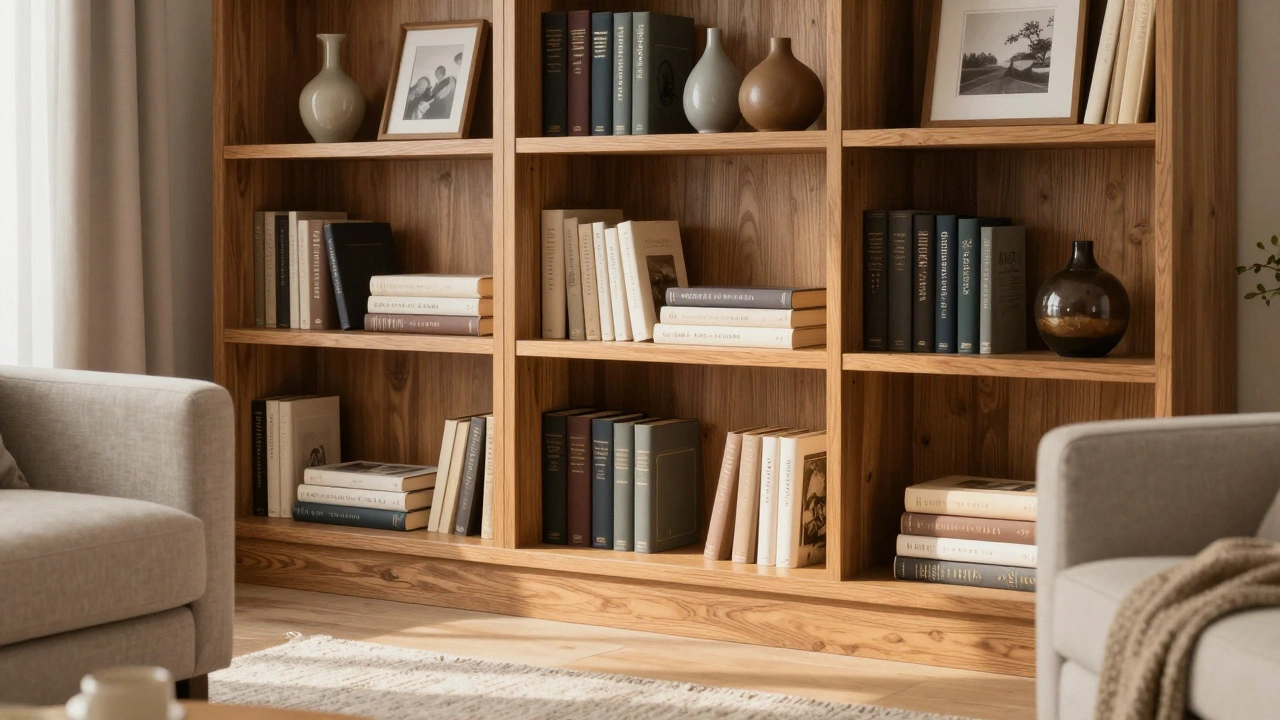
Wood shelves bring a natural, grounded feel to any room. Whether it’s oak, pine, or bamboo, they add texture and warmth that metal or plastic can’t match. If you’re storing books, decorative items, or kitchenware on display, wood gives your space a lived-in, cozy vibe.
They’re also strong. A standard 3/4-inch pine shelf, properly supported, can hold up to 50 pounds per linear foot. Hardwoods like oak or maple can handle even more-up to 75 pounds per foot. That means you can stack heavy cookbooks, ceramic dishes, or bins of winter clothes without worrying about sagging.
But wood has downsides. It’s not moisture-resistant. If you put a wood shelf in a damp basement or right next to the sink, it can warp, swell, or develop mold over time. In Wellington’s rainy climate, that’s a real concern. You’ll need to seal it properly or avoid using it in high-humidity areas.
Wood shelves also require more maintenance. Dust collects in grain patterns, and spills need quick cleanup to avoid staining. They’re heavier to install, too. You can’t just hang them with a few nails-you need anchors, levelers, and sometimes professional help if you’re mounting them on plaster walls.
Wire Shelves: Light, Ventilated, and Low-Maintenance
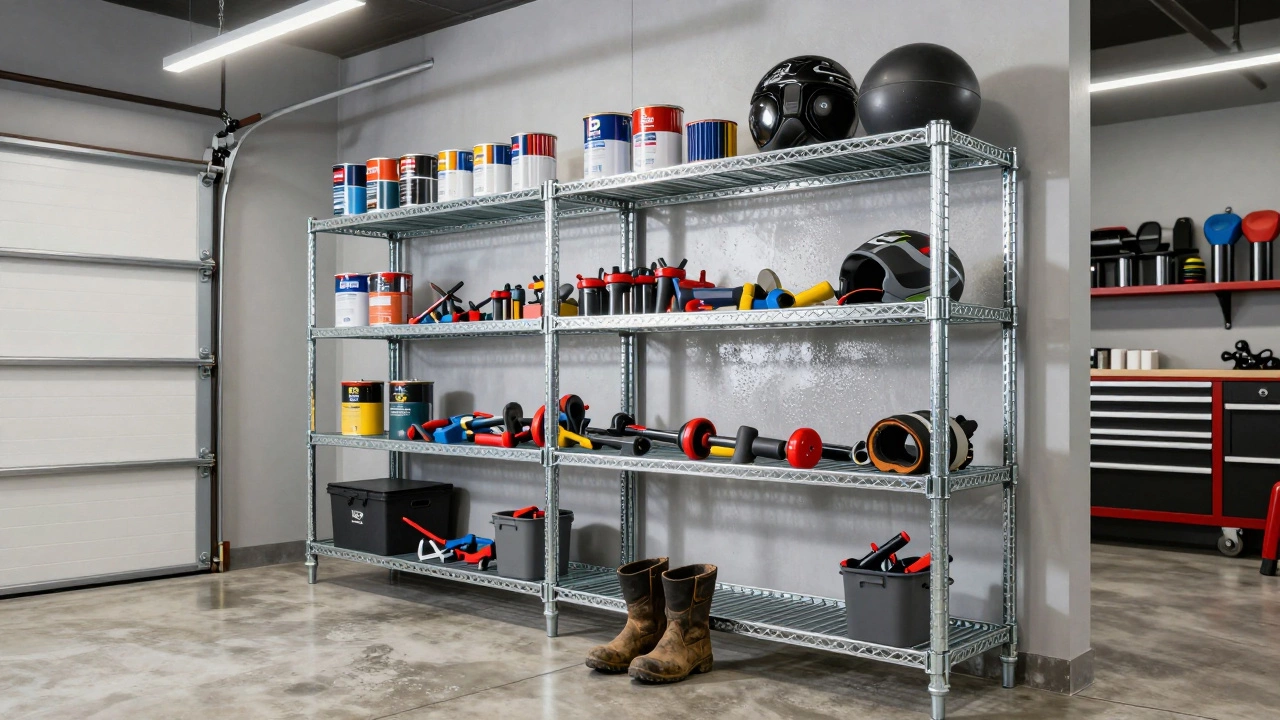
Wire shelves are the workhorses of storage. Made from galvanized steel or coated metal, they’re designed for durability and airflow. That’s why you see them in pantries, garages, and industrial settings. The open design lets air circulate, which prevents mildew and helps items dry faster-perfect for damp towels, gardening tools, or wet boots.
They’re also easy to clean. A quick wipe with a damp cloth or a blast from a hose (yes, really) clears dust and grime. No corners for mold to hide in. And because they’re lightweight, you can install them yourself with basic tools. Most come with adjustable height options, so you can reconfigure them as your storage needs change.
Wire shelves hold less weight than wood. A typical 16-gauge steel shelf supports around 30-40 pounds per foot. That’s fine for canned goods, boxes, or folded laundry-but not for a stack of encyclopedias or heavy pottery. If you overload them, they can bend or sag, especially if the brackets aren’t secured to studs.
They also don’t look as nice in living spaces. The industrial look can feel cold or sterile if you’re going for a cozy aesthetic. But that’s fixable: add a woven basket on top, or paint the frame with a matte black spray for a modern twist.
Where Wood Shelves Shine
- Bookshelves in the living room - Wood looks elegant and holds heavy volumes without flexing.
- Display shelves in the dining room - Fine china, glassware, or collectibles look better on a solid, flat surface.
- Bedroom closets - If you’re storing sweaters, scarves, or folded jeans, wood gives a cleaner, more organized look than wire.
- Home offices - Laptops, printers, and stationery sit neatly on wood without slipping or sliding.
Wood works best where you want to show off items, not just hide them. It’s the shelf you choose when appearance matters as much as function.
Where Wire Shelves Win
- Garage storage - Tools, paint cans, sports gear-they all benefit from airflow and easy cleaning after muddy boots or oily hands.
- Pantry shelves - Canned goods, boxes, and bags stay dry. No hidden moisture pockets like you get with wood.
- Basement or laundry room - In damp environments, wire prevents mold. Wood would rot.
- Seasonal storage - Holiday decorations, winter coats, or summer toys can be stacked and accessed quickly. Wire shelves are easy to reorganize.
Wire shelves are the go-to for practicality over polish. If your goal is to store more, clean faster, and adapt easily, wire wins every time.
Real-World Trade-Offs
Here’s a quick comparison of what you’re really buying:
| Feature | Wood Shelves | Wire Shelves |
|---|---|---|
| Weight Capacity | 50-75 lbs per foot | 30-40 lbs per foot |
| Moisture Resistance | Poor (needs sealing) | Excellent |
| Installation Difficulty | Hard (requires anchors, leveling) | Easy (snap-together, adjustable) |
| Cleaning | Harder (dust traps in grain) | Easy (wipe or hose down) |
| Aesthetic Appeal | Warm, natural, premium | Industrial, utilitarian |
| Cost (per linear foot) | $15-$40 | $8-$20 |
| Lifespan | 10-20+ years (with care) | 15-25+ years (rust-resistant coatings) |
Notice something? Wire shelves cost less, last longer, and handle moisture better. But wood gives you style and strength. You’re not just choosing a shelf-you’re choosing a storage philosophy.
Hybrid Solutions: Why Not Both?
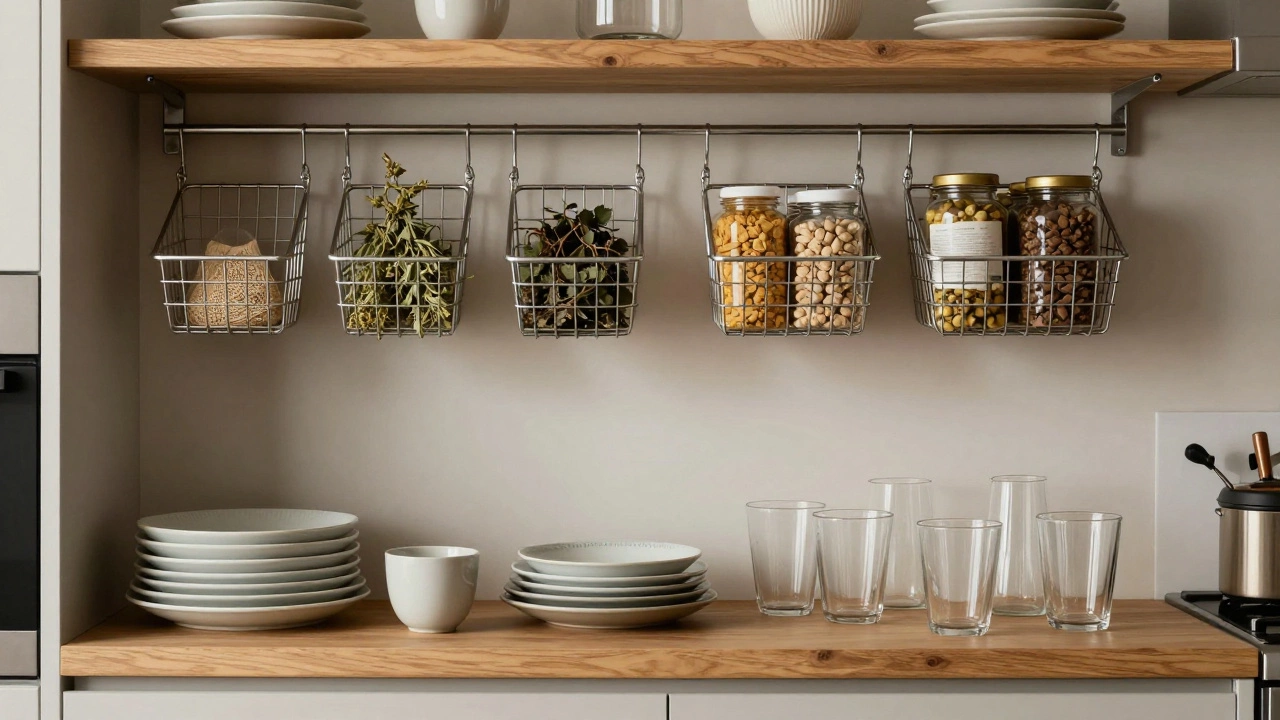
You don’t have to pick one. Many people mix both types. Use wood in the living room for books and decor. Use wire in the garage for tools and the pantry for canned goods. Even in one room, you can combine them: a wood base with wire baskets on top for better airflow.
Some modern systems let you attach wire baskets to wood frames. That gives you the look of wood with the function of wire. Brands like Elfa and ClosetMaid offer these hybrid options-they’re pricier, but worth it if you want both beauty and practicality.
What Experts Recommend
Home organizers in New Zealand, where dampness is a constant issue, often suggest wire for basements, laundry rooms, and garages. For living areas, they lean toward solid wood or engineered wood with waterproof finishes. One professional organizer in Christchurch told me: “I’ve seen too many wood shelves in kitchens turn into mold farms. Wire doesn’t lie-it tells you when it’s time to clean.”
And when it comes to budget? Wire shelves are the smartest investment if you’re storing things you don’t need to see. Wood is worth the extra cost if you’re displaying things you want to admire.
Final Decision Guide
Still unsure? Ask yourself these three questions:
- Where will the shelf go? Damp or humid? Go wire. Dry and visible? Go wood.
- What are you storing? Heavy, delicate, or decorative items? Wood. Light, bulky, or messy items? Wire.
- How much time do you want to spend cleaning? Less effort? Wire. Don’t mind dusting? Wood.
If you’re still stuck, start with one wire shelf in your garage or pantry. Try it for a month. Then add a wood shelf in your living room. See how each feels in real life. You might not need to choose one forever.
Frequently Asked Questions
Can wire shelves hold heavy books?
Wire shelves aren’t ideal for heavy books. Most support 30-40 pounds per foot, which works for paperback novels or small textbooks-but not a full set of hardcovers. For books, use wood or reinforced metal shelves with solid tops. Otherwise, the books will sag the wires over time.
Do wood shelves warp in New Zealand’s climate?
Yes, especially if they’re not sealed or placed in damp areas. Wellington’s humidity can cause untreated wood to swell or crack. Use hardwoods like oak or teak, or choose engineered wood with a moisture-resistant finish. Avoid pine in bathrooms or basements unless it’s properly sealed.
Are wire shelves noisy when you move things on them?
Sometimes, especially if the shelves aren’t level or the items slide. Metal can clink or rattle. To reduce noise, line the shelves with rubber strips, felt pads, or non-slip mats. You can also use baskets or bins to keep items from shifting.
Can I paint wood shelves to match my decor?
Absolutely. Sand the surface lightly, clean off dust, and use a primer designed for wood. Then apply two coats of interior paint or chalk paint. Many people paint wood shelves white, black, or pastel tones to match modern interiors. Just avoid oil-based paints-they take too long to dry and can yellow over time.
Which is more cost-effective long-term: wood or wire?
Wire shelves win on long-term value. They’re cheaper upfront, last longer in humid conditions, and rarely need replacing. Wood can be more expensive and requires maintenance-sealing, sanding, or refinishing every few years. But if you’re investing in a high-end look and don’t mind upkeep, wood’s durability with care makes it worth the price.
Next Steps
Start by auditing your current storage. What’s cluttering your space? Is it wet towels in the laundry room? Heavy books on a wobbly shelf? Identify the problem areas first. Then match the shelf type to the environment and the items you’re storing.
If you’re upgrading your pantry, grab a set of wire shelves. If you’re building a bookshelf for your reading nook, choose solid wood. And if you’re still torn? Try both. Buy one of each and test them in different rooms for a week. The right choice becomes obvious once you live with them.