Bedroom Declutter Decision Simulator
Staring at a pile of clothes? Use this simulator to make quick, rational decisions about what stays and what goes.
Recommended Action:
Quick Reference: The 4 Piles
- Used regularly
- Fits well & looks good
- Brings joy
- High value brands
- Good condition
- Not needed anymore
- Good condition
- Not right for you
- Helps others
- Broken/Stained
- End of life
- No repair worth it
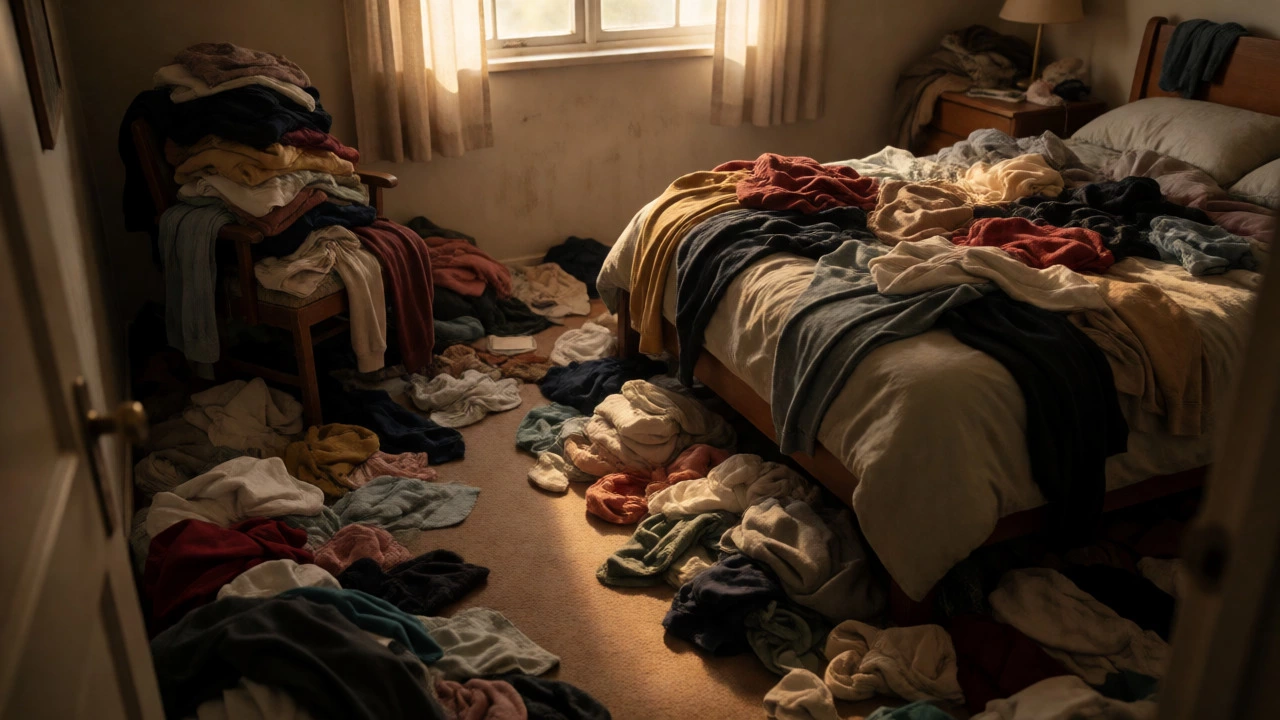
You walk into your bedroom and feel that familiar tightness in your chest. The floor is covered in laundry, the chair has become a clothes mountain, and you can barely see your bed frame. Sound familiar? You are not alone. Most of us treat our bedrooms as dumping grounds for everything we don't know what to do with. But here is the truth: bedroom organization isn’t about buying fancy bins; it’s about making hard decisions about what stays and what goes.
If you have too much stuff, no amount of shelving will save you. You need a strategy. This guide walks you through exactly how to reclaim your space without spending a fortune or losing your mind. We’ll cover decluttering, smart storage hacks, and maintenance habits that actually stick.
The Quick Fix: Key Takeaways
- Declutter first: Never buy storage containers until you’ve removed at least 30% of your items.
- Use vertical space: Walls and under-bed areas are wasted real estate in most homes.
- The One-Year Rule: If you haven’t worn it or used it in 12 months, let it go.
- Zoning matters: Assign specific functions to different parts of the room (sleep, dress, relax).
- Maintenance beats cleaning: Spend 5 minutes daily tidying instead of 5 hours on weekends.
Step 1: The Brutal Decluttering Process
Before you touch a single hanger, you need to clear the decks. Decluttering is the process of removing unnecessary items from your living space to reduce visual noise and improve functionality. It feels emotional because our possessions often hold memories or identity markers. But holding onto things you never use just clutters your mental space too.
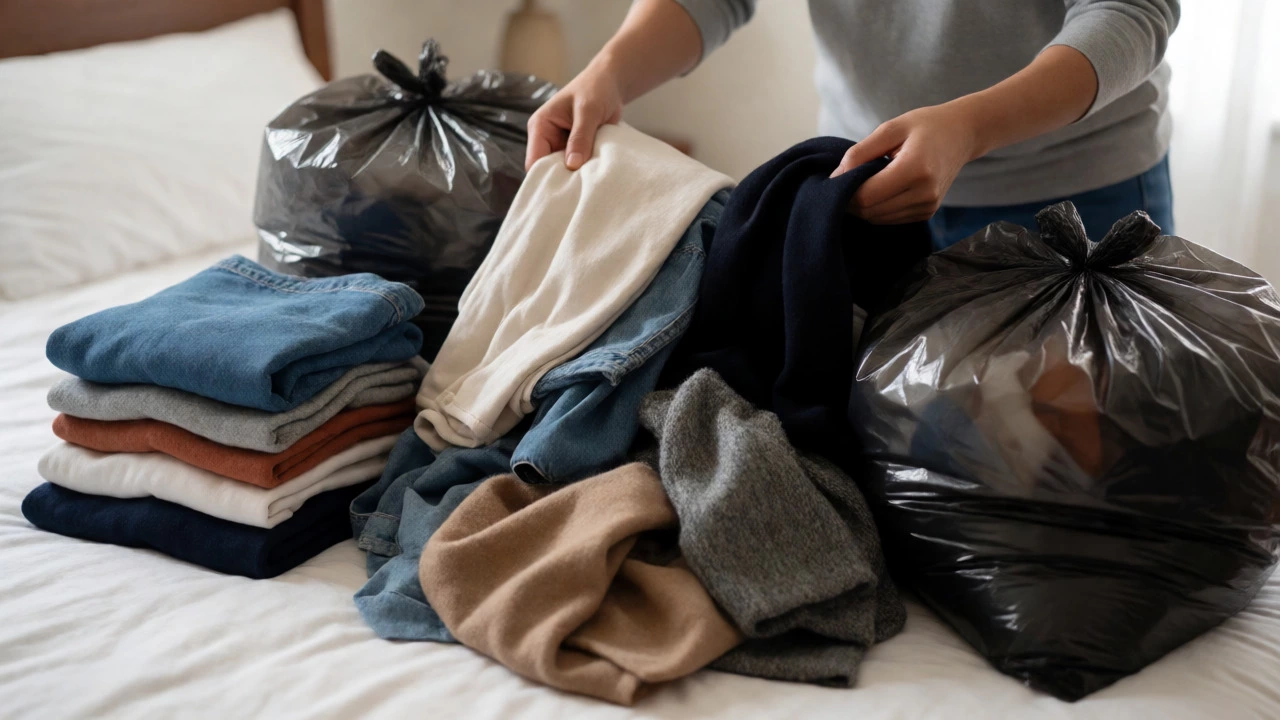
Start by taking everything out of your closets and drawers. Yes, everything. Pile it on the bed. This might sound overwhelming, but seeing the sheer volume of your belongings is the only way to realize how much excess you’re carrying. Sort these items into four distinct piles:
- Keep: Items you use regularly and love.
- Sell: High-value items like designer coats or electronics that could fetch cash.
- Donate: Good condition items that just aren’t right for you anymore.
- Toss: Broken, stained, or worn-out items that have reached the end of their life.
A common mistake is trying to sort while looking at each item individually. Instead, handle every single piece. Ask yourself: "Have I worn this in the last year?" If the answer is no, and it doesn’t have sentimental value that outweighs the space it takes up, move it to the donate pile. Be ruthless. Your future self will thank you when you can actually find your socks.
Step 2: Maximizing Vertical Space
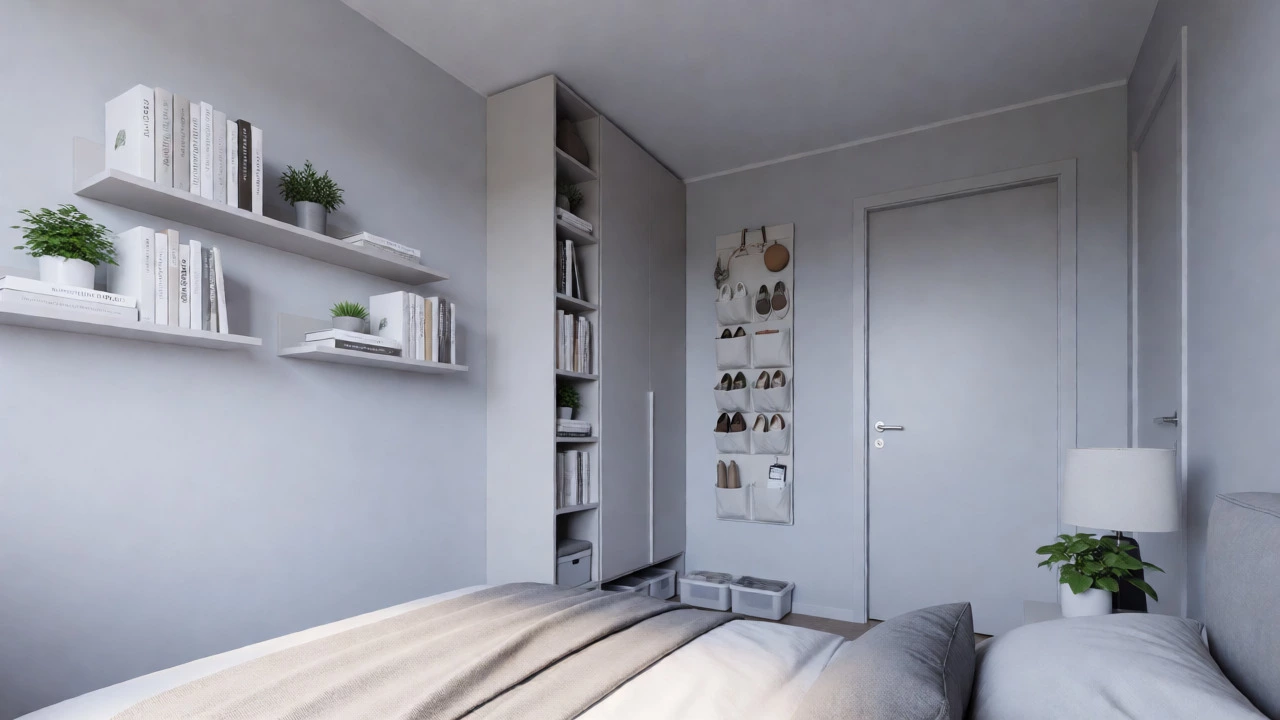
Once the clutter is gone, look up. Most people ignore wall space, treating it as dead air. In a small or cluttered bedroom, walls are your best friend. Installing floating shelves above your bed or desk creates storage without eating up floor area. This is especially crucial if you live in an apartment where square footage is expensive.
Consider adding a tall, narrow bookcase rather than a wide one. It draws the eye upward, making the room feel taller and more open. Use the top shelves for seasonal items you rarely access, like holiday decorations or winter blankets. Keep the eye-level shelves for books, plants, or decor that brings you joy.
Don’t forget the back of doors. Over-the-door organizers are cheap and effective for storing shoes, accessories, or even toiletries. They turn unused flat surfaces into functional storage units instantly. Just make sure the door can still close properly! If you rent, look for adhesive hooks or tension rods inside closets to add hanging space without drilling holes.
Step 3: Smart Closet Organization
Your closet is likely the epicenter of chaos. To fix it, you need to think in zones. Closet organization relies on grouping similar items together and placing them based on frequency of use. Frequently worn items should be at arm’s reach. Rarely used items can go higher up or lower down.
Here is a proven layout strategy for a standard closet:
| Zone | Items to Store | Storage Solution |
|---|---|---|
| Eye Level | Daily work clothes, favorites | Uniform velvet hangers |
| Waist Level | Pants, skirts, folded tops | Drawer dividers or shelves |
| Knee Level | Shoes, bags | Clear shoe boxes or racks |
| Above Head | Seasonal gear, luggage | Soft fabric bins |
Switching to uniform hangers makes an immediate visual difference. Mismatched plastic and wire hangers create visual noise. Velvet or wooden hangers in a single color streamline the look and prevent clothes from slipping off. For folded items, use drawer dividers. Without them, stacks collapse every time you pull something out, leading to that dreaded "drawer explosion."
Step 4: Under-Bed Storage Hacks
If your bedroom is cramped, the space under your bed is prime real estate. Many modern beds come with built-in drawers, but if yours doesn’t, you can easily add rolling storage bins. Measure the height clearance before you buy anything. You want bins that slide in and out smoothly without scraping the floor.
What belongs under the bed? Think low-priority items. Off-season clothing, extra bedding, or workout gear you don’t use daily. Avoid storing shoes directly under the bed if they smell, unless you keep them in breathable canvas bags. Also, avoid using under-bed space for things you need quickly in the morning, like keys or wallets. That’s a recipe for frustration.
A pro tip: Label your bins clearly. Use a label maker or bold marker tape. When you’re digging for a sweater in July, you don’t want to rummage through three identical plastic tubs to find out which one holds your summer dresses.
Step 5: Managing Nightstands and Surfaces
Nightstands are notorious for accumulating junk. Books, glasses, chargers, tissues, lotions-it all ends up there. If your nightstand looks like a disaster zone, you’re starting and ending your day with stress.
Limit your nightstand to three categories: light source, current read, and essentials (like water or meds). Everything else needs a home elsewhere. If you charge your phone overnight, hide the charger inside a decorative box or use a cable management clip attached to the side of the table. Visible cords make a tidy room look messy.
Consider replacing bulky bedside tables with wall-mounted sconces and a small floating shelf. This frees up floor space and reduces the surface area available for clutter to accumulate. Less surface equals less dusting and less temptation to dump random objects.
Step 6: Maintenance Habits That Stick
Organization isn’t a one-time event; it’s a habit. The reason many people fail after a big clean-up session is that they don’t change their daily routines. You need systems that require minimal effort to maintain.
Implement the "One In, One Out" rule. Every time you buy a new shirt, donate an old one. This prevents accumulation over time. Another powerful habit is the "15-Minute Reset." Set a timer for 15 minutes once a week. During this time, put away any stray items that ended up in the wrong place. Do not deep clean. Just reset the room to its baseline state.
Finally, address the "Chair." That pile of clothes on the chair is a symbol of indecision. Make a rule: nothing sits on the chair for more than 24 hours. Either hang it up, fold it, or wash it. Breaking the cycle of temporary storage is key to keeping a bedroom organized long-term.
How do I organize a small bedroom with no closet?
Focus on freestanding furniture like wardrobes or open shelving units. Use vertical space heavily with tall bookcases. Consider a bed with built-in storage drawers to maximize hidden capacity. Utilize the back of doors for hanging organizers and keep floor space clear by mounting lights on the wall instead of using lamps.
What is the fastest way to declutter a bedroom?
The fastest method is the "Bag Method." Grab two large trash bags. Walk around the room and fill one bag with obvious trash (wrappers, empty bottles) and the other with items that don’t belong in the bedroom (dishes, laundry). Removing these non-bedroom items immediately clears visual space and gives you momentum to tackle deeper sorting tasks.
Should I buy storage bins before or after decluttering?
Always declutter first. Buying storage before you know exactly what you’re keeping leads to buying the wrong sizes or quantities. Once you’ve sorted your items, measure the remaining inventory and the available space. Then purchase bins that fit those specific dimensions. This saves money and prevents creating new clutter with empty or ill-fitting containers.
How do I stop my bedroom from getting messy again?
Establish a nightly 5-minute tidy routine. Put away clothes, clear the nightstand, and make the bed. Also, limit the number of items allowed in the room. If you don’t have space for it, don’t bring it in. Consistency is more important than intensity; small daily actions prevent the massive weekend cleanup marathons.
What are the best storage solutions for shoes?
For limited space, clear stackable shoe boxes are excellent because they protect shoes from dust and allow you to see contents. Over-the-door pockets work well for flats and sandals. If you have a closet, install a tiered shoe rack on the floor or mount a rail system to hang shoes vertically, saving significant floor space.