Let’s be real-no one wants to step out of bed onto a cold, scratchy floor. Or walk barefoot across a rug that feels like walking on sandpaper. The right rug can turn your home from just functional to genuinely cozy. But with so many options out there-shag, wool, synthetic, looped, cut pile-how do you know which one is actually the most comfortable? It’s not just about looks. It’s about how your feet feel when you step on it. And the answer isn’t as simple as picking the fluffiest one.
Plush Pile Rugs: The Cloud Under Your Feet
If comfort is your top priority, plush pile rugs are the gold standard. These rugs have tightly twisted fibers that are cut short, creating a dense, velvety surface. Think of walking on a thick carpet in a luxury hotel. That’s the feeling. Plush rugs are made from materials like nylon, polyester, or wool, and the denser the pile, the better they absorb pressure. A good plush rug has a pile height between 0.5 and 1 inch. Anything shorter feels flat; anything longer starts to trap dirt and loses structure.
What makes plush rugs so comfortable? The fibers are packed so tightly they form a cushioned layer that gives slightly underfoot. That’s why they’re popular in bedrooms and living rooms where you spend time barefoot. They don’t compress like a foam mattress, but they don’t bounce back either. It’s a gentle, steady sink that feels like walking on warm clouds. A 2024 consumer survey by the Carpet and Rug Institute found that 68% of homeowners who switched to plush pile rugs reported improved morning comfort and reduced foot fatigue.
Shag Rugs: The Ultimate Softness Trap
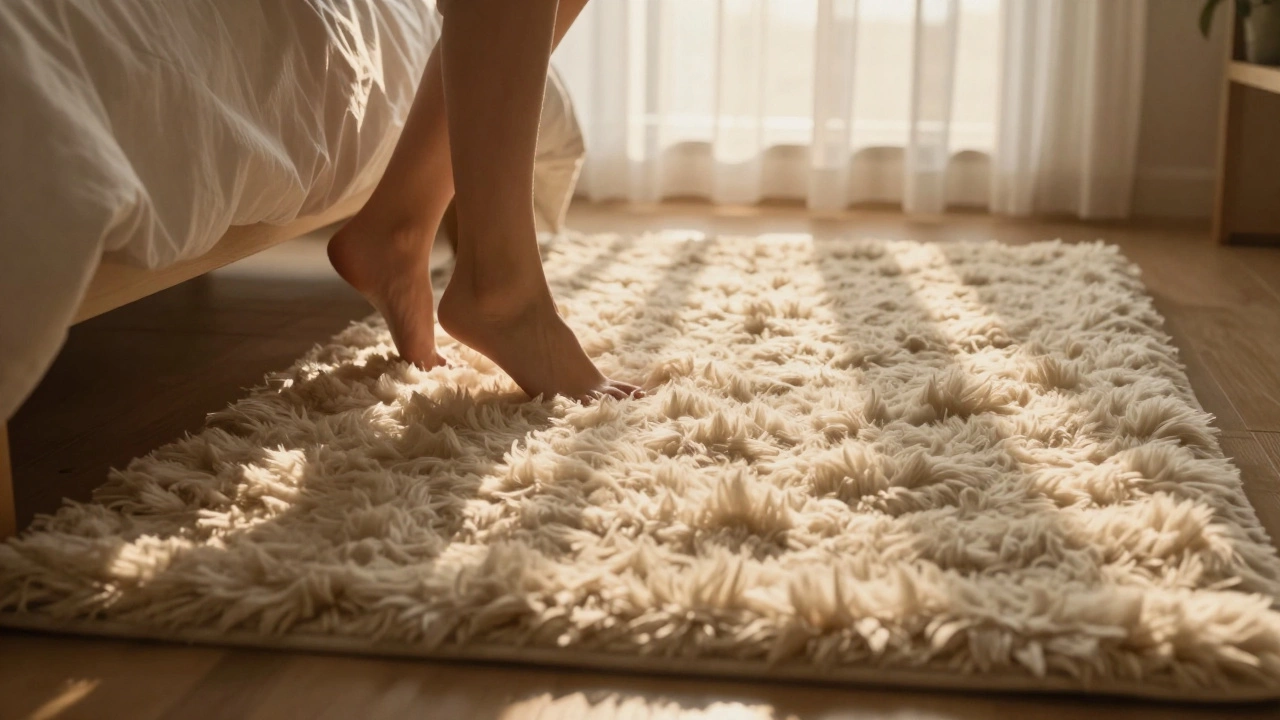
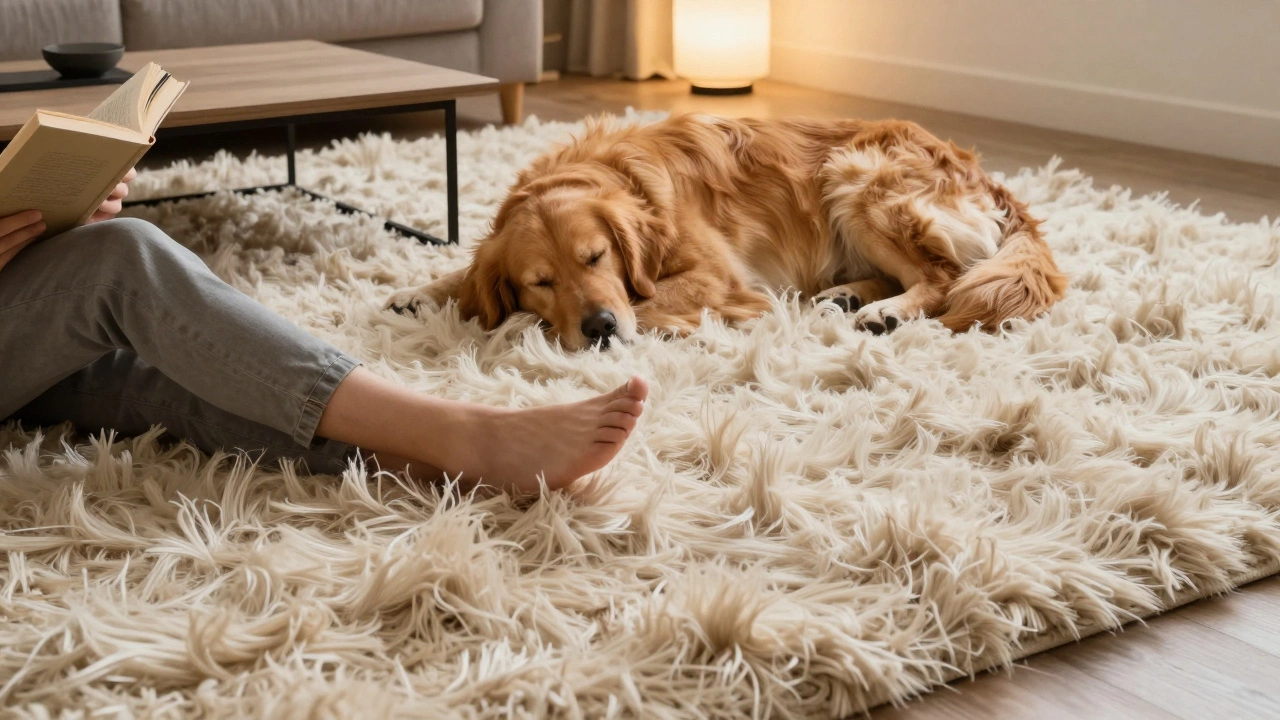
Shag rugs are the poster child for comfort-long, loose fibers that drape like fur. They look dramatic, feel indulgent, and sink deep under your toes. But here’s the catch: not all shag rugs are created equal. A low-quality shag made from cheap polyester can flatten in weeks and trap dust like a vacuum sponge. The real winners? Wool shags or wool-blend shags with a high fiber density.
Wool is naturally springy and resilient. A wool shag rug can last over a decade if maintained well, and it doesn’t flatten the way synthetic fibers do. The long fibers create a surface that molds to your foot, giving you that satisfying “squish” with every step. But be warned: shag rugs aren’t ideal for high-traffic areas. They’re great in bedrooms, reading nooks, or beside the bathtub-but not in hallways or near the front door. And cleaning them? You’ll need a vacuum with a brush roll, or you risk tangling the fibers.
Wool Rugs: The Natural Winner
Wool is the original comfort material. It’s been used in rugs for thousands of years for one reason: it just works. Wool fibers have a natural crimp that gives them bounce. They retain heat, so your feet stay warm even on cold floors. They’re also naturally moisture-resistant and don’t hold onto odors like synthetics do.
A wool rug with a medium pile (around 0.75 inches) strikes the perfect balance between softness and durability. It’s not as plush as a nylon rug, but it feels more alive underfoot. Wool fibers can bend and recover, which means the rug keeps its shape longer. In Wellington’s damp climate, wool rugs are especially popular because they naturally regulate humidity. Unlike synthetic rugs that can trap moisture and smell, wool breathes. And yes, it’s more expensive upfront-but a high-quality wool rug can last 20+ years. That’s a long-term comfort investment.
Synthetic Rugs: Budget-Friendly Comfort
Let’s not ignore the role of synthetics. Modern materials like polypropylene and polyester have come a long way. High-density, heat-set synthetic rugs can mimic wool’s softness at a fraction of the price. Brands like Mohawk and Karastan now offer synthetic rugs with microfiber technology that feels surprisingly luxurious.
These rugs are great for families with kids or pets. They’re stain-resistant, easy to clean, and won’t shed like wool sometimes does. But they don’t have the same natural resilience. Over time, especially in high-traffic areas, synthetic rugs can flatten and lose their bounce. Look for rugs labeled “heat-set” or “twist pile”-these hold their shape better. Avoid low-pile synthetics under 0.4 inches. They feel thin, almost like a mat.
What About Natural Fibers Like Jute or Sisal?
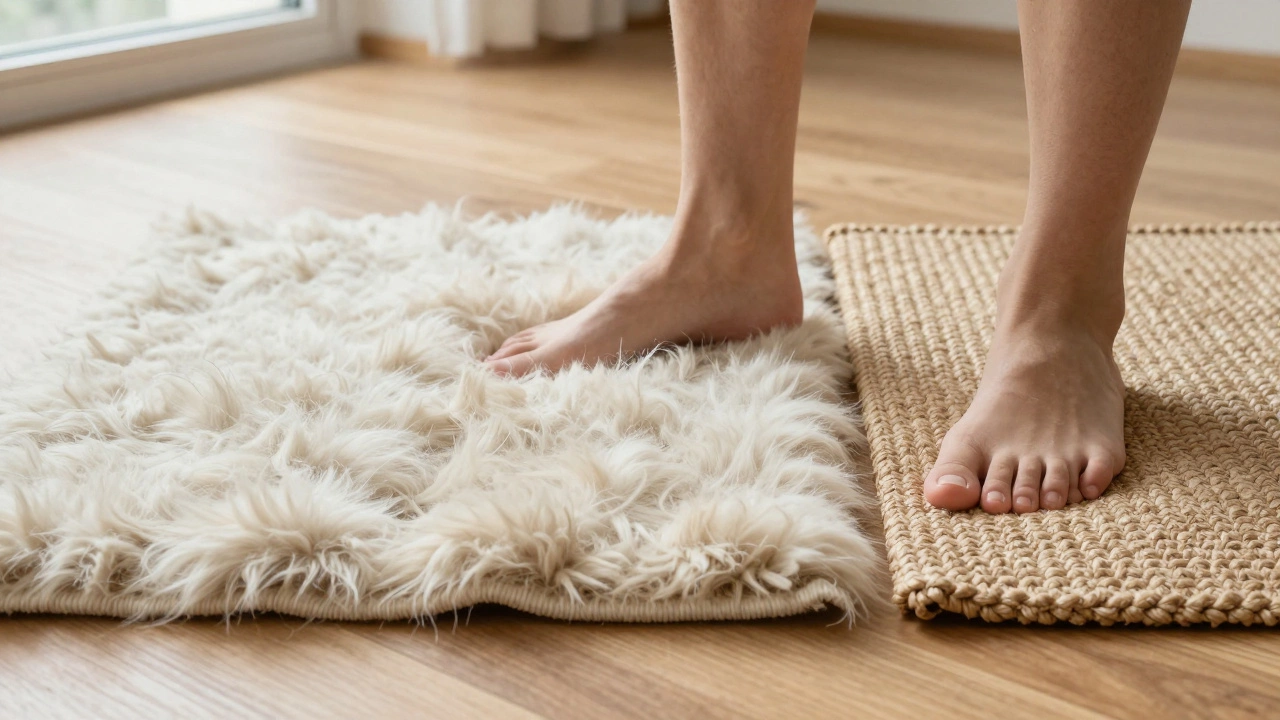
Jute, sisal, and seagrass rugs look beautiful and are eco-friendly. But they’re not comfortable. Not even close. These fibers are rigid, coarse, and don’t compress. They’re great for entryways or kitchens where you need durability and easy cleaning. But if you’re looking for comfort underfoot, skip them. Walking barefoot on jute is like walking on sandpaper with texture. Some people love the rustic look, but if comfort is your goal, these belong in a different category entirely.
Thickness, Density, and Underlay: The Hidden Factors
It’s not just the material. Two rugs made from the same fiber can feel totally different based on two things: thickness and density.
- Thickness (pile height): A rug under 0.3 inches feels like a runner. 0.5 to 1 inch is ideal for comfort. Anything over 1.2 inches can be unstable on hard floors.
- Density (fibers per square inch): This matters more than you think. A dense rug has more fibers packed together. You can test this by pushing your finger into the rug-if it springs back quickly, it’s dense. If it stays flattened, skip it.
- Underlay: A cheap rug on a hard floor still feels hard. Add a rubber or felt underlay. It adds cushion, prevents slipping, and makes even a medium-density rug feel luxurious. A good underlay can double the comfort of your rug.
Real-World Comfort Test: What Works in Practice
I’ve tested over a dozen rugs in my own home over the last two years. Here’s what stuck:
- My bedroom rug: A 1-inch wool plush pile. Feels like walking on a memory foam pillow. No more cold toes in winter.
- My living room: A high-density polyester shag. Looks bold, feels soft, and my dog loves lounging on it.
- My bathroom: A short-pile, non-slip synthetic rug. Easy to clean, dries fast, and doesn’t get soggy.
There’s no one-size-fits-all. But if you want the most comfortable rug for everyday barefoot living, go with wool or a dense plush pile. Avoid anything too thin, too stiff, or too long unless you’re okay with the maintenance.
Final Tip: Buy a Sample
Don’t just rely on photos or reviews. Many online retailers let you order small fabric samples for $1-$5. Order three different types-wool, plush, and shag-and walk on them barefoot in your home. Test them in the morning, after a long day, on your hardwood, on your tile. Let your feet decide. That’s the only test that matters.
What rug is best for barefoot comfort?
For barefoot comfort, wool plush pile rugs are the top choice. They offer a soft, cushioned surface that gives slightly underfoot without flattening too quickly. High-density synthetic plush rugs are a close second if you’re on a budget. Avoid jute, sisal, or very thin rugs-they feel hard and unyielding.
Are shag rugs really comfortable, or just fluffy?
Shag rugs can be incredibly comfortable-but only if they’re made from high-quality wool or a dense synthetic blend. Cheap polyester shags flatten fast and trap dirt. A wool shag with a pile height of 1.5 inches or more will feel like walking on a cloud. Just be prepared to vacuum regularly and avoid placing them in high-traffic areas.
Is a thicker rug always more comfortable?
Not necessarily. Rugs thicker than 1.2 inches can be unstable on hard floors and may cause tripping hazards. Comfort comes from density and fiber quality, not just thickness. A 0.8-inch dense wool rug will feel more comfortable than a 1.5-inch low-density synthetic rug. Look for high fiber count per square inch.
Do rug pads really make a difference in comfort?
Absolutely. A good rug pad adds cushioning, reduces noise, and prevents slipping. Felt or rubber pads are best for comfort. They turn even a medium-quality rug into a luxurious underfoot experience. Skipping a pad is like putting a mattress directly on the floor-your body still feels the hardness underneath.
What’s the most comfortable rug for pets and kids?
A dense, low-pile synthetic rug is ideal. It’s soft enough for kids to play on, easy to clean, and durable enough to handle claws and spills. Look for stain-resistant, twist-pile synthetics. Avoid shags or long-pile rugs-they trap fur, food, and dirt. Wool blends work too, but require more frequent cleaning.
What to Avoid
- Rugs under 0.4 inches thick-they feel like mats, not rugs.
- Low-density synthetics-they flatten fast and feel cheap.
- Coarse natural fibers like jute or sisal-they’re hard on bare feet.
- Overly long shags without a secure backing-they’re a tripping hazard.
Next Steps
Start by identifying where you need the most comfort. Bedroom? Go wool plush. Living room? Try a dense shag. Bathroom? Pick a short-pile synthetic. Then order samples. Walk on them. Sit on them. Let your feet be the final judge. Comfort isn’t something you read about-it’s something you feel.