2024 Curtain Trends Calculator: Find Your Perfect Window Treatment
Walking into a room in 2024, you might have noticed the windows look different. The heavy, floor-grazing velvet drapes of the past decade are taking a backseat. Instead, we’re seeing a shift toward lightness, texture, and purposeful function. If you’ve been planning a refresh but felt stuck between buying new blinds or keeping old curtains, this is your sign to look closer at what’s actually trending right now.
The big story for 2024 isn’t just about color-it’s about how curtains interact with light and space. We moved away from the 'more is more' aesthetic that dominated the early 2020s. Now, it’s all about curated minimalism mixed with cozy textures. You want your windows to feel like an extension of the room, not a separate decoration.
The Rise of Sheer Layers
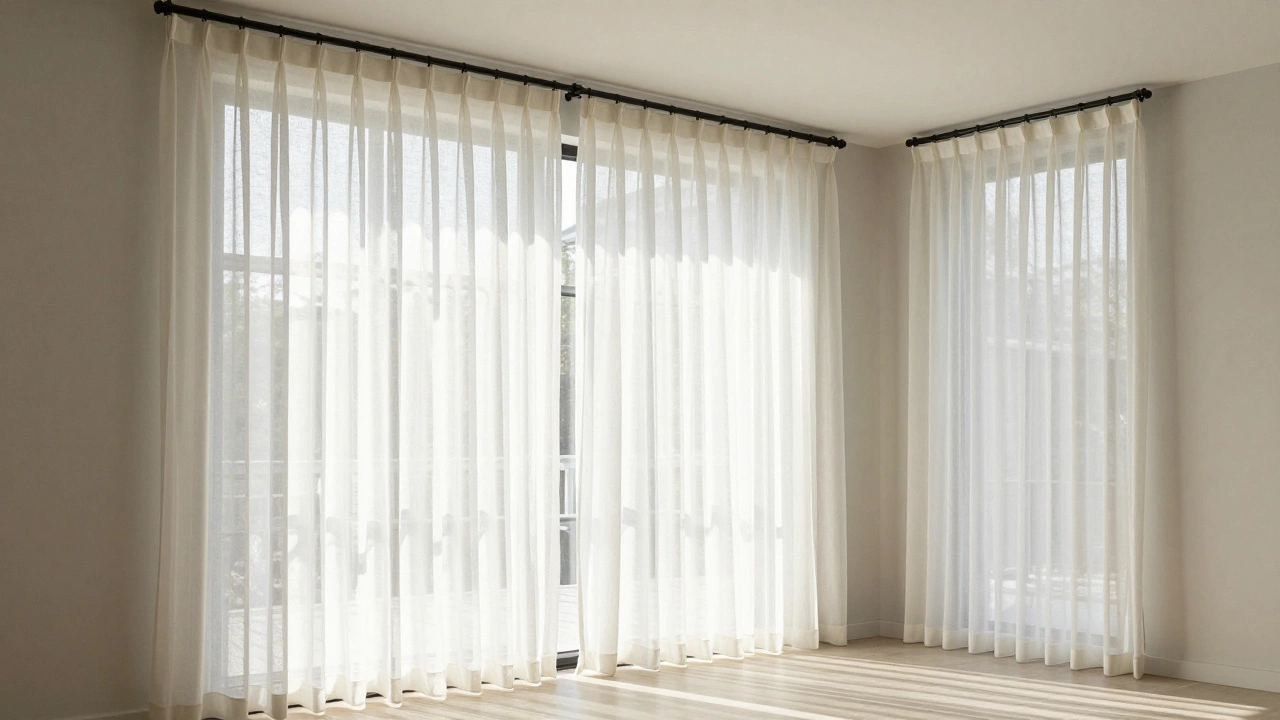
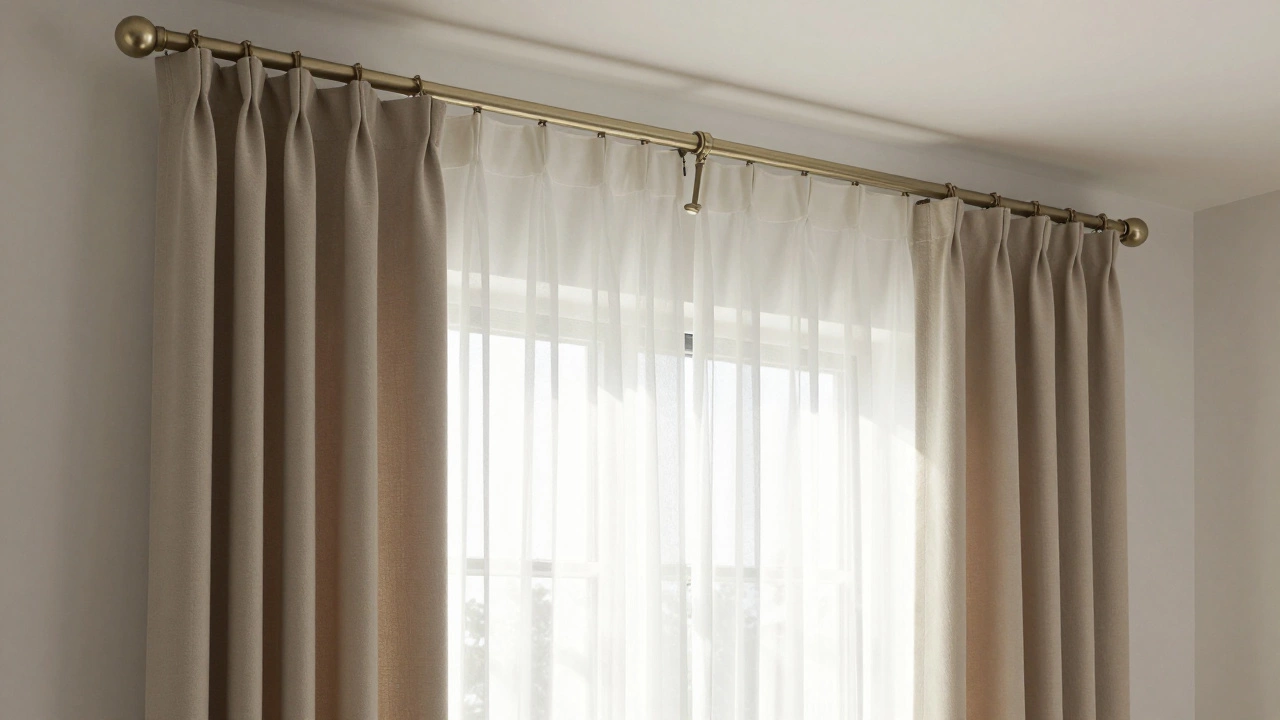
If there is one dominant trend in curtain trends for 2024, it is layering. Specifically, using sheer fabrics as the primary window treatment. Think fine linen, cotton gauze, or even lightweight silk blends. These materials filter daylight beautifully without blocking the view entirely. They create a soft, diffused glow that makes rooms feel larger and airier.
Why did sheers take over? Because people spent enough time indoors during previous years to realize they didn’t want to be sealed off from the outside world completely. A sheer curtain allows you to maintain privacy while still feeling connected to nature. It’s a subtle way to bring the outdoors in. Pair them with a neutral wall color, and suddenly your living room feels twice its size.
Pro tip: Don’t hang sheers too low. To maximize the airy effect, mount the rod close to the ceiling and let the fabric graze the floor by just half an inch. This vertical line draws the eye up and emphasizes height.
Natural Textures Over Synthetic Shine
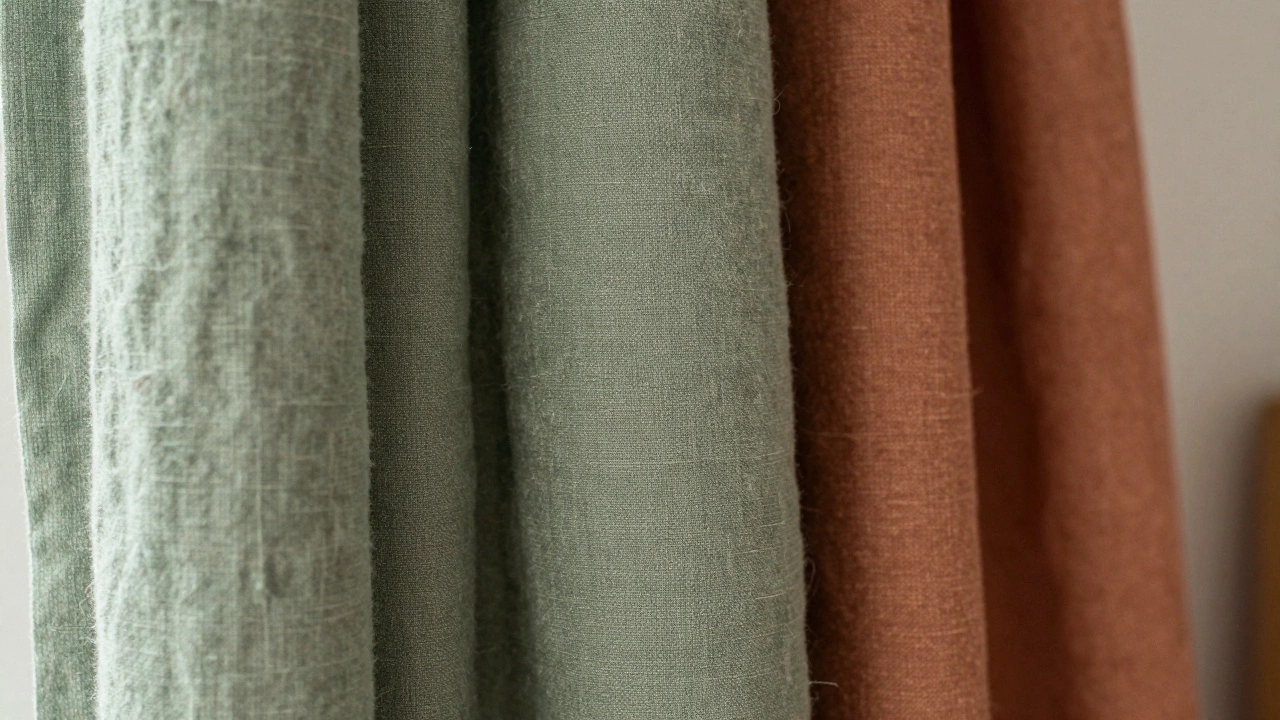
Gone are the days of shiny polyester blends that reflect light harshly. In 2024, touch matters. Homeowners are gravitating toward natural fibers like raw linen, hemp, and unbleached cotton. These fabrics have inherent imperfections-slubs, slight variations in weave-that add character and warmth.
Linen remains the king of these textures. It wrinkles easily, yes, but that’s part of its charm. The relaxed, slightly rumpled look signals comfort and ease. It pairs perfectly with mid-century modern furniture or rustic farmhouse styles. If you’re aiming for a clean, contemporary look, opt for a heavier linen blend that holds its shape better but still offers that tactile quality.
Hemp is also gaining traction as a sustainable alternative. It’s durable, eco-friendly, and has a distinctive coarse texture that adds visual interest. While it can be pricier than cotton, its longevity makes it a smart investment for high-traffic areas like sunrooms or patios.
Color Palettes: Earthy and Calming
When it comes to color, 2024 favors calm. Bold primaries are being replaced by muted earth tones. Think sage greens, warm terracottas, sandy beiges, and soft blues. These colors ground a space and promote relaxation. They work well because they complement a wide range of interior styles without overpowering them.
Sage green, in particular, has become a staple. It bridges the gap between cool and warm tones, making it versatile for both north-facing and south-facing rooms. Terracotta brings a bit of energy without being loud. It’s perfect for adding depth to a neutral palette. And don’t forget about off-whites-they’re not boring; they’re sophisticated. Choose an off-white with yellow or gray undertones depending on your room’s lighting.
Avoid stark whites if you want to stay on-trend. Pure white can feel clinical and cold. Instead, go for creamy or ivory shades that soften the overall ambiance.
Functional Elegance: Blackout Meets Style
Functionality hasn’t disappeared; it’s just gotten smarter. People still need blackout capabilities for bedrooms and media rooms, but they refuse to sacrifice aesthetics. Enter double-rod systems. Install one rod for sheer daytime curtains and another behind it for heavier blackout panels. This setup gives you total control over light and privacy throughout the day.
Another innovation is thermal-lined curtains designed to look like regular drapes. These fabrics trap heat in winter and block it out in summer, reducing energy bills. Look for labels mentioning R-values or thermal efficiency ratings. Brands like IKEA and Pottery Barn offer stylish options that don’t scream "utility."
For those who prefer simplicity, motorized curtains are becoming more affordable and easier to install. Imagine waking up to sunlight filtering through your sheers automatically. Or closing your blackout curtains with a voice command before bed. Convenience meets luxury here.
Hardware Matters: Minimalist Rods
Your curtain rod is no longer an afterthought. In 2024, hardware is seen as jewelry for your windows. Slim, matte-finish rods in black, brass, or brushed nickel are preferred. Thick, ornate rods from earlier decades are out. The goal is to keep the focus on the fabric itself.
Consider tension rods for renters or small spaces where drilling isn’t an option. Modern tension rods come in sleek designs that hold up surprisingly well. For permanent installations, ensure your brackets are sturdy enough to support the weight of layered fabrics. Nothing ruins a trend faster than sagging curtains.
Also, think about finials-the decorative ends of the rod. Keep them simple. Small spheres or tapered points work best. Avoid anything overly elaborate that distracts from the clean lines of the rest of your decor.
Sustainability: Eco-Conscious Choices
Consumers are increasingly aware of their environmental impact. This extends to window treatments. Sustainable materials aren’t just a niche market anymore; they’re mainstream. Look for certifications like GOTS (Global Organic Textile Standard) or OEKO-TEX when shopping for fabrics. These guarantee that the materials are free from harmful chemicals and produced responsibly.
Recycled polyester is another option. Made from plastic bottles, it mimics the look and feel of traditional synthetics but with a smaller carbon footprint. Some companies even offer take-back programs where you can send old curtains for recycling. Check local retailers for such initiatives.
Dye processes matter too. Natural dyes derived from plants produce vibrant colors without toxic runoff. While they may fade slightly faster than synthetic dyes, many appreciate the organic evolution of the fabric over time.
| Fabric Type | Best For | Maintenance Level | Sustainability Rating |
|---|---|---|---|
| Linen | Living Rooms, Bedrooms | Medium (wrinkles easily) | High |
| Cotton Gauze | Kitchens, Bathrooms | Low | Medium |
| Hemp | Sunrooms, Patios | Low | Very High |
| Recycled Polyester | Media Rooms, Offices | Low | Medium-High |
Styling Tips for Maximum Impact
To make your curtains truly stand out, consider how they interact with other elements in the room. Start with scale. Oversized panels create drama and elegance. Aim for widths that are at least twice the width of your window frame when closed. This ensures fullness and prevents a skimpy appearance.
Next, play with patterns sparingly. If your walls are bold, stick to solid-colored curtains. Conversely, if your walls are plain, introduce subtle stripes or geometric prints. Stripes should be vertical to enhance height. Geometric patterns work well in modern settings but avoid large motifs that overwhelm the space.
Finally, tiebacks and tassels are making a comeback-but in refined forms. Use wooden or metal tiebacks instead of fabric ones for a cleaner look. Place them at eye level to draw attention upward. Tassels should be understated, perhaps matching the hardware finish rather than contrasting sharply.
Remember, curtains set the tone for a room. They frame views, control light, and contribute significantly to acoustics. Choosing the right style means balancing beauty with practicality. Whether you lean towards breezy sheers or robust linens, prioritize what makes you feel comfortable every time you walk through the door.
What is the most popular curtain color in 2024?
Sage green, warm terracotta, and soft beige are leading the pack. These earthy tones provide a calming atmosphere and pair well with various interior styles.
Are sheer curtains still in style?
Absolutely. Sheer curtains are hugely popular due to their ability to filter light softly while maintaining privacy. Layering them with heavier panels adds versatility.
How do I choose the right curtain length?
For a modern look, aim for curtains that graze the floor by about half an inch. Avoid pooling excessively on the floor unless going for a very dramatic, formal style.
What fabric is best for blackout curtains?
Look for thermal-lined fabrics specifically designed for light blocking. Cotton blends with backing layers perform well. Ensure the label mentions blackout properties.
Can I mix patterned and solid curtains?
Yes, mixing works great if done thoughtfully. Use solids as the base and add patterned sheers or vice versa. Keep the color palette cohesive to avoid chaos.