Find Your Perfect Bedding Match
Your Recommendation
Ready to Sleep Better?
Answer the questions to find the material that matches your body's needs.
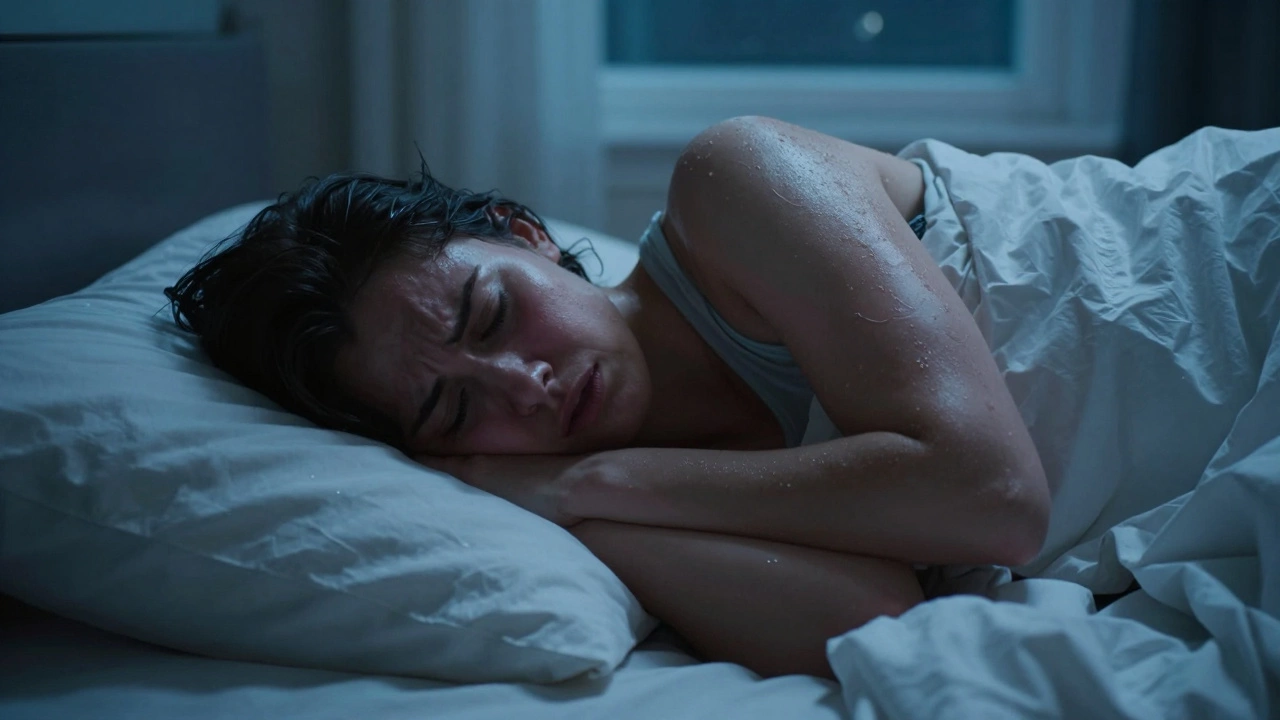
Picture this: it’s 2 AM. You’re tossing and turning, drenched in sweat because your sheets feel like a plastic bag, or shivering because they offer zero insulation despite being thick as a quilt. It happens to the best of us. The truth is, there is no single "best" type of bedding for everyone. What works for a hot sleeper in Sydney might freeze someone out in Wellington. The right choice depends entirely on your body temperature, skin sensitivity, budget, and how much effort you want to put into laundry day.
Finding the perfect match isn't about chasing the highest thread count or the most expensive brand name. It’s about understanding how different fibers interact with your body and the environment. Let’s break down the major contenders so you can stop guessing and start sleeping soundly.
The Cotton Contenders: Percale vs. Sateen
Cotton remains the gold standard for most households, but not all cotton is created equal. In fact, the weave matters just as much as the fiber itself. You generally have two main paths here: Percale is a plain weave fabric known for its crisp, cool, and matte finish. Think of the feeling of a freshly pressed hotel shirt. That’s percale. It breathes exceptionally well, making it ideal for people who run hot or live in humid climates. If you hate that sticky feeling when you wake up, percale is your friend.
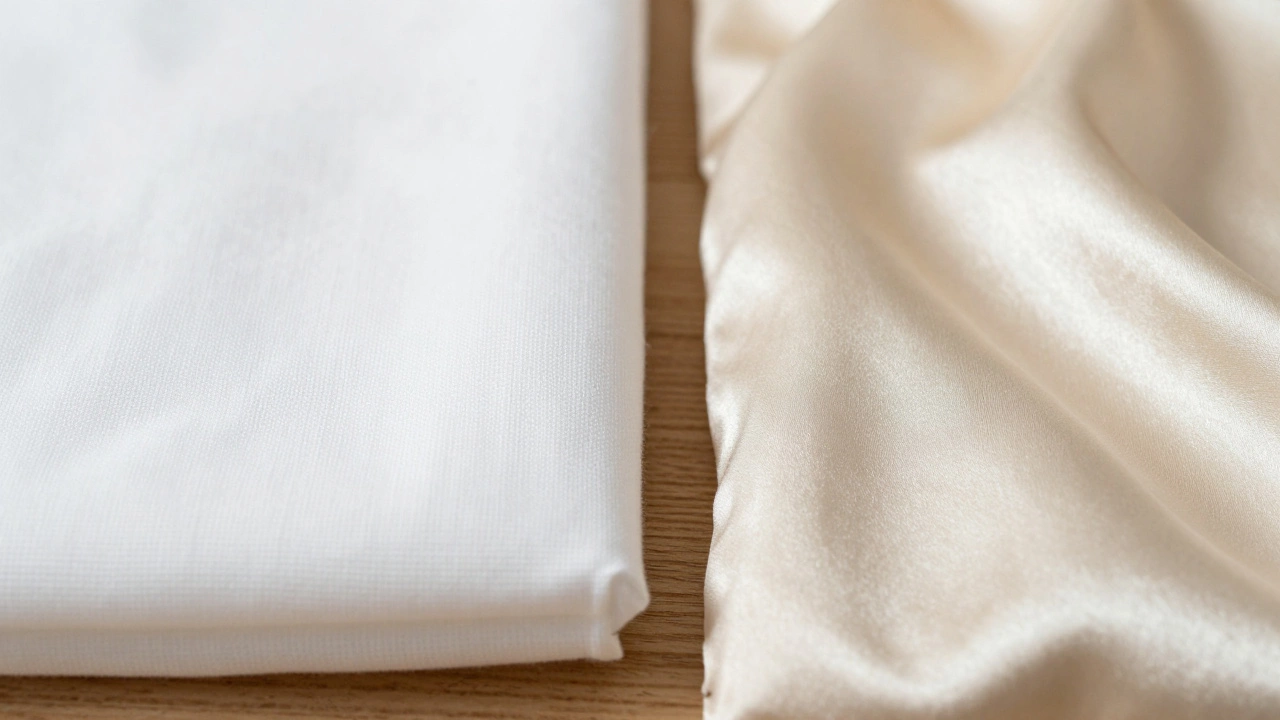
On the flip side, you have Sateen is a weave structure that produces a silky, lustrous surface with a heavier hand feel. Sateen sheets are smoother and warmer than percale. They slide against your skin rather than gripping it, which some people find luxurious. However, sateen tends to trap more heat and can show wrinkles less but attract lint more. If you prefer a cocoon-like warmth and don’t mind ironing occasionally (or living with slight creases), sateen offers a decadent experience.
- Percale: Crisp, cool, durable, matte finish. Best for hot sleepers.
- Sateen: Silky, warm, smooth, prone to pilling over time. Best for cold sleepers or those who love luxury feels.
Linen: The Breathable Champion
If you’ve never slept on linen, you’re missing out on one of nature’s most efficient cooling systems. Made from the flax plant, Linen is a natural fiber derived from the flax plant, renowned for its high breathability and moisture-wicking properties. Linen has hollow fibers that allow air to circulate freely, pulling moisture away from your body faster than almost any other material. This makes it arguably the best bedding for night sweats or menopausal symptoms.
The trade-off? Texture. New linen can feel rough and stiff. It requires several washes to soften up. Also, linen wrinkles aggressively. Some people see this as a flaw; others embrace the relaxed, lived-in aesthetic. If you value performance over pristine presentation, linen is unbeatable. Plus, it gets softer with every wash and lasts for decades-often longer than cotton sets.
Synthetic Blends and Bamboo: The Modern Alternatives
You’ll often see "bamboo" sheets marketed as eco-friendly miracles. Technically, these are usually made from Bamboo Viscose is a semi-synthetic fabric made by processing bamboo pulp into rayon, offering a silky softness and thermoregulating qualities. These sheets are incredibly soft, often softer than high-thread-count cotton, and they wick moisture well. They also tend to be hypoallergenic, which is great for sensitive skin. However, the production process involves chemicals, so if sustainability is your top priority, look for certifications like OEKO-TEX Standard 100 to ensure harmful residues aren’t left in the fabric.
Polyester and microfiber are the budget kings. They are durable, wrinkle-resistant, and cheap. But they breathe poorly. If you sweat at all, polyester will hold that moisture against your skin, leading to discomfort and potentially bacterial growth. I wouldn’t recommend them unless you’re furnishing a guest room that sees minimal use or you’re on an extremely tight budget.
Decoding Thread Count: The Marketing Myth
Walk into any department store, and you’ll see numbers like 800, 1000, even 1500 thread counts plastered on tags. Here’s the secret: after a certain point, higher thread count doesn’t mean better quality. In fact, it can mean worse.
Thread count refers to the number of horizontal and vertical threads per square inch of fabric. For percale, a sweet spot is between 200 and 400. Anything above that might indicate multi-ply yarns (twisting multiple thin threads together to count as one), which can make the fabric thicker and less breathable. For sateen, 300 to 600 is typical. If you see a sheet set claiming 1000+ threads, be skeptical. Manufacturers are often inflating the number to justify a higher price tag without improving the actual sleep experience.
| Material | Feel | Temperature Regulation | Durability | Best For |
|---|---|---|---|---|
| Cotton Percale | Crisp, Cool | Excellent (Breathable) | High | Hot sleepers, summer use |
| Cotton Sateen | Smooth, Silky | Moderate (Warmer) | Medium-High | Cold sleepers, luxury seekers |
| Linen | Textured, Softens over time | Superior (Moisture-wicking) | Very High | Night sweats, eco-conscious buyers |
| Bamboo Viscose | Buttery Soft | Good (Thermoregulating) | Medium | Sensitive skin, year-round comfort |
| Polyester/Microfiber | Smooth, Plastic-like | Poor (Traps heat) | High (but pills) | Budget constraints, low maintenance |
Weave Matters More Than You Think
We touched on percale and sateen earlier, but let’s dig deeper. The weave determines how the fabric behaves. Percale uses a simple over-under pattern, creating a loose, airy structure. This allows maximum airflow. Sateen floats more threads over the surface, creating that slick, dense feel. There’s also Jersey Knit is a stretchy, t-shirt-like fabric weave that offers casual comfort and elasticity. Jersey sheets are becoming popular because they’re forgiving and cozy. They don’t wrinkle easily and feel like wearing your favorite old tee. However, they can snag and lose shape over time, so they require gentler handling.
Seasonal Swapping: Do You Need Two Sets?
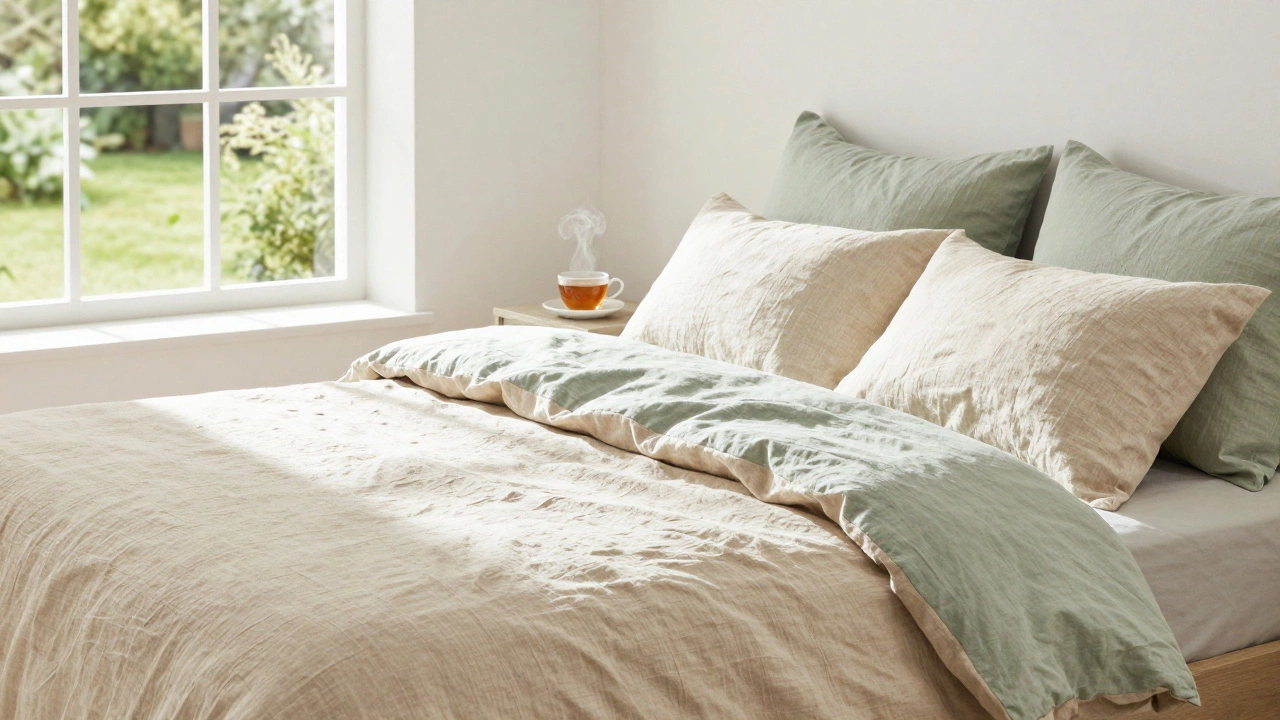
In places with distinct seasons, like New Zealand or the UK, sticking to one type of bedding year-round is a mistake. Using heavy sateen in the height of summer will leave you exhausted and overheated. Conversely, thin percale in winter might leave you chilly.
A smart strategy is to invest in two high-quality sets: one percale or linen set for spring and summer, and one sateen or flannel set for autumn and winter. Flannel, typically made from brushed cotton or wool, traps air pockets to retain body heat. It’s the ultimate winter companion. By rotating your bedding, you extend the life of each set and ensure optimal comfort regardless of the weather outside.
Longevity and Care: Making Your Investment Last
Even the best bedding will fail if you treat it poorly. To maximize lifespan:
- Wash Less Frequently: Unless you sweat excessively or have allergies, washing every 1-2 weeks is sufficient. Over-washing breaks down fibers.
- Use Cold Water: Hot water shrinks cotton and damages elastic fibers in blends. Cold water preserves color and integrity.
- Avoid Fabric Softeners: Softeners coat fibers, reducing breathability and absorbency. This is especially bad for towels and performance bedding. Use white vinegar in the rinse cycle instead for natural softening.
- Tumble Dry Low: High heat kills fibers. Air drying is gentlest, but if you must use a dryer, remove sheets while slightly damp to minimize wrinkles.
Also, consider the fit. Deep-pocket sheets are essential if you have a mattress topper or a plush mattress. Nothing ruins sleep faster than sheets popping off the corner at 3 AM. Measure your mattress depth accurately before buying.
Who Are You Sleeping For?
Finally, think about who shares the bed. If you have a partner who runs hot and you run cold, compromise is key. Linen is often the middle ground-it cools the hot sleeper but retains enough structure to not feel icy for the cold sleeper. Alternatively, duvet covers allow for easier layering. You can keep the sheets neutral (percale) and adjust the duvet weight based on individual needs.
Allergies? Stick to tightly woven cotton or bamboo, which resist dust mites better than loose weaves or synthetic fabrics that trap dander. Pets? Microfiber might actually be worth considering here due to its resistance to claws and ease of cleaning, provided neither of you overheats.
Is Egyptian cotton really better than regular cotton?
Not necessarily. "Egyptian cotton" refers to the origin of the cotton plant, specifically long-staple fibers grown in Egypt. Long-staple fibers create stronger, smoother yarns. However, the term is heavily misused. Many brands label short-staple cotton as Egyptian just to charge more. Look for specific certifications like the Cotton Egypt Association seal. Often, Pima or Supima cotton (from the US) offers similar long-staple quality with stricter labeling regulations.
Why do my new sheets feel rough?
This is common with high-quality linen and some organic cottons. Manufacturers often avoid harsh chemical softeners to maintain breathability. Wash and dry the sheets 3-5 times before using them. Each cycle breaks down the fibers slightly, resulting in a softer hand feel. Patience pays off here.
Are silk sheets worth the hype?
Silk is excellent for hair and skin friction reduction, making it popular among beauty enthusiasts. It’s naturally temperature regulating. However, it’s fragile, expensive, and difficult to care for (often requiring hand washing). For pure sleep comfort and durability, high-quality mulberry silk is great, but linen or cotton percale offers better value for most people.
How often should I replace my sheets?
It depends on usage and quality. With proper care, high-thread-count cotton or linen can last 5-10 years. Microfiber may need replacing every 1-2 years as it pills and loses softness. Signs it’s time to toss them include permanent stains, thinning fabric, holes, or loss of elasticity in the fitted sheet corners.
Does thread count affect durability?
Counterintuitively, very high thread counts can reduce durability. Thinner threads packed tightly are more prone to breaking. Medium thread counts (200-400 for percale) use stronger, thicker yarns that withstand friction and washing better. Durability comes more from fiber length (long-staple cotton) and weave tightness than raw thread numbers.