Comforter Health & Replacement Calculator
Step 1: Select Your Material
Step 2: Enter Age
Step 3: Check for Warning Signs
Select any issues you currently experience with this comforter:
Keep It!
Analysis Result:
Your comforter appears to be in good condition.
That heavy, warm hug you get when pulling up the covers? It’s supposed to feel like a sanctuary. But if your comforter is a thick, insulated bed covering designed to trap body heat and provide warmth during sleep starts feeling more like a damp sponge or a lumpy brick, that sanctuary turns into a hazard zone. We often ignore our bedding until it’s visibly stained, but the real signs of decay are hidden in the fibers, the fill distribution, and the microscopic world of dust mites living inside.
Knowing exactly when to toss that old comforter isn’t just about aesthetics; it’s a critical move for your respiratory health and sleep quality. A degraded comforter loses its ability to regulate temperature, leading to night sweats or shivering chills. Worse, it becomes a breeding ground for allergens that can trigger asthma or chronic allergies. So, how do you know if it’s time to let go? Let’s look at the concrete signs that your bedding has expired.
The Visual Inspection: What Your Eyes Can Tell You
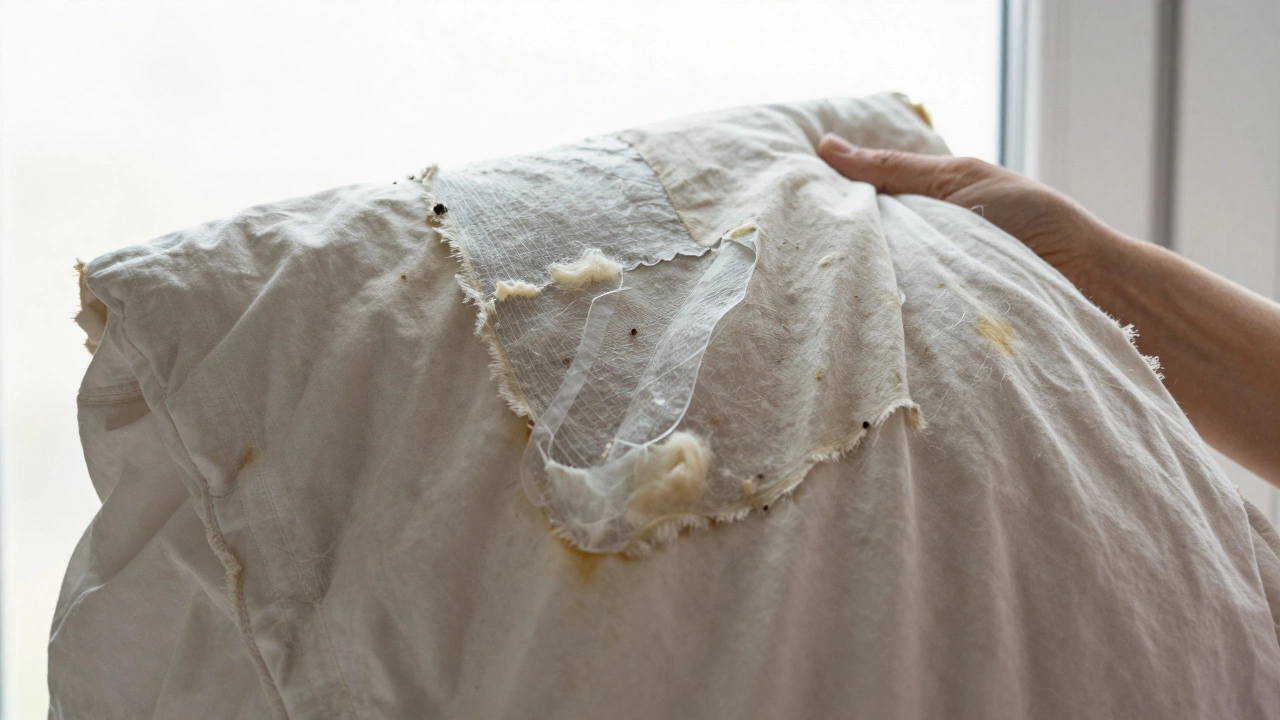
Before you even touch the fabric, look closely. Most people assume a comforter lasts forever unless it tears, but material breakdown happens long before a hole appears. Start by holding the comforter up to a light source. If you see patches where the fill is clumped together, leaving other areas thin and translucent, the internal baffles or stitching have failed. This uneven distribution means parts of your body are getting zero insulation while others are overheating.
Check for permanent stains. While surface dirt can be washed, deep-set yellowing or gray discoloration usually indicates sweat, oils, and dead skin cells have penetrated the outer shell and soaked into the filling. No amount of washing will reverse this chemical bonding. If you notice fraying edges or loose threads that unravel easily when tugged, the structural integrity is compromised. The fabric can no longer contain the fill effectively, meaning down feathers or synthetic microfibers will escape into your pillowcase-and eventually, your lungs.
The Smell Test: Odors That Won't Wash Out
If your comforter smells musty, mildewy, or simply "old" after a fresh wash, it’s time to retire it. Fabric softeners might mask the scent temporarily, but they don’t eliminate the source. That persistent odor comes from bacteria and mold spores thriving in the moist environment of the fill. This is especially common with down comforters, which retain moisture longer than synthetics. If you live in a humid climate like Wellington, New Zealand, this risk doubles. Mold growth inside a comforter is invisible but potent, releasing spores every time you shake out the sheets.
Another red flag is a chemical smell that persists after several washes. Some lower-quality synthetic fills off-gas volatile organic compounds (VOCs) over time. If the smell irritates your nose or eyes, your body is telling you the materials are breaking down or were never safe for prolonged contact. Don’t fight it-your sinuses will thank you.
Lifespan by Material: How Long Should It Last?
Not all comforters age at the same rate. The material dictates the timeline. Here is a realistic breakdown based on typical usage (washing every 1-6 months):
| Material Type | Average Lifespan | Key Failure Points |
|---|---|---|
| Down Natural feather filling known for high loft and breathability | 5-10 years | Loss of loft, oil degradation, feather migration |
| Synthetic (Microfiber/Polyester) Affordable, hypoallergenic alternative using plastic-based fibers | 3-5 years | Fiber flattening, clumping, static buildup |
| Wool Natural fiber offering excellent temperature regulation | 10-15 years | Pilling, moth damage, shrinkage if miswashed |
| Cotton Breathable natural fabric, often used as a shell or light fill | 7-10 years | Fabric thinning, seam splitting |
Notice that synthetic options have the shortest lifespan. Polyester fibers break down faster due to heat friction during washing and sleeping. Down lasts longer but requires more maintenance to keep its loft. Wool is the marathon runner here, provided you protect it from moths and excessive moisture.

Allergies and Health: The Hidden Cost of Keeping Old Bedding
You might think your comforter is fine because it looks okay, but what about the microscopic residents? Dust mites thrive in bedding. They feed on dead human skin cells, which we shed nightly. An average comforter can harbor millions of these arachnids within two years of use. Their waste products are a primary trigger for allergic rhinitis and asthma.
If you wake up with congestion, itchy eyes, or sneezing fits, your old comforter could be the culprit. Washing helps, but over time, the fabric pores become clogged with allergen residue that detergents can’t fully extract. Replacing the comforter removes the reservoir entirely. For those with severe allergies, switching to a hypoallergenic synthetic or tightly woven cotton cover every three years is a non-negotiable health measure.
Signs of Physical Discomfort and Sleep Disruption
Your body keeps score. If you’re tossing and turning, unable to get comfortable, check the weight and texture of your comforter. A good comforter should distribute weight evenly. If you feel pressure points or cold spots, the fill has shifted or flattened permanently. This is called "clumping." Once synthetic fibers clump, they rarely regain their shape, even with professional cleaning.
Also, consider temperature regulation. Modern comforters are engineered to wick moisture and maintain a consistent microclimate. If you’re sweating through the night or freezing despite turning up the thermostat, the thermal properties have degraded. Your comforter is no longer insulating; it’s trapping stale air and moisture against your skin.
Maintenance Tips to Extend Life
Want to squeeze every last year out of your current comforter? Proper care makes a massive difference. First, always use a protective duvet cover. This acts as a barrier against sweat, oils, and dirt, allowing you to wash the cover frequently while sparing the comforter itself. Wash the comforter only when necessary-usually once or twice a year for most people.
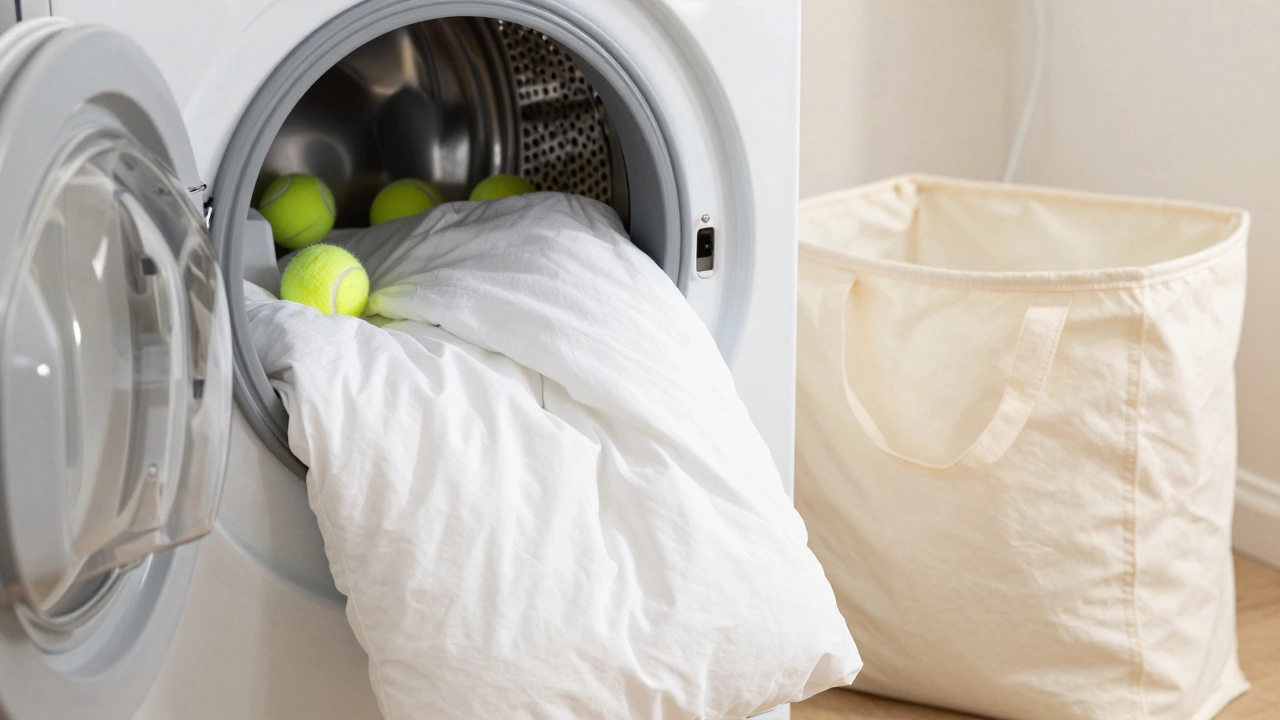
Use a gentle cycle and mild detergent. Avoid bleach, which weakens fibers. For drying, use low heat and add clean tennis balls or dryer balls to beat the comforter gently, restoring loft and preventing clumps. Ensure it is completely dry before storing or putting it back on the bed. Any residual moisture invites mold. Store unused comforters in breathable cotton bags, not plastic, which traps humidity.
Environmental Considerations: What to Do With the Old One
Throwing a comforter in the trash contributes to landfill waste, where synthetic fibers take centuries to decompose. Before binning it, consider donation. Many animal shelters accept old comforters for bedding for dogs and cats. Check local requirements, as some may prefer unwashed items to avoid chemical residues, while others want them cleaned. If the comforter is too damaged for reuse, explore textile recycling programs. Some municipalities offer bulk pickup for textiles, separating fibers for industrial rags or insulation materials.
FAQ
How often should I replace my comforter?
Generally, you should replace a synthetic comforter every 3 to 5 years and a down comforter every 5 to 10 years. However, this depends heavily on usage frequency, washing habits, and visible wear. If you notice clumping, odors, or loss of warmth, replace it immediately regardless of age.
Can I repair a clumped comforter instead of replacing it?
Minor clumping can sometimes be fixed by tumble-drying on low heat with dryer balls to fluff the fill. However, if the fibers are permanently matted or the baffles are broken, repair is rarely effective. The insulation properties are lost, making replacement the better option for comfort and health.
Does washing a comforter remove allergens?
Washing in hot water (at least 130°F or 54°C) kills dust mites and removes some allergens. However, over time, allergen particles embed deeply into the fabric and fill, becoming impossible to fully extract. Regular washing slows accumulation, but eventual replacement is necessary for allergy sufferers.
Is it safe to donate an old comforter?
Yes, if it is clean, free of stains, odors, and pests. Animal shelters often welcome older comforters for pet bedding. Human charities typically require items to be in good condition. Always check with the specific organization before donating to ensure they can accept the item.
Why does my new comforter smell like chemicals?
New comforters, especially synthetic ones, may off-gas volatile organic compounds (VOCs) from manufacturing processes. Air it out in a well-ventilated area for 24-48 hours before first use. If the smell persists after washing, consider returning it, as it may indicate poor quality materials.