Couch vs Sofa: Interactive Vocabulary Guide
See which term is preferred in different regions around the world.
Choose the most appropriate term for your specific situation.
You walk into a furniture store, and you’re immediately hit with a wall of seating options. The salesperson asks if you want a couch or a sofa. You pause. Are they different? Is one fancier? Do you need to know this distinction before dropping $2,000 on your living room centerpiece?
The short answer is no. In modern retail and everyday language, there is zero functional difference between a couch and a sofa. They are synonyms for the same piece of furniture: an upholstered seat with a back and arms, designed for two or more people. If you buy a "couch," you aren’t getting a different product than if you buy a "sofa." However, understanding the subtle historical roots and regional preferences can help you navigate catalogs, interior design trends, and even real estate listings more effectively.
The Etymological Roots: Where Did These Words Come From?
To understand why we use two words for the same thing, we have to look at history. Language evolves, and these terms traveled different paths to end up in our living rooms.
Sofa comes from the Arabic word suffah, which referred to a raised platform or bench covered with cushions. This term traveled through Persian and Turkish languages before entering English in the 17th century. It originally described something luxurious-a place of rest that was elevated and comfortable. When you hear "sofa" today, it often carries a slightly more formal or traditional weight.
Couch has French origins, derived from the Old French word couche, meaning "to lie down" or "bed." It entered English around the 14th century. Historically, a couch was often narrower and sometimes used as a daybed or a place to recline rather than just sit upright. The implication here is casualness and relaxation.
So, while they mean the same thing now, "sofa" leans toward structured seating, and "couch" leans toward lounging. But does this affect what you buy? Not really. A mid-century modern lounge chair is still a couch whether you call it a sofa or not.
Regional Preferences: How Geography Shapes Your Vocabulary
If you travel across the globe, you’ll notice that certain regions prefer one term over the other. This isn’t about correctness; it’s about cultural habit.
- United States: Both terms are used interchangeably, but "couch" is slightly more common in casual conversation. Real estate listings might say "spacious living room with new sofa" to sound upscale, while friends texting will say "come over to my couch."
- United Kingdom: "Sofa" is overwhelmingly preferred. You rarely hear British people say "couch" unless they are referring to a specific type of reclining furniture or trying to sound American.
- Australia and New Zealand: Like the UK, "sofa" is the standard term. In Wellington, where I live, you’ll see "sofas" in every hardware store catalog. "Couch" sounds informal or dated.
- Canada: Similar to the US, both are used, but "sofa" is often seen in formal retail contexts.
Why does this matter? If you’re searching online for inspiration or buying second-hand, using the local term might yield better results. Searching for "vintage sofa" in London will give you thousands of hits. Searching for "vintage couch" might get you fewer, or different, results because sellers use the term their customers expect.
Formal vs. Casual: Does the Word Change the Vibe?
Even though they are synonyms, the words carry different emotional weights. This is crucial for interior designers and marketers, but also useful for homeowners trying to set a mood.
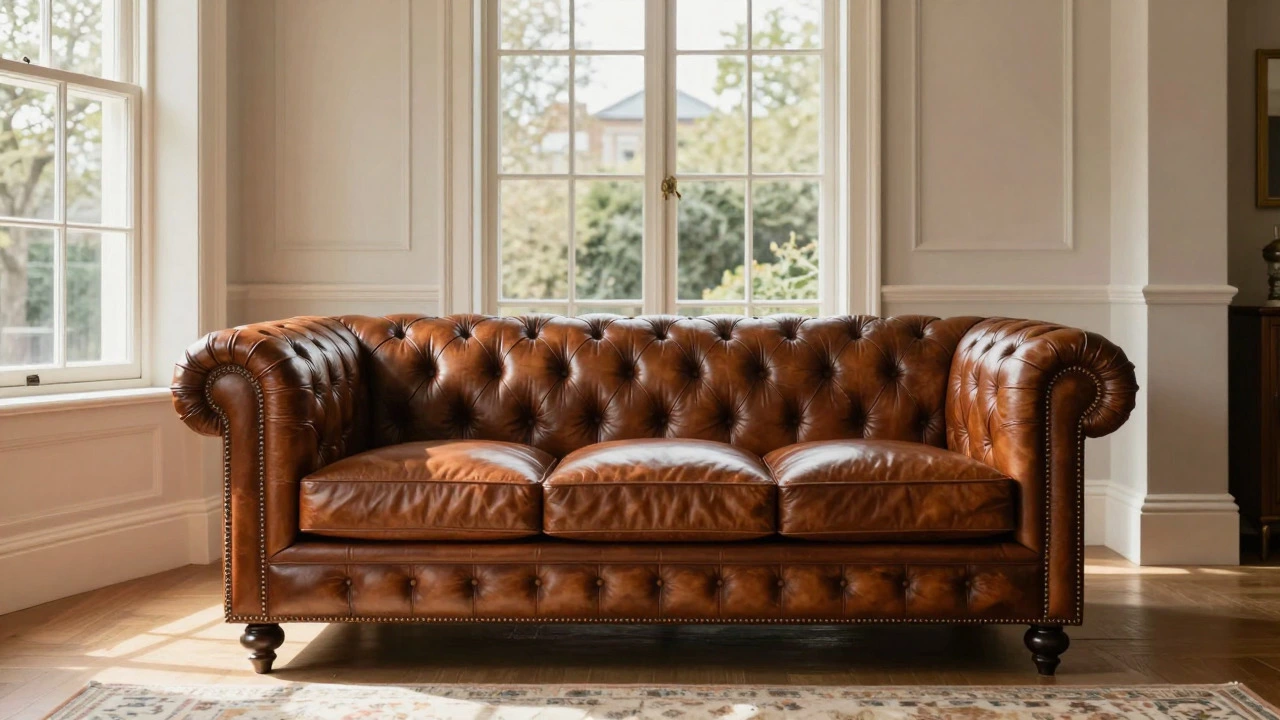
Sofa feels structured, elegant, and permanent. Think of a Chesterfield sofa or a tufted leather sofa in a law firm’s waiting room. It suggests dignity and order. When you describe your home as having a "beautiful sofa," you’re implying quality craftsmanship and a central role in the room’s design.
Couch feels cozy, relaxed, and temporary. Think of a worn-in fabric couch in a college dorm or a basement rec room. It implies comfort, napping, and informality. Saying "I’m crashing on the couch" sounds natural. Saying "I’m crashing on the sofa" sounds slightly stiff.
This nuance affects how you talk about your space. If you’re listing your apartment for rent, you might write "modern sofa" to attract professionals. If you’re inviting friends over for a movie night, you’ll say "grab a spot on the couch."

Beyond the Name: Types of Seating That Confuse People
The confusion between couch and sofa often spills over into other types of seating. Let’s clear up some common mix-ups.
| Term | Description | Typical Use Case |
|---|---|---|
| Sofa/Couch | Upholstered seat with back and arms, for 2+ people | Living room primary seating |
| Sectional | Modular pieces forming an L-shape or U-shape | Large families, open-plan spaces |
| Loveseat | Smaller sofa, seats two people comfortably | Small apartments, entryways |
| Davenport | Older term for a sofa, sometimes implies a sleeper | Rarely used today; mostly vintage contexts |
| Chaise Lounge | Elongated seat for reclining, often without a back on one side | Reading nooks, spas |
Sectionals are technically a type of sofa, but they’re distinct enough that no one calls them couches. They’re modular, large, and designed for groups. If you have a sectional, you probably don’t need another couch.
Loveseats are smaller versions of sofas. They fit in tight spaces but lack the sprawling comfort of a full-sized couch. In New Zealand, where many homes are compact, loveseats are popular for small living areas.
Davenports are an outdated term. You might see it in antique shops, but it’s largely replaced by "sofa" or "sleeper sofa." Don’t let vintage sellers confuse you-it’s just a fancy word for a couch.
How to Choose the Right Piece for Your Space
Since the name doesn’t change the function, focus on the features. Here’s what actually matters when picking your next big-ticket item.
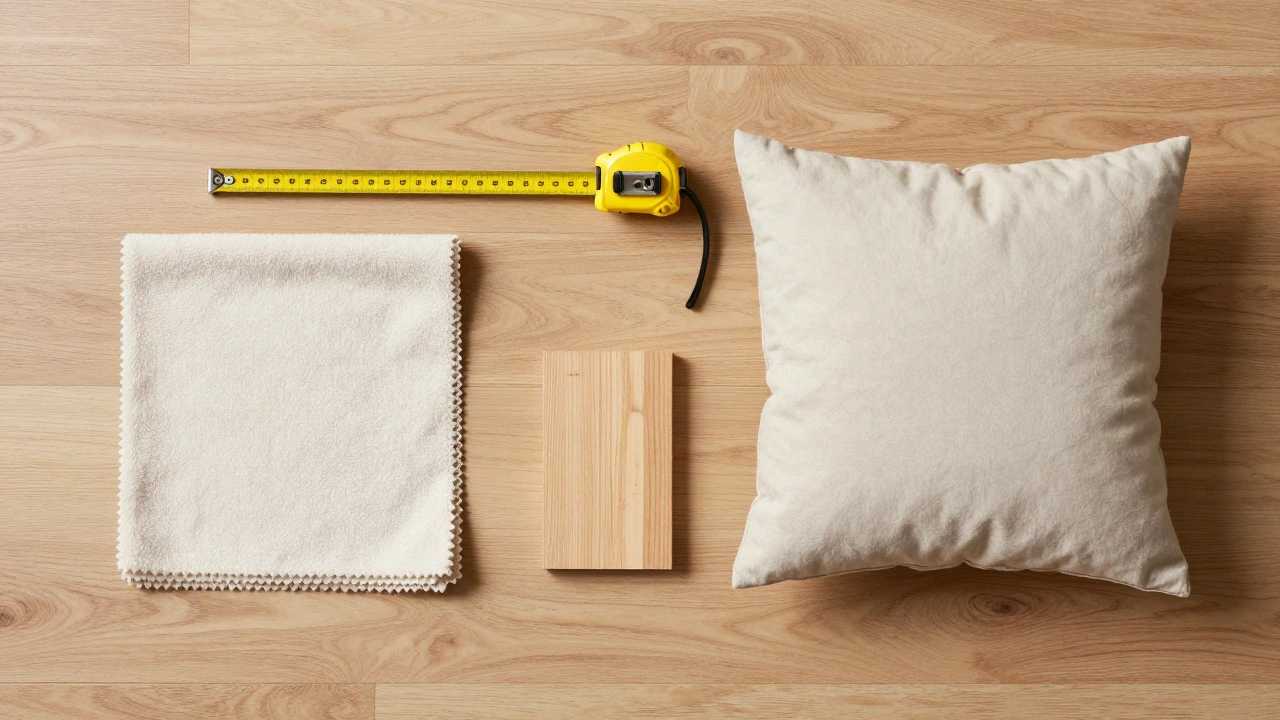
- Measure Your Space: Before you fall in love with a velvet chaise, measure your room. Leave at least 30cm (12 inches) of walking space around the seating. A huge sectional in a small Wellington apartment will feel cramped.
- Consider the Frame: Hardwood frames (like oak or maple) last longer than softwoods or particleboard. Check the joinery-dowel joints with glue are stronger than staples alone.
- Choose the Right Fabric: If you have pets or kids, avoid light-colored linen. Go for performance fabrics like microfiber or tightly woven cotton. Leather is durable but can scratch easily.
- Test the Comfort: Sit on it. Lie on it. Stay for five minutes. Does your back hurt? Are the arms too high? Comfort is subjective, so trust your body, not the showroom lighting.
- Think About Maintenance: Removable covers make cleaning easier. Stain-resistant treatments add value. Ask about warranty coverage for springs and foam.
In 2026, sustainability is also a key factor. Look for brands using recycled materials or FSC-certified wood. Many manufacturers now offer take-back programs for old furniture, reducing landfill waste.
Common Mistakes to Avoid
Buying a sofa or couch is a long-term investment. Don’t let these common pitfalls ruin your experience.
- Ignoring Scale: A massive sectional in a tiny room overwhelms the space. Conversely, a petite loveseat in a large open-plan area looks lost. Balance is key.
- Focusing Only on Price: Cheap sofas often sag within a year. Invest in quality construction. A mid-range option from a reputable brand usually outlasts budget alternatives.
- Skipping Delivery Details: Can it fit through your door? Upstairs? Measure hallways and stairwells. Some stores charge extra for difficult deliveries, so ask upfront.
- Neglecting Color Trends: Bold colors fade fast. Neutral tones like grey, beige, or navy are timeless. Add color with cushions instead.
Final Thoughts: It’s All About Comfort
At the end of the day, whether you call it a couch or a sofa doesn’t change how you’ll use it. You’ll sit on it, relax on it, maybe nap on it, and host friends on it. The best choice is the one that fits your space, your style, and your lifestyle.
Don’t stress over semantics. Focus on finding a piece that feels right. Visit showrooms, read reviews, and test drive your options. Your future self will thank you when you sink into that perfectly supportive seat after a long day.
Is a couch bigger than a sofa?
No, size is not determined by the name. Both couches and sofas come in various sizes, from compact two-seaters to large sectionals. Size depends on the specific model, not the term used.
Can I use the terms interchangeably?
Yes, absolutely. In everyday conversation and retail, couch and sofa are completely interchangeable. No one will judge you for using one over the other.
What is the difference between a sofa and a sectional?
A sectional is a type of sofa made of multiple separate pieces that connect to form an L-shape or U-shape. Standard sofas are single units. Sectionals are larger and more modular.
Which term is more formal?
"Sofa" is generally considered more formal and elegant. "Couch" is more casual and relaxed. Use "sofa" in professional settings or real estate listings, and "couch" in casual conversation.
Do couches and sofas cost differently?
No, price is based on materials, brand, and construction, not the name. A high-end sofa costs the same as a high-end couch if they are identical in design and quality.