True Mirror Cost & Value Calculator
Configuration
Analysis Result
Configure your mirror settings to see the cost breakdown.
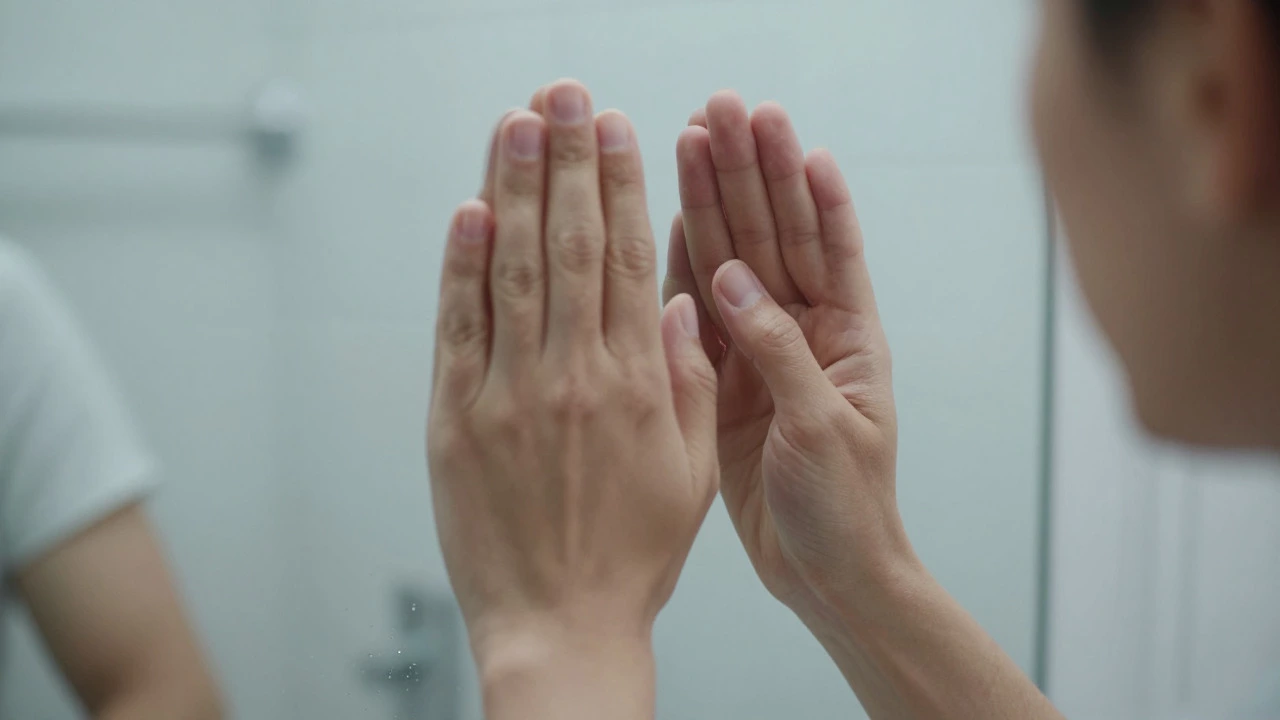
Look in a standard bathroom mirror. Raise your right hand. The reflection raises its left. It’s a trick your brain has accepted for decades, but it’s not how you actually look to the world. Now imagine seeing yourself exactly as others see you-no horizontal flip, no distortion. That is what a true mirror does. But when you go to buy one, the price tag often stings. While a basic wall mirror might cost $20, a true mirror can easily run you $150 or more. Why is there such a massive gap?
The short answer is that a true mirror isn't just a piece of glass with silver backing. It is an optical assembly that requires precision engineering, higher-grade materials, and a manufacturing process that rejects imperfections far more harshly than standard mirror production. You aren't just paying for a reflection; you are paying for accuracy.
The Physics Behind the Price Tag
To understand why true mirrors cost more, we first have to look at how they work. A standard mirror uses a single sheet of glass coated with a reflective layer, usually aluminum or silver. When light hits this surface, it bounces back directly. Your brain interprets this bounce as a reversal because the light from your right eye travels straight back to your right side of the visual field, creating a laterally inverted image.
A true mirror, technically known as a non-reversing mirror or three-mirror system, bypasses this issue by using two standard mirrors placed at a 90-degree angle to each other. When light hits the first mirror, it reflects to the second, and then back to your eyes. This double reflection cancels out the lateral inversion. Mathematically, flipping an image twice restores it to its original orientation.
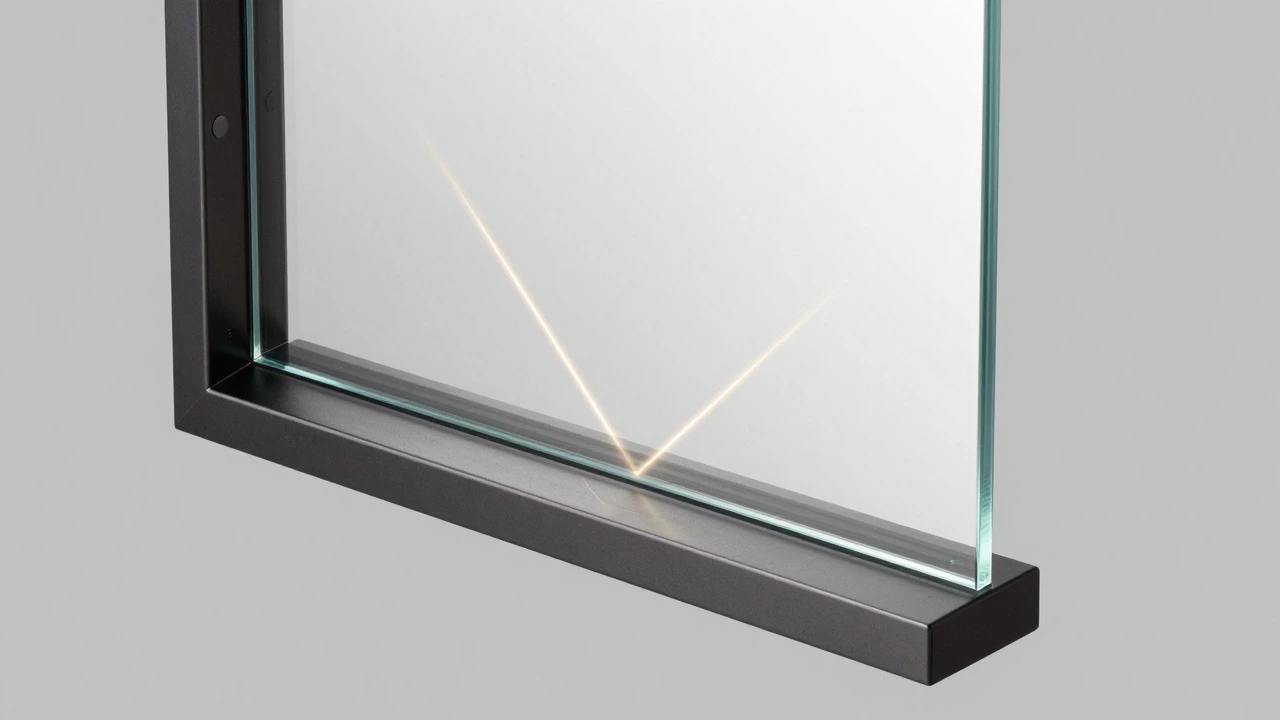
So, if it's just two pieces of glass, why is it expensive? The problem lies in the seam where the two mirrors meet. If that corner isn't perfectly aligned, the reflection will be split, distorted, or doubled. Creating a seamless join between two flat surfaces is significantly harder than polishing a single flat sheet. Manufacturers must use high-precision laser alignment during assembly to ensure the angle is exactly 90 degrees. Any deviation results in a warped image, which renders the product useless for its primary purpose. This precision assembly adds labor and time costs that don't exist in standard mirror manufacturing.
Material Quality: Glass Isn't Just Glass
You might assume all mirrors use the same type of glass. They don't. Standard mirrors often use lower-grade float glass that may contain slight waves, bubbles, or color tints (usually greenish due to iron impurities). For a standard mirror, these flaws are barely noticeable because your brain ignores minor distortions in a familiar context.
In a true mirror, however, every flaw is magnified. Because the light path is longer and involves multiple reflections, any imperfection in the glass becomes glaringly obvious. To combat this, premium true mirrors use low-iron glass (also known as ultra-clear glass). This glass has had the iron content reduced, eliminating the green tint and providing a neutral, crystal-clear reflection. Low-iron glass is more expensive to produce and source than standard float glass.
Additionally, the reflective coating itself matters. Cheap mirrors use aluminum, which oxidizes over time and creates a cloudy edge. High-end true mirrors often use silver backing protected by multiple layers of copper and paint. Silver provides a brighter, more accurate color reflection, but it is softer and more prone to scratching if not properly sealed. The sealing process for true mirrors must be flawless to prevent "mirror rot" (black edges), adding another layer of quality control cost.
| Feature | Standard Mirror | True Mirror |
|---|---|---|
| Glass Type | Standard Float Glass (Greenish tint) | Low-Iron Ultra-Clear Glass |
| Reflection Type | Laterally Inverted (Reversed) | Non-Reversing (Accurate) |
| Construction | Single Sheet | Dual-Mirror Assembly (90° Angle) |
| Coating | Aluminum (Common) | Silver/Copper (Premium) |
| Price Range | $20 - $80 | $100 - $300+ |
| Primary Use | Bathroom, Hallway | Makeup, Hair Styling, Dance Practice |
The Manufacturing Bottleneck
Mass production drives down costs. Standard mirrors are produced in massive quantities on continuous roller lines. The process is automated, fast, and efficient. A factory can churn out thousands of square feet of standard mirror daily.
True mirrors, by contrast, suffer from a lack of economies of scale. They are niche products. Most people never realize their standard mirror flips them, so the demand is limited to makeup artists, hairstylists, dancers, and beauty enthusiasts. Lower demand means smaller production runs. Smaller runs mean factories can't spread the setup costs as thinly. Each unit carries a higher overhead cost.
Furthermore, the assembly process for true mirrors is less automated. Aligning two mirrors to a perfect 90-degree angle and securing them without creating air gaps or stress points often requires manual inspection and adjustment. Labor costs are rising globally, and any step that requires human intervention rather than robotic automation increases the final price. If a batch of true mirrors comes off the line with even a 1% defect rate due to misalignment, those units are scrapped entirely, further driving up the cost of the good ones.
Design and Framing Costs
Let’s talk about aesthetics. A true mirror needs a frame that hides the internal joint. Unlike a standard mirror where the frame sits flush against the glass, a true mirror frame must accommodate the thickness of two overlapping glass panels and the structural support holding them at an angle. This requires deeper, more robust framing materials.
Cheap plastic frames warp under the weight and tension of dual-glass assemblies. Therefore, manufacturers often use heavier woods, metals, or reinforced composites. These materials cost more upfront. Additionally, the design complexity increases. The frame must not only look good but also structurally maintain the 90-degree angle indefinitely. If the frame twists even slightly over time due to humidity or temperature changes, the mirror’s accuracy is lost. This durability requirement pushes the price point up into the "home decor" category rather than the "utility" category.
Who Actually Needs a True Mirror?
Before you spend $200 on a true mirror, ask yourself: do you need it? For most daily tasks-checking if there’s spinach in your teeth or ensuring your shirt is tucked in-a standard mirror is perfectly fine. The brain adapts to the reversed image so quickly that it feels "normal."
However, specific professions and hobbies benefit immensely from the accuracy:
- Makeup Artists: Applying contouring or eyeliner requires knowing exactly how shadows fall on your face. A reversed mirror can lead to asymmetrical application that looks wrong in real life.
- Hair Stylists: Parting hair or cutting bangs is easier when you see the natural flow of your hair texture as others see it.
- Dancers and Actors: Muscle memory relies on accurate visual feedback. Practicing moves in a reversed mirror can subtly skew posture and movement patterns.
- Skincare Enthusiasts: Assessing acne, wrinkles, or skin tone evenly requires a non-distorted view.
If you fall into one of these categories, the investment pays off in saved time and reduced errors. If you’re just looking for a decorative piece for your hallway, a standard mirror will serve you better for a fraction of the price.
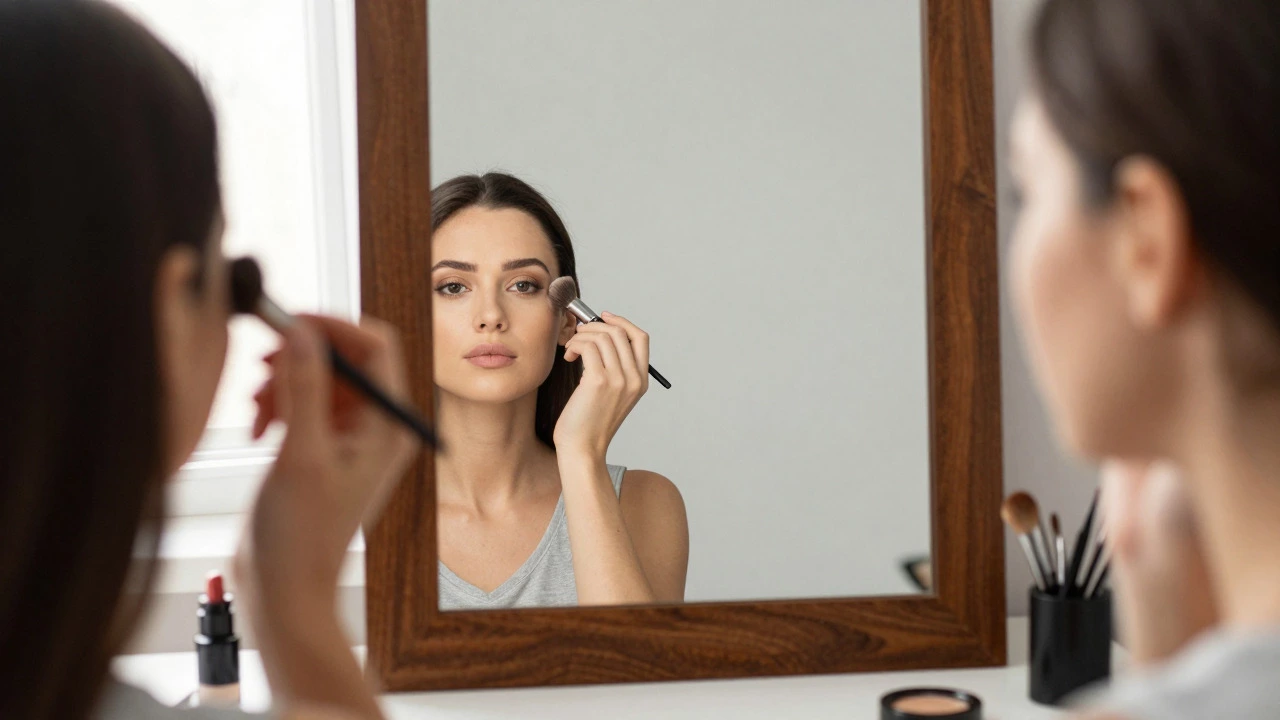
Can You Make a True Mirror Yourself?
Yes, and this is where the value proposition gets interesting. You don’t necessarily need to buy a pre-assembled true mirror. You can create one using two inexpensive standard mirrors.
Here is the basic process:
- Buy two identical square or rectangular mirrors from a discount store.
- Place them on a flat surface so they touch at one corner, forming an L-shape.
- Use a protractor or a simple carpenter’s square to ensure the angle is exactly 90 degrees.
- Secure them together using strong adhesive tape or a custom-built wooden frame that holds them in place.
The challenge here is stability. DIY solutions often shift over time. However, for the cost of two cheap mirrors ($40 total) versus a branded true mirror ($150+), it’s a compelling alternative for budget-conscious users. Just be aware that the seam will likely be visible unless you build a substantial frame around it.
Market Trends and Future Pricing
As awareness of true mirrors grows through social media platforms like TikTok and Instagram, demand is slowly increasing. We are seeing more brands enter the market, which typically leads to price competition. Currently, prices remain high due to the niche nature of the product, but as manufacturing techniques improve and more companies adopt automated assembly for dual-mirror systems, we may see prices drop in the coming years.
For now, though, the physics and material science dictate the cost. You are paying for low-iron glass, precise angular alignment, and durable construction. It’s not a markup scam; it’s the reality of optical precision.
Is a true mirror better for skincare?
Yes. A true mirror shows your face without lateral inversion, allowing you to see asymmetries in breakouts, redness, or aging signs exactly as others see them. This helps in applying treatments more accurately to specific areas.
Do true mirrors distort your face shape?
High-quality true mirrors do not distort face shape if the glass is flat and the angle is perfect. However, cheaper models with curved glass or misaligned joints can create a "funhouse" effect, stretching or compressing features near the center seam.
How long do true mirrors last?
With proper care, a true mirror with silver backing and protective sealing can last 10-15 years. Avoid hanging them in direct sunlight or high-humidity bathrooms without ventilation, as UV rays and moisture degrade the reflective coating faster.
Can I hang a true mirror in my bathroom?
It is not recommended for steamy bathrooms. Humidity can seep into the seams of the dual-mirror assembly, causing mold growth or delamination of the reflective layers. Keep true mirrors in dry areas like bedrooms or vanity rooms.
Are LED true mirrors worth the extra cost?
LED lighting improves visibility for makeup and grooming, but it adds significant cost. If you already have good ambient lighting, a non-LED true mirror is sufficient. If your room is dim, the integrated LEDs provide consistent, shadow-free light that enhances the accuracy of the reflection.