Storage Cost Estimator
Estimate your monthly storage bill based on unit type, size, location, and additional services. This tool uses average US market data for a 10x10 unit as a baseline.
Estimated Monthly Bill
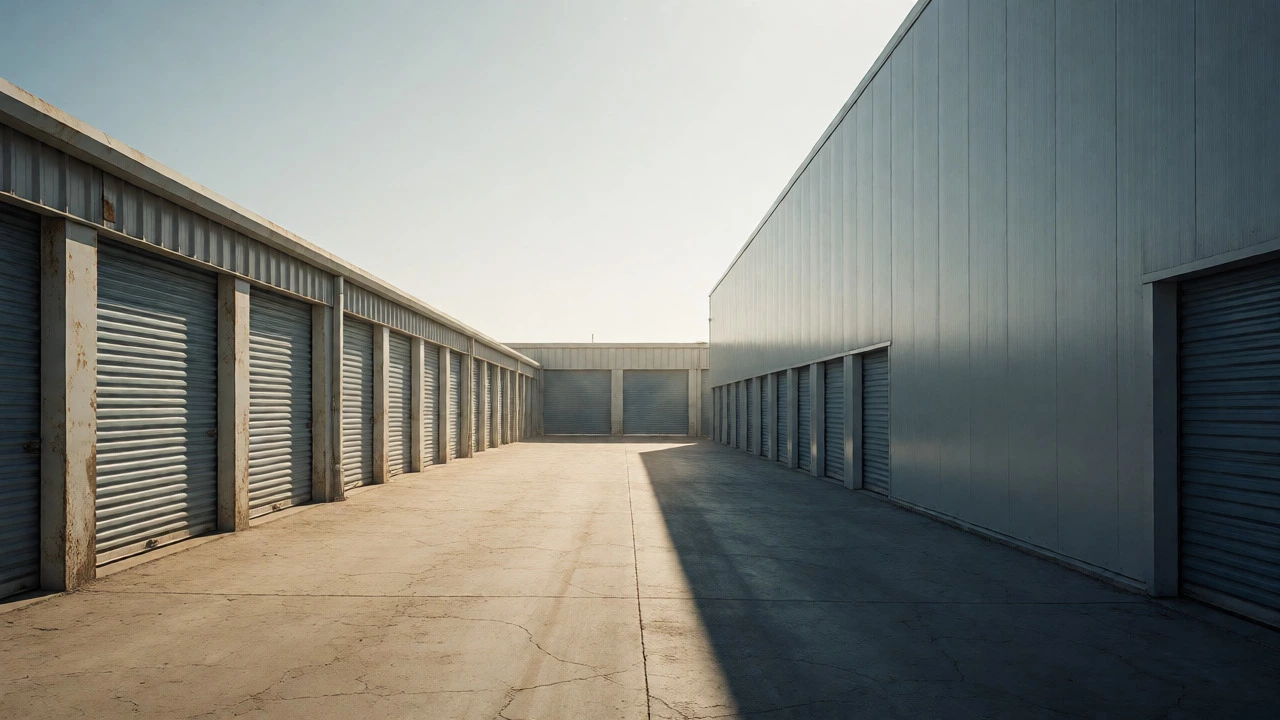
You walk into a storage facility, see a row of metal doors, and assume they all cost about the same. Wrong. The price tag on that 10x10 unit can swing by hundreds of dollars depending on one specific feature: what’s inside the walls keeping your stuff safe.
Most people think bigger is more expensive. It’s not always true. You can rent a massive warehouse bay for less than a tiny, temperature-controlled closet in the city center. So, which type of storage actually burns a hole in your wallet?
The Price Hierarchy of Storage Types
To understand where your money goes, you need to look at the operational costs behind each door. Standard outdoor units are cheap because they’re essentially empty boxes with a lock. Indoor units cost more because of building maintenance and security. But climate-controlled units? They are running a small business’s worth of electricity just to keep the air stable.
Here’s how the major categories stack up in terms of monthly rental fees (based on average US market data for a 10x10 unit):
| Storage Type | Avg. Monthly Cost (10x10) | Primary Cost Driver | Best For |
|---|---|---|---|
| Outdoor Drive-Up | $80 - $150 | Land lease & basic security | Furniture, tools, non-sensitive goods |
| Indoor Elevator Access | $120 - $220 | Building maintenance & convenience | Apartment dwellers, frequent access |
| Portable Storage Containers | $150 - $300+ | Delivery logistics & site rental | Moving transitions, on-site needs |
| Climate-Controlled Unit | $180 - $400+ | Energy (HVAC) & humidity control | Electronics, wood, art, wine |
| Valet / Full-Service Storage | $250 - $600+ | Labor & pickup/delivery service | Convenience seekers, busy professionals |
Why Climate Control Commands the Premium
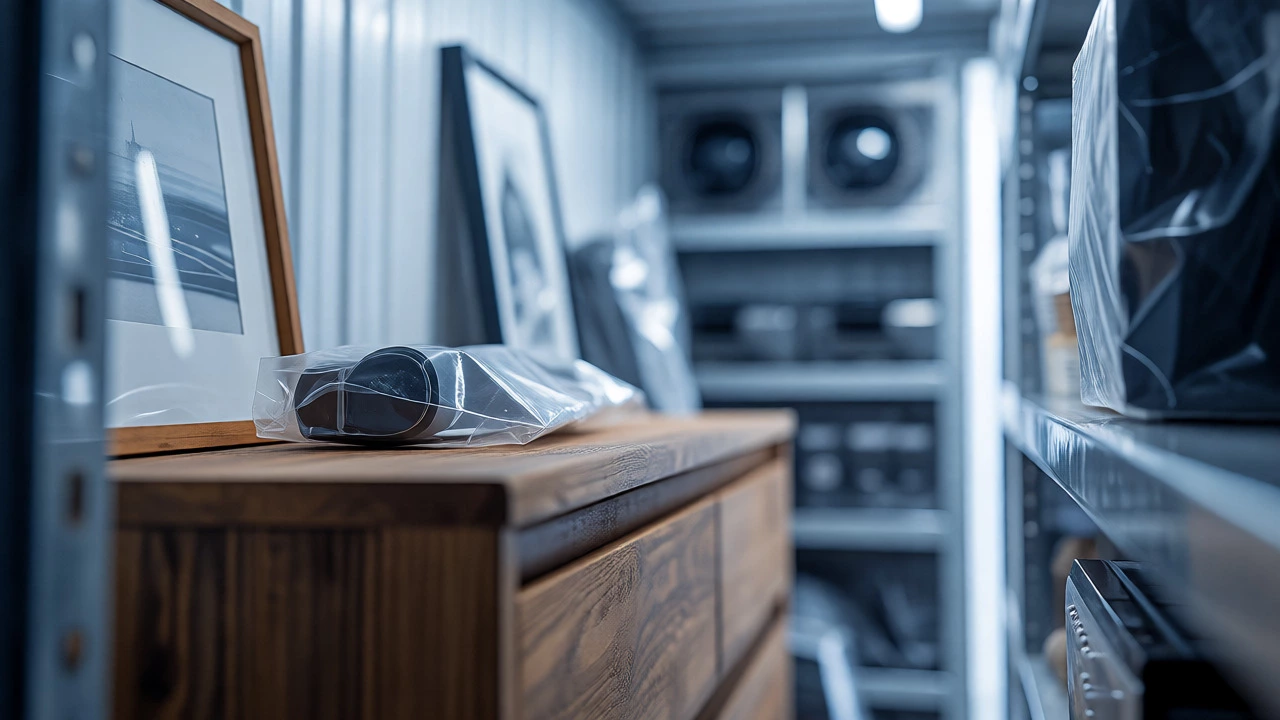
It’s not just a marketing gimmick. If you store a wooden dresser in a non-climate-controlled unit in Wellington during winter, or in Phoenix during summer, the wood will expand and contract. Eventually, joints loosen, veneers peel, and the piece loses value. Climate-controlled units hold the temperature between 55°F and 85°F (13°C-29°C) and humidity below 55%.
This stability requires industrial-grade HVAC systems. These machines don’t just cool; they dehumidify. In humid coastal areas like New Zealand, the dehumidification load is significant. That electricity bill gets passed down to you. When you pay for climate-controlled space, you’re paying for the preservation of your assets, not just the space itself.
Hidden Costs That Spike Your Bill
Even if you avoid climate control, other factors can make "cheap" storage expensive quickly. Watch out for these three traps:
- Insurance Requirements: Many facilities require proof of insurance. If you don’t have renters' insurance covering off-site items, you’ll buy their policy, adding $10-$20/month.
- Admin Fees: Some companies charge a one-time setup fee ($25-$50) and a monthly administrative fee ($5-$10). This adds up over years.
- Access Hours: If you need 24/7 access, expect to pay a premium. Restricted hours allow facilities to reduce staffing and lighting costs, passing savings to you.
When Portable Containers Become the Most Expensive Option
Portable storage, like PODS or U-Haul Moving Containers, offers incredible convenience. They drop a container in your driveway, you pack it, they take it away. But this convenience comes with logistical costs. You’re paying for truck fuel, driver labor, and often a separate land rental fee if the company doesn’t own the depot land.
In high-demand moving seasons (May-September), prices for portable units can double. If you need the container back quickly, expedited delivery fees apply. For long-term storage (over 6 months), a static indoor unit usually beats portable options on price. But for short-term moves, the time saved might justify the higher rate.
Valet Storage: The Ultimate Luxury
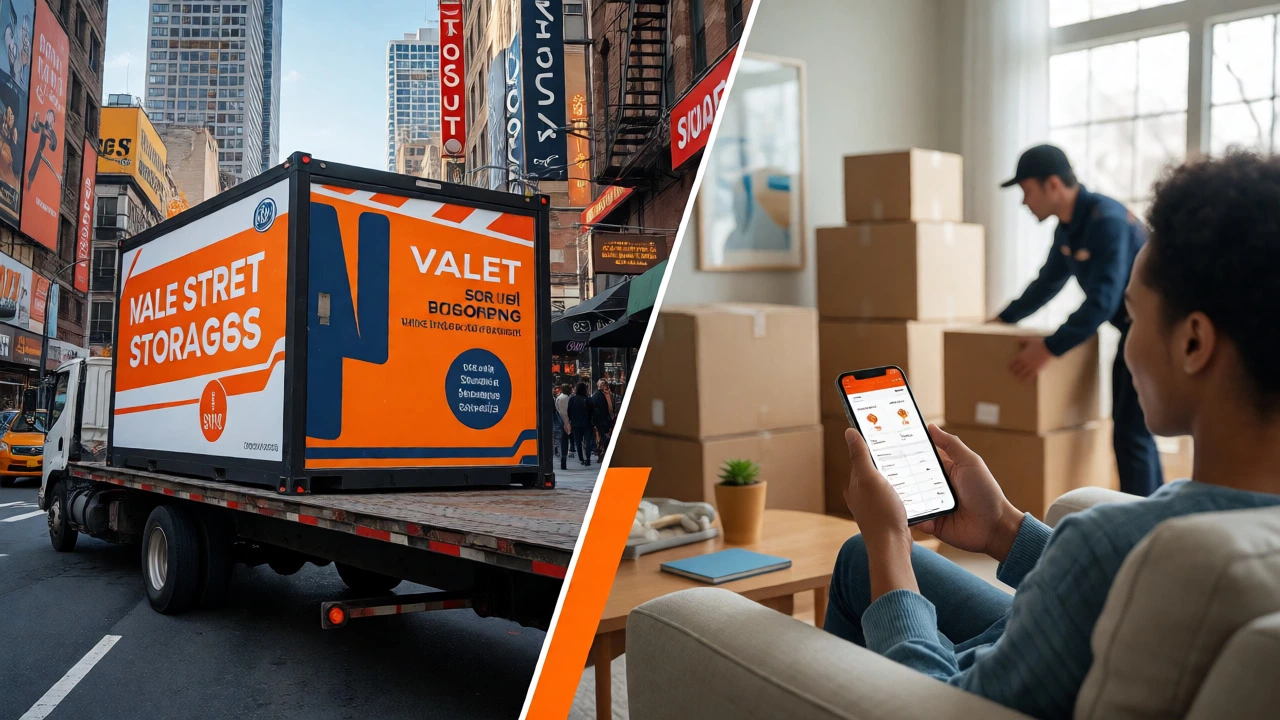
If you want to never set foot in a storage facility again, valet storage is your answer-and your biggest expense. Companies like MakeSpace or Clutter send workers to your home, pack your items, catalog them via photos, and store them in a central warehouse. You request items via an app, and they deliver them within days.
This model relies heavily on human labor. Packing, unpacking, inventory management, and last-mile delivery all cost money. While the per-square-foot rate might look competitive, the service fees dominate the total cost. It’s the most expensive option per box, but the cheapest option per hour of your life.
How to Save Without Sacrificing Safety
You don’t always need the most expensive option. Here’s how to match the right storage to your needs:
- Audit Your Items: Do you have electronics, leather, or solid wood? Yes? Pay for climate control. No? Stick to outdoor drive-up.
- Consider Location: Storage in downtown cores costs 30-50% more than suburban facilities. Can you drive 15 minutes further for half the price?
- Downsize: Pack efficiently. A well-packed 5x5 unit is cheaper than a poorly packed 10x10. Use vertical space.
- Check Promotions Carefully: "First Month Free" often locks you into a higher regular rate. Calculate the annual cost, not just the first month.
Frequently Asked Questions
Is climate-controlled storage always necessary?
No. It is only necessary for items sensitive to temperature and humidity changes, such as electronics, wooden furniture, artwork, photographs, and musical instruments. For plastic bins, metal tools, or sealed glassware, standard outdoor storage is sufficient and much cheaper.
Why are portable storage containers so expensive?
You are paying for logistics. The cost includes fuel, driver wages, truck maintenance, and often a separate land rental fee at the storage facility. Additionally, demand spikes during moving seasons can cause dynamic pricing increases.
Does location affect storage prices significantly?
Yes. Urban centers have higher land values and real estate taxes, which are passed on to renters. Facilities in rural or suburban areas can be 30-50% cheaper than those in city centers, even if the unit size and features are identical.
What is the difference between indoor and climate-controlled storage?
Indoor storage means the unit is inside a building, offering better protection from weather and theft than outdoor units. However, it does not regulate temperature or humidity. Climate-controlled storage actively heats, cools, and dehumidifies the air, preventing damage from extreme temperatures and moisture.
Are there hidden fees in storage rentals?
Common hidden fees include mandatory insurance charges, late payment penalties, administrative fees, and gate access fees for 24/7 entry. Always ask for a full breakdown of monthly costs before signing the contract.