
Bedding Classification & Care Checker
Not sure if your new purchase is a "sheet," a "blanket," or just a "throw"? Use this tool to classify your item and receive tailored advice for washing, packing, and buying.
Result Title
Summary goes here.
You are standing in the checkout line at a big-box store, holding a thick, fuzzy fleece blanket and a set of cotton sheets. The cashier asks if you want them bagged together or separate. You hesitate. Are these two things part of the same category? If you are moving into a new apartment, buying gifts for college students, or trying to follow a strict minimalist packing list, this question actually matters. Blankets are often treated differently than sheets, duvet covers, and pillowcases, which make up traditional bedding. But do they count?
The short answer is: it depends on who you ask and what rulebook you are using. In retail, they are usually neighbors but not twins. In laundry care, they might be siblings. In moving boxes, they are often separate entities. Let’s break down why this distinction exists and how you should handle your textile inventory.
Defining the Terms: What Actually Is Bedding?
To understand where blankets fit, we first need to define the container they live in. Bedding is a broad term that refers to all the protective coverings used on a bed. This includes items that touch your skin directly, like sheets, and items that provide insulation, like comforters. Historically, bedding was strictly about hygiene and protection-keeping the mattress clean and the sleeper warm.
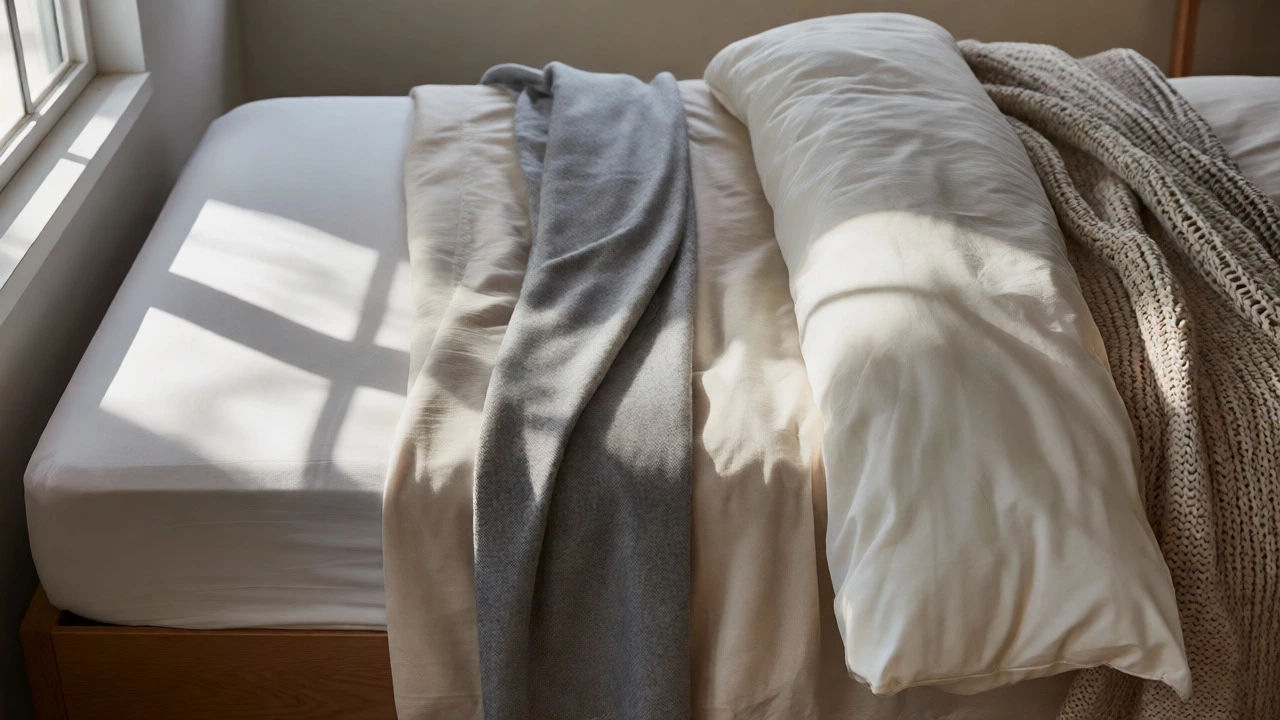
Today, the definition has blurred slightly with fashion, but the functional core remains. Bedding typically consists of three layers:
- Base Layer: Mattress protectors and fitted sheets. These stay put.
- Middle Layer: Flat sheets and blankets. These are adjustable.
- Top Layer: Duvet covers, quilts, and decorative throws. These are for warmth and style.
A blanket sits firmly in the middle or top layer. So, technically, yes, it is a component of bedding. However, when people say "buying bedding," they often mean the sheet set specifically. This semantic gap causes most of the confusion.
Retail Classification: Why Stores Separate Them
If you walk into a Target or a local Wellington homeware shop, you will likely see signs pointing to "Bed Linen" and "Throws & Blankets." They are kept apart for practical reasons, not just arbitrary categorization.
| Category | Typical Items | Primary Function | Washing Frequency |
|---|---|---|---|
| Bed Linens | Fitted sheets, flat sheets, pillowcases | Hygiene, direct skin contact | Weekly |
| Warmth Layers | Duvets, comforters, heavy blankets | Insulation, temperature control | Monthly to Quarterly |
| Decorative Throws | Fleece throws, knit blankets, shawls | Aesthetics, casual use | As needed |
Retailers separate them because their purchase cycles differ. You replace sheets when they wear out or stain. You buy a new blanket when the seasons change or your decor changes. Grouping them confuses shoppers who only need one item. When you search online, "bedding sets" usually return sheets plus a duvet cover. If you want a standalone blanket, you have to search specifically for "blankets" or "throws."
The Laundry Reality Check
Here is where the "do they count" question becomes urgent. Can you wash your blanket with your sheets? Just because they share a bed doesn’t mean they share a washing machine cycle.
Sheets are usually made of cotton, linen, or bamboo. They tolerate hot water and high spin speeds. Blankets vary wildly. A wool blanket shrinks if you treat it like cotton. A synthetic fleece blanket can melt or pill if washed too hot. A weighted blanket is often too heavy for standard residential machines.
Follow these rules to avoid disaster:
- Check the Care Label: Always. No exceptions. If the label says "Dry Clean Only," putting it in the washer voids the warranty and ruins the fabric.
- Separate by Weight: Never wash a heavy wool blanket with light cotton sheets. The imbalance can damage your drum bearings over time.
- Color Fastness: New dyed blankets often bleed. Wash them alone for the first two cycles.
If you are following a hotel-style rotation, you wash sheets weekly. You wash duvet covers monthly. You wash the actual blanket (if it’s an under-layer) quarterly. Treating them as a single unit leads to either dirty sheets or ruined blankets.
Packing and Moving: The Box Problem
If you are moving house, especially here in NZ where rentals often require professional cleaning checks, how you pack matters. Landlords and movers distinguish between "linens" and "soft goods."
When creating an inventory list, do not lump them together. List "Bed Sheets" separately from "Bed Blankets." Why? Because their value differs. A high-thread-count Egyptian cotton sheet set costs significantly more than a basic acrylic blanket. Insurance claims look at replacement cost. If you bundle them, you might undervalue your claim.
For packing efficiency:
- Suitcases: Roll sheets tightly. They compress well.
- Garbage Bags: Great for bulky comforters and large blankets. They keep dust off during transit.
- Don't Mix: Keep your "sleeping kit" (pillow, one sheet, one blanket) accessible for the first night. Don't bury your only blanket under twenty boxes of kitchen plates.
Gift Giving Etiquette
Is a blanket a good gift? It depends on the occasion. For a housewarming, a high-quality throw is often better received than a sheet set. Why? Because everyone already owns sheets. They might own ten sets. But a cozy, stylish blanket adds something new to their living space.
However, for weddings or registry lists, "bedding" implies the full package. If you buy just a blanket for a wedding gift, ensure it is luxury-grade-think cashmere or merino wool. A cheap fleece blanket feels like an afterthought unless it’s paired with a note explaining its utility for camping or lounging.
Minimalism and Travel: What Do You Really Need?
If you are a traveler or a minimalist, the question shifts from "what is it called" to "what do I need." Most hostels and hotels provide bedding (sheets and duvets). They rarely provide extra blankets unless requested.
This is why travel experts recommend carrying a lightweight sleeping bag liner or a compact throw. It acts as a barrier against hotel hygiene concerns and provides adjustable warmth. In this context, your personal blanket is essential gear, even if the hotel counts its own blankets as part of the room's "bedding."
Final Verdict
So, do blankets count as bedding? Yes, functionally. They are part of the system that keeps you comfortable at night. But practically, treat them as distinct items. Buy them separately, wash them differently, and pack them with intention. Understanding this nuance saves you money, protects your fabrics, and makes your life easier when you’re trying to organize your home.
Is a duvet considered a blanket?
Technically, no. A duvet is a type of comforter filled with down or synthetic fibers, designed to be used inside a removable cover. A blanket is a single piece of fabric without filling. While both provide warmth, they are constructed differently and cleaned differently. Duvets are rarely washed themselves; the cover is washed instead.
Can I donate old blankets to animal shelters?
Yes, but check with the specific shelter first. Many prefer towels or old t-shirts because they are easier to wash and less prone to tangling around animal limbs. Fleece blankets are sometimes accepted, but avoid donating blankets with loose threads or zippers that pets could chew off and swallow.
How many blankets do I need per bed?
For climate-controlled homes, one primary warming layer (duvet or heavy blanket) and one backup layer (light throw) is sufficient. In colder regions like Otago, you might need a heavier winter blanket and a lighter summer alternative. Rotation helps extend the lifespan of each item.
Do electric blankets count as bedding?
Electric blankets are classified as electrical appliances rather than traditional textiles. They require special care instructions regarding folding (never fold while plugged in) and storage (store flat, not compressed). They are not typically included in standard "bedding sets" sold by linen manufacturers.
What is the difference between a throw and a blanket?
Size and usage. A blanket is generally sized to fit a bed (twin, queen, king) and is intended for sleeping. A throw is smaller (usually 50x60 inches), designed for sofas or chairs, and prioritizes aesthetics and portability over thermal efficiency for sleep.