Rug Cleanability Matchmaker
Answer a few questions about your household to get a personalized recommendation for the most low-maintenance rug material and style.
Why this match?
Maintenance Tips
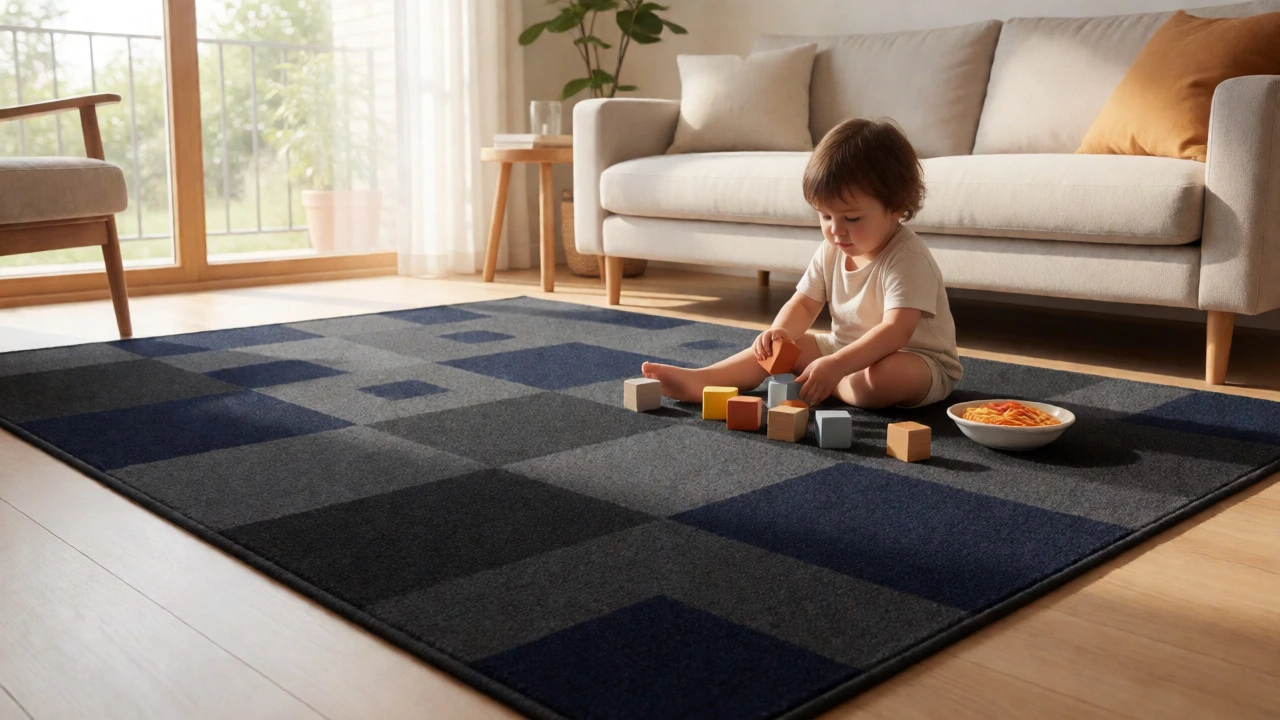
You just spent three months of your salary on a beautiful hand-knotted wool rug. It looks stunning in the living room. Then, two days later, your toddler decides that spaghetti sauce is a better medium for art than crayons. Suddenly, you’re not admiring craftsmanship; you’re staring at a grease stain that seems to be spreading like a rumor.
This is the reality of owning area rugs. They are high-traffic zones for feet, paws, and spills. If you want a floor covering that survives real life without demanding professional cleaning every six months, you need to choose your material and construction carefully. The answer isn’t just one type of rug; it’s a combination of fiber, pile height, and pattern.
The Short Answer: What Works Best
If you want the absolute easiest rug to maintain, look for Synthetic Low-Pile Rugs, specifically those made from polypropylene or olefin fibers with a flat weave or short pile. These materials are inherently stain-resistant, often color-fast, and can usually be hosed down or spot-cleaned with basic household solutions. Avoid long-pile shag rugs, light-colored natural fibers like silk or unsealed wool, and intricate patterns that hide dirt but trap debris.
Why does this matter? Because "easy" doesn't mean "indestructible." It means forgiving. A polypropylene rug might get dirty, but it won’t hold onto the smell or the stain if you act quickly. A wool rug might resist stains initially due to its lanolin coating, but once water gets in, it requires specialized care to prevent shrinking or mildew.
Fiber Choice Matters More Than You Think
The material determines how the rug reacts to messes. Here is the breakdown of common options based on cleaning difficulty.
| Material | Cleanability Score (1-10) | Best For | Major Drawback |
|---|---|---|---|
| Polypropylene | 9/10 | Kitchens, kids' rooms, outdoor patios | Can flatten over time; feels less luxurious |
| Nylon | 8/10 | High-traffic hallways, living rooms | More expensive; can absorb oil-based stains if untreated |
| Wool | 6/10 | Formal dining rooms, bedrooms | Requires professional cleaning; sensitive to moisture |
| Jute/Sisal | 3/10 | Dry areas, low-foot-traffic zones | Absorbs liquids instantly; difficult to remove stains |
| Cotton | 7/10 | Bathrooms, kitchens (flatweave only) | Shrinks if washed hot; wears out faster than synthetics |
Polypropylene, also known as olefin, is the workhorse of the easy-clean world. It is plastic-based, which means it doesn’t absorb water easily. Spills sit on top until you blot them away. It’s also generally cheaper, so if you do ruin it, replacing it doesn’t break the bank.
Nylon is the runner-up. It’s incredibly durable and resilient, meaning it bounces back after furniture sits on it. Many modern nylon rugs come with built-in stain guards. However, if you spill red wine or coffee, you need to act fast. Unlike polypropylene, nylon can sometimes hold onto dyes if left too long.
Pile Height: The Dirt Trap Factor
Even if you choose the right fiber, the wrong pile height will make cleaning miserable. Think of pile height as a net for dust. The longer the strands, the more surface area there is for crumbs, pet hair, and skin cells to get tangled in.
- Low Pile (under 0.5 inches): This is your sweet spot. Dust settles on top rather than deep inside. Your vacuum cleaner can actually reach the base of the fibers to suck up debris. Shaggy rugs? Not so much. Vacuuming a shag rug often feels like you’re just moving dirt around.
- Flat Weave: Even easier than low pile. There’s no depth to trap anything. You can flip these rugs over and shake them outside, or even put smaller ones in the washing machine (check the label first!).
- High Pile/Shag: Beautiful, cozy, and a nightmare to clean. Pet hair wraps around individual strands. Crumbs sink to the backing where your vacuum nozzle can’t reach. Unless you have a robot vacuum with strong suction and a tangle-free brush roll, avoid these in busy areas.
I learned this the hard way when I bought a faux-fur rug for my hallway. It looked plush. Two weeks later, it was a grey-brown mess of dog fur and sidewalk grit. Switching to a low-pile synthetic blend saved me an hour of scrubbing every weekend.
Pattern and Color: Hiding in Plain Sight
Here’s a counter-intuitive tip: white rugs are not always the hardest to keep looking clean. Sure, they show every speck of dirt immediately. But they also let you see exactly where to spot-clean. A beige rug might hide dust for weeks, then suddenly look dingy because the grime has settled deep into the fibers.
However, for true low-maintenance, go for:
- Mottled or Heathered Colors: Mixes of light and dark tones disguise everyday footprints and minor spills.
- Geometric Patterns: Busy designs distract the eye from small stains.
- Darker Shades: Charcoal, navy, or deep green hide pet hair and mud better than pastels.
Avoid solid light colors unless you are disciplined about daily vacuuming. And steer clear of pure black if you have white-haired pets-contrast is unforgiving.
Construction: How It’s Made Changes Everything
How the rug is constructed affects how well it holds up to cleaning methods. Tufted rugs are glued together. If you soak a tufted rug, the glue can weaken, causing shedding or separation. Woven rugs (like kilims) are tighter and more stable. They can handle more aggressive cleaning without falling apart.
Look for "stain-guard" treatments. Brands like Stainmaster apply protective coatings during manufacturing. These repel liquids, giving you a 10-15 minute window to blot a spill before it penetrates. Without this treatment, even synthetic fibers can eventually absorb oily residues.
Also, check the backing. Latex-backed rugs are flexible but can degrade if exposed to harsh chemicals or excessive heat. Natural rubber or PVC backings are often more durable for wet-cleaning scenarios.
Real-Life Scenarios: Which Rug Fits Your Life?
Let’s match specific lifestyles to the best rug types.
The Family with Toddlers
You need something that can take a beating. Go for a **low-pile polypropylene rug** in a dark, patterned design. Why? Because juice boxes will explode. You’ll want to hose it down on the patio or use a carpet shampooer without worrying about shrinking or fading. Cotton flatweaves are also great here because many are machine-washable.
The Pet Owner
Hair and accidents are the main enemies. Choose a **short-pile nylon or polyester rug**. Nylon resists crushing under paw traffic. Polyester is naturally stain-resistant and dries quickly. Avoid jute or sisal-pets love to chew on them, and urine soaks in instantly, creating odors that are nearly impossible to remove.
The Formal Dining Room
You want elegance, but you don’t want to panic every time someone drops a fork. A **wool rug with a tight loop pile** works well. Wool is naturally fire-resistant and hides soil reasonably well. Just ensure you vacuum regularly with a suction-only setting (no beater bar) to prevent pulling the loops. If you drink red wine frequently, consider a treated wool or a high-quality synthetic alternative that mimics wool’s look.
The Outdoor Patio
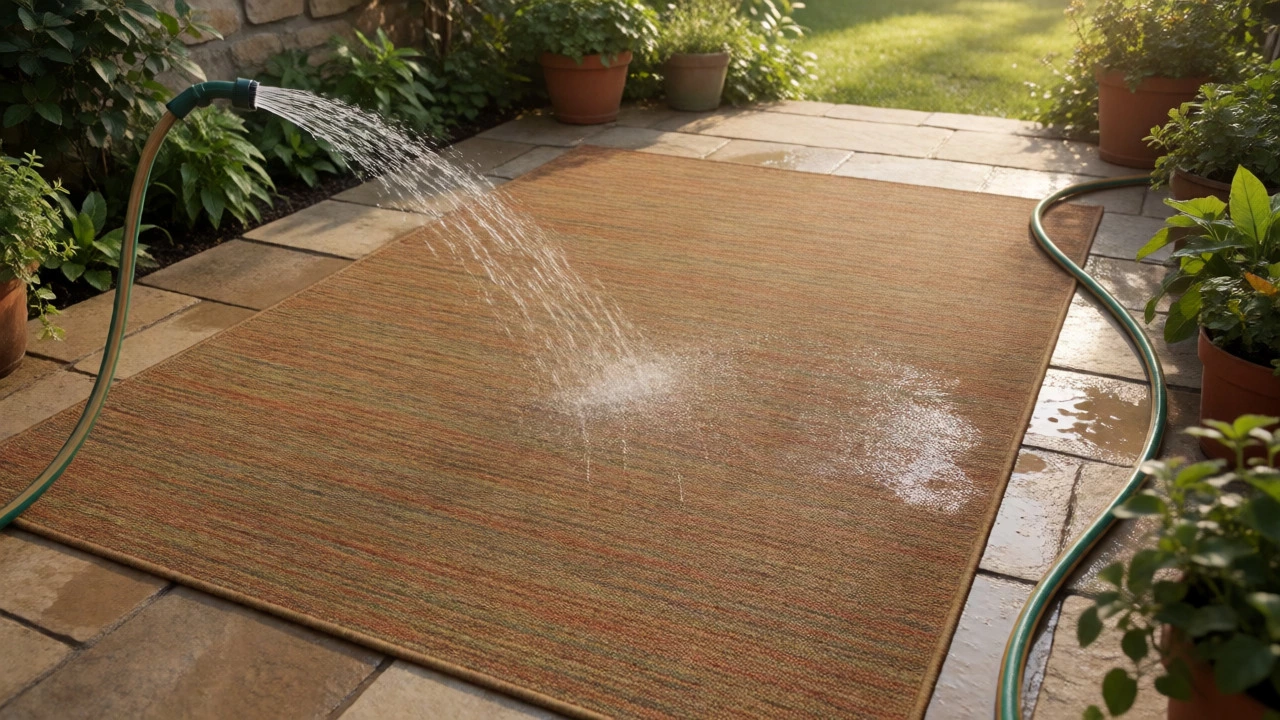
Weather is the variable. Use **100% polypropylene outdoor rugs**. They are UV-stabilized to prevent fading and mold-resistant. You can literally sweep them off with a broom and rinse them with a garden hose. No special cleaners needed.
Cleaning Routine: Simple Habits That Save Money
Buying the right rug is half the battle. Maintaining it is the other half. Here’s a simple routine that keeps any rug looking new.
- Vacuum Weekly: For low-pile rugs, twice a week. Use a vacuum with adjustable height settings so you don’t drag the brush too hard on delicate weaves.
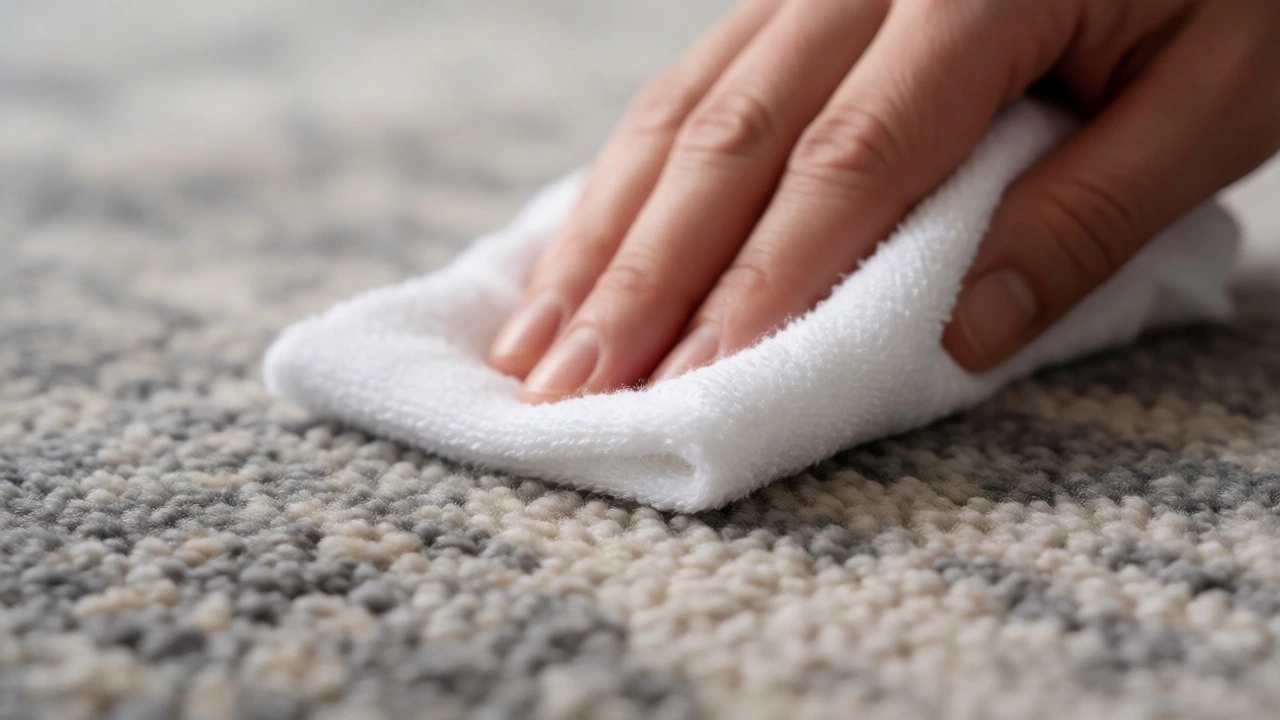
- Blot, Don’t Rub: When a spill happens, grab a white cloth (so dye doesn’t transfer) and press down. Rubbing pushes the liquid deeper and damages fibers.
- Rotate Quarterly: Traffic patterns wear rugs unevenly. Rotating them ensures even aging and prevents one side from becoming permanently matted.
- Use a Rug Pad: A good felt-and-rubber pad adds cushion, prevents slipping, and allows air circulation underneath, which reduces moisture buildup and odor.
For deep cleaning, skip the expensive steam cleaners if you have synthetic rugs. A mixture of warm water and a few drops of dish soap is usually enough. Test it on a hidden corner first. For wool, use pH-neutral cleaners specifically designed for natural fibers.
Common Myths About Easy-Clean Rugs
Let’s bust a few misconceptions.
Myth 1: Dark rugs are harder to clean.
False. Dark rugs hide visual dirt, but they still accumulate dust and allergens. You still need to vacuum them as often as light rugs. The difference is aesthetic, not hygienic.
Myth 2: All synthetic rugs feel cheap.
Not anymore. Modern microfiber polyesters and textured nylons mimic the softness of wool surprisingly well. Some even have antimicrobial properties woven into the fibers.
Myth 3: You must dry-clean all rugs.
Only specific types. Most flatweaves, cottons, and synthetics can be cleaned at home. Check the manufacturer’s tag. If it says "professional cleaning only," stick to that to preserve warranties.
Final Verdict
If you hate doing chores, buy a **low-pile, patterned polypropylene rug**. It’s affordable, tough, and forgiving. If you want luxury without the fuss, opt for a **treated nylon or tightly woven wool** in a darker shade. Whatever you choose, remember that maintenance habits matter more than the price tag. A $50 rug kept clean weekly looks better than a $500 rug ignored for a year.
Are wool rugs hard to clean?
Wool rugs are moderately difficult to clean compared to synthetics. While wool naturally repels some stains due to its lanolin coating, it absorbs water readily. Once wet, wool requires careful drying to prevent shrinkage, warping, or mildew. Professional cleaning is recommended for deep stains, making it higher maintenance than polypropylene or nylon.
Can I wash a jute rug?
Generally, no. Jute is a natural plant fiber that absorbs liquids quickly and can stain easily. Water exposure can cause jute to swell, warp, or develop brown rings. Spot cleaning with minimal moisture is possible, but full washing is risky and often ruins the texture and shape of the rug.
What is the best rug for homes with pets?
Short-pile synthetic rugs made of nylon or polyester are best for pet owners. They resist staining, dry quickly after accidents, and shed pet hair easily when vacuumed. Avoid loose weaves or long piles that trap fur and allow urine to seep into the backing.
Do rug pads help keep rugs clean?
Yes, indirectly. Rug pads prevent slipping, which reduces friction and wear. They also create a gap between the rug and the floor, allowing air circulation that helps dissipate moisture and odors. Additionally, pads protect the rug backing from absorbing spills that run through the fibers.
Is polypropylene safe for indoor use?
Yes, polypropylene is widely used indoors. It is non-toxic, hypoallergenic, and resistant to mold and mildew. Some lower-quality versions may emit volatile organic compounds (VOCs) when new, but these typically dissipate within a few days of airing out. Look for certifications like GREENGUARD for low emissions.