Mirror Shape Selector Tool
Let's find your perfect mirror shape
What room are you decorating?
Why This Matters
Mirror shapes affect light reflection, space perception, and functionality. A round mirror softens angles, while rectangular mirrors offer practical viewing. Choose wisely!
Pro Tip
"Test before you buy! Hold up cardboard cutouts to see how shapes fit your space."
Choosing the right mirror shape isn’t just about looks-it affects how light moves through your space, how big your room feels, and even how functional it is for your daily routine. You might think all mirrors are the same, but the shape you pick can make your small bathroom feel airy or your living room feel cluttered. Let’s cut through the noise and give you real, no-fluff advice based on how people actually live with mirrors in 2026.
Round Mirrors: Soften the Space
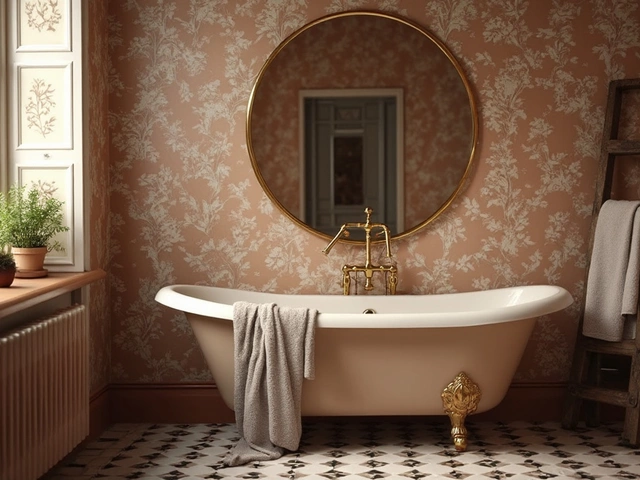
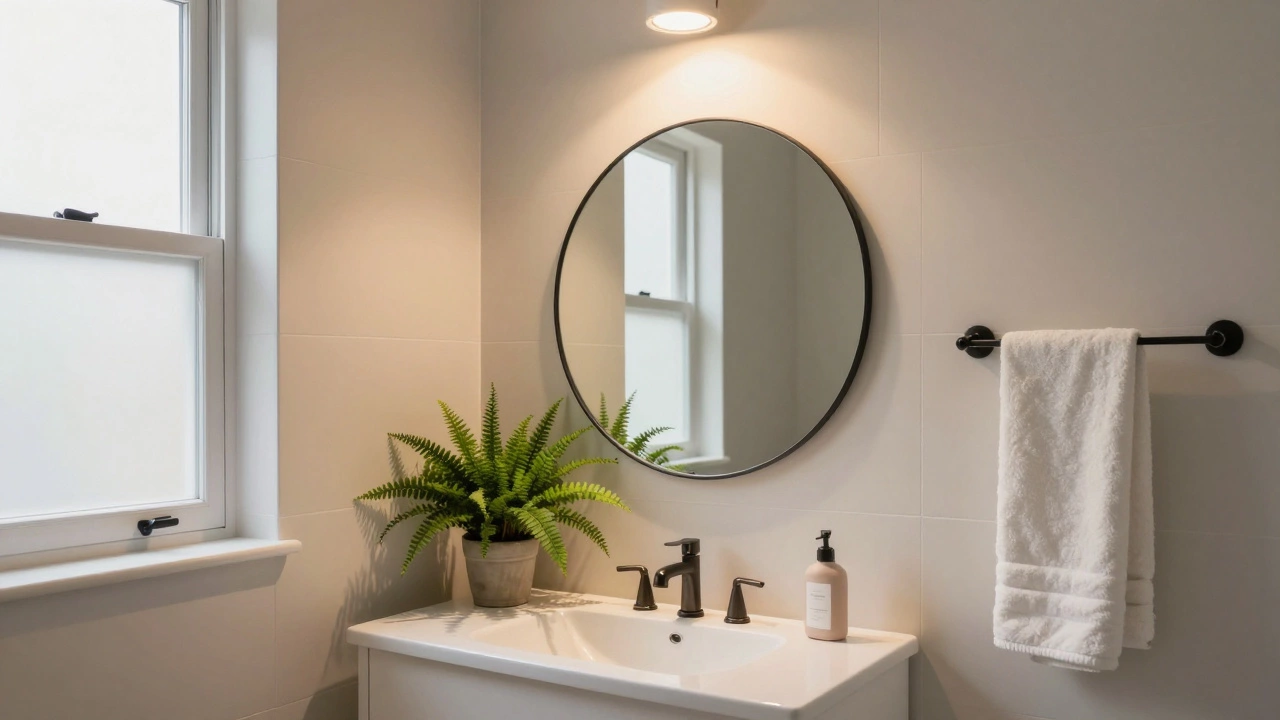
Round mirrors are the quiet heroes of interior design. They work best in spaces with sharp angles-think modern kitchens, square bathrooms, or rooms with lots of straight-lined furniture. A round mirror pulls the eye in gently, which helps break up rigid geometry. If you’ve ever walked into a bathroom with a harsh rectangular mirror and felt like it was staring you down, you know why this matters.
They’re also great for small spaces. A 24-inch round mirror over a vanity doesn’t overwhelm like a wide rectangle might. It reflects light evenly, making the room feel larger without adding visual bulk. In living rooms, a round mirror behind a sofa can act like a window, drawing attention to natural light sources.
Real-world tip: Look for round mirrors with a thin brass or matte black frame. Thick wooden rims can look dated. In Wellington, where homes often have limited natural light, a simple round mirror with a light-reflective backing can make a morning routine feel less gloomy.
Rectangular Mirrors: Clean, Classic, and Practical
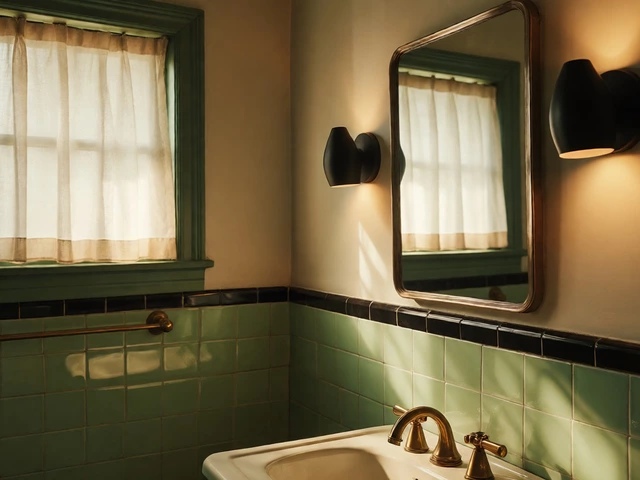
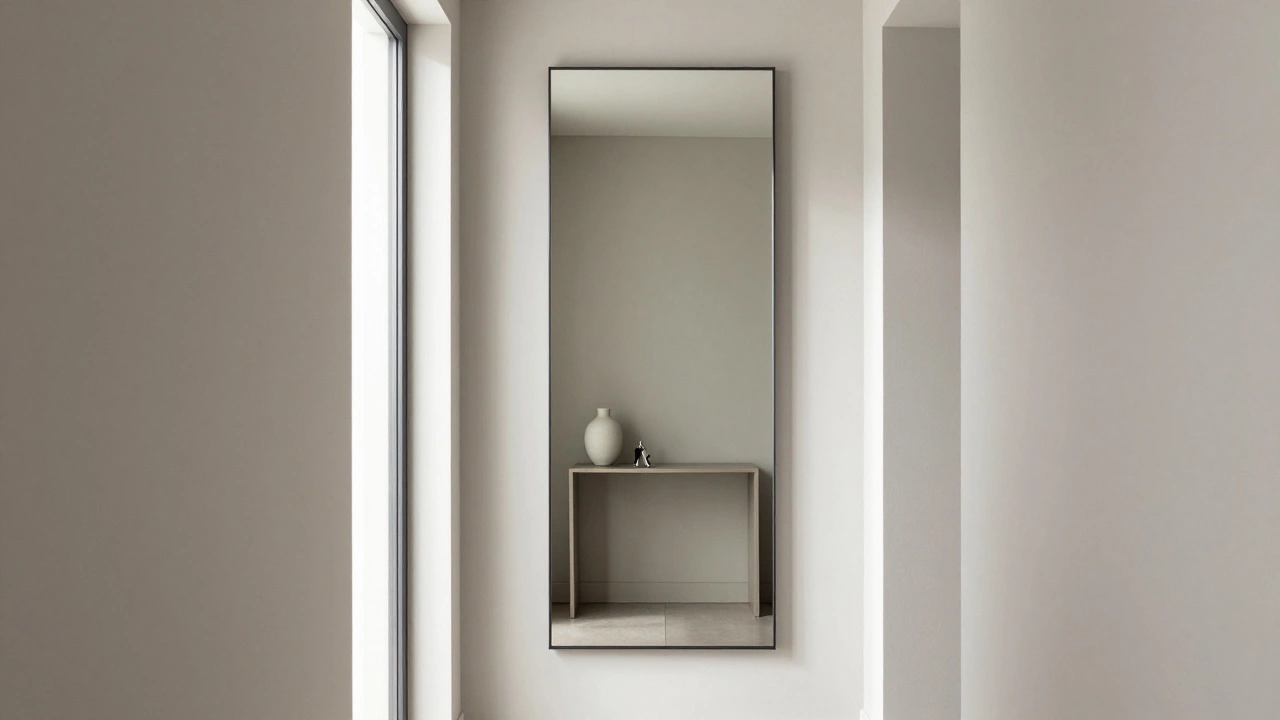
If you need a mirror that does more than look good, go rectangular. This shape dominates in bathrooms, entryways, and above consoles because it’s built for function. A tall, narrow rectangle above a sink gives you a full-body view without taking up too much wall space. A wide rectangle over a dresser? Perfect for checking your outfit before heading out.
What most people don’t realize is that the aspect ratio matters. A 3:1 vertical rectangle (like a tall, skinny mirror) is ideal for narrow walls. A 4:3 horizontal one works best over wide furniture. Avoid square rectangles unless you’re going for a very intentional, retro look-they tend to feel awkward in modern homes.
One of the biggest mistakes? Hanging a rectangular mirror too high. The center should be at eye level for the average person-about 57 to 60 inches from the floor. If you’re installing it above a vanity, the bottom edge should be 6 to 8 inches above the sink.
Oval Mirrors: The Middle Ground
Oval mirrors sit between round and rectangular. They keep the softness of a circle but add a bit of structure. They’re especially popular in bedrooms and powder rooms because they feel elegant without being formal. If you’re going for a spa-like bathroom or a vintage-inspired bedroom, an oval mirror can be the centerpiece.
Unlike round mirrors, ovals have a clear top and bottom, so they naturally draw the eye upward. That’s why they’re often used in entryways-to create a sense of height in rooms with low ceilings. A 20-inch oval mirror above a narrow console table can make a hallway feel longer.
Look for ovals with curved edges and minimal framing. A heavy gold frame can look like a 1980s hotel mirror. Instead, go for brushed nickel, matte black, or even a frameless design if you want a modern feel.
Square Mirrors: Bold and Balanced
Square mirrors are having a moment. They’re not for everyone, but if your space has clean lines and neutral tones, they can anchor a room beautifully. Think of them as the graphic design element of mirrors-structured, intentional, and often used in multiples.
Grouping four 12-inch square mirrors in a 2x2 grid creates a modern art wall that reflects light from multiple angles. This works great in sunrooms or north-facing living areas where light is scarce. In bathrooms, a single large square mirror (say, 30 inches) can replace a vanity cabinet if you’re going for a minimalist look.
But here’s the catch: squares can feel cold or sterile if overused. They work best when paired with organic textures-a woven basket, a wooden shelf, or a plant nearby. In Wellington’s damp climate, where homes often feel enclosed, a square mirror with a warm wood frame can add balance.
Irregular Shapes: For the Bold
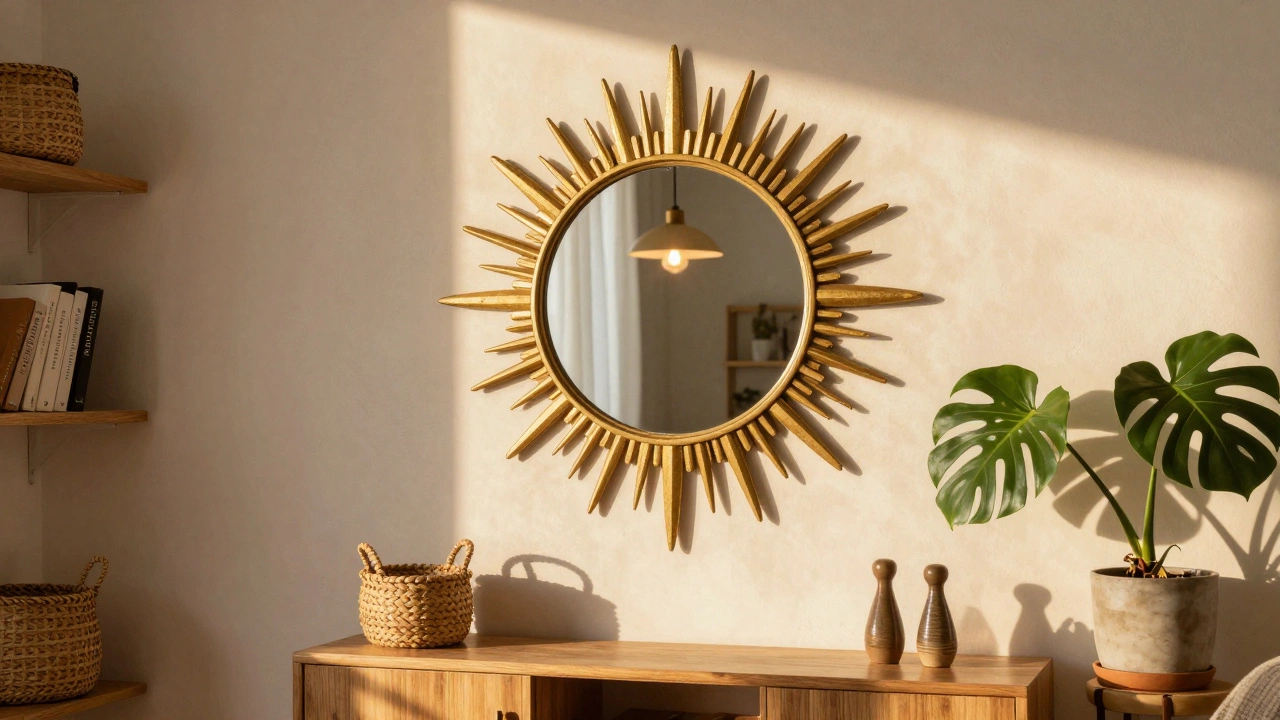
Butterfly, cloud, sunburst, hexagon-these aren’t just Instagram trends. Irregular mirrors can turn a plain wall into a conversation starter. They’re perfect for creative spaces: home offices, studios, or kids’ rooms where you want to spark imagination.
A sunburst mirror with metal rays works well in a foyer, especially if you have a chandelier or pendant light nearby. The rays catch and scatter light, creating a halo effect. A cloud-shaped mirror in a child’s room isn’t just cute-it reflects light from different angles, making the space feel less like a box.
But don’t go wild just because it’s trendy. Irregular mirrors should still follow basic rules: hang them at eye level, and make sure they’re proportionate to the wall. A giant hexagon mirror on a small wall? It’ll look like a sticker stuck on a postcard.
How to Match Mirror Shape to Room
- Bathroom: Round or oval for small spaces. Rectangular for full-body use. Avoid square unless you’re doing a minimalist spa look.
- Living Room: Round or oval to soften furniture lines. A large rectangular mirror behind a sofa can double as a window.
- Bedroom: Oval or rectangular above the dresser. A round mirror beside the bed adds warmth.
- Entryway: Tall rectangular or oval to make narrow halls feel taller. Avoid wide mirrors here-they make the space feel squeezed.
- Kitchen: Small round or square mirror above a backsplash to reflect light and make the room feel bigger.
Common Mistakes People Make
- Buying a mirror based on price, not placement. A $200 designer mirror won’t help if it’s too big for the wall.
- Ignoring the frame. A thick, ornate frame can make a small mirror look even smaller. Thin or frameless designs often feel more modern.
- Hanging it too high. If you can’t see your whole face without tilting your head, it’s too high.
- Putting it where it reflects clutter. A mirror facing a messy closet or pile of shoes? That’s not decor-it’s a reminder of chaos.
- Choosing a shape that fights your architecture. If your home has curved archways, a sharp rectangle will feel out of place.
Pro Tip: Test Before You Buy
Before you spend money, hold up a piece of cardboard cut to the mirror’s shape and tape it to the wall. Step back. Look at it at different times of day. Does it disappear? Does it feel like it belongs? Does it reflect light where you need it? If the answer is yes to all three, you’ve got the right shape.
Many people skip this step and end up with a mirror they hate. It’s not expensive-just a roll of tape and a pair of scissors. But it saves you from a $300 regret.
Final Thought: Shape Tells a Story
Every mirror shape carries a vibe. Round says warmth. Rectangle says efficiency. Oval says elegance. Square says confidence. Irregular says creativity. Your mirror isn’t just a tool-it’s part of the story your home tells every day.
So ask yourself: What kind of day do you want to wake up to? A calm, soft one? A crisp, focused one? The shape of your mirror can help you get there.
What mirror shape is best for a small bathroom?
For a small bathroom, a round or oval mirror works best. These shapes reflect light evenly and don’t overwhelm tight spaces. A 20- to 24-inch diameter mirror placed above the vanity gives you a clear view without making the room feel cramped. Avoid wide rectangles-they can make walls feel narrower.
Can I use a square mirror in a traditional home?
Yes, but it needs context. A square mirror can feel too modern or cold in a traditional space if it’s alone. Pair it with warm wood tones, textured fabrics, or soft lighting. A single 24-inch square mirror above a vintage dresser can work beautifully if the frame is simple and the surrounding decor has character.
Should I choose a framed or frameless mirror?
It depends on your style. Frameless mirrors give a clean, modern look and work well in minimalist or contemporary spaces. Framed mirrors add personality and can tie into other decor elements like lighting or furniture. A thin metal or wood frame (under 1 inch wide) is ideal for most homes-it adds definition without distraction.
How high should I hang a mirror?
The center of the mirror should be at eye level-around 57 to 60 inches from the floor. If it’s above furniture like a vanity or console, the bottom edge should be 6 to 8 inches above the surface. This ensures you can see yourself clearly without bending or stretching.
Do mirror shapes affect how light enters a room?
Absolutely. Round and oval mirrors reflect light more evenly across a room because of their curved edges. Rectangular mirrors reflect light in straight lines, which can create bright spots or shadows depending on placement. Irregular shapes scatter light in unpredictable ways, which can be great for adding sparkle but tricky if you need even illumination.