Rug Value & Authenticity Estimator
Rug Characteristics
Enter details to analyze
Select characteristics from the left panel and click "Estimate Rug Value" to see an assessment of quality, potential lifespan, and investment grade.
You walk into a room and see a rug that just feels different. It’s not about the price tag on the shelf-it’s about the weight, the texture, and the way the light hits the fibers. But how do you know if that feeling translates to value? Whether you are browsing an antique market in Wellington or scrolling through online listings, knowing what makes a rug expensive saves you from overpaying for cheap imitations or missing out on a true heirloom.
Price is often a lagging indicator of quality. By the time you see the cost, the decision has already been made based on appearance. To truly assess value, you need to look under the surface-literally. Here is how to distinguish a mass-produced machine-made rug from a high-value handcrafted piece.
The Knot Count: The Gold Standard of Value
If there is one metric that defines luxury in the world of carpets, it is the knot count. This refers to the number of knots per square inch (KPSI) or square centimeter. The higher the count, the finer the detail and the more labor-intensive the production.
What is a good knot count for an expensive rug?
Generally, a rug with fewer than 40 KPSI is considered low density and likely machine-made or hand-tufted. Mid-range hand-knotted rugs fall between 60-100 KPSI. High-end, expensive rugs typically have 150 KPSI or higher. Antique Persian rugs can exceed 300 KPSI, creating image-like clarity in their patterns.
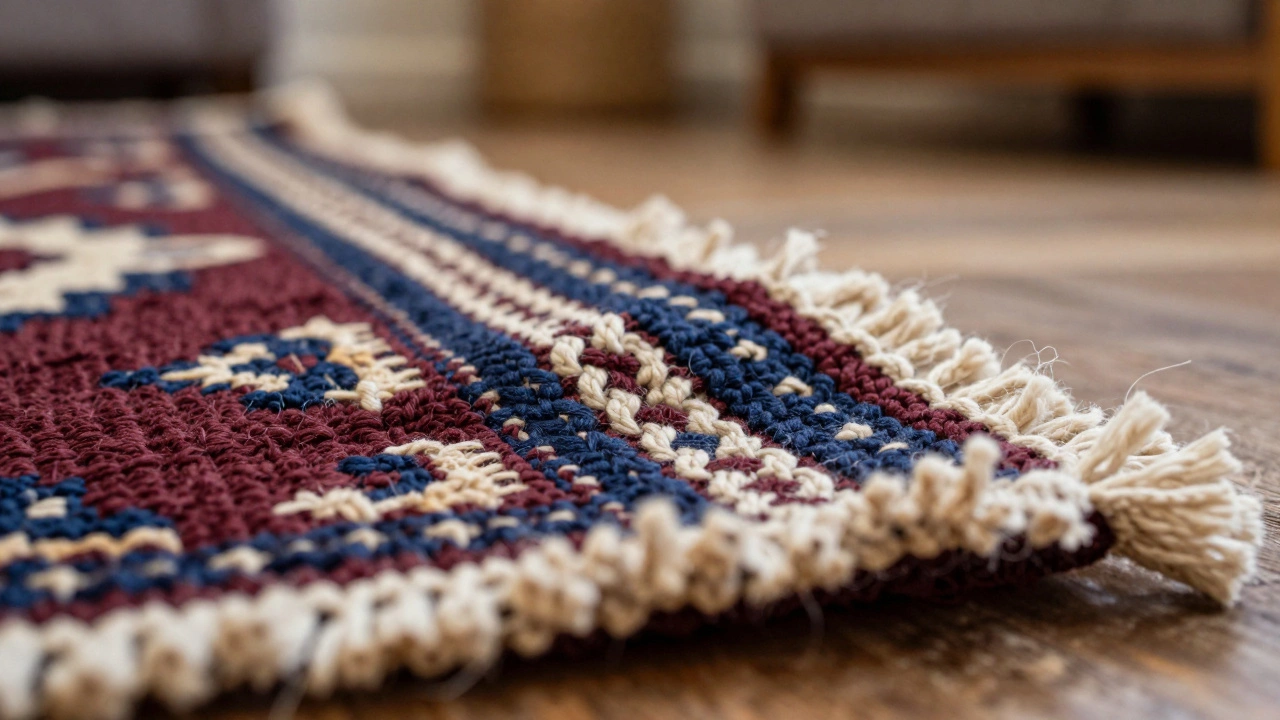
To check this yourself, lift the edge of the rug and look at the back. If you can clearly see individual knots and they are tightly packed, you are looking at a quality piece. If the pattern looks blurry or the backing is a solid layer of latex or fabric, it is likely a machine-made or tufted rug, which holds significantly less value over time.
Material Matters: Natural vs. Synthetic
The fiber content is the second biggest driver of cost. Cheap rugs use synthetic materials like polypropylene, nylon, or polyester. While these are durable and stain-resistant, they lack the luster, softness, and longevity of natural fibers.
An expensive rug will almost always be made from:
- Wool: Specifically New Zealand wool, Tibetan wool, or Afghan wool. These fibers are resilient, naturally stain-resistant, and develop a beautiful patina over decades.
- Silk: Silk rugs are among the most expensive due to the delicacy of the fiber and the labor required to weave them. They have a distinct sheen and crisp texture.
- Cotton: Often used for the foundation of hand-knotted rugs or for flat-woven Kilims. High-quality cotton is strong and allows for very detailed designs.
A quick test: rub the fringe. If it feels waxy or melts slightly under friction, it is synthetic. Natural fibers feel dry and fibrous. Also, smell the rug. Synthetic rugs often have a chemical or plastic odor, while natural wool and cotton have a neutral, earthy scent.
Weaving Technique: Hand-Knotted vs. Machine-Made
This is the single most important factor in determining long-term value. Machine-made rugs are produced by large looms in factories, often in countries like China, India, or Turkey, using automated jacquard systems. They can mimic traditional patterns but lack the soul and structural integrity of handmade pieces.
Hand-knotted rugs are tied one knot at a time by skilled artisans. This process can take months or even years for a single large rug. The two primary types of hand-knotting are:
- Symmetric (Turkish/Ghiordes) Knot: Common in Turkish and Caucasian rugs. Known for durability and geometric precision.
- Asymmetric (Persian/Seni) Knot: Common in Persian and Indian rugs. Allows for more fluid, curvilinear designs and is generally considered more flexible and softer.
If you flip the rug over and see the same pattern as the front, it is likely hand-knotted. If the back shows a grid-like structure or a solid backing material, it is machine-made or tufted.
Dye Quality: Plant-Based vs. Chemical
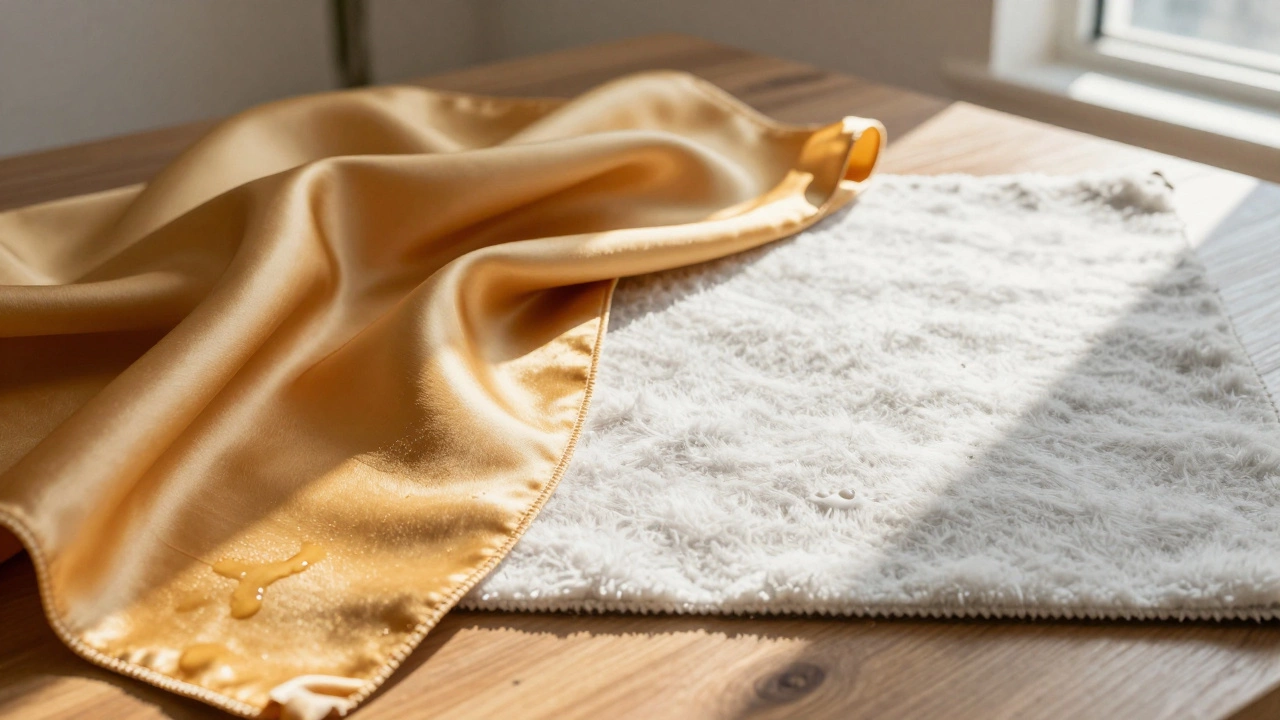
The colors in an expensive rug tell a story of craftsmanship. High-end rugs often use plant-based dyes derived from indigo, madder root, pomegranate skins, and walnut husks. These dyes create subtle variations and depth that chemical dyes cannot replicate.
Chemical dyes, used in mass-production, result in flat, uniform colors that can fade quickly when exposed to sunlight. Look for "abrash"-slight color variations within the same hue. In machine-made rugs, colors are perfectly consistent. In hand-dyed, hand-knotted rugs, slight shifts in tone indicate natural dye lots and add character. This imperfection is a sign of authenticity and value.
Design Complexity and Motifs
Simple geometric patterns are easier to produce and often found in lower-priced rugs. Complex medallions, intricate floral vines (boteh), and detailed borders require higher knot counts and greater skill. The precision of the design lines is a key indicator. In a high-quality rug, lines should be sharp and clear, not fuzzy or blurred.
Also, consider the origin. Rugs from specific regions with long weaving traditions, such as Isfahan (Iran), Kashan (Iran), Bhadohi (India), or Oushak (Turkey), carry inherent value due to their historical significance and recognized quality standards.
Age and Condition: The Antique Factor
Antique rugs (over 80 years old) and vintage rugs (20-80 years old) command premium prices. However, age alone does not guarantee value; condition is critical. An expensive antique rug must have intact structure, minimal wear, and no major repairs.
Look for signs of proper aging: a soft, worn pile in the center where feet have walked for decades, but firm edges and corners. Avoid rugs with extensive moth damage, water stains, or heavy re-weaving. A well-preserved 100-year-old Persian rug can be worth thousands, while a damaged one may be worthless.
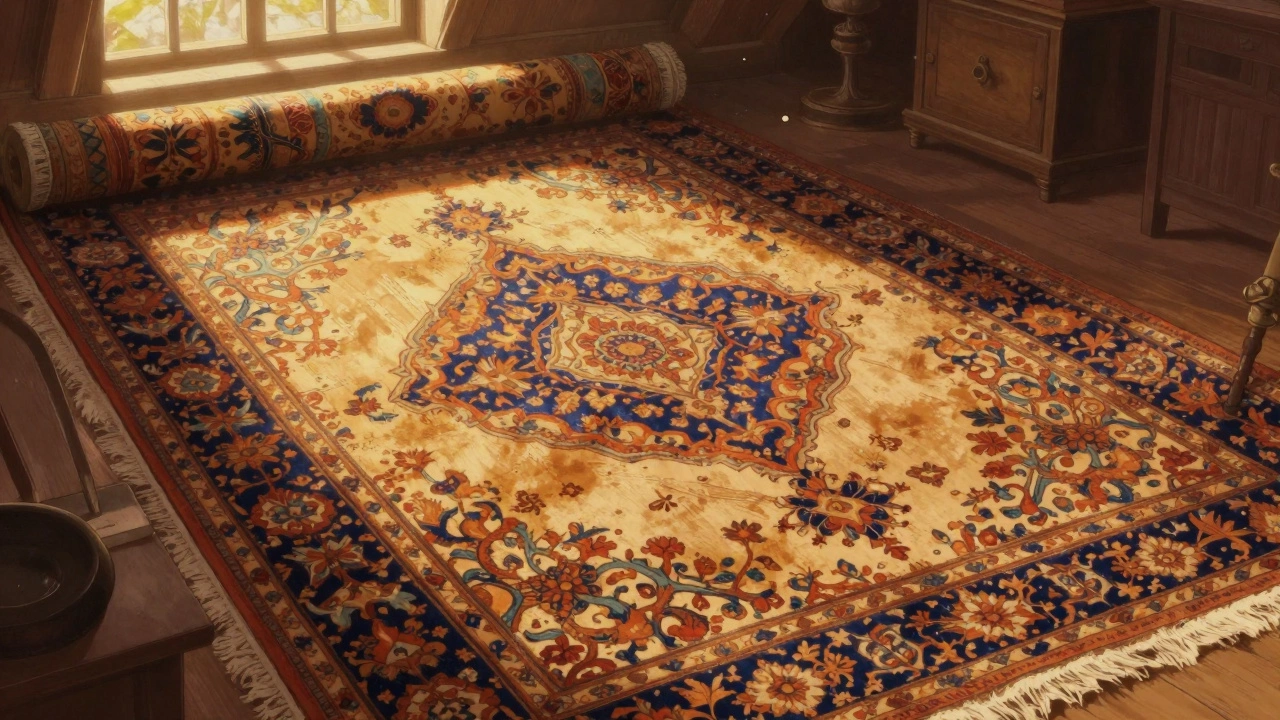
Comparison: What You Get for Your Money
| Feature | Budget (Machine-Made) | Mid-Range (Hand-Tufted/Mixed) | Expensive (Hand-Knotted) |
|---|---|---|---|
| Knot Density | N/A (No knots) | Low (Tufted) | High (100+ KPSI) |
| Fiber | Polypropylene/Nylon | Wool Blend/Cotton | Pure Wool/Silk |
| Back View | Latex/Fabric Grid | Visible Tufts | Same Pattern as Front |
| Lifespan | 5-10 Years | 10-20 Years | 50+ Years (Heirloom) |
| Resale Value | None | Low | High (Can Appreciate) |
Red Flags: Signs of a Fake or Overpriced Rug
Even if a rug looks expensive, beware of these common tricks:
- "Handmade" Labels: Many machine-made rugs are labeled "handmade" because some manual labor was involved in finishing. Always ask specifically if it is "hand-knotted."
- Artificial Distressing: Some manufacturers intentionally fray edges or fade colors to make new rugs look vintage. Check the wear pattern-it should be consistent with foot traffic, not random.
- Vague Origins: Sellers who cannot name the specific region or tribe that made the rug are often hiding its true provenance.
- Too Perfect: As mentioned, perfect symmetry and identical color shades across the entire rug suggest machine production. Human hands introduce slight variations that add beauty.
Final Thoughts on Investing in Rugs
Telling if a rug is expensive comes down to touching, seeing, and understanding the craft behind it. A high-value rug is not just a floor covering; it is a woven artwork that improves with age. When you buy a hand-knotted wool or silk rug, you are investing in a piece that can last generations. Take your time, inspect the knots, smell the fibers, and don’t hesitate to ask questions. The right rug will reward you with comfort and beauty for decades.
Is a hand-tufted rug considered expensive?
Hand-tufted rugs are mid-range. They are made by pushing yarn through a canvas backing with a tufting gun. While they are cheaper and faster to produce than hand-knotted rugs, they are more durable than machine-made ones. However, they do not have the same resale value or longevity as hand-knotted pieces.
Why are silk rugs so expensive?
Silk is a delicate, protein-based fiber that requires immense skill to weave without breaking. Silk rugs have a unique luster and sharp definition in their patterns. Because silk is less durable than wool, it is often reserved for low-traffic areas, making it a luxury item rather than a practical everyday choice.
How can I tell if a rug is authentic Persian?
Authentic Persian rugs are hand-knotted in Iran using wool or silk and feature complex floral motifs, medallions, and rich, deep colors. Look for the asymmetric knot and plant-based dyes. Beware of "Persian-style" rugs made in India or Pakistan, which are high-quality but technically not Persian. True Persian rugs often have a label or certificate from the Iranian Carpet Export Association.
Does size affect the price of a rug?
Yes, larger rugs cost more due to the increased amount of material and labor. However, custom-sized rugs can sometimes be more expensive per square foot than standard sizes because they require specialized loom setups. Additionally, rare small-size antique rugs can command disproportionately high prices due to collector demand.
Are vintage rugs better than new ones?
Vintage rugs offer unique character, patina, and potential investment value that new rugs lack. However, they require careful inspection for damage. New hand-knotted rugs provide guaranteed condition and modern design options. Choose vintage for history and uniqueness; choose new for predictability and specific aesthetic needs.