Western Bathroom Hygiene & Design Calculator
Compare the long-term costs and environmental footprint of traditional paper wiping versus installing a bidet attachment.
Estimated Annual Results
Annual Cost
$0
Trees Saved/Year
0
Ensure your exhaust fan is powerful enough to prevent mold in your integrated Western bathroom layout.
Fan Recommendation
Required CFM: 0
Standard rule: Exchange air 8 times per hour.
Quick Reference: Western Bathroom Standards
| Component | Standard Feature | Modern Upgrade |
|---|---|---|
| Toilet | Seated, flush, vitreous china | Dual-flush, Heated Seat/Bidet |
| Sink | Mixer tap, vanity storage | Touchless faucet, smart mirror |
| Bathing | Tub/Shower combo or stall | Rain shower head, linear drain |
| Ventilation | Basic extraction fan | Humidity-sensing fan with timer |
You walk into a hotel room in London or New York, and you know exactly what to expect. A porcelain throne sits against the wall, a sink with two taps stands nearby, and a shower curtain hides the tub. This setup feels so normal that we rarely stop to ask: why is it built this way? If you have traveled through Asia or the Middle East, you might have encountered squat toilets or handheld sprayers and wondered if your own bathroom is missing something crucial. That standard setup you see in Europe, North America, and Australia is what people mean when they say Western bathroom.
But it is not just about the toilet. It is a specific approach to hygiene, privacy, and space management that evolved over centuries. Understanding what makes a bathroom "Western" helps you make smarter choices for your home renovation, especially if you are considering mixing styles or upgrading your fixtures. Let's break down the anatomy of this common design and figure out if it actually works best for you.
The Core Definition: What Makes It "Western"?
A Western bathroom is defined less by geography and more by its functional components. Unlike traditional Japanese bathrooms, which often separate bathing from washing, or Indian setups that prioritize water cleaning, the Western model integrates everything into one compact, private room. The central entity here is the Western-style toilet, which is a seated flush toilet connected to a sewer system or septic tank, designed for waste removal via water pressure rather than manual cleaning. This single fixture dictates the rest of the layout.
In many non-Western cultures, water is the primary agent of cleanliness. You wash yourself after using the toilet. In the Western model, toilet paper is the default cleaner, and water is secondary-used mostly for handwashing or bathing. This philosophical difference drives every design choice, from the size of the tiles to the placement of the mirror. If you are looking at a property listing and it says "Western bathroom," it guarantees you will find a sit-down toilet, a flush mechanism, and typically a bathtub or shower combo that drains into the same plumbing stack as the toilet.
Anatomy of the Standard Layout
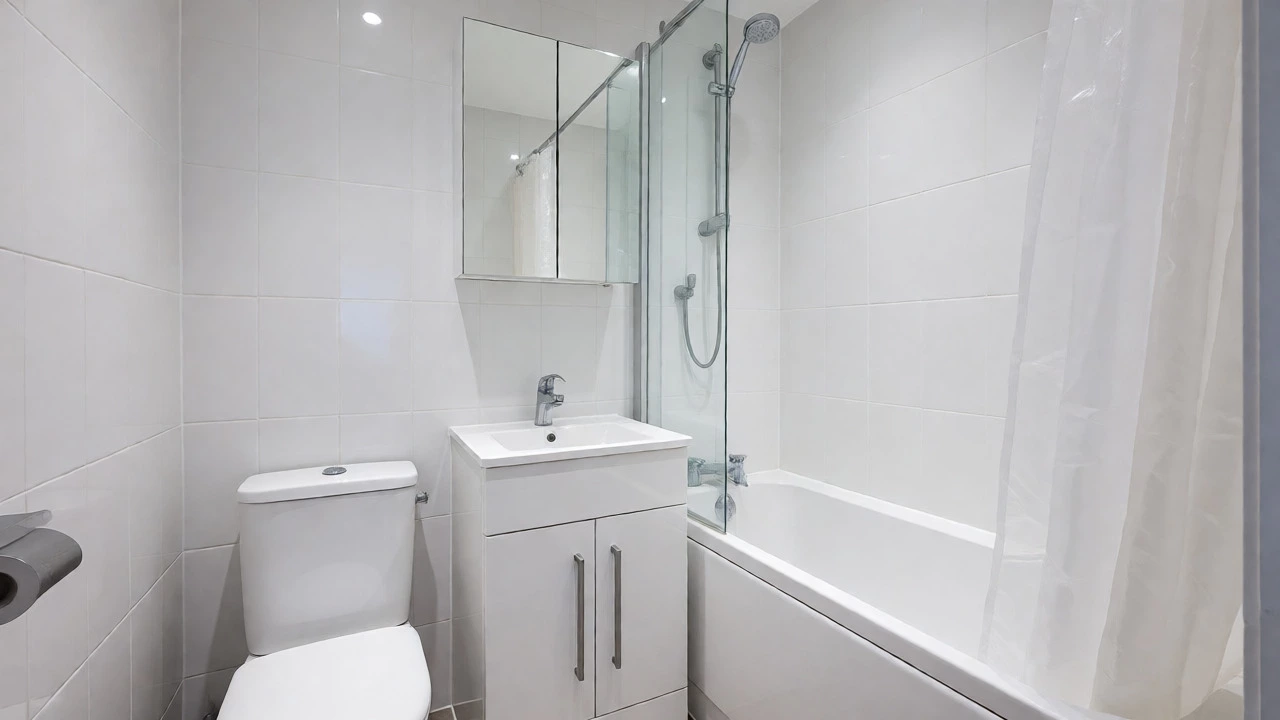
Most Western bathrooms follow a predictable triangle of fixtures: the toilet, the sink (vanity), and the bathing area. This arrangement isn't random; it’s based on plumbing efficiency and user flow. The toilet needs a direct line to the soil pipe. The sink needs hot and cold water lines. The shower or tub needs a drain that can handle high volumes of water quickly.
Let's look at the typical attributes of these three pillars:
- The Toilet: Usually made of vitreous china. Modern versions feature dual-flush buttons (one for liquid waste, one for solid) to save water. The seat height is standardized at around 15-19 inches to accommodate average adult leg lengths.
- The Vanity/Sink: Often equipped with a mixer tap that blends hot and cold water instantly. Storage cabinets underneath hide toiletries, keeping the visual clutter low. The countertop material ranges from laminate to quartz, chosen for water resistance.
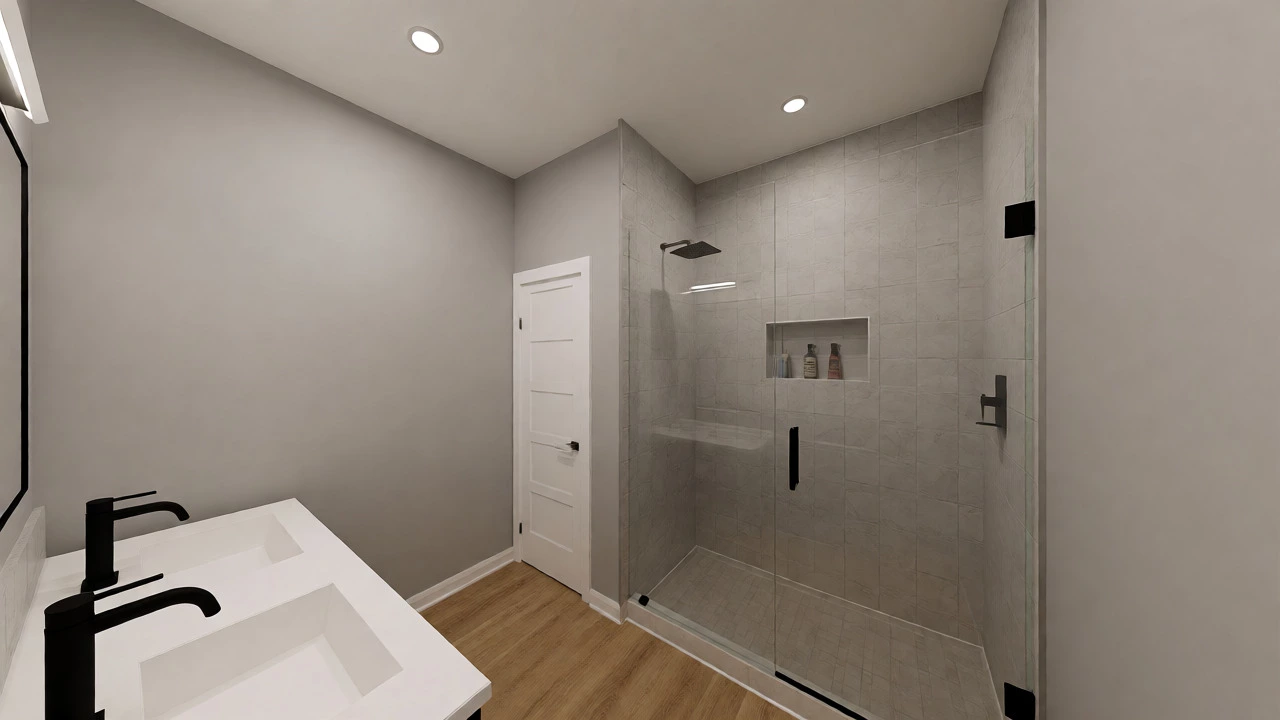
- The Bathing Zone: This is where variations happen. Some homes have a combined tub-shower unit to save space. Others have a standalone shower stall with glass doors. The key requirement is a waterproof barrier-a curtain, glass panel, or tiled enclosure-to keep the rest of the room dry.
Notice how there is no dedicated area for washing your body while standing up, unless you count the shower itself. In contrast, a traditional Japanese ofuro has a deep soaking tub separate from a washing station where you sit on a small stool to clean yourself before entering the tub. The Western method assumes you clean yourself in the shower or tub, then rinse off. This integration saves square footage but requires careful ventilation to prevent mold growth.
Hygiene Habits: Paper vs. Water
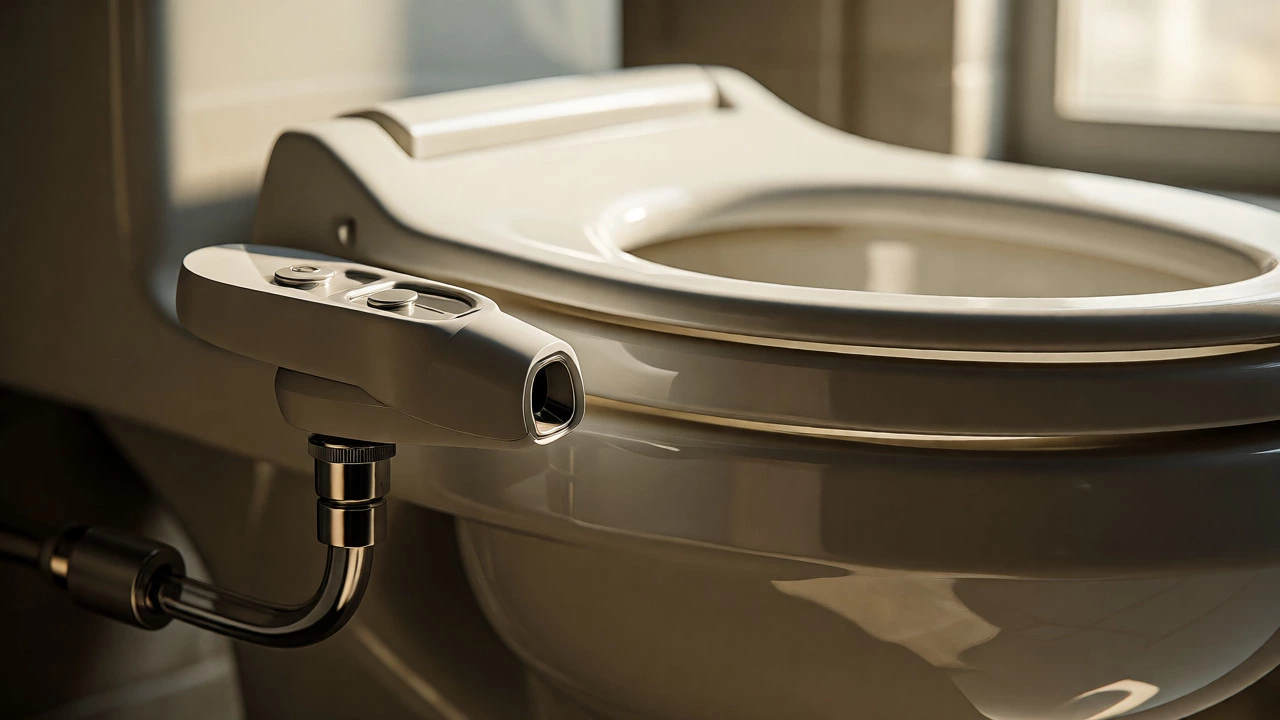
This is the biggest cultural divide. For decades, the Western standard relied exclusively on toilet paper. It was marketed as hygienic, convenient, and disposable. But recent health studies and global trends suggest otherwise. Many dermatologists argue that wiping with dry paper doesn't remove all bacteria; it merely spreads them around. This has led to the rise of bidets and electronic bidet seats in Western countries.
If you are renovating a Western bathroom today, you have a choice. Do you stick to the classic paper-only method? Or do you install a bidet attachment, which is a nozzle-equipped device attached to the existing toilet that sprays water for posterior cleansing? These devices bridge the gap between Eastern and Western habits. They connect to the water supply line under the toilet seat and use electricity (or water pressure alone) to provide a warm, gentle spray. Installation is usually DIY-friendly and takes less than an hour.
| Feature | Paper Only (Classic) | Bidet Integrated (Modern Hybrid) |
|---|---|---|
| Cleanliness Level | Moderate (smear effect) | High (water rinses away residue) |
| Environmental Impact | High (tree consumption, clogs) | Low (less paper needed) |
| Cost | Low upfront, recurring paper cost | Medium upfront ($50-$400), low running cost |
| Suitability | Standard for most guests | Ideal for elderly, pregnant women, hemorrhoid sufferers |
Adding a bidet doesn't turn your Western bathroom into an Eastern one. You still have the sit-down toilet and the flush. But it significantly improves hygiene without requiring a complete remodel. It’s a smart upgrade if you want the best of both worlds.
Design Aesthetics and Materials
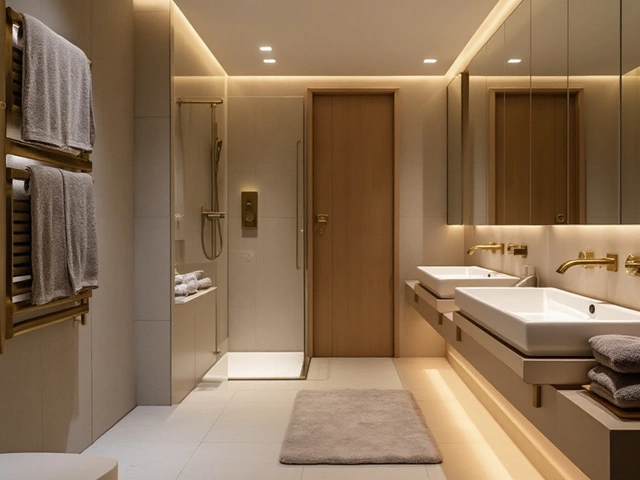
Western bathroom design leans heavily on minimalism and functionality. Think white tiles, chrome fixtures, and neutral color palettes. Why? Because these elements signal cleanliness and brightness. In smaller urban apartments in cities like Wellington or London, maximizing light is critical. White surfaces reflect natural light, making cramped spaces feel larger.
However, "Western" doesn't mean "sterile." Recent trends have shifted toward warmer tones. Wood-look vinyl planks are replacing ceramic tiles because they are softer underfoot and warmer. Matte black faucets have replaced chrome in many modern builds. The goal remains the same: easy maintenance. Western users tend to prefer surfaces that can be wiped down quickly with a cloth and standard household cleaners. Complex mosaics or porous stones require specialized sealing and care, which many homeowners avoid.
Storage is another major component. Western bathrooms are notorious for being cluttered with bottles of shampoo, conditioner, body wash, and skincare products. Therefore, niches built into shower walls, medicine cabinets with mirrored fronts, and vanity drawers are essential. If you don't plan storage during the build phase, you'll end up with shelves sticking out of the wall, reducing usable space.
Ventilation and Moisture Control
Here is a problem unique to the integrated Western bathroom: moisture. Because the shower, toilet, and sink share the same air volume, humidity levels spike rapidly during showers. Without proper ventilation, this leads to peeling paint, warped wood cabinets, and black mold in grout lines.
Building codes in most Western countries mandate mechanical extraction fans. These fans must vent directly outside, not just into the attic. A rule of thumb: your fan should exchange the air in the room at least eight times per hour. For a standard 6x8-foot bathroom, you need a fan rated for at least 80 cubic feet per minute (CFM). Many older homes lack this, leading to chronic dampness. If you are buying an older house, check the fan first. It’s cheaper to replace a fan now than to fix structural rot later.
Is a Western Bathroom Right for You?
If you value privacy and convenience, the Western model wins. Having a lockable door means you can take a long bath without worrying about family members walking in. The integrated plumbing means you don't need separate wet and dry zones. For families with young children, the sit-down toilet is safer and easier to teach than squatting positions.
However, if you struggle with mobility issues, consider modifications. Standard Western toilets can be hard to get on and off for seniors. Wall-mounted grab bars and raised toilet seats are simple additions that maintain the Western aesthetic while improving accessibility. Also, if you live in a very humid climate, ensure your materials are resistant to warping. Solid wood vanities may swell; engineered wood or PVC is often better.
Ultimately, a Western bathroom is a tool for daily routine. It prioritizes speed, privacy, and ease of cleaning. By understanding its core components-the flush toilet, the mixed-water sink, and the enclosed shower-you can customize it to fit your personal hygiene preferences. Whether you stick to paper or add a bidet, the foundation remains the same: a self-contained, private space designed for modern life.
Why is it called a Western bathroom?
It is called "Western" because this design originated and became standard in Western Europe and North America. It contrasts with traditional Asian, African, or Middle Eastern bathroom designs, which often separate washing areas from toilets or rely on squatting toilets and water-based cleaning methods instead of toilet paper.
Can I install a bidet in any Western bathroom?
Yes, most Western bathrooms can accommodate a bidet. You generally need access to a cold water line near the toilet and an electrical outlet if you want heated features. Non-electric bidet attachments only require water pressure and are compatible with almost all standard Western-style toilets.
What is the main difference between a Western and a Japanese bathroom?
The main difference is the separation of functions. Japanese bathrooms typically have a separate changing area, a washing station with a shower and stool, and a deep soaking tub (ofuro). You wash before bathing. Western bathrooms combine the toilet, sink, and shower/tub into one room, and you usually wash and bathe simultaneously.
Do Western bathrooms always have bathtubs?
No. While traditional Western bathrooms included a tub-shower combo, modern designs often opt for walk-in shower stalls to save space and improve accessibility. However, having at least one bathtub in the house is still considered valuable for resale purposes and families with young children.
How do I prevent mold in my Western bathroom?
Ensure adequate ventilation by using an exhaust fan during and for 20 minutes after showers. Wipe down wet surfaces regularly, use mold-resistant caulk and grout, and keep the room well-lit to discourage fungal growth. Proper airflow is the most critical factor in preventing mold in enclosed Western bathrooms.