Tableware Terminology Selector
Select the characteristics of your dish to find the perfect word.
Select options above and click "Find The Right Word" to discover the precise terminology for your tableware.
You’re setting the table for a dinner party. You want to sound sophisticated when you ask your guests if they’d like more soup or salad. You reach for a word that feels heavier, more elegant than "plates" and "bowls." But what is it? The answer isn’t just one word; it’s a whole vocabulary of dining culture.
The short answer is tableware. It is the umbrella term for everything used to serve food. However, depending on the material, the function, and the level of formality, there are several other precise terms. Using the right word changes how people perceive your home and your hospitality.
The Umbrella Term: Tableware vs. Dinnerware
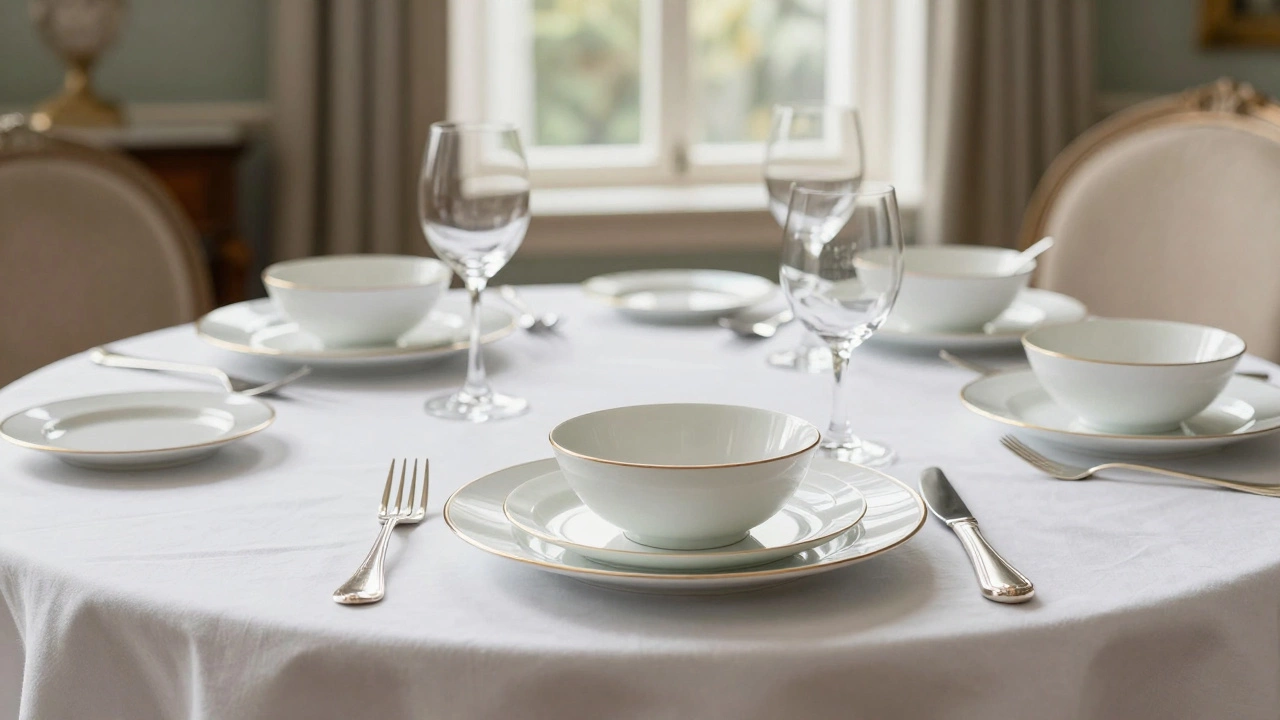
When people ask for a fancy word for plates and bowls, they are usually looking for Tableware, which is the collective term for all vessels and utensils used for serving and eating food. This includes plates, bowls, cups, saucers, and sometimes even cutlery.
Dinnerware is a specific subset of tableware that refers strictly to the plates and bowls used for meals. If you are buying a set of ceramic dishes for daily use, you are buying dinnerware. If you are also buying glassware and silverware, you are shopping for tableware. In casual conversation, these terms are often swapped, but in formal settings or retail contexts, the distinction matters.
Why does this matter? Because using "dinnerware" signals that you are talking about the functional aspect of the meal. Using "tableware" suggests you are discussing the aesthetic arrangement of the entire dining experience. If you want to impress a host who cares about decor, say tableware. If you are asking a chef about portion sizes, say dinnerware.
Material-Specific Elegance: Chinaware and Porcelain
Sometimes the fanciness comes from the material, not just the function. When you see delicate, white, translucent dishes, you aren’t just looking at plates. You are looking at Chinaware, which is fine porcelain tableware, originally named after its association with Chinese manufacturing. Even if the pieces were made in Japan, England, or France, if they are high-quality porcelain, "chinaware" is the historically correct and elegant term.
Porcelain is a ceramic material made by heating materials, generally including kaolin, at high temperatures. Porcelain is harder, whiter, and more translucent than standard earthenware. When you describe your collection as "porcelain," you are highlighting its durability and refined appearance. It sounds much more luxurious than "ceramic plates."">
If you want to be even more specific, you can refer to Hard-paste porcelain, which is the highest quality type of porcelain, known for its strength and ability to hold intricate designs. This is the stuff found in fine dining restaurants and museum collections. Mentioning this shows you know your materials.
Regional Variations: Crockery and China
Language shifts depending on where you are. In the United Kingdom, Australia, New Zealand, and parts of Europe, the common term for plates and bowls is Crockery, which is brittle domestic articles such as plates, dishes, and jugs, typically made of clay. While "crockery" might sound rustic to an American ear, it is the standard, polite term in many Commonwealth countries. It covers everything from heavy stoneware to fine china.
In the US, "crockery" is rarely used. Instead, Americans often use the term China, which is fine porcelain tableware, often passed down through generations as heirlooms. Saying "I’m bringing out the good china" implies a special occasion. It suggests that the plates are fragile, valuable, and reserved for guests. This is perhaps the most emotionally resonant "fancy" word for plates and bowls in English-speaking cultures.
Functional Distinctions: Serveware and Hollowware
Not all plates and bowls are created equal. Some are designed for individual eating, while others are for sharing. If you have large platters for carving meat or deep bowls for serving pasta, those fall under Serveware, which is tableware designed specifically for presenting food on the table before it is served to individuals. Using this term clarifies that the items are not for personal consumption but for communal presentation.
Within serveware, there is a technical term called Hollowware, which is metal or ceramic tableware with depth, such as bowls, tureens, and pitchers. This contrasts with Flatware, which is cutlery such as forks, knives, and spoons, though the term is sometimes confused with flat plates. Wait, don’t get confused. Flatware is cutlery. Flat *dishes* are just flatware in some older texts, but today, hollowware is the precise term for any dish with sides-like a bowl or a casserole dish. If you are describing a large, ornate soup tureen, calling it "hollowware" sounds incredibly professional.
Comparison of Terms for Plates and Bowls
| Term | Primary Meaning | Best Context | Formality Level |
|---|---|---|---|
| Tableware | All dining vessels | General design discussions | Neutral to Formal |
| Dinnerware | Plates and bowls for meals | Retail, daily use | Neutral |
| Chinaware | Fine porcelain dishes | Antiques, luxury goods | Very Formal |
| Crockery | Clay-based dishes | UK/Australia/NZ usage | Casual to Neutral |
| China | Heirloom porcelain | Special occasions, family events | Highly Formal |
| Serveware | Shared serving dishes | Hosting, catering | Professional |
How to Choose the Right Word
Selecting the right term depends on your audience and the object itself. Here is a simple guide:
- For everyday conversation: Use "dinnerware" or "dishes." It is clear and universally understood.
- For describing luxury or antiques: Use "chinaware" or "porcelain." These words evoke craftsmanship and history.
- For hosting advice: Use "serveware" when talking about platters and bowls, and "dinnerware" for individual place settings.
- For British or Australian audiences: "Crockery" is perfectly acceptable and natural. "China" is still used for the finest pieces.
- For emotional resonance: "The good china" implies care, tradition, and respect for the guest.
Avoid mixing terms incorrectly. Do not call a fork "china." Do not call a plastic plate "chinaware." Precision builds credibility. When you use the exact word for the object, you show that you understand its value and purpose.
Common Mistakes to Avoid
One common error is confusing Flatware with flat plates. As mentioned, flatware refers to cutlery. Another mistake is using "glassware" to describe ceramic bowls. Glassware is strictly for drinking vessels made of glass. If you mix these up, you might sound unsure about basic household terms. Stick to the definitions above, and you will always sound knowledgeable.
Also, avoid overusing "tableware" when you mean a single item. "Tableware" is plural and collective. You wouldn’t say "I bought a new tableware." You would say "I bought a new piece of dinnerware" or "I bought a new plate." Grammar matters as much as vocabulary.
Final Thoughts on Dining Vocabulary
Knowing the difference between crockery, chinaware, and serveware isn’t just about sounding smart. It’s about appreciating the role these objects play in our lives. A bowl is not just a container; it is part of a ritual. Whether you call it "hollowware" or "soup bowl," the name you choose reflects your relationship with the meal. Next time you set the table, try using one of these terms. You might find that the right word makes the meal feel even more special.
What is the difference between tableware and dinnerware?
Tableware is the broad term for all items used to serve and eat food, including plates, bowls, glasses, and cutlery. Dinnerware is a subset of tableware that refers specifically to the plates and bowls used for individual meals.
Is crockery the same as china?
No. Crockery refers to all brittle domestic articles made of clay, including earthenware and stoneware. China refers specifically to fine porcelain, which is higher quality, more translucent, and often used for special occasions.
What is a fancy word for a serving bowl?
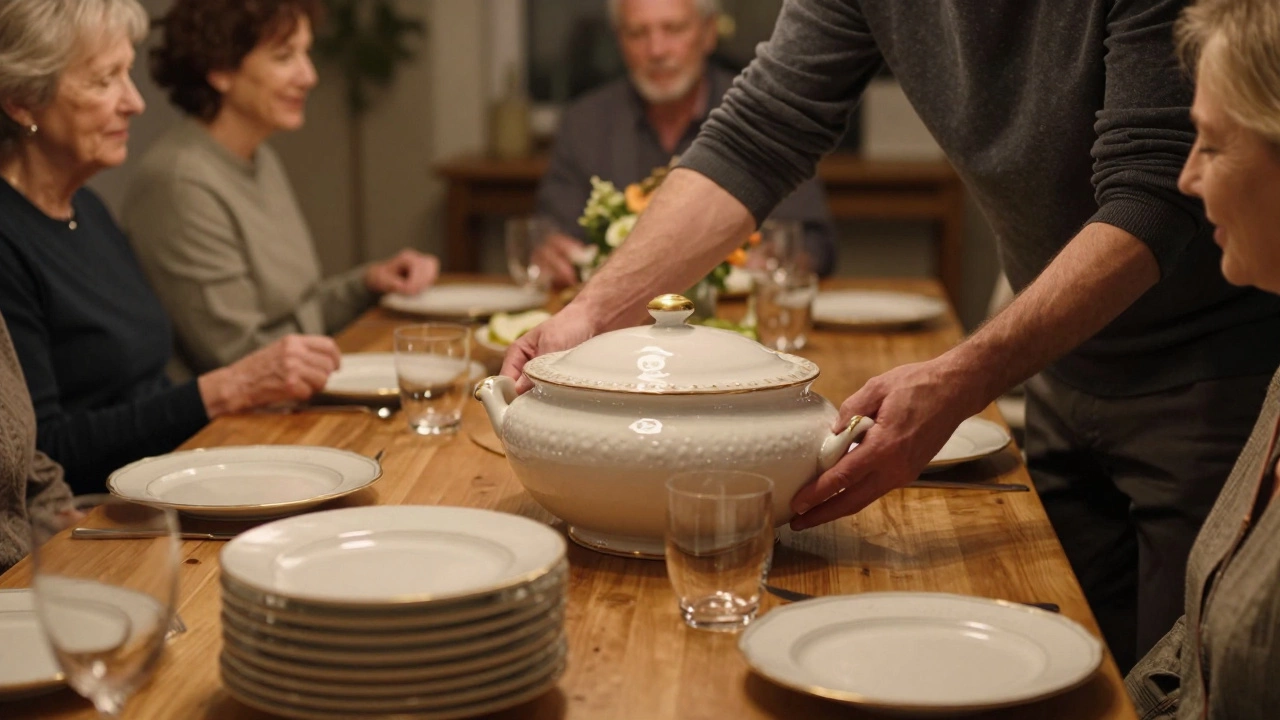
A fancy word for a serving bowl is "tureen" if it has a lid and is used for soups or stews. More broadly, you can call it "hollowware" or "serveware" to distinguish it from individual eating bowls.
What does chinaware mean?
Chinaware means fine porcelain tableware. The term originated because high-quality porcelain was first mass-produced in China. Today, it refers to any delicate, white, translucent ceramic dishes, regardless of their country of origin.
Can I use the word flatware for plates?
No. Flatware refers to cutlery, such as forks, knives, and spoons. It should not be used to describe plates or bowls. Using it incorrectly can cause confusion in both casual and professional settings.
What is the most formal word for dishes?
The most formal words are "chinaware" or "porcelain." These terms emphasize the material quality and elegance of the dishes, making them suitable for high-end dining contexts or antique descriptions.