Sofa Cushion Longevity Calculator
Estimate how long your sofa cushions will last based on material quality and usage patterns. Input your cushion measurements and foam density to get personalized durability recommendations.
Cushion Measurements
Material & Usage
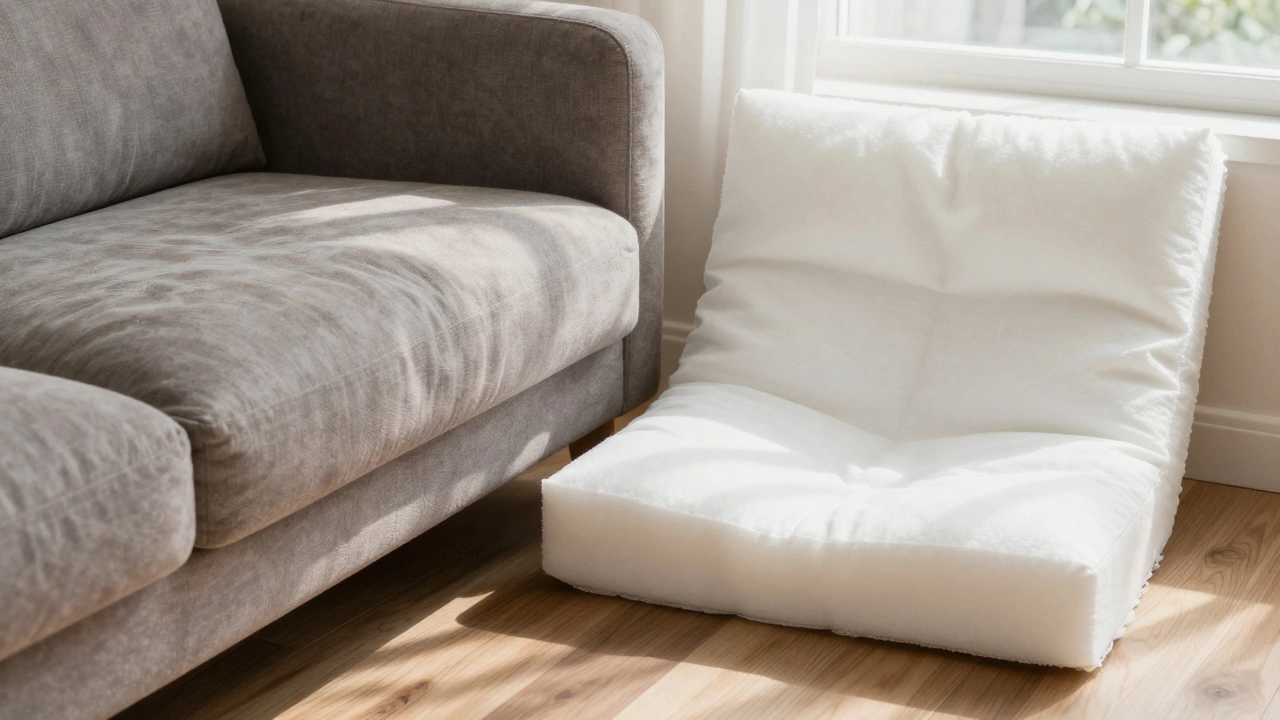
Most people don’t think about sofa cushions until they start sinking like a deflated balloon. By the time you notice your couch looks like it’s been through a war, the foam’s turned to mush, the feathers have clumped, and your back aches after every movie night. The truth? Not all cushions are created equal. Some last five years. Others last 15. The difference isn’t magic-it’s materials, construction, and a few smart choices you can make before you buy.
What Makes a Sofa Cushion Last?
It’s not just about how soft it feels when you sit down. Long-lasting cushions are built for endurance, not just comfort. The core material, the wrap, the stitching, and even the fabric underneath all play a role. A cushion that looks plush today might collapse in 12 months if it’s filled with low-density foam or cheap polyester fiber. But the right combo? It holds its shape through kids jumping on it, weekend naps, and years of Sunday TV marathons.
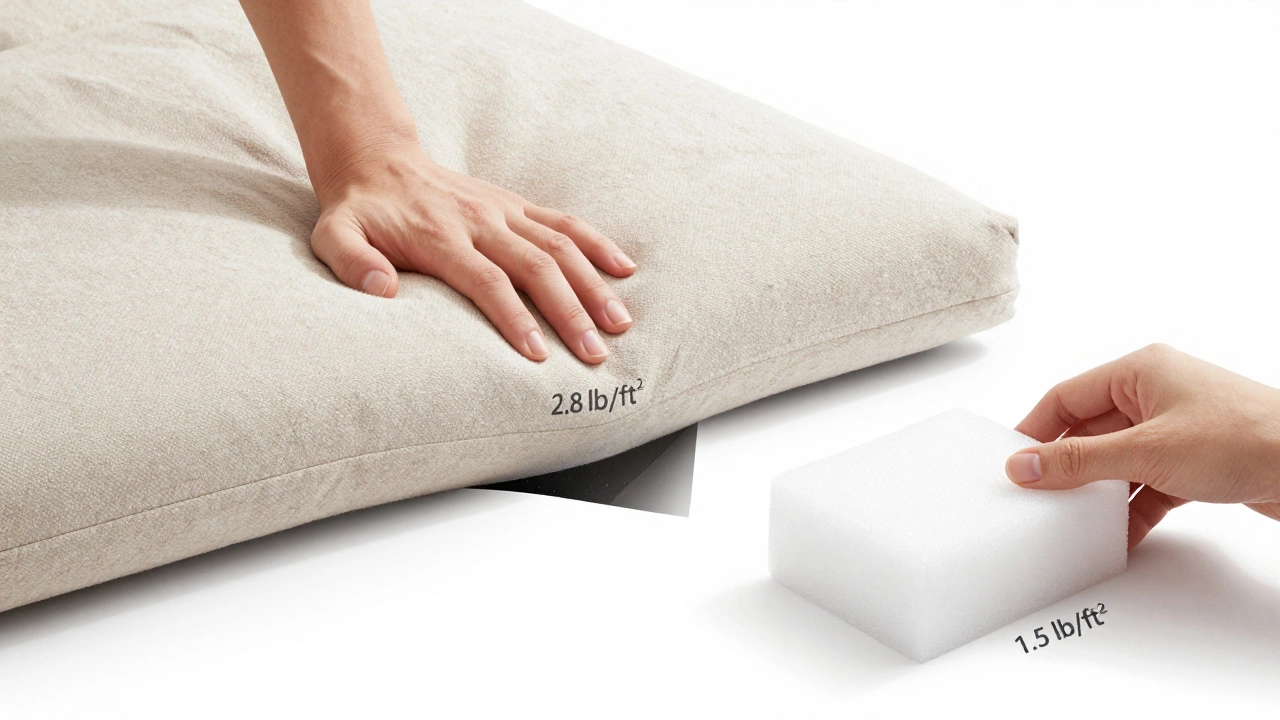
The key is density. For foam, anything under 1.8 pounds per cubic foot starts to sag fast. High-density foam hits 2.5 to 3.0 lbs/ft³. That’s the sweet spot. It’s firm enough to support your weight without feeling like a brick, and dense enough to bounce back after years of use. Brands like Tempur-Pedic and Foamex make foam cores that last longer than most warranties.
Top Materials for Long-Lasting Cushions
Here’s what actually works, based on real-world wear tests and furniture repair shops’ most common replacements:
- High-Density Foam (2.5-3.0 lbs/ft³) - The gold standard. Holds shape, resists compression, and doesn’t break down like cheaper foam. Used in premium brands like IKEA’s FRIHETEN and La-Z-Boy’s top-tier models.
- Down Blend (50% down, 50% feather) - Soft at first, but the feathers shift and flatten over time. Not the longest lasting, but if you fluff daily and rotate weekly, it can last 8-10 years. Avoid 100% down-it’s too soft to support weight.
- Polyester Fiber Wrap Around Foam - This isn’t the filling. It’s the outer layer that wraps the foam core. A good wrap keeps the foam from poking through and adds a plush feel without sacrificing support. Skip cushions without this layer.
- Memory Foam with Gel Infusion - Great for pressure relief, but only if it’s at least 3 inches thick. Thin memory foam turns to goo in 2-3 years. Look for 4-inch cores with gel for better airflow and durability.
- Spring-Core Cushions - Rare these days, but still found in high-end sofas. Eight-way hand-tied springs with webbing underneath can last 20+ years. They’re expensive and heavy, but if you want something that outlives your kids’ college years, this is it.
One real-world example: A customer in Christchurch replaced her 2018 sofa cushions in 2023 because the foam had flattened. She bought new ones with 2.8 lb density foam and a polyester wrap. Five years later, they still look new. No sagging. No lumps. Just consistent comfort.
What to Avoid
Some materials sound fancy but are just marketing tricks. Here’s what you should walk away from:
- Low-density foam (under 1.8 lbs/ft³) - Common in budget sofas. Feels nice at first, but compresses like a sponge. Expect to replace it in 1-2 years.
- 100% polyester fiber - Used in cheap throw pillows and some sofa cushions. It clumps, loses shape, and can’t be revived. It’s the reason your couch looks flat by Tuesday.
- Thin memory foam (under 2 inches) - Doesn’t provide support. Just adds a squishy layer that collapses under weight.
- Loose-fill beads or pellets - These shift around, create uneven spots, and eventually leak out of seams. They’re trendy but not built to last.
Also skip cushions with thin cotton covers. They fray fast. Look for tightly woven fabrics like microfiber, performance linen, or solution-dyed acrylic. These resist stains, fading, and abrasion from daily use.
How to Tell If Your Cushions Are Done
You don’t need to wait until you’re sitting on the frame. Here’s how to check your cushions now:
- Press down firmly with your hand. If it sinks more than 2 inches and doesn’t spring back within 2 seconds, the foam is worn out.
- Flip the cushion over. If you see the foam is thinner on the bottom than the top, it’s compressed unevenly.
- Run your fingers along the seams. If you feel lumps or hard spots, the filling has shifted or broken down.
- Stand next to the sofa and look at the profile. If the backrest sags more than 15 degrees, the cushions have lost their structure.
One homeowner in Wellington replaced her cushions after noticing her dog could now jump onto the sofa without using the armrest. The cushion had sunk so low, it became a ramp. That’s when she knew it was time.
Best Brands for Long-Lasting Cushions
Not all brands are equal. Some focus on price. Others focus on longevity. Here are the ones that consistently get high marks for cushion durability:
- La-Z-Boy - Uses 2.8 lb density foam with a 50/50 down blend wrap. Their cushions come with a 10-year limited warranty on the core. BoConcept - Offers custom foam density options. Their standard is 3.0 lb foam with a durable polyester wrap. Popular in Europe and Australia for its clean lines and long life.
- Restoration Hardware - Uses spring-core cushions in their high-end lines. More expensive, but their sofas are designed to be reupholstered and re-cushioned every 10-15 years.
- IKEA FRIHETEN - Surprisingly durable. Uses 2.5 lb foam with removable, washable covers. One user in Auckland reported hers still looking good after 12 years.
- Custom Upholsterers (Local) - If you’re replacing cushions, go local. A good upholsterer can rebuild your cushions with high-density foam, add a wrap, and use performance fabric. Often cheaper than buying a whole new sofa.
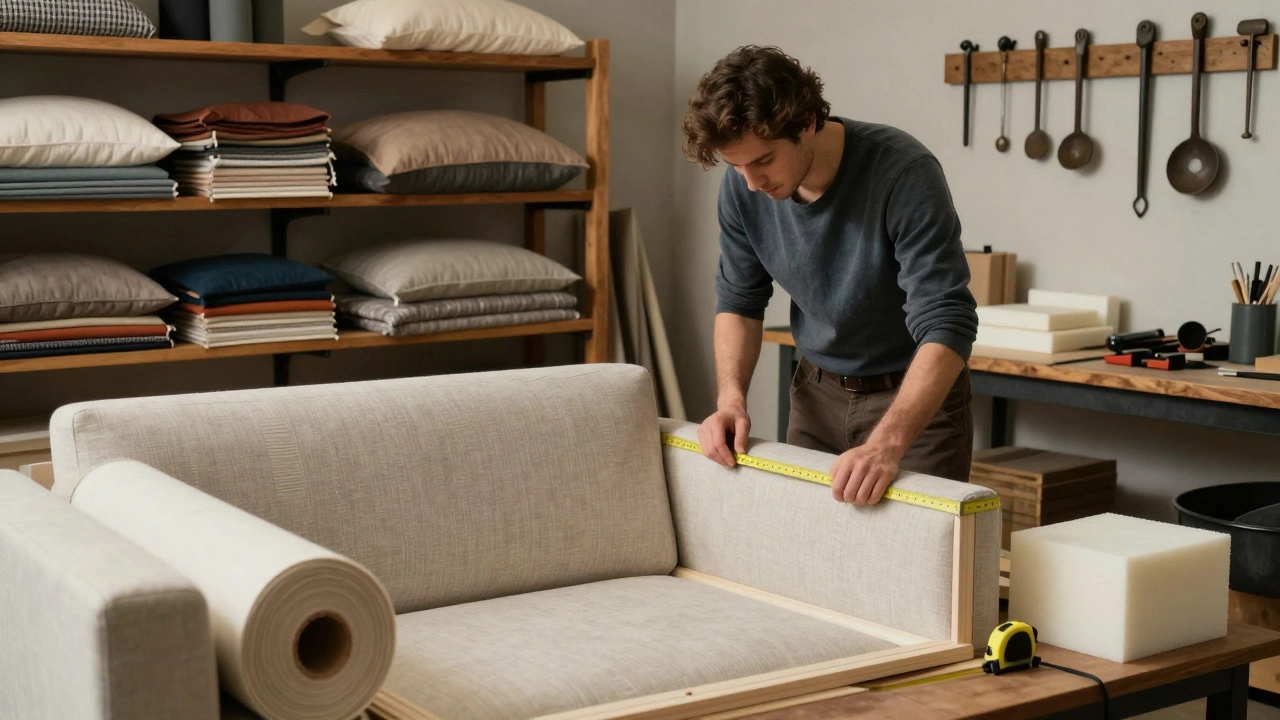
When to Replace vs. Reupholster
Replacing cushions is cheaper than replacing the whole sofa. But only if the frame is still solid. Here’s how to decide:
- Replace cushions only if: The frame is sturdy, no springs are squeaking, and the arms and back are still upright. A new set of cushions can extend your sofa’s life by 5-10 years.
- Replace the whole sofa if: The frame is wobbly, the legs are cracked, or the springs are broken. No cushion can fix a failing structure.
Many people don’t realize you can buy replacement cushions online. Just measure the length, width, and depth. Include the thickness of any existing wrap. Most companies let you pick foam density, cover fabric, and even zipper style. You can order them delivered and install them yourself in under an hour.
Pro Tips to Make Cushions Last Longer
Even the best cushions wear out faster if you neglect them. Here’s how to stretch their life:
- Rotate cushions every two weeks. Move the front ones to the back and flip them over. This evens out wear.
- Fluff down or feather blends daily. It redistributes the filling and prevents clumping.
- Use a sofa cover. A removable, machine-washable slipcover protects the cushions from spills, pet hair, and UV fading.
- Avoid direct sunlight. UV rays break down foam and fade fabric. Keep the sofa away from windows or use curtains.
- Don’t sit on the arms. That’s where the frame takes the most stress. It causes the cushions to shift and sag unevenly.
One trick from a Wellington upholstery shop: Sprinkle baking soda on cushions once a year, let it sit for 15 minutes, then vacuum it off. It absorbs odors and helps keep the fabric fresh without washing, which can wear down fibers over time.
Final Thought: Buy Once, Buy Right
Buying a sofa is a big investment. The cushions are the part that wears out first-and the easiest to fix. Spend a little more upfront on high-density foam and a quality wrap. Choose a durable fabric. Take care of them. And you won’t just save money-you’ll save the frustration of sitting on a couch that feels like it’s giving up on you.
What foam density is best for sofa cushions?
For long-lasting support, aim for 2.5 to 3.0 pounds per cubic foot. Foam below 1.8 lbs/ft³ will sag within a couple of years. High-density foam holds its shape through daily use and lasts 10-15 years with proper care.
Can I replace just the cushions on my sofa?
Yes, if the sofa frame is still in good condition. Measure the cushions accurately, choose high-density foam with a polyester wrap, and pick a durable fabric. You can order replacements online or take measurements to a local upholsterer. It’s often half the cost of a new sofa.
Are down cushions durable?
Down blends (50% down, 50% feather) are soft and luxurious but need regular fluffing and rotation to stay even. They last 8-10 years with care but aren’t as supportive as foam. Avoid 100% down-it’s too soft for daily use.
How do I know when my sofa cushions need replacing?
If your cushions sink more than 2 inches and don’t bounce back, feel lumpy or uneven, or if you’re sitting on the frame instead of the cushion, it’s time to replace them. Also check for visible wear on the fabric or foam poking through seams.
What fabric is best for long-lasting sofa cushions?
Tightly woven fabrics like microfiber, performance linen, or solution-dyed acrylic resist stains, fading, and abrasion. Avoid thin cotton or loosely woven materials-they wear out quickly with daily use.