IKEA Billy Bookcase Sales Calculator
Sales Context
Since its launch in 1979, the IKEA Billy bookcase has become a global phenomenon.
Calculate Volume
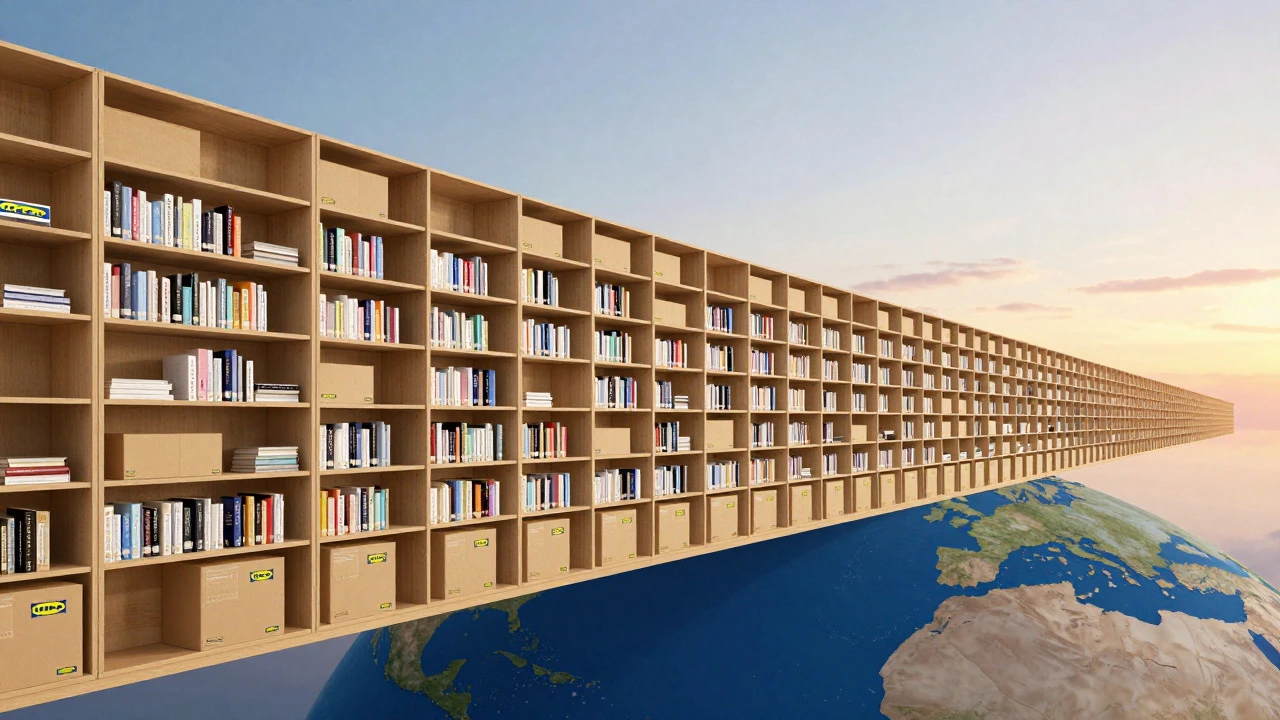
Imagine a piece of furniture so ubiquitous that if you laid them all end to end, they would circle the Earth more than seven times. That is not hyperbole; it is reality for one specific item. When we ask what is the most sold item in the world within the context of furniture, the answer isn't a sofa, a bed, or even a dining chair. It is a simple, flat-pack bookshelf from Sweden.
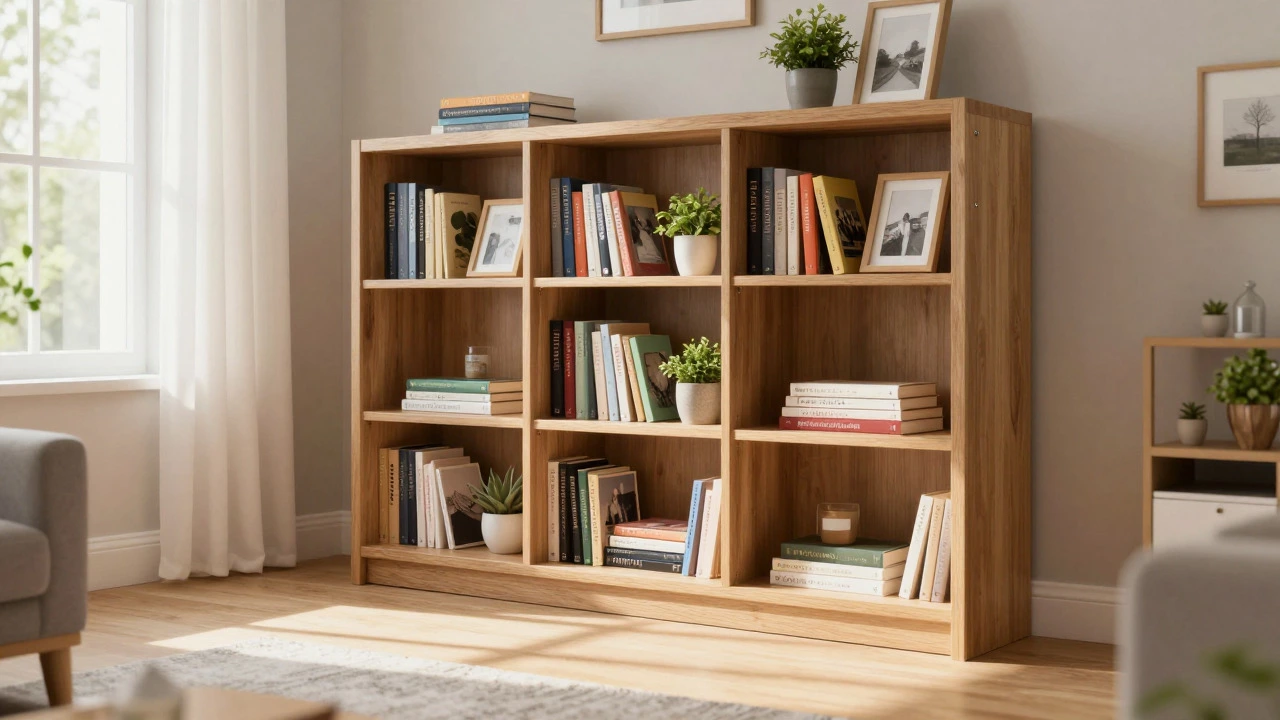
The title belongs to the IKEA Billy bookcase, which is a modular shelving unit designed by Gillis Lundgren and launched in 1979. Since its debut, over 280 million units have been sold globally. To put that number into perspective, that is roughly one Billy sold every four seconds, day and night, for nearly five decades. It has become a cultural artifact as much as a functional object, appearing in everything from student dorms in Oslo to executive offices in New York.
The Anatomy of a Global Phenomenon
Why did this particular shelf conquer the world? The secret lies in its perfect storm of affordability, modularity, and timeless design. In 1979, Gillis Lundgren was the industrial designer tasked with creating a compact yet spacious storage solution. His challenge was clear: create something that could hold a significant amount of books but fit through standard apartment doors and could be assembled without specialized tools.
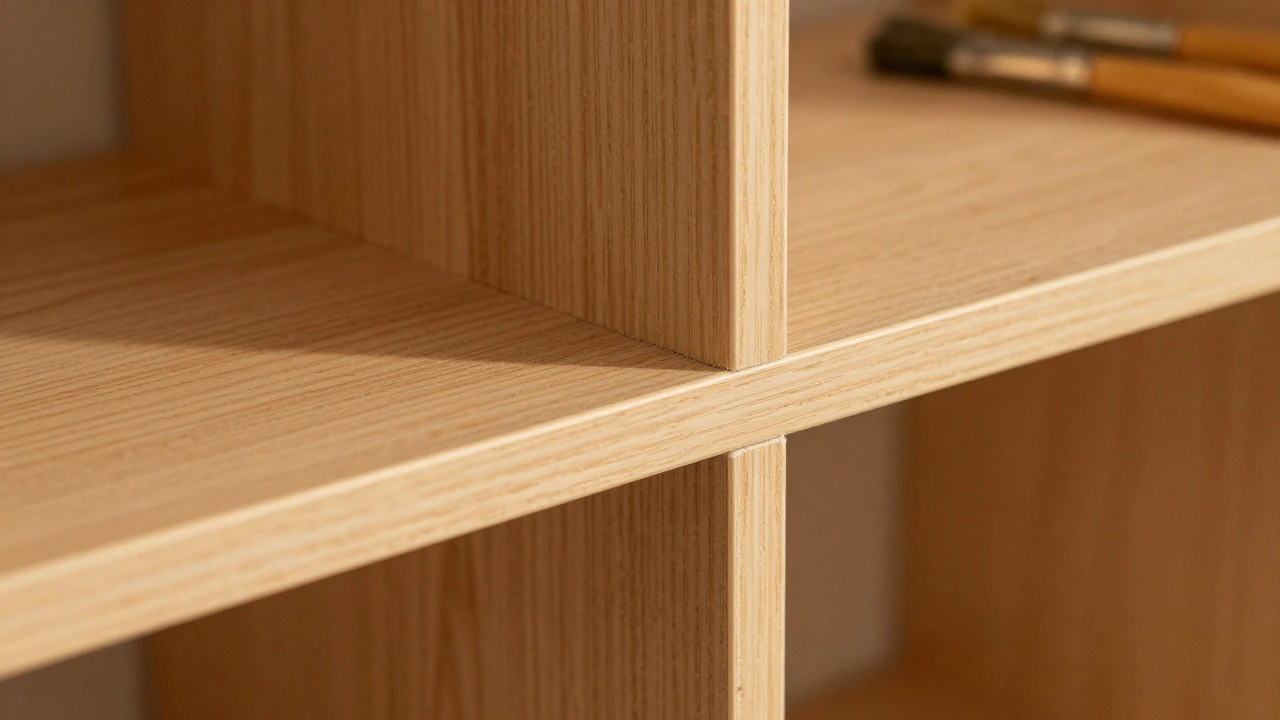
Lundgren’s solution was elegant in its simplicity. He used particleboard-a cheap, durable material made from compressed wood chips-and veneer to mimic real wood grain. This allowed the shelf to look premium while costing pennies on the dollar compared to solid oak alternatives. The dimensions were standardized to maximize shipping efficiency. By designing the product to be disassembled (flat-packed), IKEA reduced shipping volume by up to 80%. This logistical miracle passed savings directly to the consumer, making the Billy accessible to millions who previously couldn’t afford custom cabinetry.
Design Evolution and Adaptability
A static product rarely survives half a century in retail. The Billy’s longevity comes from its ability to evolve without losing its identity. Over the years, IKEA has introduced numerous variations to suit changing interior trends and spatial constraints.
| Model Variation | Key Feature | Target Audience |
|---|---|---|
| Standard Billy | Classic open shelves, adjustable heights | General households, students |
| Billy with Doors | Sliding or hinged doors for hidden storage | Professionals seeking tidy aesthetics |
| Billy & Alex Combo | Integrated desk base with upper shelving | Home office workers, remote employees |
| Narrow Billy | Reduced depth (30cm vs 36cm) | Small apartments, hallway storage |
The introduction of glass-fronted doors and sliding mechanisms addressed the "clutter" complaint often associated with open shelving. Meanwhile, the combination with the Alex drawer unit created a vertical workspace that became essential during the rise of remote work. These adaptations show how a single core entity can branch into multiple use cases, maintaining relevance across different life stages.
The Flat-Pack Revolution
The Billy didn't just sell well; it changed how the entire industry operates. Before the late 1970s, furniture was typically pre-assembled. This meant bulky shipments, high breakage rates, and expensive warehousing. The concept of Flat-pack furniture is a system where items are shipped unassembled in flat boxes to save space and cost. was pioneered by IKEA, largely driven by the logistics needs of products like the Billy.
This shift had profound environmental and economic implications. Fewer trucks on the road meant lower carbon emissions per unit sold. Lower inventory costs allowed retailers to offer wider selections at lower prices. For the consumer, it democratized good design. You no longer needed to be wealthy to have a well-organized, aesthetically pleasing home. The DIY assembly aspect also fostered a sense of ownership and accomplishment, turning shopping into an experience rather than just a transaction.
Cultural Impact and Collectibility
It might surprise you to learn that the Billy has developed a cult following. There are online communities dedicated to modifying these shelves. People paint them, add LED lighting, install wine racks, or convert them into bathroom vanities. The versatility of the particleboard structure makes it a blank canvas for DIY enthusiasts.
In some markets, vintage models with original hardware command higher prices on secondary markets like eBay or Facebook Marketplace. The 1979 originals, particularly those with rare color finishes like dark brown or white laminate, are sought after by collectors. This phenomenon blurs the line between mass-produced commodity and collectible artifact. It speaks to the emotional connection people form with objects that have accompanied them through major life transitions-moving out for the first time, starting a family, or downsizing in retirement.
Comparison with Other High-Volume Items
To understand the scale of the Billy’s success, it helps to compare it with other contenders for "most sold." While fast fashion items like t-shirts or tech accessories like USB cables move in higher volumes, they lack the durability and singular brand dominance of the Billy. In the furniture sector, competitors struggle to match its volume.
- Metal Shelving Units: Often cheaper, but perceived as less aesthetic and prone to rust or bending under heavy loads.
- Solid Wood Cabinets: Higher quality, but significantly more expensive, limiting their mass-market appeal.
- Plastic Storage Bins: Highly versatile, but lack the structural integrity and visual presence of a freestanding bookcase.
The Billy occupies a unique middle ground: affordable enough for impulse buys, sturdy enough for lifelong use, and stylish enough to remain in living rooms rather than closets.
Environmental Considerations and Future Trends
No discussion of mass production is complete without addressing sustainability. Particleboard relies on wood fibers and adhesives, raising questions about deforestation and chemical off-gassing. IKEA has responded by committing to using 100% renewable or recycled materials by 2030. Modern Billy units now feature formaldehyde-free boards and FSC-certified wood sources.
As consumers become more eco-conscious, the future of such high-volume items may shift toward circular economy models. We are already seeing initiatives where companies buy back old furniture for refurbishment or recycling. If the Billy continues to dominate, its next evolution might involve fully recyclable components or modular parts that can be replaced individually, extending the product’s lifespan further.
Is the IKEA Billy bookcase still being manufactured?
Yes, the Billy bookcase remains one of IKEA's best-selling products. It is continuously produced and updated with new colors and configurations to meet current market demands.
How many Billy bookcases have been sold since 1979?
As of recent reports, over 280 million Billy bookcases have been sold worldwide. This figure continues to grow as new units are purchased daily across more than 50 countries.
What material is the Billy bookcase made of?
The Billy is primarily constructed from particleboard, a composite material made from wood chips and resin. It is covered with a veneer or laminate to resemble natural wood or provide a painted finish.
Can you customize the height of the Billy shelves?
Yes, the Billy features adjustable shelves. You can move the shelf pins to different pre-drilled holes inside the side panels, allowing you to customize the spacing for books, decor, or larger items.
Why is the Billy bookcase considered an icon of design?
It combines democratic design principles-form, function, quality, sustainability, and low price. Its clean lines and adaptability make it suitable for various interior styles, from minimalist to eclectic.