Rug Selection Helper
Answer a few questions about your space to discover the best rug type for your needs.
Our Recommendation:
Fill out the form and click the button to see your tailored rug recommendation!
Quick Guide to Popular Rugs
- Area Rugs: Best for living rooms and bedrooms; high versatility.
- Persian Rugs: Best for luxury and timeless style; high durability.
- Washable Rugs: Best for kitchens, entryways, and pet owners; maximum convenience.
- Shag Rugs: Best for bedrooms; extreme comfort.
- Flat-weave/Kilim: Best for high-traffic areas; easy to clean.
The Timeless Appeal of Persian and Oriental Rugs
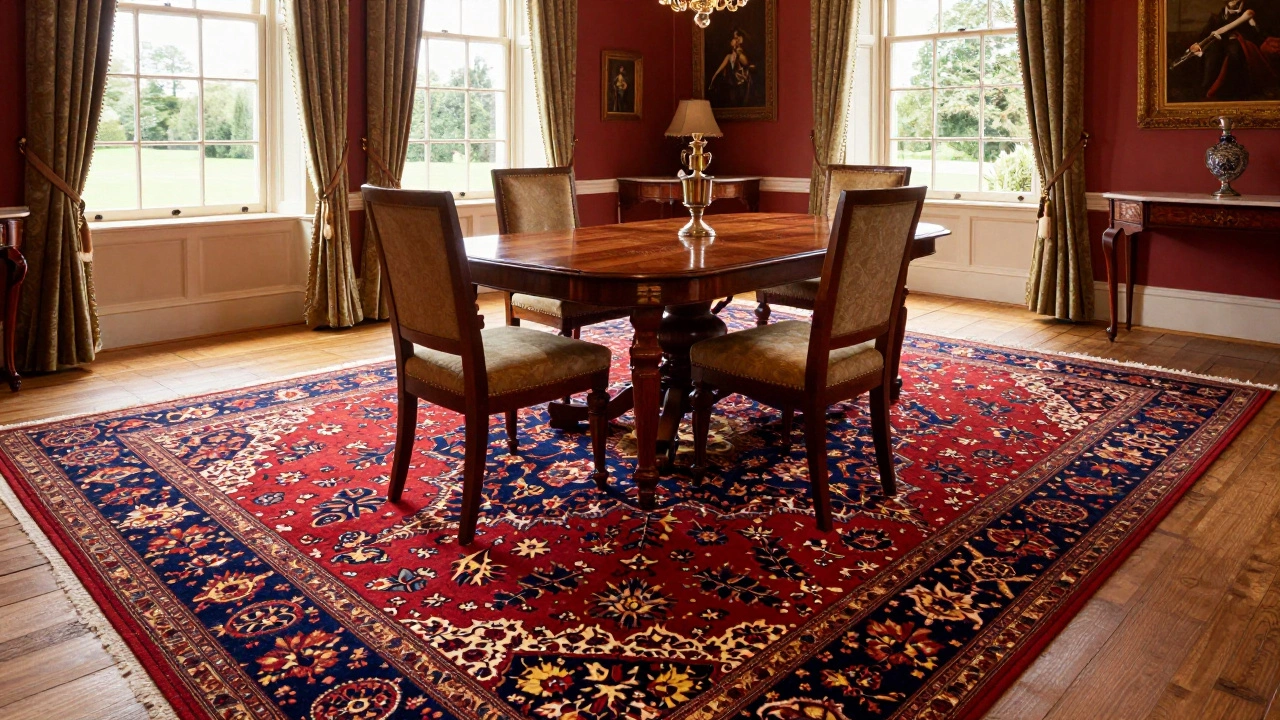
If you look at high-end interior design, Persian Rugs are hand-knotted rugs originating from Iran, known for intricate floral patterns and high-quality wool or silk almost always make an appearance. Why are they so popular? Because they actually get better with age. Unlike a cheap synthetic rug that shreds after three years, a genuine wool Persian rug can last for decades.
These rugs use a specific knotting technique that creates a dense pile. In a real-world scenario, if you have a formal dining room where you host guests, a Persian rug adds a sense of history and weight to the room. They aren't just floor coverings; they are investments. However, the price point is a hurdle for many, leading people toward machine-made versions that mimic the traditional look but cost a fraction of the price.
The Rise of the Washable Rug
In recent years, the most explosive growth in popularity hasn't been in luxury, but in practicality. Washable Rugs are low-pile rugs designed with a lightweight construction that allows them to be tossed into a standard home washing machine . If you have a golden retriever or a toddler who treats the floor like a canvas, these are a lifesaver.
The magic here is the thinness. By removing the heavy backing found in traditional rugs, manufacturers created a product that doesn't trap as much dirt and can be cleaned without a professional steam cleaner. While they don't feel as plush under your feet, the trade-off is that you can remove a red wine spill in twenty minutes. They've become the go-to choice for kitchens and mudrooms where spills are inevitable.

Plush Comfort with Shag and High-Pile Rugs
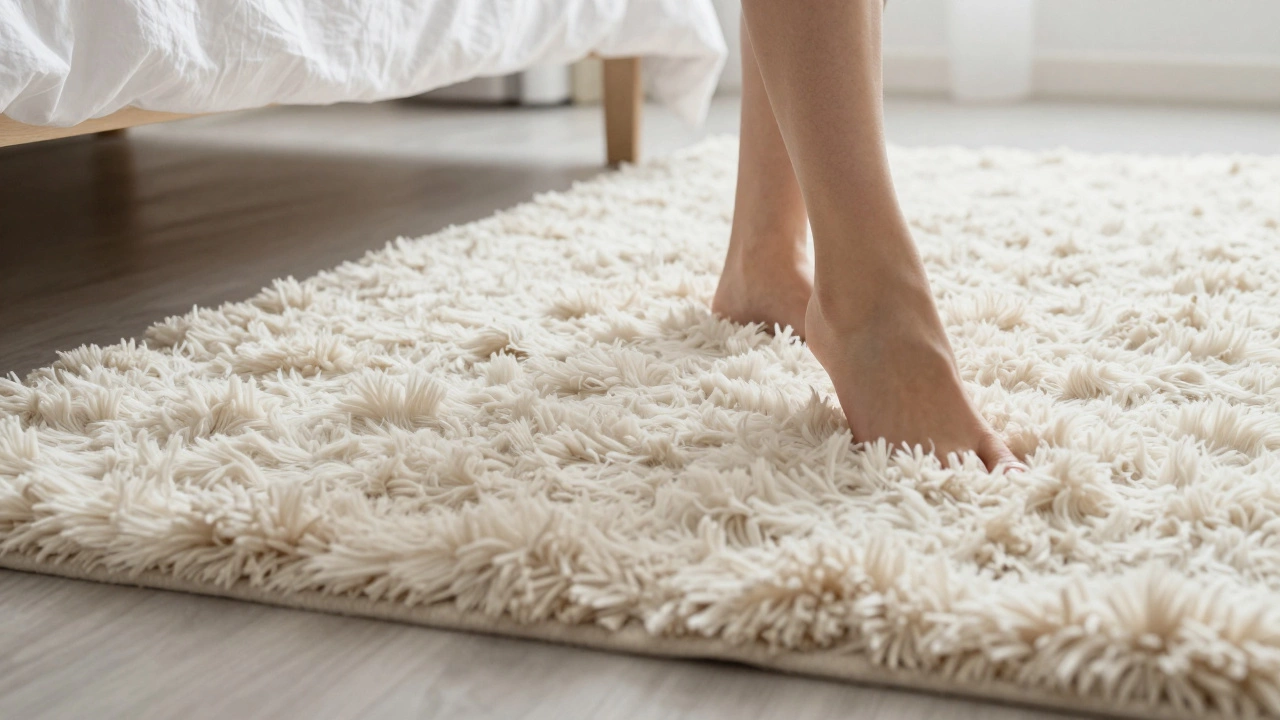
For those who prioritize a "cloud-like" feeling, Shag Rugs are rugs with a deep, loose pile that creates a shaggy, textured appearance and a soft feel . These saw a massive peak in the 1970s, but they've returned in a modern way. Instead of the wild, orange forests of the past, today's shags are usually neutral tones like cream or charcoal.
The problem with shag is that it's a vacuuming nightmare. If you've ever tried to pull a vacuum over a deep shag rug, you know the struggle of the brush roll getting stuck. That's why they are most popular in bedrooms. You don't walk on them with shoes, and the primary goal is to have something soft for your bare feet when you wake up at 6 AM.
Low-Profile and Flat-Weave Options
When you need something that doesn't trip people up or get caught under a door, you go for a Flat-weave Rug. These are rugs woven without a pile, meaning the warp and weft are tightly interlaced. A great example is the Kilim, which is a traditional flat-woven rug known for geometric patterns and vibrant colors .
Because they lack a thick pile, they don't trap dust and allergens as much as other types. This makes them a top choice for people with asthma or allergies. In a busy hallway or a home office where you have a rolling chair, a flat-weave is the only logical choice. A plush rug under an office chair is just a recipe for frustration as the wheels get stuck in the fibers.
| Rug Type | Durability | Maintenance | Comfort Level | Best Use Case |
|---|---|---|---|---|
| Persian | Very High | Professional | Medium | Formal Living/Dining |
| Washable | Medium | Easy (Machine) | Low | Kitchen/Kids Room |
| Shag | Low | Difficult | Very High | Bedroom |
| Flat-weave | High | Moderate | Low | Hallways/Offices |
Choosing the Right Material
The type of rug is only half the battle; the material is what actually determines how long it lasts. Wool is the gold standard. It's naturally flame-retardant, water-repellent, and incredibly resilient. If you press your thumb into a wool rug, it usually bounces back. This is why high-traffic areas in hotels often use wool.
Then there's Polypropylene, a synthetic fiber that has made budget rugs possible. It's essentially plastic, which means it doesn't stain easily. However, it can feel "scratchy" compared to wool and doesn't breathe as well, meaning it can feel hot in the summer. For a rental apartment or a first home, polypropylene is the most popular choice because it looks decent and costs very little.
For those seeking a sustainable route, Jute and Sisal are popular natural fibers. They provide a rustic, organic look that fits perfectly with a "boho" or coastal aesthetic. The catch? They are rough. Walking on a jute rug is like walking on a very soft burlap sack. They are great for layering-putting a smaller, softer rug on top of a large jute one-but they aren't the best for lounging.
Common Pitfalls When Buying Rugs
The biggest mistake people make isn't the type of rug they buy, but the size. A rug that is too small makes a room look fragmented and smaller than it actually is. A common rule of thumb is that all furniture legs should at least touch the rug. In a living room, if your sofa is floating in the middle of the room and the rug is just a tiny island in between the coffee table and the couch, it looks awkward.
Another issue is ignoring the "shedding' phase. New wool rugs, especially high-end ones, shed a lot of fibers for the first few months. If you aren't prepared for this, you might think you bought a defective product. In reality, it's just the loose fibers settling. Frequent vacuuming (without a beater bar for delicate weaves) usually solves this within a season.
What is the most durable rug for pets?
Washable rugs made from synthetic fibers like polypropylene are the best for pet owners. They resist stains better than natural fibers and can be cleaned in a machine, which is essential for removing pet odors and hair.
Are Persian rugs better than machine-made rugs?
In terms of value and longevity, yes. Hand-knotted Persian rugs are crafted from high-quality wool and can last for generations. Machine-made rugs are more affordable and accessible but tend to wear out much faster and lose their shape.
How do I stop a rug from sliding on a hard floor?
The best solution is a rug pad. Depending on your floor, you can use a rubberized mesh for grip or a felt pad for extra cushioning. This not only prevents slips but also protects the floor from scratches caused by the rug's backing.
Is jute a good choice for a living room?
Jute is excellent for a natural look and is very durable. However, because it's a coarse fiber, it's not very comfortable for lounging. Many people use jute as a base layer and place a smaller, softer rug on top in the area where they actually sit.
How often should I professionally clean my area rug?
For high-traffic area rugs, a professional deep clean every 12 to 24 months is recommended. This removes deep-seated grit that can act like sandpaper and wear down the fibers from the inside out.
Next Steps for Your Flooring
If you're still undecided, start by mapping out your room's traffic patterns. Where do people walk most? That's where you need a flat-weave or a durable wool rug. Where do you spend your quiet time? That's where the shag or a plush area rug belongs.
If you are on a tight budget, don't be afraid of polypropylene, but look for "heat-set" versions, as they feel much softer and look more like wool. For those investing in a luxury piece, always ask for the knot density-the higher the knots per square inch, the more detailed the pattern and the longer the rug will last.