In-House Storage Cost Calculator
The High Price of Keeping It All at Home
There is a quiet assumption in both home organization and business IT that keeping things under your own roof is the safest bet. You control the keys, you manage the servers, you decide who sees what. But in-house storage is a system where physical goods or digital data are stored on-site rather than off-site. While it offers immediate access and perceived control, the reality is often a minefield of hidden expenses, security vulnerabilities, and operational bottlenecks. Whether you are talking about a cluttered garage or an aging server room, the disadvantages of in-house storage can quietly drain your resources and expose you to significant risk.
The Space Trap: Physical Limitations and Opportunity Costs
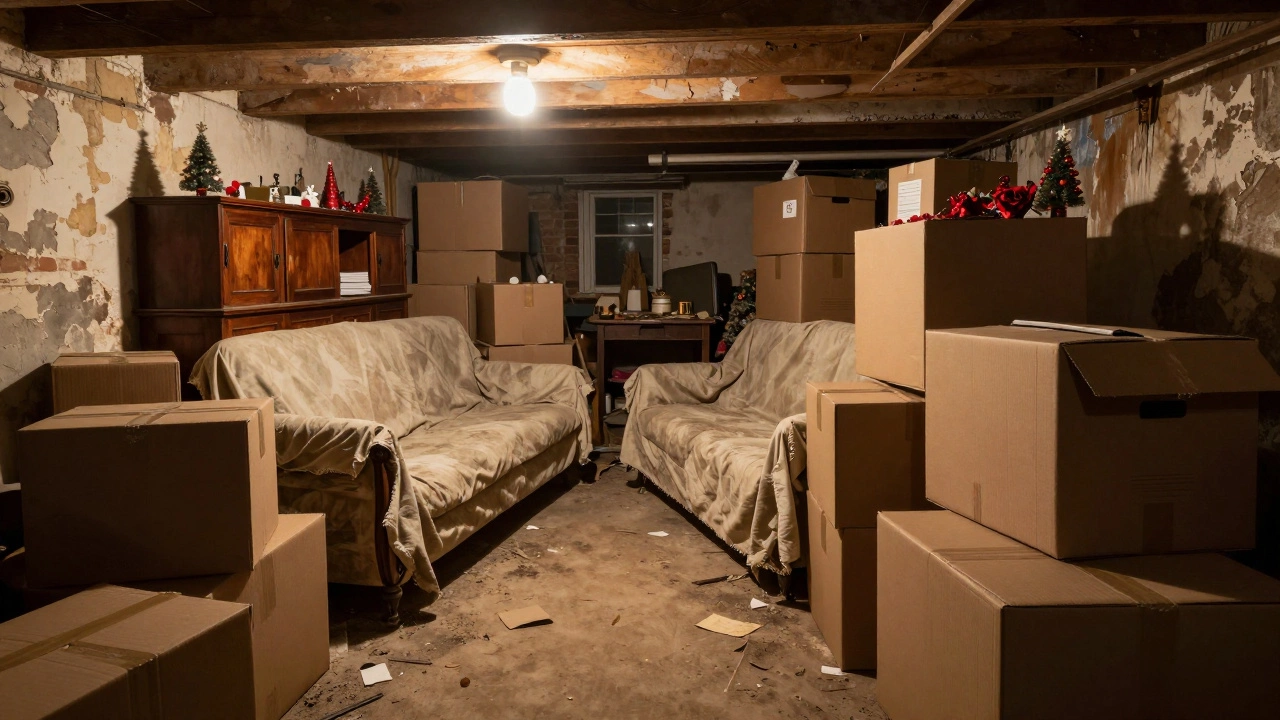
The most obvious disadvantage of in-house storage is simple physics: space is finite. When you store items in your home or office, you are using square footage that could serve other purposes. In a residential setting, this means less living space for family activities or hobbies. In a commercial context, it means valuable real estate is tied up with inventory instead of being used for production, customer service, or expansion.
Consider the concept of opportunity cost. If you are storing seasonal decorations, old furniture, or archived documents in your basement, you are paying for that space through your mortgage or rent without getting any return on investment. Professional self-storage facilities are commercial properties designed specifically for secure, long-term storage of personal or business items. They optimize vertical space and climate control, allowing you to free up your primary location for its intended use. By keeping everything in-house, you often end up with a cramped, inefficient environment that hinders productivity and comfort.
Security Vulnerabilities: The Myth of Total Control
Many people believe that if they hold the key, their belongings are safe. This is a dangerous misconception. In-house storage lacks the layered security systems found in professional facilities. A typical home has a standard lock and perhaps a basic alarm system. A dedicated storage unit often features 24/7 video surveillance, gated entry with individual codes, on-site managers, and fire suppression systems.
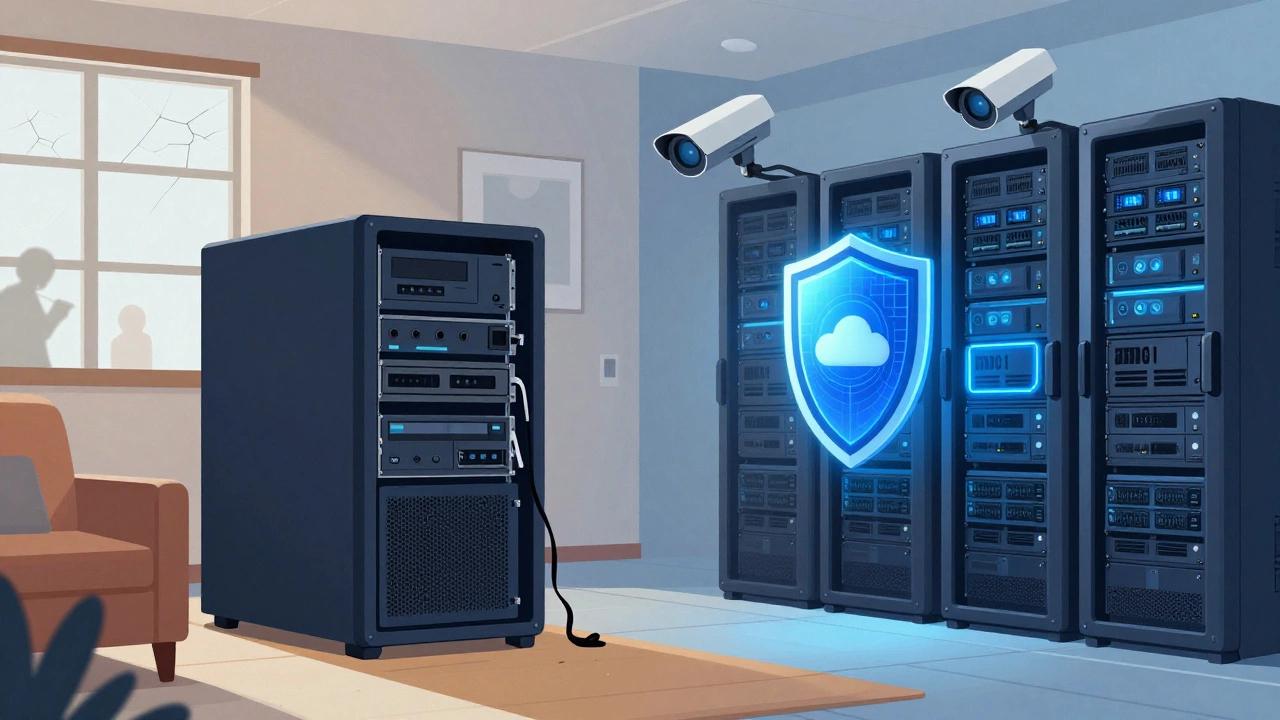
When it comes to digital data, the risks are even higher. An on-premise server room requires robust cybersecurity measures, including firewalls, intrusion detection systems, and regular software updates. Most small businesses and homeowners do not have the expertise or budget to maintain these defenses. A single ransomware attack or physical break-in can wipe out years of work or irreplaceable memories. Professional cloud storage providers are remote services that host data on distributed networks with enterprise-grade encryption and redundancy. They offer a level of protection that is nearly impossible to replicate in a private setting.
Environmental Risks and Climate Control Failures
Your home or office is not built to be a warehouse. Standard HVAC systems are designed for human comfort, not for preserving sensitive materials. Fluctuations in temperature and humidity can wreak havoc on stored items. Wood warps, electronics corrode, paper yellows, and fabrics mildew. Professional storage facilities invest heavily in climate control to maintain stable conditions, protecting high-value items like antiques, wine, or archival documents.
In-house storage also exposes your possessions to natural disasters. Floods, fires, and storms hit homes directly. If your basement floods, your entire collection of photos, tax records, and heirlooms goes with it. Off-site storage provides geographic diversification. If a disaster strikes your local area, your backups or stored goods might be safe in a different location. This resilience is a critical component of any serious disaster recovery plan is a strategy to restore operations and data after a catastrophic event.
Maintenance Burdens and Hidden Costs
Owning storage infrastructure is not just about buying shelves or hard drives. It involves ongoing maintenance. Shelves sag and need replacement. Servers require cooling, power conditioning, and hardware upgrades. Insurance premiums for high-value items stored at home can skyrocket, as many policies have strict limits on coverage for business assets or rare collectibles.
Then there is the labor cost. Organizing, retrieving, and managing in-house storage takes time. Every hour spent digging through boxes or troubleshooting a server is an hour not spent on revenue-generating activities or personal enjoyment. Professional storage solutions shift this burden to experts. You pay a predictable monthly fee, and they handle the rest. This predictability allows for better financial planning and reduces the stress of unexpected repair bills.
Scalability Issues: Growing Pains
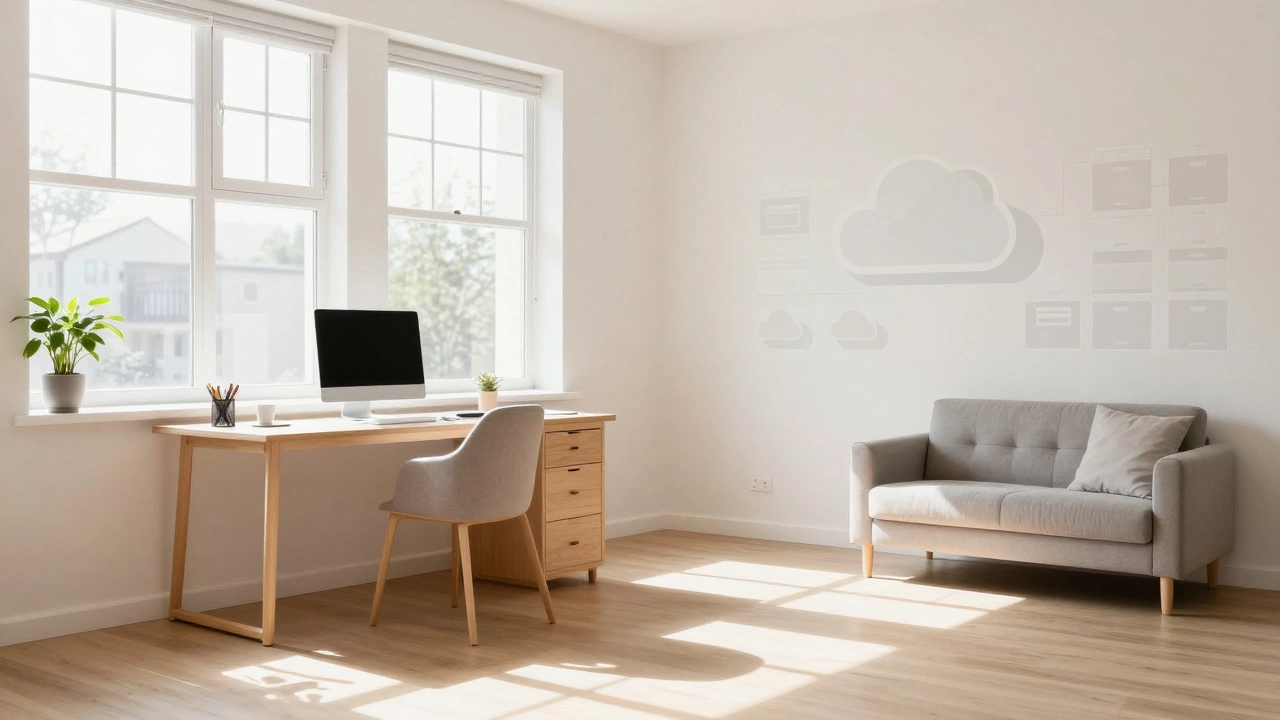
One of the biggest disadvantages of in-house storage is its inability to scale easily. If your business grows by 50% overnight, you cannot instantly expand your warehouse or server capacity. You would need to lease new space, install equipment, and hire staff-a slow and expensive process. Conversely, if your needs shrink, you are left with empty, costly space.
Cloud storage and modular self-storage units offer flexibility. You can upgrade or downgrade your storage capacity with a few clicks or phone calls. This elasticity is crucial for startups and small businesses that experience fluctuating demand. In-house storage locks you into a fixed capacity, forcing you to either overpay for unused space or struggle with overflow.
| Factor | In-House Storage | Professional Storage (Self-Storage/Cloud) |
|---|---|---|
| Space Efficiency | Low; consumes living/work space | High; optimized vertical and horizontal use |
| Security | Basic; vulnerable to break-ins and disasters | Advanced; 24/7 monitoring, encryption, redundancy |
| Climate Control | Inconsistent; standard HVAC only | Precise; tailored for preservation |
| Scalability | Poor; requires major capital for expansion | Excellent; instant upgrades/downgrades |
| Maintenance | Owner responsible for all repairs | Provider handles infrastructure upkeep |
| Cost Predictability | Unpredictable; hidden repair and insurance costs | Predictable; fixed monthly fees |
Psychological Impact and Clutter Stress
Clutter is not just a visual issue; it affects mental health. Studies show that excessive clutter increases cortisol levels, leading to chronic stress and anxiety. When your home is filled with stored items you rarely use, it creates a sense of chaos and unfinished business. Clearing out your space can lead to improved focus, better sleep, and a greater sense of well-being.
For businesses, a cluttered workspace reduces efficiency. Employees waste time searching for files or tools, and the overall atmosphere becomes less professional. Moving non-essential items to off-site storage creates a clean, organized environment that boosts morale and productivity. The psychological benefit of a decluttered space is a tangible advantage that in-house storage actively works against.
When Is In-House Storage Still Worth It?
While the disadvantages are significant, in-house storage still has a place for specific items. Daily-use tools, frequently accessed files, and items requiring immediate retrieval should remain on-site. The key is to define "storage" versus "active use." If you haven't touched an item in six months, it likely belongs in professional storage. For digital data, keep only active projects on local drives and archive the rest in the cloud. This hybrid approach balances accessibility with the benefits of off-site solutions.
Is in-house storage cheaper than renting a storage unit?
Not necessarily. While you avoid a monthly rental fee, you pay for the space through your mortgage or rent, plus insurance, maintenance, and potential damage. For large volumes of items, professional storage is often more cost-effective when you factor in the opportunity cost of lost usable space.
What are the biggest security risks of in-house storage?
The main risks include burglary, lack of 24/7 surveillance, vulnerability to natural disasters like floods or fires, and inadequate climate control which can ruin sensitive items. Digital data stored on-premise is also at higher risk from cyberattacks unless you have enterprise-grade security.
How does in-house storage affect scalability for a business?
It severely limits scalability. Expanding in-house storage requires leasing new space, installing infrastructure, and hiring staff, which is slow and capital-intensive. Cloud or external storage allows for instant scaling up or down based on current needs.
Can I insure my in-house storage items adequately?
Homeowners insurance often has low limits for specific categories like jewelry, art, or business equipment. You may need separate riders or policies, which increase costs. Self-storage facilities often offer specialized insurance options that are easier to manage and claim.
What items should stay in-house versus moved to professional storage?
Keep daily-use items, essential documents, and tools needed for immediate tasks in-house. Move seasonal decorations, archival records, excess inventory, and sentimental items rarely accessed to professional storage to free up space and reduce risk.