
Sofa Seat Depth Calculator
Find the perfect fit for your body type. Enter your details below to determine the optimal seat depth range for maximum comfort and support.
Recommended Seat Depth Range
You walk into a showroom, spot a gorgeous velvet number, and immediately plop down. It feels like a cloud. You buy it, haul it home, and three weeks later your lower back is screaming. Why? Because while the cushion felt soft in the store, the seat depth was likely too deep for your body mechanics. You were probably perched on the edge or sinking so far back that your knees ended up higher than your hips. This isn't just about style; it's about ergonomics. Getting the depth right prevents that awkward "slouching shrimp" posture and ensures you can actually relax without needing a chiropractor.
The Magic Number (And Why It Isn't One Size Fits All)
If you're looking for a quick answer, here it is: for most people, a seat depth between 21 to 23 inches (53 to 58 cm) from the front of the cushion to the backrest is the sweet spot for upright sitting and good posture. However, if you love to curl up with a book or watch movies, you might prefer 24 to 26 inches (60-66 cm). Anything deeper than 27 inches usually requires bolster cushions to fill the gap behind your back, otherwise, you'll end up sliding around.
But wait-why does one person love a 25-inch depth while their partner hates it? It comes down to thigh length. If your thighs are shorter, a deep sofa means your feet dangle or your back doesn't touch the frame. If you have long legs, a shallow sofa digs into the backs of your knees, cutting off circulation. The goal is to find the balance where your feet rest flat on the floor, your knees are at or slightly below hip level, and your back has support.
Measuring Your Body Before Measuring Your Sofa
Before you fall in love with a silhouette, grab a tape measure. You need two numbers: your popliteal height (floor to back of knee) and your thigh length (back of knee to hip bone). Sit on a chair with your back straight and feet flat. Measure from the floor to the underside of your thigh at the knee. Then, measure from the back of your knee to the crease of your hip.
- Shorter stature (under 5'4"): Look for depths under 21 inches. Deep sofas will force you to slouch or use footstools constantly.
- Average stature (5'4" to 5'9"): The standard 21-23 inch range works well. You can often get away with 24 inches if you don't mind using throw pillows.
- Taller stature (over 5'10"): You need space. Aim for 24+ inches. A shallow sofa will feel cramped and uncomfortable within minutes.
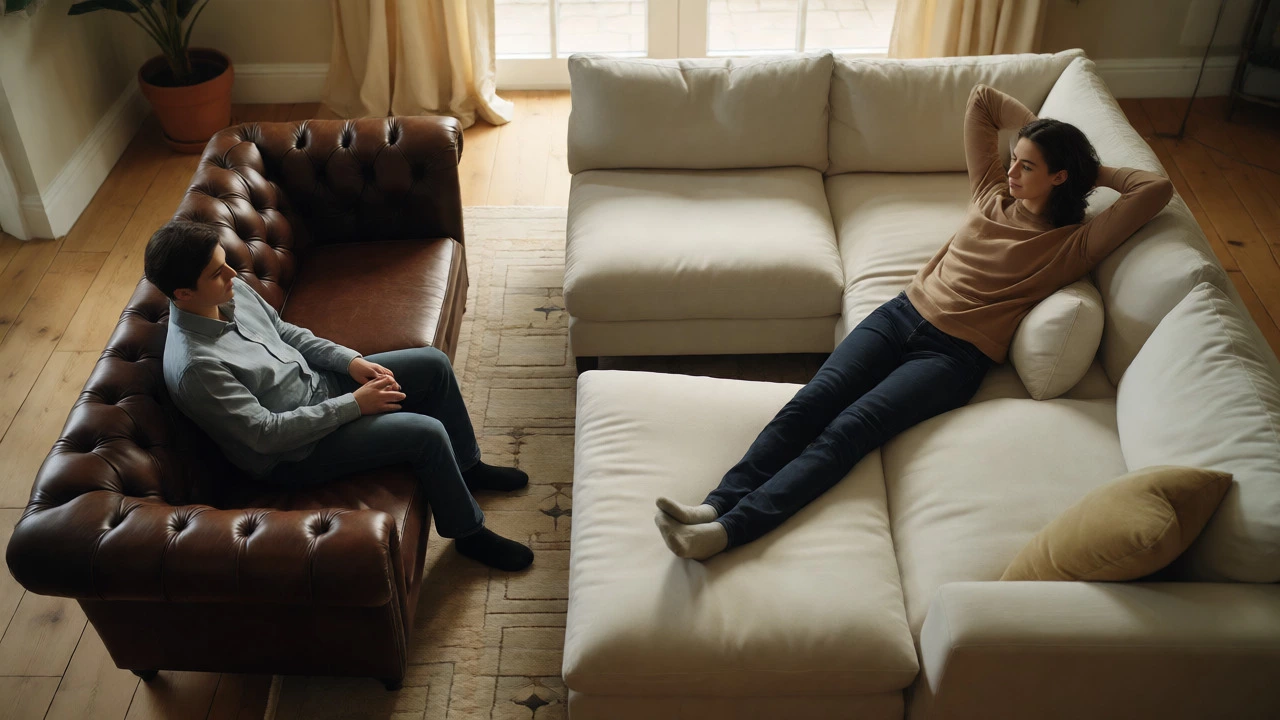
Style vs. Function: How Design Dictates Depth
Furniture design isn't just aesthetic; it dictates how deep you can sit. Traditional Chesterfields, for instance, often have shallower seats because they were designed for upright Victorian postures. Modern mid-century pieces tend to be deeper to encourage lounging. Here’s how common styles stack up:
| Sofa Style | Typical Seat Depth | Best For | Ergonomic Note |
|---|---|---|---|
| Traditional / Classic | 19-21 inches | Formal living rooms, short-statured users | Keeps you upright; may feel restrictive for tall people |
| Modern / Contemporary | 22-24 inches | General use, average height | Balanced support and comfort |
| Deep Lounge / Hollywood Squares | 25-28+ inches | Movie nights, napping, tall users | Requires lumbar pillows for proper back support |
| Sectional Chaise | Variable (often deeper) | Stretching out | Check the main seating area separately from the chaise |
The Cushion Factor: Firmness Changes Everything
Here’s a trap many buyers miss: the advertised depth includes the cushion compression. A 24-inch deep sofa with ultra-soft foam might effectively give you only 20 inches of usable space once you sink in. Conversely, a firm high-resilience foam cushion holds its shape better, maintaining the full depth. If you see a "deep" sofa online, check the density rating. Low-density foam (under 1.8 lbs/cu ft) collapses quickly, making the seat feel shallower over time but less supportive initially.
If you’re buying online, look for reviews mentioning "sinking" or "bottoming out." These are code words for poor cushion resilience relative to the frame depth. In Wellington, where humidity can vary, natural feather blends might compress more in damp months, altering the effective depth seasonally.
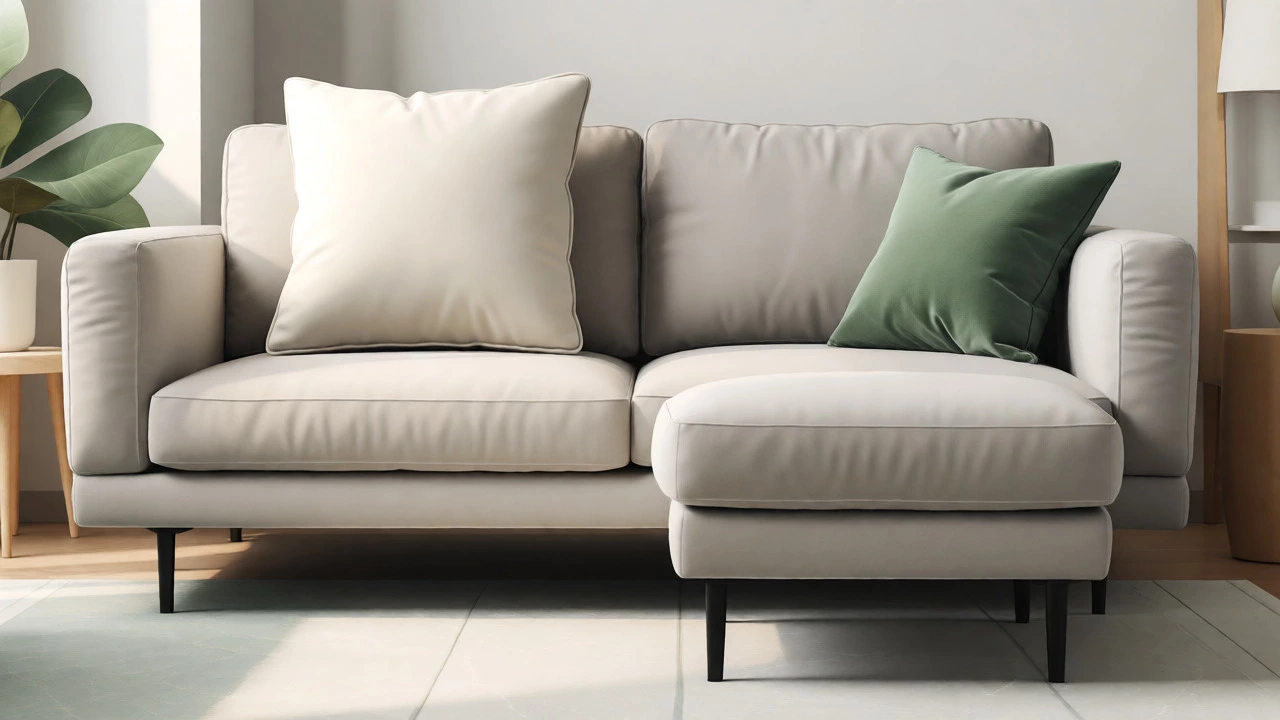
Fixing the Wrong Depth Without Buying New Furniture
So, you already own a sofa that’s either too deep or too shallow. Do you really need to replace it? Not necessarily. You can hack the ergonomics with accessories.
- Too Deep? Buy large square bolster cushions (at least 20x20 inches). Place them against the backrest to reduce the effective depth by 4-6 inches. This creates a makeshift lumbar support zone. Alternatively, use a rolled-up blanket as a temporary fix.
- Too Shallow? This is harder to fix. You can add a thick memory foam topper to raise the seat height, which sometimes helps align hips and knees better, but it won’t add legroom. Often, adding a separate ottoman or pouf in front allows you to stretch your legs out, compensating for the lack of depth.
Testing Like a Pro: The 10-Minute Rule
Never judge a sofa by a 30-second sit test. Salespeople know this trick, which is why they make showrooms feel cozy. When testing a potential purchase, simulate real life. Bring your phone, a book, or a laptop. Sit in the position you normally use at home. Do you cross your legs? Do you lean forward? Do you slouch?
Stay there for ten minutes. Pay attention to pressure points behind your knees and in your lower back. If you feel the urge to shift positions every few minutes, the depth is wrong. Your body naturally seeks stability; constant shifting is a sign of ergonomic mismatch. Also, try standing up. If it takes effort or you have to push off hard, the seat might be too low or too deep, forcing your muscles to work harder than necessary.
Is a deeper sofa always more comfortable?
No. While deeper sofas (25+ inches) allow for lounging and stretching out, they often lack proper back support for upright activities like reading or working. Unless you plan to lie down frequently, a moderate depth (21-23 inches) usually offers better long-term comfort and posture support.
How do I measure seat depth accurately?
Measure from the very front edge of the seat cushion (where your legs hang over) to the point where the backrest begins to curve inward. Ensure you measure horizontally, not diagonally. If the sofa has loose cushions, measure the frame depth first, then account for cushion thickness.
What if my family members have different heights?
Compromise is key. Choose a medium depth (22-23 inches) that suits the majority. Use removable bolsters or large throw pillows to customize the fit for individuals who need more support. Sectionals can also help by offering different seating zones with varying depths.
Does seat depth affect cleaning difficulty?
Yes. Deeper sofas accumulate crumbs, coins, and pet hair further back, making them harder to reach with standard vacuums. Shallow sofas are easier to maintain but may require more frequent fluffing of back cushions if they slide forward.
Can I change the depth of an existing sofa?
You cannot easily change the frame depth, but you can alter the *effective* depth. Adding firm lumbar pillows reduces depth. Removing bulky back cushions increases it. Custom upholstery shops can sometimes re-pad frames to adjust firmness, which indirectly affects perceived depth.