Living Room Rug Material Advisor
Select your living room conditions below to get a personalized recommendation on which rug materials to buy or avoid.
Top Recommendation:
Pros
Cons
Materials to Avoid Based on Your Profile:
You just spent three months hunting for the perfect living room rug. It’s plush, it’s stylish, and it ties your entire seating area together. Then, six weeks later, you notice a faint chemical smell that won’t quit, or worse, the pile starts matting down like a bad haircut. The culprit? Often, it’s not how you cleaned it-it’s what the rug was made of.
Rug materials dictate everything from durability and comfort to indoor air quality and maintenance headaches. While marketing brochures love words like "luxury" and "artisan," they rarely tell you which fibers turn into dust magnets or off-gas volatile organic compounds (VOCs) when heated by sunlight. If you want a rug that survives kids, pets, and daily foot traffic without becoming a health hazard or an eyesore, you need to know what to skip.
The Synthetic Off-Gassing Trap
Let’s talk about polypropylene, also known as olefin. This is the king of budget rugs because it’s cheap, stain-resistant, and colorful. But here’s the catch: low-quality polypropylene often uses plasticizers and adhesives that release VOCs. You might not see them, but you’ll smell them-a persistent, plasticky odor that lingers in enclosed spaces.
In New Zealand, where we keep windows closed during winter to trap heat, this off-gassing can accumulate. If you buy a thick, rubber-backed polypropylene rug and place it on timber flooring, you’re essentially creating a greenhouse effect for chemicals. The heat from the floor and sun amplifies the release. Unless the rug is explicitly labeled as "low-VOC" or "OEKO-TEX certified," avoid thick, glued-down synthetics if you have sensitive lungs or small children crawling around.
Jute and Sisal: Not Just For Beach Houses
Jute and sisal are natural fibers that look fantastic in coastal or bohemian interiors. They bring texture and warmth. However, they are notoriously high-maintenance for a busy living room.
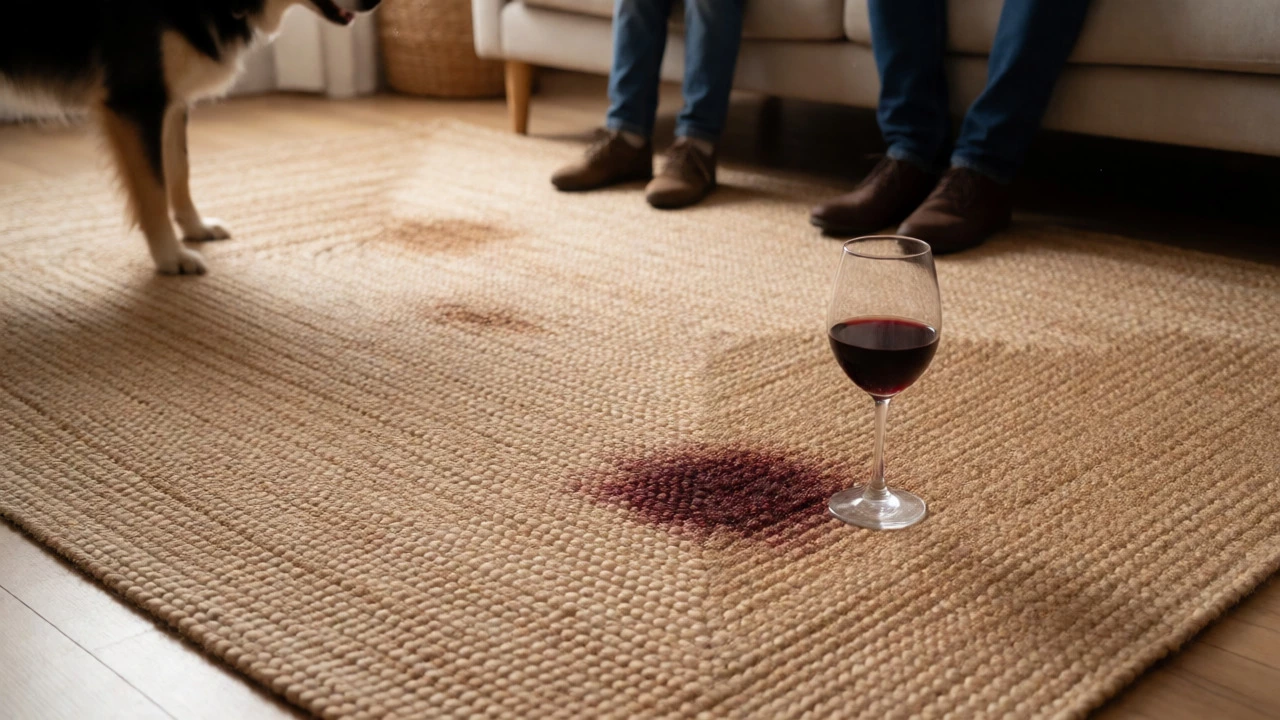
Why? Because they absorb moisture instantly. Spill a glass of wine or let your dog shake off rainwater onto a jute rug, and you’re looking at permanent dark stains. These fibers lack the natural oils found in wool, so they don’t repel liquids well. Furthermore, jute tends to shed excessively when new. That fine dust settles on your furniture and gets kicked up every time someone walks across it. If your living room sees heavy foot traffic or frequent spills, jute will frustrate you more than it delights you. Save it for a low-traffic hallway or a formal sitting room where shoes come off immediately.
Shaggy Microfibers: The Dust Magnets
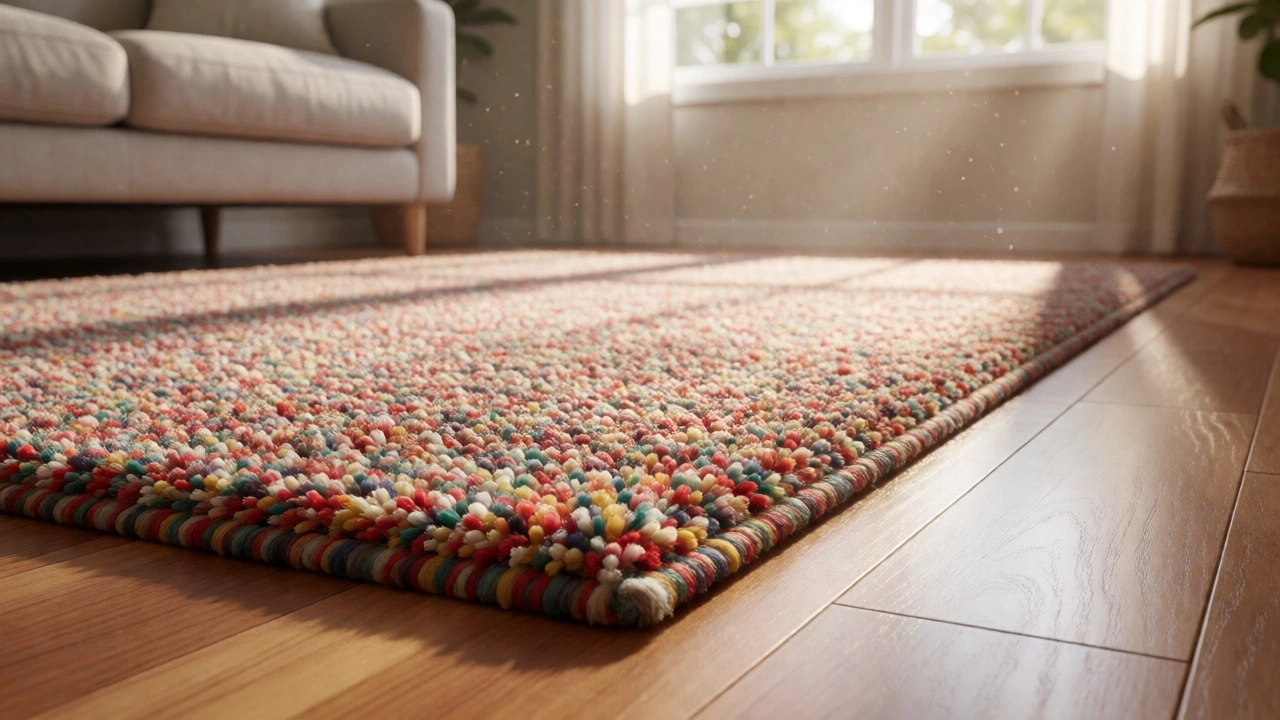
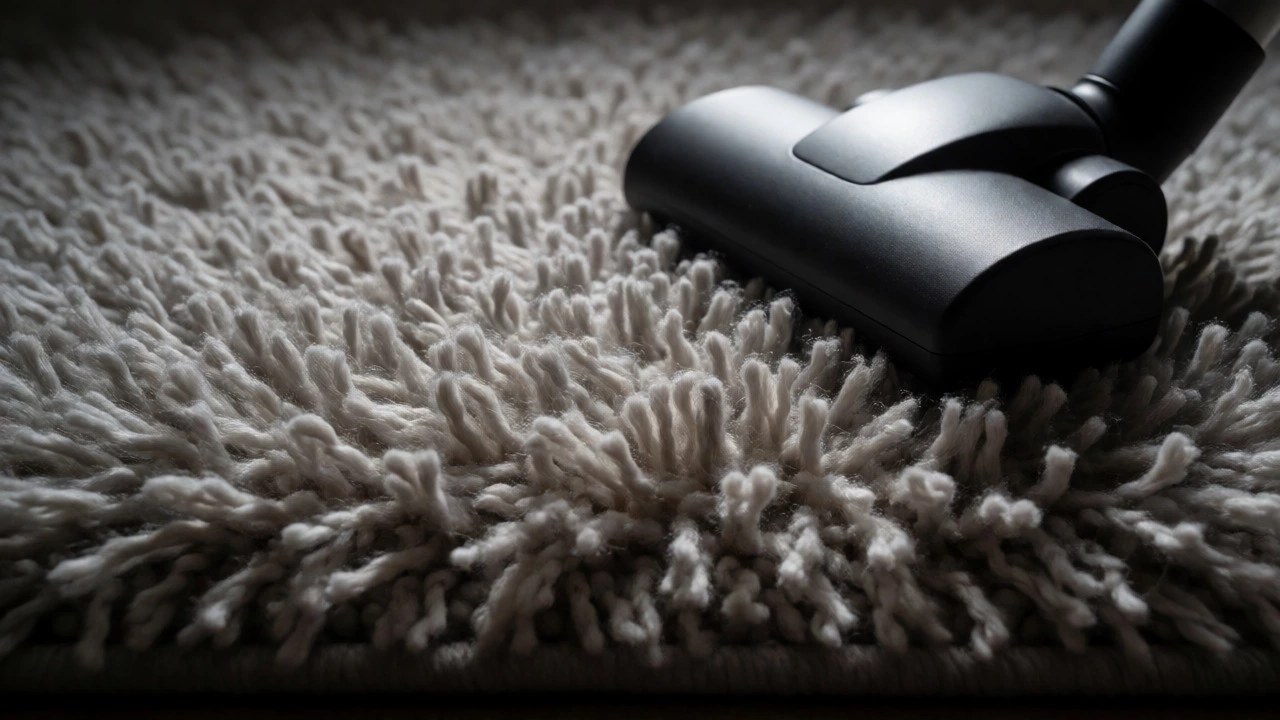
We’ve all seen those ultra-soft, shaggy microfiber rugs that look invitingly cozy. They feel great under bare feet, sure. But structurally, they are a nightmare for hygiene. Microfiber rugs consist of extremely fine synthetic strands that create deep pockets for dust, pet dander, and skin cells to hide.
Standard vacuum cleaners struggle to pull debris out of dense shag piles. You end up with a rug that looks clean on top but holds allergens close to the breathing zone. For households with allergies or asthma, this is a critical flaw. Additionally, these rugs flatten over time. Once the pile crushes, it doesn’t spring back, leaving you with a matted, uneven surface that looks neglected despite regular cleaning. If you crave softness, opt for a short-pile wool blend instead; it offers comfort without the allergen trap.
Low-Quality Wool Blends
Wool is generally considered the gold standard for rugs due to its natural resilience and fire resistance. But not all wool is created equal. Be wary of rugs labeled simply as "wool blend" without specifying the percentage. Some manufacturers mix only 10% wool with 90% synthetic fillers to lower costs while keeping the "wool" name on the tag.
These blends often suffer from inconsistent wear patterns. The synthetic parts may pill or fade faster than the wool components, leading to a patchy appearance within a year. Always check the label for a minimum of 80% pure new wool. Anything less is likely a compromise that undermines the durability benefits you’re paying for. Also, watch out for wool treated with harsh moth-proofing chemicals if you prefer untreated, eco-friendly options.
Comparison of Common Rug Materials
To help you decide quickly, here’s how common materials stack up against each other regarding living room suitability.
| Material | Durability | Stain Resistance | Maintenance | Best For |
|---|---|---|---|---|
| Polypropylene | Medium | High | Easy (vacuum/wash) | Budget homes, outdoor-indoor |
| Jute/Sisal | Low-Medium | Very Low | Difficult (no wet cleaning) | Low-traffic, dry climates |
| Microfiber Shag | Low | Low | Hard (deep clean needed) | Guest rooms, low use |
| 100% Wool | High | Natural Repellency | Moderate (professional clean) | High-traffic, long-term investment |
| Cotton Flatweave | Low | Low | Machine Washable | Kids' play areas, casual style |
The Backing Problem: Latex and Glue
It’s not just the face fiber that matters. The backing determines whether your rug slides, curls, or smells. Many affordable rugs use natural latex glue to secure the tufts. While natural latex is biodegradable, it can degrade over time, especially if exposed to direct sunlight or fluctuating humidity. This leads to "crumbling," where the backing turns to powder and sheds onto your floor.
Avoid rugs with thin, non-slip rubber pads that contain phthalates. These plasticizers make the pad flexible but can react with certain vinyl or laminate floors, causing discoloration. In Wellington’s damp climate, ensure any backing allows airflow. Trapped moisture between a sealed rug backing and your subfloor can lead to mold growth underneath, invisible until it’s too late. Look for woven backs or high-quality felt pads instead of glued-on rubber.
What to Buy Instead?
If you’re avoiding the pitfalls above, what should you actually buy? For most living rooms, a tight-knit wool rug remains the safest bet. It naturally resists stains, hides dirt well due to varied textures, and lasts decades. If budget is tight, look for high-quality recycled PET polyester rugs. Unlike virgin polypropylene, modern recycled PET is often processed with fewer harmful additives and has better structural integrity.
For a softer touch, consider a cotton flatweave with a wool fringe. Cotton is breathable, easy to wash, and hypoallergenic. It won’t last as long as wool under heavy furniture, but it’s perfect for families who prioritize ease of cleaning over heirloom status. Remember, the best rug material depends on your lifestyle. High traffic demands durability; allergy sufferers need low-dust options; pet owners need stain resistance.
Frequently Asked Questions
Is polypropylene safe for babies?
Polypropylene itself is chemically stable and non-toxic. However, the concern lies with the adhesives and dyes used in cheaper manufacturing processes. If the rug is OEKO-TEX Standard 100 certified, it has been tested for harmful substances and is generally safe for babies. Without certification, allow new polypropylene rugs to air out in a garage or covered porch for two weeks before bringing them inside to dissipate any initial odors.
Why does my jute rug smell musty?
Jute is a plant-based fiber that absorbs ambient moisture. In humid environments like Wellington, it can retain dampness, leading to a musty smell or even mildew. To prevent this, use a dehumidifier in the room and avoid placing jute rugs in basements or poorly ventilated areas. Never steam clean jute, as the excess water accelerates the problem.
Do I need a rug pad for synthetic rugs?
Yes, absolutely. Synthetic rugs, especially polypropylene, tend to slip on hard surfaces like tile or hardwood. A high-quality felt or natural rubber rug pad prevents sliding, protects your floor from abrasion, and adds cushioning. Ensure the pad is compatible with your flooring type to avoid chemical reactions or discoloration.
How do I test for VOCs in a new rug?
Unroll the rug in a well-ventilated area and leave it for 48 hours. If the strong chemical smell persists after this period, the rug likely emits higher levels of VOCs. Check for certifications like Greenguard Gold, which specifically tests for low chemical emissions suitable for sensitive individuals and children.
Are bamboo silk rugs worth it?
Bamboo silk (viscose from bamboo) offers a luxurious sheen similar to real silk but at a lower cost. However, it is highly susceptible to water spots and crushing. In a living room, it requires careful placement away from direct sunlight and immediate blotting of any spills. It’s beautiful but fragile, making it better suited for low-traffic areas or formal settings rather than family hubs.