Pantry Plural Checker
Enter a noun ending in "o" below to see if it takes -es or just -s. This helps avoid common mistakes like writing "potatos" instead of "potatoes".
Quick Reference Rules
Rule 1: Consonant + O → Add -ES
Most native English words or fully integrated loanwords ending in a consonant followed by 'o' take '-es'.
Rule 2: Vowel + O → Add -S
If the letter before the final 'o' is a vowel (a, e, i, o, u), simply add 's'.
Rule 3: Exceptions & Loanwords → Add -S
Many musical terms, abbreviations, and newer loanwords just take 's', even if they end in a consonant + o.
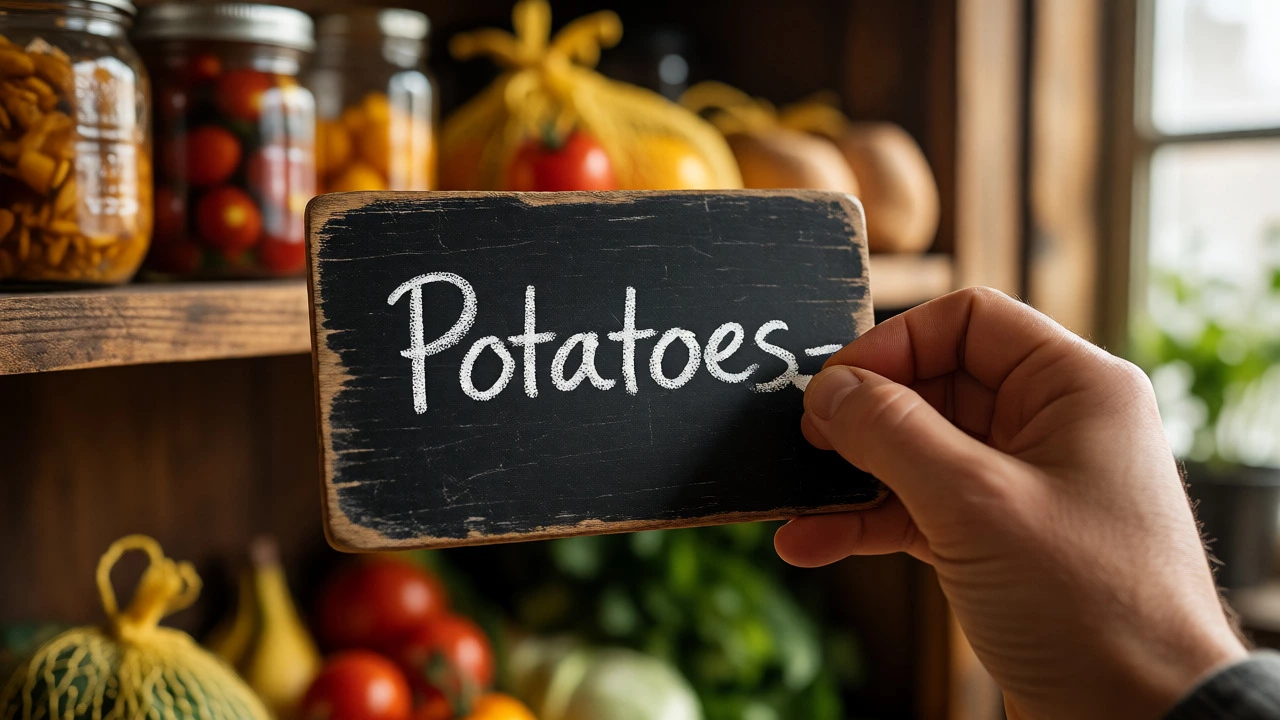
You are standing in the aisle of your local supermarket, holding a bag of spuds, trying to figure out what to write on that cute little chalkboard label for your pantry shelf. Do you write "2 Potato"? "2 Potatos"? Or do you hesitate, wondering if there is some obscure rule about tubers that changes the spelling? You are not alone. This tiny grammatical stumble happens more often than you might think, especially when we are rushing to organize our Storage Solutions or whip up a quick inventory list.
The answer is straightforward, but the reason behind it reveals a fascinating quirk in English spelling. The correct plural form is potatoes. Not "potatos," and definitely not "potatis." It follows a specific pattern shared by other words ending in "-o," but not all words ending in "-o" follow this same path. Understanding why helps you avoid similar mistakes with other household items you might be labeling, from avocados to pianos.
Why Does It End in -oes?
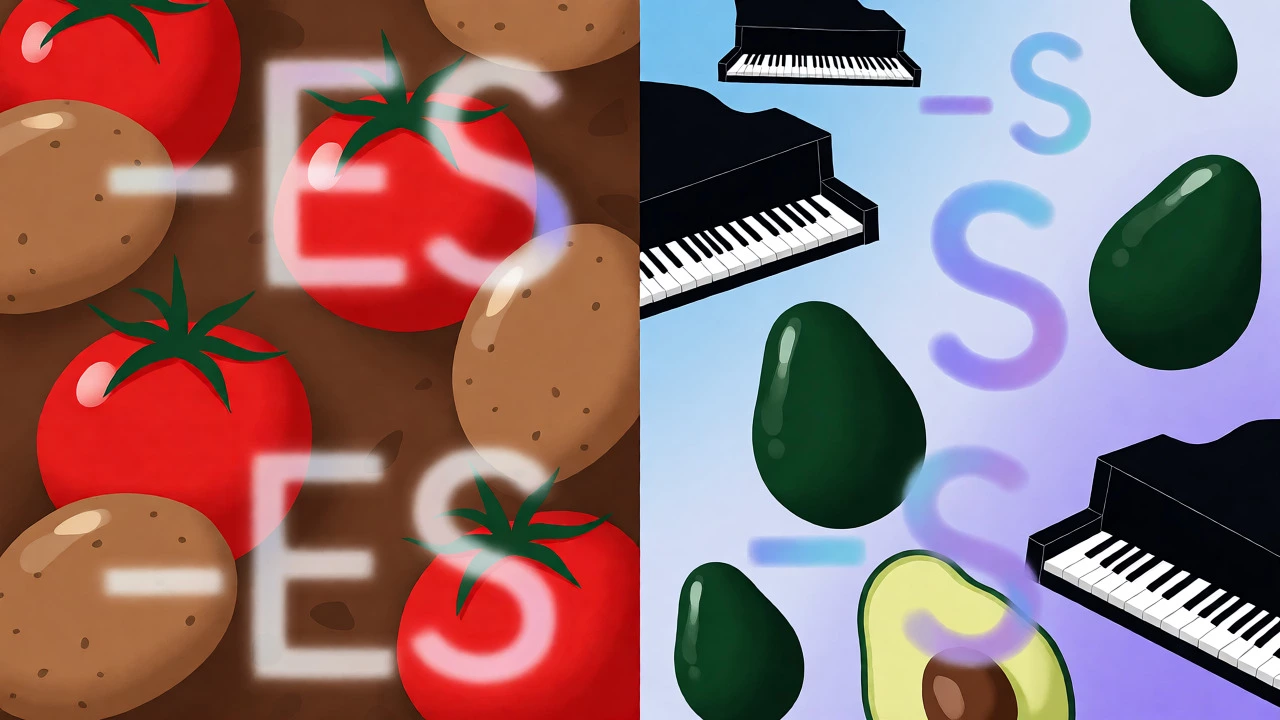
English spelling can feel like a minefield, but there are patterns. When a noun ends in a consonant followed by the letter "o," the standard rule in modern American and British English is to add "-es" to make it plural. So, potato becomes potatoes. Tomato becomes tomatoes. Hero becomes heroes. Echo becomes echoes.
This rule exists largely for pronunciation reasons. Adding just an "s" to a word ending in "o" can sometimes create awkward sound combinations. By adding "es," the extra syllable makes the word easier to say. Think about saying "potatos" quickly. It feels clunky compared to the smooth flow of "potatoes." The "e" acts as a bridge between the "t" and the "s," keeping the rhythm natural.
However, language is rarely perfectly consistent. There are exceptions. Words borrowed from other languages, particularly Italian or Spanish, often keep their original plural forms or simply add an "s." For example, piano becomes pianos, not pianoes. Photo becomes photos, not photoes. These words entered English later and retained their shorter plural forms because they were already established in common usage without the "-es" suffix.
Common Mistakes With Kitchen Inventory
When you are organizing your Kitchenware or stocking your shelves, accuracy matters. A misspelled label looks unprofessional and can cause confusion if you are sharing a household or running a small business. Here is how people typically get tripped up:
- Dropping the 'e': Writing "potatos" is the most common error. People apply the simple "add s" rule used for cats or dogs, forgetting the special "-o" rule.
- Confusing with Latin plurals: Some might guess "potati" thinking of cactus/cacti, but potato is not a Latin-derived word in that sense.
- Inconsistent labeling: If you have one shelf labeled "Tomatoes" (correct) and another labeled "Avocados" (also correct), you might wonder why they differ. Avocado ends in a vowel before the "o," so it takes the simple "s" rule. Potato has a consonant (t) before the "o," triggering the "es" rule.
This inconsistency isn't random; it's historical. "Avocado" comes from Nahuatl via Spanish, where the plural was already formed differently. "Potato" comes from Spanish "patata," which itself likely came from Taíno. But in English, we standardized the "-oes" ending for native-feeling words ending in consonant-o.
Other Words That Follow the Same Rule
If you are creating labels for your pantry, garage, or storage room, you will encounter several other words that require the "-oes" treatment. Knowing these prevents you from second-guessing yourself every time you pick up a marker.
| Singular | Plural | Context Example |
|---|---|---|
| Potato | Potatoes | Roast potatoes for dinner |
| Tomato | Tomatoes | Canned tomatoes for sauce |
| Hero | Heroes | Comic book heroes collection |
| Echo | Echos | Note: Sometimes accepted, but echoes is standard |
| Veto | Vetoes | Union vetoes on new rules |
Notice how "Echo" is tricky. While "echoes" is the traditional and preferred spelling in formal writing, "echos" is increasingly seen in informal contexts, especially in music production terminology. However, for your pantry labels, stick to the dictionary standard: Potatoes and Tomatoes.
Words That Break the Pattern
To further confuse things, some words ending in "-o" take only an "s." Why? Usually because they are short, musical terms, or loanwords that didn't adapt to the "-es" rule. If you are labeling a music room or a hobby shop, watch out for these:
- Photos: Short for photographs. Never "photoes."
- Pianos: Musical instruments. Never "pianoes."
- Kimonos: Traditional Japanese garments. Never "kimonoes."
- Zeros: In mathematics and computing. Though "zeroes" is also acceptable, "zeros" is very common in technical contexts.
- Halos: Religious art or optical phenomena. "Haloed" is the verb, but the plural noun is usually halos.
The distinction often lies in whether the word feels "foreign" or "integrated" into English. Native-sounding words tend to adopt the "-es" ending. Loanwords, especially those from Romance languages that already had different pluralization patterns, often keep the simple "s."
Practical Application for Home Organization
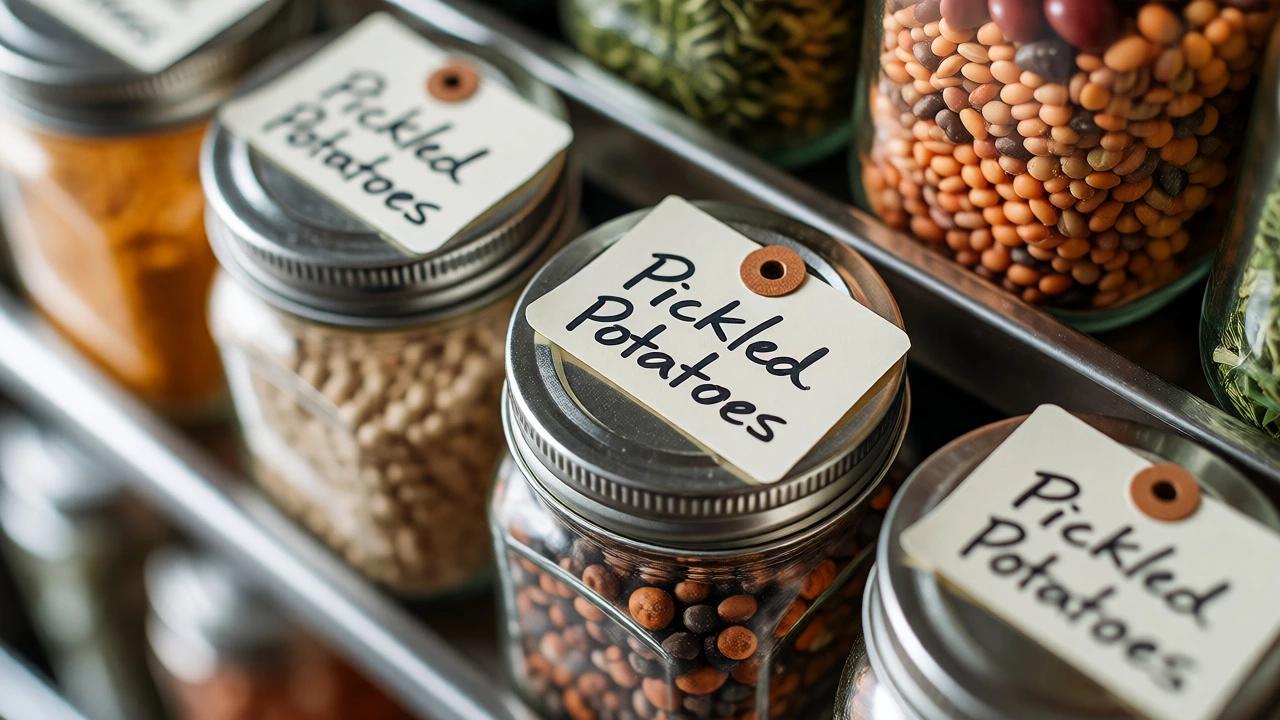
So, how does this affect your daily life beyond trivia nights? If you run a small café, a bakery, or even just manage a large family kitchen, clear labeling reduces waste and improves efficiency. Imagine walking into your pantry and seeing a jar labeled "Pickled Potatos." It instantly signals carelessness. On the other hand, "Pickled Potatoes" looks intentional and well-maintained.
Here is a quick checklist for labeling your Home Decor or functional spaces:
- Check the last two letters: If it ends in a consonant + o, add "es." (Potato → Potatoes)
- Check for vowel + o: If it ends in a vowel + o, add "s." (Radio → Radios)
- Look for musical/technical terms: These often just take "s." (Solo → Solos)
- When in doubt, look it up: Dictionaries are free online. Don't guess if it's a rare item.
This attention to detail extends to other areas of home management too. If you are organizing books, you might deal with titles like "The Chronicles of Narnia" vs. singular entries. Consistency in spelling reflects consistency in organization. It creates a mental model that everything is accounted for and correctly categorized.
Regional Variations and Historical Context
You might hear older relatives say "potatos" or see it in old literature. Language evolves. In the 19th century, spellings were less standardized. Mark Twain, for instance, played with dialects that included non-standard plurals. Today, however, major style guides like AP Stylebook and Chicago Manual of Style agree: Potatoes.
In New Zealand and Australia, where I live, British English influences are strong, but this particular rule is universal across English-speaking countries. Whether you are in Wellington, London, or Toronto, you buy potatoes, not potatos. This uniformity is helpful for international shipping and communication. If you order supplies online, using the correct plural ensures search algorithms find exactly what you need.
Interestingly, some words are transitioning. "Zeros" vs. "Zeroes" is still debated. But for food items, the rules are solidified. You won't find a grocery store selling "tomatos." The market enforces the grammar through repetition and visibility. Every sign, every package, reinforces the correct spelling.
Final Thoughts on Spelling Accuracy
Getting the plural of potato right seems minor, but it builds confidence in your command of the language. It translates directly to clearer communication in emails, reports, and yes, pantry labels. Next time you are restocking your shelves, remember: Consonant + O = ES. Vowel + O = S. Simple as that.
Keep your labels crisp, your spelling accurate, and your kitchen organized. Your future self will thank you when you aren't squinting at a blurry, misspelled tag trying to remember if that jar contains pickles or something else entirely.
Is "potatos" ever correct?
No, "potatos" is considered incorrect in standard English. While you might see it in informal text messages or dialectal speech, proper grammar requires the addition of "-es" to form the plural "potatoes." Always use "potatoes" for professional writing, labels, and academic work.
Why do tomato and potato both end in -oes?
Both words end in a consonant followed by the letter "o." English grammar rules generally dictate that nouns ending in a consonant plus "o" form their plurals by adding "-es." This helps with pronunciation, creating a smoother transition between sounds than adding just an "s" would.
Do all words ending in "o" follow this rule?
No. Many words ending in "o" simply add an "s," such as "photos," "pianos," and "radios." These are often loanwords from other languages or words where the "o" is preceded by a vowel. The "-es" rule primarily applies to words ending in a consonant plus "o," like "potato," "tomato," and "hero."
What about the plural of avocado?
The plural of avocado is "avocados." Unlike potato, avocado ends in a vowel (a) before the final "o." Therefore, it follows the rule of simply adding an "s" rather than "-es." Both "avocados" and "avocadoes" are technically recognized in some dictionaries, but "avocados" is overwhelmingly preferred in modern usage.
How can I remember which words take -es?
A good heuristic is to look at the letter before the "o." If it is a consonant (like t in potato, m in tomato, r in hero), add "-es." If it is a vowel (like i in radio, u in studio), add "-s." Memorizing the few common exceptions (like piano, photo, zero) is usually sufficient for everyday use.