
Caregiver Payment Eligibility Checker
Answer the questions below to see which payment sources are most likely to cover your caregiving efforts. This tool simplifies complex eligibility rules into actionable insights.
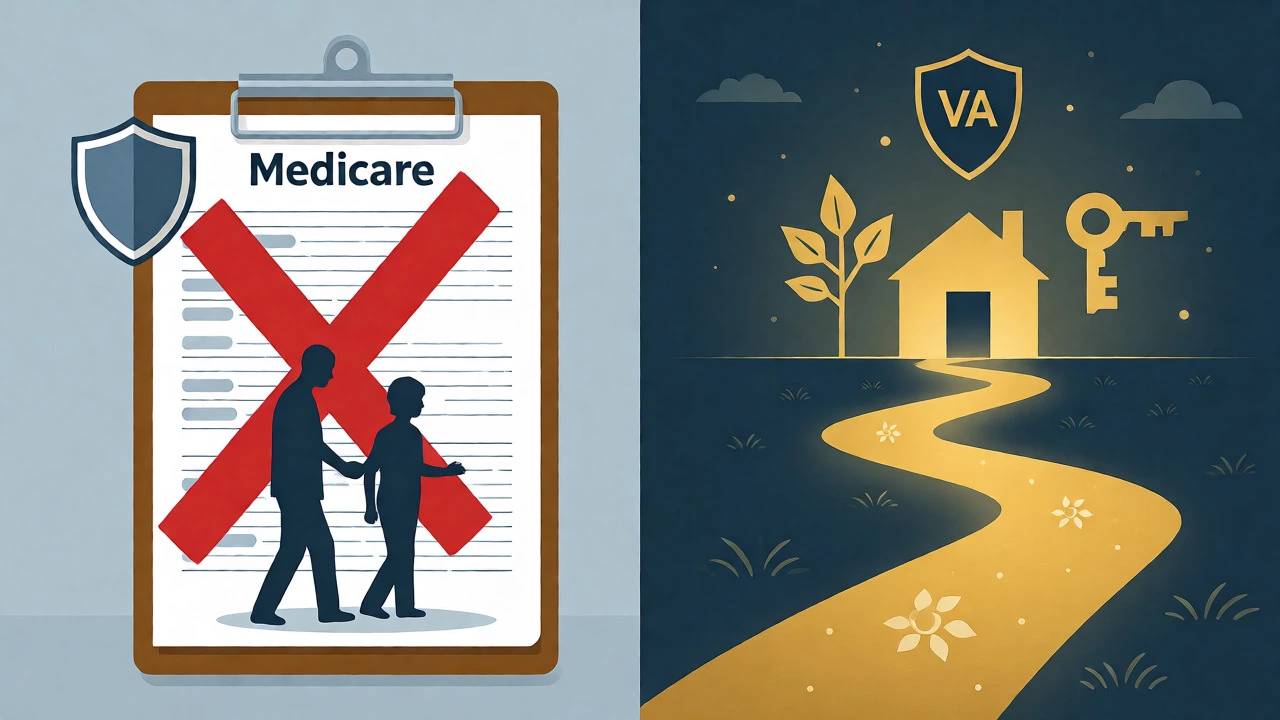
Here is the short answer that usually stings a bit: Medicare generally does not pay you to take care of your mother. It’s a common misconception, fueled by the fact that we hear "Medicare" and "home care" in the same sentence all the time. But there is a huge difference between skilled nursing care and hands-on assistance with daily living. If you are hoping to quit your job and get a paycheck from the government for helping Mom with her meds, meals, and mobility, you need to look beyond traditional Medicare.
Let's break down why this confusion exists and what options actually exist for families in 2026. This isn't just about insurance policies; it's about financial survival for caregivers who often drain their own savings to support aging parents.
The Hard Truth About Traditional Medicare Coverage
Traditional Medicare (Parts A and B) is designed primarily for medical needs, not custodial care. Custodial care is help with Activities of Daily Living (ADLs)-things like bathing, dressing, eating, and using the toilet. If your mother needs someone to remind her to take pills or help her walk to the bathroom because she is unsteady, that is custodial care.
Medicare might cover some home health services if a doctor certifies that your mother is homebound and needs intermittent skilled nursing care or therapy. For example, if she had a hip replacement last week and needs physical therapy twice a week, Medicare will likely pay for that therapist. They might also pay for a home health aide for up to 28 hours a week, but only if those hours are tied directly to the skilled care plan. If the aide comes in just to sit with her while you go to work, Medicare won't touch it.
Think of it this way: Medicare pays for treatment. It rarely pays for supervision. If you are providing companionship or basic hygiene help, you are outside Medicare's scope.
Where Medicaid Fits Into the Picture
If Medicare says no, where do people get paid for caregiving? The answer is almost always Medicaid. Unlike Medicare, which is federal and age-based, Medicaid is a joint federal-state program based on income and assets. This means rules vary wildly depending on which state you live in.
Many states have programs specifically designed to keep elderly people out of nursing homes by paying family members to be caregivers. These are often called:
- Home and Community-Based Services (HCBS) Waivers: These waivers allow states to bypass strict institutional rules and provide cash benefits for home care.
- Self-Directed Personal Assistance Services: In these programs, the recipient (your mother) gets a budget to hire whoever they want-including you-to manage their care.
- Aged & Disabled Waivers: Specific waivers targeting seniors with disabilities.
But here is the catch: Your mother must qualify for Medicaid first. This usually means she has very low income and limited assets. If she owns her home outright and has decent savings, she might not qualify unless you spend down her assets according to state rules. This process can take months, so don't wait until you are already burned out to start the paperwork.
Veterans Affairs Benefits: A Hidden Gem
If your father was a veteran, check his eligibility for Veterans Aid and Attendance. This is a pension benefit, not healthcare coverage, but it provides monthly cash payments to veterans or surviving spouses who require aid with daily activities.
Unlike Medicaid, Aid and Attendance is not strictly means-tested in the same brutal way. While there are asset limits, they are higher than Medicaid's. If your mother is the surviving spouse of a wartime veteran, she could receive over $1,500 a month (figures adjust annually). You can use that money to pay yourself as a caregiver. Many families overlook this because they assume VA benefits are only for hospital visits. They aren't. This is one of the most underutilized resources for family caregivers.
Long-Term Care Insurance: Did She Buy It?
Check your mother's paperwork. Does she have a long-term care insurance policy? Most policies purchased in the late 1990s and early 2000s include a "family caregiver benefit." This allows the insurer to reimburse you for the time you spend caring for her.
However, there are two major hurdles:
- The Elimination Period: Policies often require you to pay out-of-pocket for the first 30 to 90 days of care before the insurance kicks in.
- Documentation Requirements: Insurers are picky. You cannot just say you helped her. You need to log your hours and specific tasks. If you forget to track your time, you lose the reimbursement.
If she bought a hybrid life insurance policy recently, it might have a built-in long-term care rider. Read the fine print. Some policies only pay for licensed professionals, excluding unpaid family members. Others are flexible. Call the insurer directly and ask: "Can I be paid as an unpaid family caregiver?" Get the answer in writing.
State-Specific Programs and Cash Assist
Some states have gone further than Medicaid waivers. States like California, New York, and Washington have expanded programs that offer more flexibility for family caregivers.
| Source | Eligibility Focus | Who Gets Paid | Complexity |
|---|---|---|---|
| Traditional Medicare | Medical necessity / Skilled care | Licensed Pros Only | Low |
| Medicaid Waivers | Income / Asset limits | Family Members (in many states) | High |
| VA Aid & Attendance | Military Service / Surviving Spouse | Caregiver (via Pension) | Medium |
| Long-Term Care Insurance | Premium History | Varies by Policy | Medium |
In California, for instance, the In-Home Supportive Services (IHSS) program allows recipients to hire relatives, including children, to assist them. The rate is set by the state, and you must apply through the county social worker. In New York, the Consumer Directed Personal Assistance Program (CDPAP) lets patients hire anyone they trust, including family, without needing them to be licensed nurses. These programs are lifelines, but they come with heavy administrative burdens. You become an employer, handling taxes and schedules.
What If No One Pays You?
Realistically, many families find themselves in a gap. Medicare doesn't pay, Medicaid income limits are too tight, and there is no insurance. So, what do you do? You have to treat caregiving as a business transaction within the family.
Consider a formal family caregiving agreement. Even if you aren't getting government checks, your mother (or her estate) can pay you. This protects her eligibility for future benefits by showing that money was spent on care, not gifted. It also ensures that if she enters a nursing home later, Medicaid won't claw back gifts made during the look-back period.
Another option is respite care grants. Non-profits like the Alzheimer's Association or local Area Agencies on Aging often have small grants to pay for temporary relief. This won't replace a salary, but it can buy you a weekend off.

How to Start Getting Paid (Step-by-Step)
If you think you might qualify for Medicaid or VA benefits, here is how you move forward:
- Assess Needs: Write down exactly what your mother needs help with. Is it just medication reminders? Or full-time supervision? Doctors need this list to certify care levels.
- Check Financials: Gather bank statements, property deeds, and investment records. Determine if she falls below your state's Medicaid asset limit (often around $2,000 for individuals).
- Contact the Local Agency: Find your State Health Insurance Assistance Program (SHIP) counselor. They are free and can guide you through state-specific waiver applications.
- Apply Early: Waitlists for HCBS waivers can be years long. Apply now, even if she doesn't need full-time care yet.
- Document Everything: Start a care journal today. Note dates, times, and tasks. If you ever get reimbursed, this log is your proof of service.
Frequently Asked Questions
Does Medicare Part B cover home health aides?
Yes, but only under strict conditions. Medicare Part B covers home health aides if you are homebound, need intermittent skilled nursing care or therapy, and the aide is part of a certified home health agency's plan. The aide cannot provide only custodial care (like cooking or cleaning) without skilled care present.
Can I collect Social Security and be paid as a caregiver?
Generally, yes. Being paid as a caregiver is earned income, which does not reduce your Social Security retirement benefits. However, if you are collecting disability benefits, earned income might affect your eligibility. Always check with the SSA if you are on SSDI.
What is the difference between Medicare and Medicaid for caregiving?
Medicare is federal insurance for people 65+ regardless of income, covering medical treatments. Medicaid is a state-federal program for low-income individuals, covering long-term custodial care. Medicaid is much more likely to pay family caregivers than Medicare.
Do I need to be a licensed nurse to get paid by Medicaid?
No. In most Medicaid self-directed programs, you do not need to be a licensed nurse. You may need to complete a brief training course provided by the state agency, but professional licensure is rarely required for family caregivers.
How much does Medicaid pay family caregivers?
Rates vary by state and are often close to minimum wage or slightly above. For example, rates might range from $12 to $20 per hour. Some states cap the number of hours per day or week you can bill.
Next Steps for Caregivers
Don't let the complexity stop you. Start with a phone call to your local Area Agency on Aging. Ask them: "Does my state have a Medicaid waiver that pays family caregivers?" That single question can change your financial outlook. If the answer is no, look into Veterans Affairs or private long-term care policies. And remember, even if the government doesn't cut you a check, documenting your care helps protect your mother's assets and your own sanity.