1. Where is the space located?
2. What is primarily stored there?
-
Quick Guide to Storage Room Names
- Pantry: Specifically for food and kitchen supplies.
- Closet: Small, enclosed spaces, often for clothing or linens.
- Utility Room: For appliances like washers, dryers, and water heaters.
- Larder: A traditional, cool room for long-term food storage.
- Shed: A separate external building for garden tools and bulky gear.
The Most Common Terms for Storage Spaces
When people ask what a small room to store things is called, they're usually looking for a word that describes a specific vibe or purpose. Storage Room is a general-purpose area designed specifically to hold items not currently in use. It is the broadest term and fits almost any scenario, from a corporate archive to a spare bedroom turned hoard-zone.
However, if the room is built into the wall and has a door, it's a Closet. Unlike a full room, a closet is usually an alcove. You've got your reach-in closets for coats and walk-in closets for wardrobes. If you're storing linens and towels, it's specifically a linen closet. These are the unsung heroes of storage solutions because they use vertical space that would otherwise be wasted.
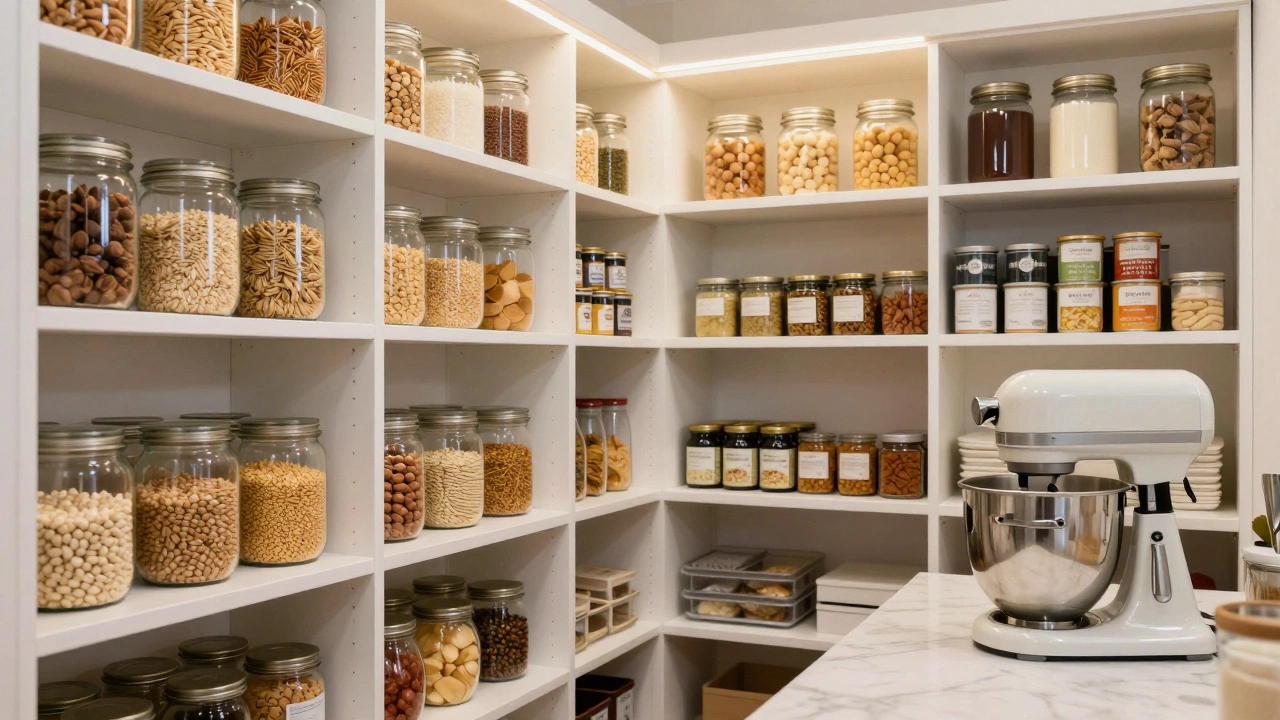
Then there's the Pantry. If the room is near the kitchen and holds cans of soup, bags of flour, and a stand mixer, it's a pantry. In modern luxury homes, you'll see the "Butler's Pantry," which acts as a bridge between the kitchen and dining room, providing a space to prep food or store fine china away from the main cooking area.
Specialized Storage Rooms and Their Uses
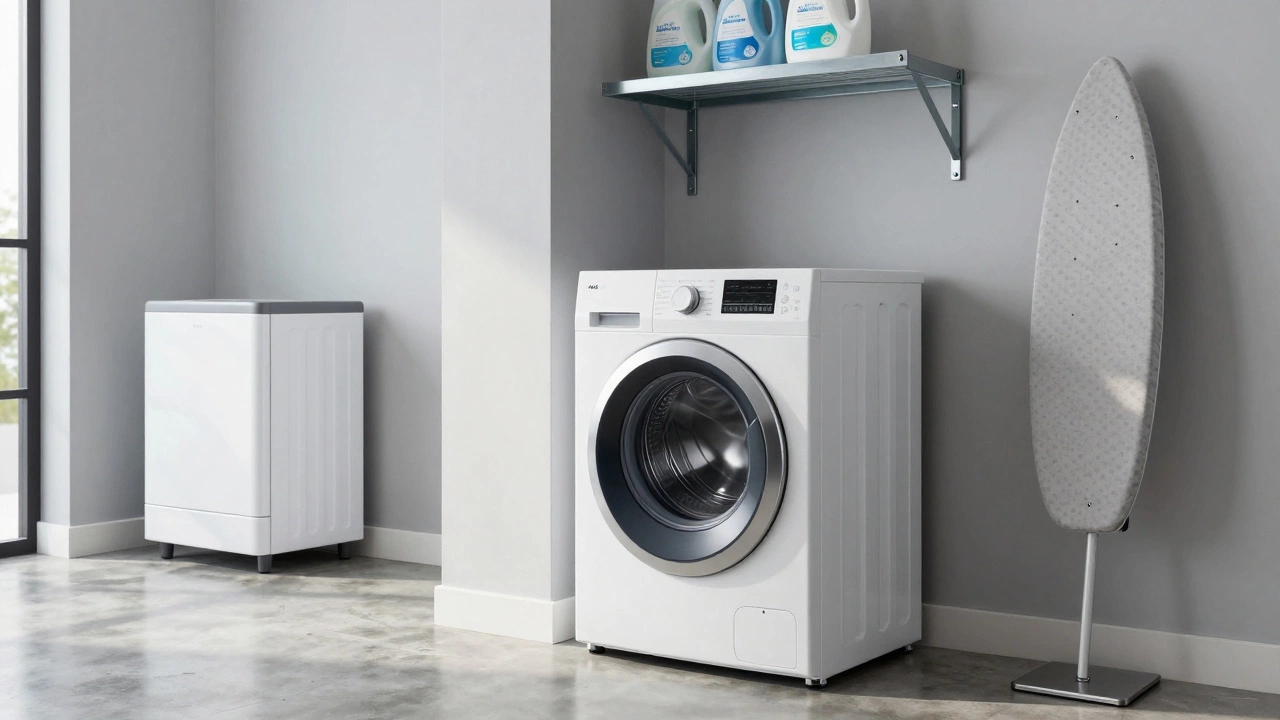
Not every storage space is just for boxes. Some are built for heavy-duty work. A Utility Room is a prime example. This isn't just for storage; it's a functional hub. It typically houses the washing machine, dryer, and often the furnace. While you might store detergent and ironing boards here, the room's primary identity is based on the machinery it contains.
If you live in an older home or a rural area, you might encounter a Larder. Historically, a larder was a cool, ventilated room used to keep meat and dairy from spoiling before refrigerators existed. Today, people use the term "walk-in larder" to describe a high-capacity food storage area with open shelving.
For those who need to store things *outside* the main living area, the Shed is the gold standard. Whether it's a small plastic lean-to or a massive wooden structure, a shed removes the clutter of lawnmowers, bicycles, and power tools from the interior of the house, effectively acting as an external storage room.
| Room Name | Primary Contents | Location | Key Characteristic |
|---|---|---|---|
| Pantry | Dry goods, spices | Near Kitchen | Shelving-heavy |
| Closet | Clothes, linens | Bedrooms/Hallways | Enclosed/Small |
| Utility Room | Laundry, HVAC | Garage/Basement | Functional/Wet |
| Larder | Perishables | Cool area of house | Temperature controlled |
| Shed | Garden tools, bikes | Backyard | Detached |
How to Choose the Right Name for Your Space
Choosing a name isn't just about semantics; it's about how you intend to use the space. If you call a room a "junk room," you're subconsciously giving yourself permission to throw random things in there without a system. If you rename it a "hobby room" or a "curated storage space," you're more likely to keep it organized.
Consider these scenarios to find the right word:
- It's under the stairs: This is often called a "Harry Potter closet" or simply a storage nook. It's perfect for vacuum cleaners or seasonal shoe storage.
- It's in the basement: This is usually a "storage area" or a "cellar" if it's designed for wine or root vegetables.
- It's a converted spare bedroom: This is a "flex room" or a "storage room."
If you're designing a home, think about the "job" the room needs to do. A room designed for the HVAC system and water heater is a mechanical room. A room designed to hold your winter coats and sports gear is a mudroom or a cloakroom. The terminology changes based on the equipment inside.
Pro Tips for Maximizing Small Storage Rooms
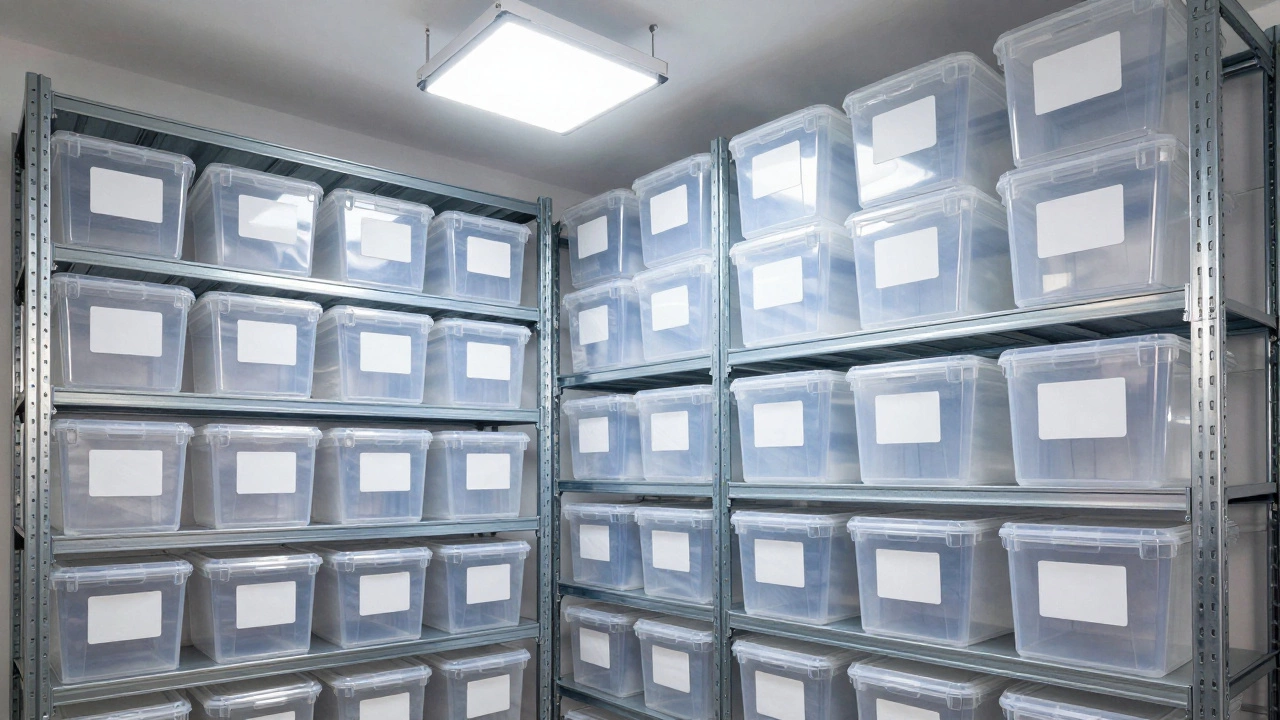
Regardless of what you call it, a small storage room can quickly become a disaster zone. The trick is to move from 2D storage (stacking things on the floor) to 3D storage (using the walls). Using industrial shelving allows you to stack bins all the way to the ceiling, which effectively doubles your usable square footage.
Labeling is another game-changer. When you have a small room, you can't see everything at once. Using a label maker or simple masking tape to mark bins as "Winter Gear," "Tax Documents," or "Holiday Lights" prevents you from digging through five boxes to find one string of LEDs. Also, consider adding a high-lumen LED shop light; most small storage rooms have poor lighting, and you can't organize what you can't see.
Another clever move is the use of "dead space." The area above the door frame is often ignored, but installing a single shelf there can provide a home for items you only need once a year, like a suitcase or a Christmas tree topper. If the room is a closet, adding a second hanging rod (double-hanging) can increase your clothing capacity by 100% without requiring any extra floor space.
What is the difference between a pantry and a larder?
While both store food, a pantry is a general term for any room or cupboard used for non-perishable food and kitchen tools. A larder is a more traditional term for a cool, ventilated room specifically meant for preserving perishable items like meats, cheeses, and cured goods before the era of modern refrigeration.
Is a mudroom considered a storage room?
Yes and no. A mudroom is a specialized storage transition area. Its main purpose is to keep dirt and debris out of the main house by providing a place to remove boots and coats. While it stores things, it's more of a functional entry point than a long-term storage room.
What do you call a very small storage space that isn't a room?
If it's not a full room, it's likely a closet, a cupboard, a locker, or a nook. A "built-in" refers to storage that is integrated into the wall architecture, while a "cabinet" is typically a piece of furniture used for the same purpose.
What is a mechanical room?
A mechanical room is a small, dedicated space that houses the technical systems of a building, such as the furnace, water heater, electrical panel, and HVAC equipment. It is designed for equipment access and maintenance rather than for storing personal belongings.
What is a cloakroom?
A cloakroom is a small room or area specifically designed for guests to leave their coats, umbrellas, and hats. In some regions, especially the UK, "cloakroom" can also refer to a small downstairs bathroom (half-bath) that includes a coat-storage area.
Next Steps for Your Storage Space
If you've identified your room and now want to make it actually work, start with a purge. You cannot organize clutter; you can only organize things you actually want to keep. Spend one weekend going through everything and separating items into "Keep," "Donate," and "Trash."
Once the space is cleared, map out your "zones." Put the things you use weekly (like the vacuum) near the door and the things you use once a year (like the holiday platters) in the furthest, highest corners. This reduces the amount of shuffling you have to do every time you need something.
Finally, invest in uniform containers. Using different sized cardboard boxes makes a room look messy even if it's technically organized. Switching to clear plastic bins of the same brand and size creates a visual sense of order and allows you to see exactly what's inside without opening every lid.