Rug Quality Score Calculator
Rug Specifications
Enter Details Above
Fill out the form to calculate the rug's quality score and get a recommendation.
You walk into a room, drop a beautiful Persian-style rug on the floor, and it looks perfect. But six months later, the pile is matted, the colors have faded near the window, and the edges are curling up like old parchment. You didn't just buy a bad rug; you bought a cheap one disguised as a luxury item. The difference between a rug that lasts decades and one that falls apart in months isn't always obvious at first glance. It hides in the weave, the weight, and the materials.
Buying a rug is one of those purchases where you truly get what you pay for, but the price tag alone doesn't tell the whole story. A good rug should feel substantial underfoot, resist crushing, and maintain its color integrity. If you want to avoid buyer's remorse, you need to look past the pattern and inspect the construction. Here is how you can tell if a rug is actually good before you bring it home.
The Touch Test: Density and Pile Height
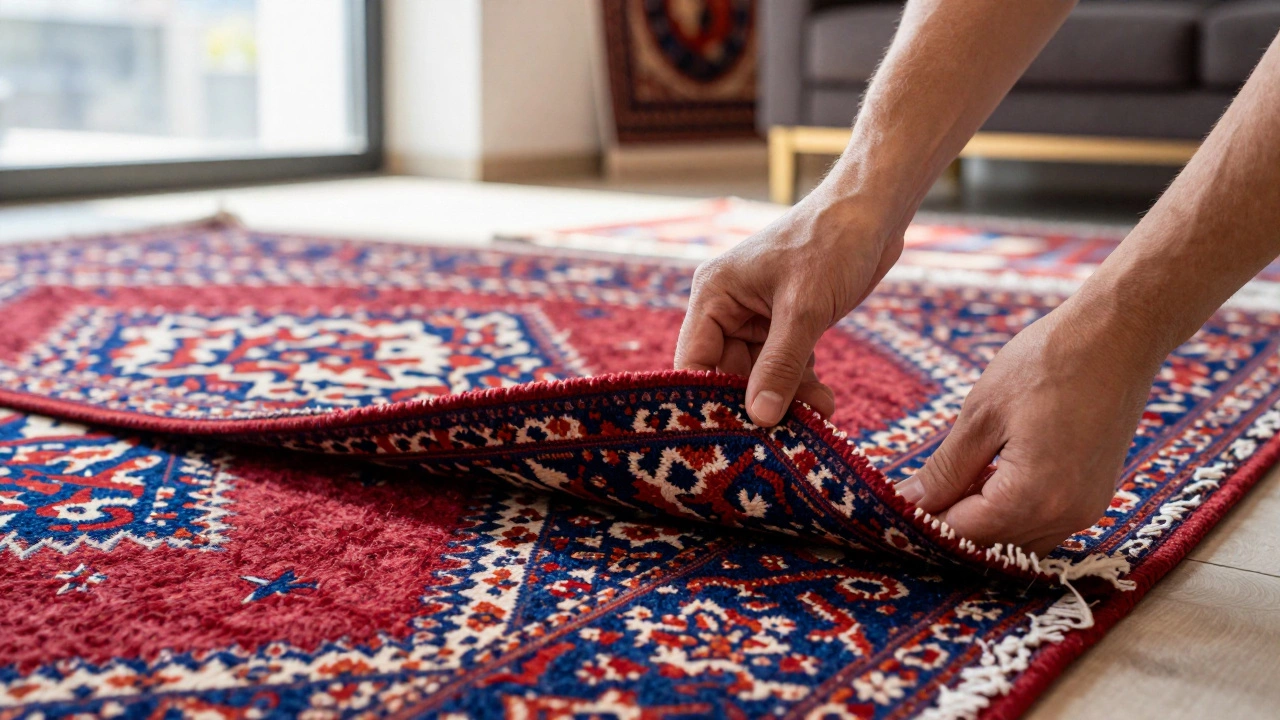
The most immediate way to judge a good rug is with your hands. Specifically, you need to check the density. Pick up the rug and bend it toward yourself. What do you see? If you can see the white canvas or mesh backing through the pile, the rug is low density. This means there are fewer knots per square inch, which leads to faster wear. In high-traffic areas, low-density rugs will flatten out quickly, looking worn and thin within a year.
A high-quality rug has a tight weave. When you bend it, the fibers should obscure the backing completely. Now, run your hand across the surface. Push your fingers down into the pile. Does it spring back immediately? Or does it stay flattened? A good rug has resilience. This resilience comes from the twist of the yarn and the density of the weave. If the pile feels loose and airy, it’s likely going to mat down. Look for a rug where the fibers stand tall but feel firm, not floppy.
- Bend Test: Bend the rug towards you. No backing should be visible.
- Compression Test: Press your hand into the pile. It should bounce back instantly.
- Uniformity Check: Run your hand across the entire surface. The height should be consistent, with no bald spots or uneven patches.
Material Matters: Natural vs. Synthetic Fibers
Not all fibers are created equal. The material determines how the rug ages, how it feels, and how much maintenance it requires. Wool is the gold standard for a reason. It is naturally resilient, stain-resistant, and fire-retardant. A pure wool rug will last significantly longer than synthetic alternatives because the scales in the wool fiber lock together, preventing the rug from unraveling easily.
Synthetic fibers like polyester, nylon, and polypropylene (olefin) have their place, especially in budget-friendly options or outdoor settings. Nylon is incredibly durable and great for high-traffic zones, but it can feel plasticky and static-prone. Polyester is soft and colorful but pills easily and wears down faster than wool. Polypropylene is moisture-resistant and cheap, making it ideal for basements or patios, but it lacks the luxurious feel and longevity of natural fibers.
If you see "wool blend" on the label, be careful. Often, this means a small percentage of wool mixed with synthetics to cut costs. While blends can offer some benefits, they rarely perform as well as 100% natural fibers. For a living room or bedroom, aim for pure wool, silk, or cotton. Silk adds sheen and luxury but is delicate. Cotton is flat-woven, breathable, and great for casual spaces, though it wrinkles more than wool.
| Material | Durability | Feel | Best For |
|---|---|---|---|
| Wool | High | Soft, resilient | Living rooms, bedrooms |
| Nylon | Very High | Firm, slightly synthetic | Hallways, entryways |
| Polyester | Medium | Very soft, plush | Low-traffic bedrooms |
| Cotton | Medium | Crisp, flat | Kitchens, sunrooms |
Construction Methods: Hand-Knotted vs. Machine-Made
How the rug is made tells you a lot about its value and lifespan. Hand-knotted rugs are the pinnacle of rug craftsmanship. Each knot is tied individually by artisans, resulting in a unique piece that can last generations. These rugs often have higher knot counts, meaning more detail and durability. However, they come with a premium price tag.
Machine-made rugs dominate the market because they are affordable and consistent. Modern technology allows machine-made rugs to mimic the look of hand-knotted pieces quite well. The key is to check the construction type. Tufted rugs are common among machine-made options. They are fast to produce but often lack the stability of woven rugs. Woven rugs, whether hand or machine, are generally more stable and less prone to shedding.
If you are looking for a mid-range option, consider hand-tufted or hand-loomed rugs. Hand-tufted rugs use a gun-like tool to push yarn through a backing, then apply a latex coating to hold it in place. They are softer and cheaper than hand-knotted but may shed more initially and have a shorter lifespan due to the latex backing degrading over time. Hand-loomed rugs are woven on looms by hand, offering better quality than machine-made but at a lower cost than hand-knotted.
The Backing and Edges: Stability and Finish
Flip the rug over. The backing is crucial for stability. A good rug needs a secondary backing to prevent slipping and protect the floor. Jute backing is natural and eco-friendly but can be rough on hardwood floors. Latex backing provides grip but can off-gas chemicals and degrade over time, causing the rug to smell or become brittle. For indoor use, a non-slip pad underneath is often better than relying solely on the rug's built-in backing.
Check the edges next. Are they finished neatly? A serged edge (overlock stitching) is common on machine-made rugs and prevents fraying, but it can look unfinished. A bound edge, where fabric wraps around the raw edge, offers a cleaner, more polished look. Hand-knotted rugs often have a selvedge edge, which is part of the weaving process and extremely durable. If the edges are fraying already or look sloppy, the rest of the rug likely suffers from similar quality control issues.
Colorfastness and Dye Quality
Have you ever placed a white towel on a new dark rug, only to find red stains when you pull it away? That’s poor colorfastness. Cheap dyes bleed, especially when wet or exposed to sunlight. To test this, dampen a white cotton cloth and rub it firmly against an inconspicuous area of the rug. If color transfers to the cloth, the dye is not set properly. This is a major red flag, indicating the rug will fade quickly and potentially stain other items.
Natural dyes, derived from plants and minerals, tend to be more colorfast and develop a beautiful patina over time. Synthetic dyes are brighter and more uniform but can fade under UV light. If you plan to put the rug in a sunny spot, look for rugs treated with UV inhibitors or choose lighter colors that show fading less obviously. Always ask about the dye process if buying from a specialty store.
Weight and Substance
Pick up the rug. It should feel heavy. Weight is a proxy for density and material quality. A lightweight rug often uses thinner yarns and less material, making it prone to tearing and wearing out. While exact weight varies by size and style, a general rule is that heavier rugs are usually more durable. Compare two similar rugs side-by-side; the one that feels substantially heavier is likely constructed with thicker, higher-quality fibers and a tighter weave.
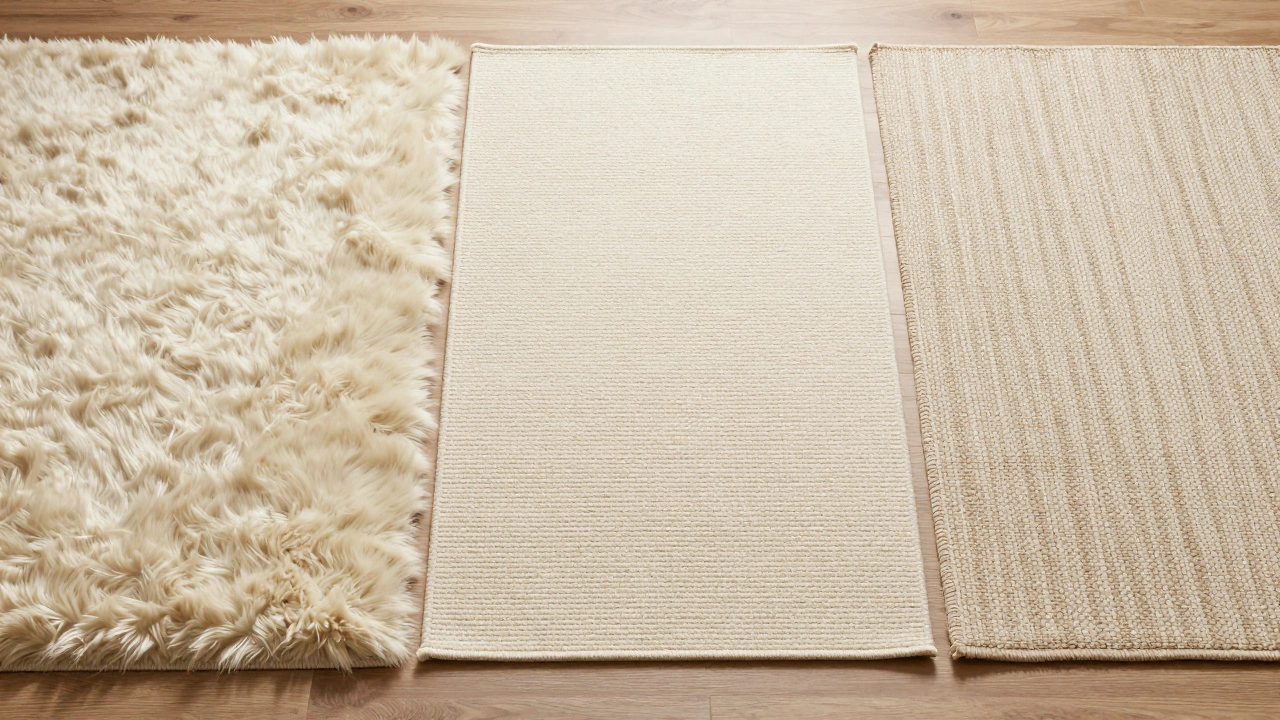
Don't confuse thickness with quality. Some shag rugs are thick but have very low density, meaning they crush easily. Focus on the weight relative to the size. A 5x7 rug should have some heft to it. If it feels like a blanket, it’s probably not built to withstand foot traffic.
Common Pitfalls to Avoid
One of the biggest mistakes buyers make is falling in love with the design without checking the specs. A stunning geometric pattern won’t matter if the rug disintegrates after a year. Always read the fine print. Look for terms like "pure new wool," "hand-knotted," or "high density." Avoid vague descriptions like "premium quality" or "luxury feel" without specific material breakdowns.
Another pitfall is ignoring the room’s function. Don’t put a delicate silk rug in a playroom. Don’t put a high-pile wool rug in a dining area where chairs will scrape and food spills are frequent. Match the rug’s durability to the room’s activity level. Entryways need tough, low-pile rugs. Bedrooms can handle softer, higher-pile options.
Finally, beware of online-only brands that don’t provide detailed product information. If you can’t see the backing, check the density, or verify the material, you’re taking a risk. Reputable sellers provide close-up photos of the weave, detailed material percentages, and return policies that allow you to inspect the rug in person.
Making the Final Decision
Telling a good rug from a bad one requires a bit of detective work. Start with the touch test-check for density and resilience. Then, verify the material-prefer wool or high-quality synthetics depending on your needs. Inspect the construction-hand-knotted or tightly woven is best. Finally, check the backing and edges for neatness and stability. By following these steps, you’ll invest in a rug that enhances your space for years to come, rather than becoming a disposable decor item.
Remember, a rug is an anchor for your room. It defines the space and sets the tone. Choosing a quality piece ensures that foundation remains solid. Take your time, ask questions, and trust your senses. Your feet-and your wallet-will thank you.
What is the best material for a high-traffic area rug?
For high-traffic areas like hallways and living rooms, wool is the best choice due to its natural resilience and ability to bounce back from compression. Nylon is also an excellent synthetic alternative, offering superior durability and stain resistance.
How can I tell if a rug is hand-knotted?
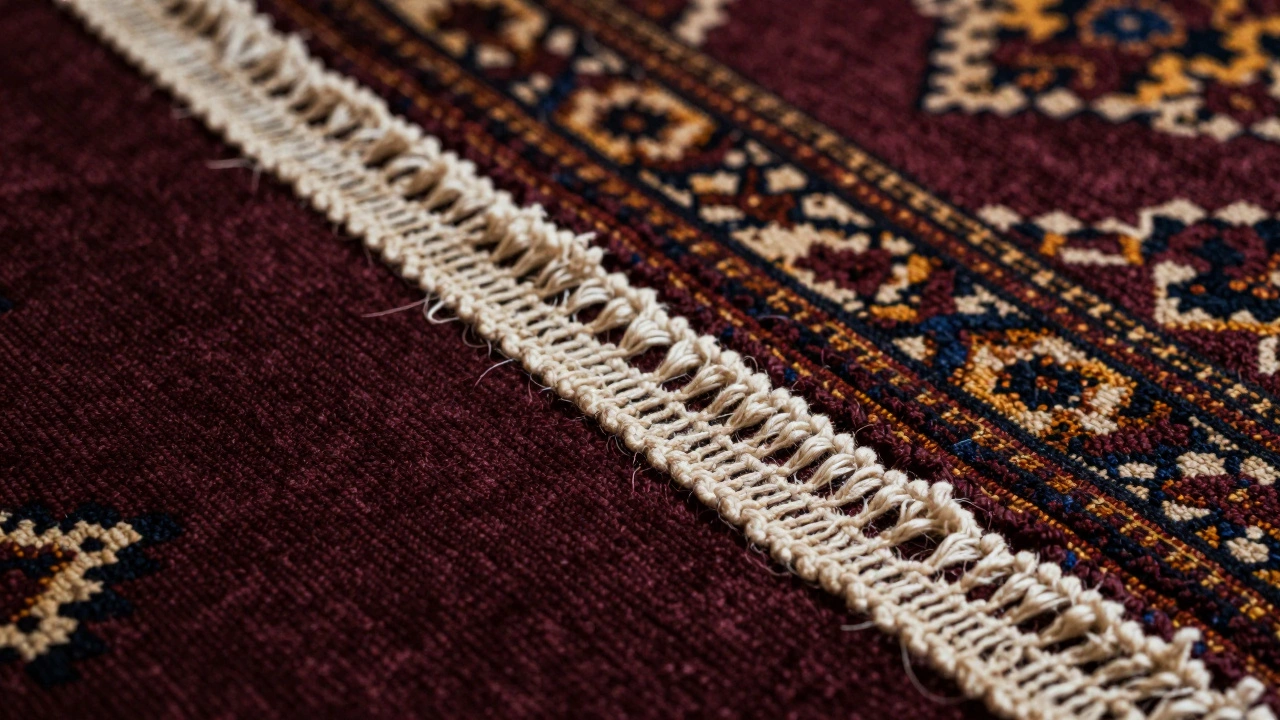
Hand-knotted rugs typically have a higher knot count and a more intricate design. Check the fringe; on a hand-knotted rug, the fringe is part of the warp threads and is continuous with the body of the rug. On machine-made rugs, the fringe is often sewn on separately. Additionally, hand-knotted rugs are heavier and have a distinct texture on both sides.
Why does my new rug shed so much?
Shedding is common in new rugs, especially those made from wool or with a cut pile. Loose fibers release during the initial weeks of use. Regular vacuuming helps remove these fibers. However, excessive shedding that continues after several months may indicate poor construction or low-quality materials.
Is a thicker rug always better?
Not necessarily. Thickness refers to pile height, while density refers to how closely packed the fibers are. A thick rug with low density will crush easily and wear out faster. A thinner rug with high density can be more durable and comfortable. Focus on density and weight rather than just pile height.
How do I clean a wool rug safely?
Vacuum regularly without a beater bar to prevent damaging the fibers. For spills, blot immediately with a clean, dry cloth. Avoid rubbing, which pushes dirt deeper. Use mild, pH-neutral cleaners specifically designed for wool. Professional cleaning every 1-2 years is recommended to maintain the rug’s integrity.