Bedding Hygiene Calculator
Stop guessing when to do laundry. Answer three simple questions to get a personalized cleaning schedule.
You spend roughly a third of your life in bed. That’s about eight hours every night, or twenty-four hours a week. If you do the math over a year, that’s more than three thousand hours spent lying on the same fabric. It sounds cozy, but it’s also a prime breeding ground for sweat, dead skin cells, and dust mites. So, how often should I wash bedding? The short answer is: not as rarely as most people think, but maybe not as frequently as your grandmother did.
The truth depends on what you’re sleeping on, who you’re sharing it with, and how much you shed. Let’s break down exactly when to throw things in the wash, why it matters, and how to keep your sleep sanctuary fresh without doing endless loads of laundry.
The Golden Rule: Sheets and Pillowcases
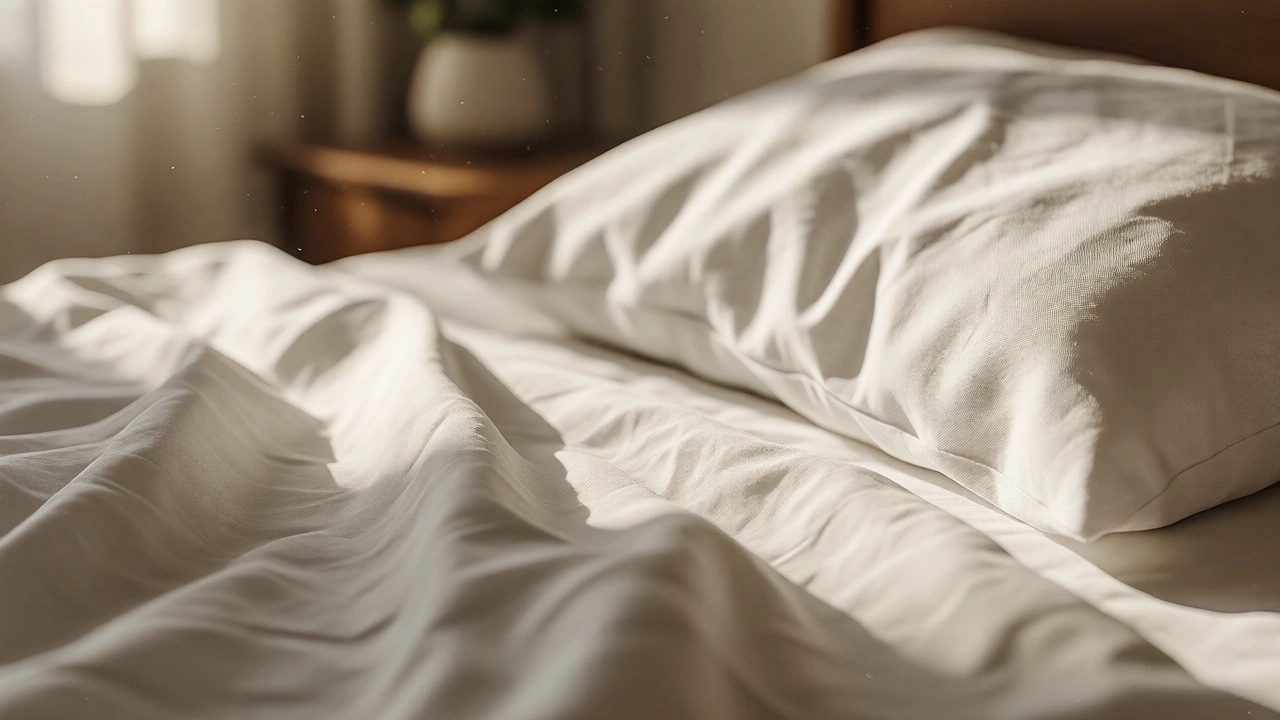
Start with the basics. Your sheets and pillowcases touch your face and body directly. They absorb oils, saliva, and sweat. Dermatologists generally recommend washing these items once a week. Why weekly? Because dust mites thrive on human skin flakes. An average person sheds around 1.5 grams of skin per day. Multiply that by seven days, and you’ve got a buffet for microscopic pests.
If you have allergies, asthma, or sensitive skin, bump this up to every four to five days. You might think, "But I shower before bed!" Sure, you might be clean when you get in, but you’re still shedding skin all night. Plus, if you have pets that jump on the bed, or if you eat in bed (no judgment), weekly is the absolute minimum. If you wake up with unexplained acne or itchy eyes, try washing your pillowcase twice a week. See if that clears things up.
Duvet Covers and Comforters
Here’s where things get tricky. Most people assume duvet covers need washing as often as sheets. Wrong. Since your sheets are between you and the duvet cover, the cover itself stays relatively clean. Aim to wash your duvet cover every two to four weeks. This keeps it fresh without wearing out the fabric prematurely.
What about the actual comforter or duvet insert inside? Unless you spill coffee on it or your dog had an accident, you don’t need to wash the heavy insert often. Every three to six months is usually enough. Washing bulky comforters too often can damage the filling, causing it to clump or lose loft. Always check the care label first. Some synthetic fills are machine washable; down feathers often require professional cleaning or very careful home drying with tennis balls to fluff them back up.
Pillows: The Forgotten Hygiene Hazard
Pillows are arguably the dirtiest item in your bedroom. You drool on them. You breathe into them. They trap moisture from your head and neck. Yet, most people never wash them. How often should you wash pillows? Every six months is a good rule of thumb. However, this varies wildly by material.
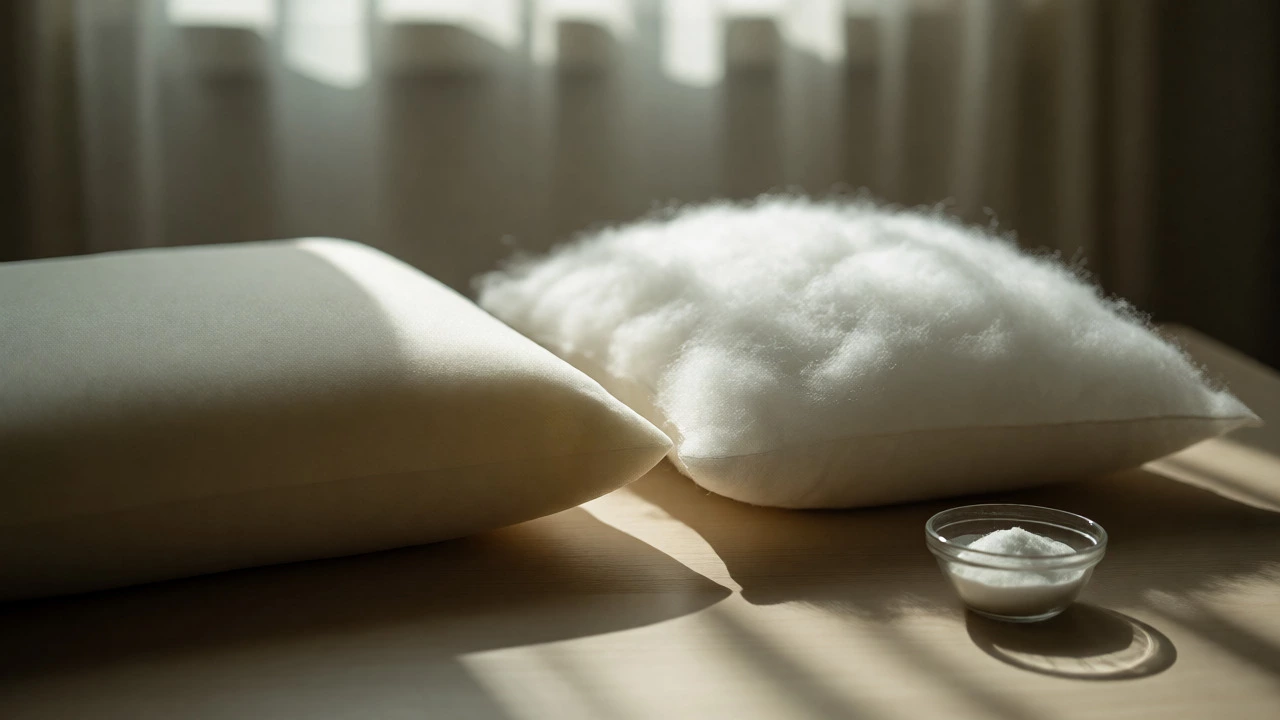
- Memory Foam: Do not put these in the washing machine. They act like sponges and won’t dry properly, leading to mold. Instead, spot-clean stains with a mild detergent and let them air out outside in sunlight regularly.
- Synthetic Fiber: These are usually machine washable. Use warm water and a gentle cycle. Ensure they are completely dry before putting them back on the bed to prevent mildew.
- Down and Feather: Wash these every six months. They need extra rinsing to remove soap residue and must be dried thoroughly, preferably with dryer balls, to restore fluffiness.
If your pillow has lost its shape or turns yellow despite washing, it’s time to replace it. Most pillows last one to two years. Beyond that, they’re just bags of dust and broken fibers.

Mattress Protectors and Mattresses
Your mattress doesn’t need washing in the traditional sense, but it needs protection. A waterproof or allergen-proof mattress protector acts as a barrier between your dirty sheets and your expensive mattress. Wash this protector every month. It catches the sweat and spills that would otherwise soak into the mattress core.
As for the mattress itself, vacuum it every few months using an upholstery attachment. This removes surface dust and mite debris. For deeper cleaning, sprinkle baking soda over the surface, let it sit for thirty minutes to absorb odors, and then vacuum it up. You only need to professionally steam clean a mattress every few years, unless there’s a significant stain or pest issue.
Factors That Change Your Laundry Schedule
One size does not fit all. Several variables dictate how quickly your bedding gets gross. Here’s how to adjust your routine based on your lifestyle:
| Factor | Recommended Sheet Frequency | Reasoning |
|---|---|---|
| Allergies/Asthma | Every 4-7 days | Reduces exposure to dust mites and pet dander. |
| Pets in Bed | Every 3-5 days | Animal hair and dander accumulate rapidly. |
| Eating in Bed | Weekly | Food crumbs attract pests and cause stains. |
| Hot Sleeper/Sweating | Every 3-4 days | Moisture promotes bacterial growth and odor. |
| Cold Weather/Low Activity | Every 2 Weeks | Less sweating and shedding may allow slight extension. |
Notice the pattern? Moisture and organic matter speed up the need for washing. If you live in a humid climate, like Wellington often is, mold and mildew can set in faster. Air out your bed every morning by pulling back the covers. Letting the mattress breathe for an hour significantly reduces moisture buildup.
Common Mistakes to Avoid
Washing too little is bad, but washing incorrectly is worse. Here are pitfalls to dodge:
- Overloading the Machine: Bedding takes up a lot of space. If you cram sheets, towels, and clothes into one load, they won’t agitate properly. Dirt stays trapped in the folds. Wash bedding separately or with similar lightweight items.
- Using Too Much Detergent: Excess soap leaves a residue that attracts more dirt. It also makes fabrics feel stiff. Use half the recommended amount, especially for high-efficiency machines.
- Ignoring Care Labels: Linen shrinks. Silk fades. Cotton bleeds color. Always check the tag. Hot water kills mites but can shrink cottons. Warm water is usually a safe middle ground.
- Leaving Damp Bedding in the Hamper: If you can’t wash immediately, hang wet sheets to dry slightly before tossing them in the hamper. Otherwise, you’ll get a sour, mildew smell before they even hit the washer.
How to Keep Bedding Fresh Between Washes
Life gets busy. Sometimes you miss a laundry day. Don’t panic. There are ways to extend freshness:
- Air It Out: Make your bed loosely, leaving the top layer open during the day. Sunlight is a natural disinfectant.
- Fabric Spray: Lightly mist linen sprays made with essential oils like lavender or eucalyptus. They mask odors and repel some insects.
- Vacuum Pillows: Use the upholstery tool on your vacuum to suck up surface dust from pillows and mattresses weekly.
- Shower Before Bed: It seems obvious, but it actually works. Less oil and dirt on your body means cleaner sheets.
Ultimately, listening to your body is key. If your skin feels irritated or your nose runs when you climb into bed, it’s time to wash. There’s no shame in adjusting your schedule to fit your comfort level. Clean bedding isn’t just about hygiene; it’s about better sleep quality. And who wouldn’t want that?
Can I wash my memory foam pillow in the washing machine?
Generally, no. Memory foam absorbs a huge amount of water and takes forever to dry, which can lead to internal mold growth. Spot cleaning with a damp cloth and mild detergent is safer. Always check the manufacturer's specific instructions, as some newer foams are designed to be washed.
Does hot water kill dust mites effectively?
Yes, washing bedding at temperatures above 60°C (140°F) is effective at killing dust mites. However, always check your fabric care labels, as high heat can shrink cotton and damage synthetic blends. If you can't use hot water, tumble drying on high heat for 15 minutes can also help eliminate mites.
How often should I replace my pillows?
Most pillows should be replaced every one to two years. Synthetic pillows tend to degrade faster than down alternatives. A simple test is the fold test: fold your pillow in half. If it doesn't spring back into shape, it's time for a new one.
Is it necessary to wash a duvet insert if I use a cover?
You don't need to wash the insert often. Every three to six months is sufficient unless it gets stained or smells. The cover protects it from direct contact with your body, so it stays cleaner longer. Regular airing out helps maintain freshness between washes.
Why do my sheets smell musty even after washing?
This is usually due to leaving wet laundry in the machine too long or not drying them completely. Bacteria and mildew start growing within hours of the wash cycle ending. Ensure your sheets are fully dry before storing or making the bed, and consider running a cleaning cycle on your washing machine periodically to remove built-up residue.