2026 Furniture Trend Score Calculator
Analyze Your Furniture Choices
Select options that match your current or planned furniture purchasesTrend Alignment
Analyzing your selections...
Recommendations
Score Breakdown by Category
Walk into any major furniture store or scroll through your favorite design app right now, and you will notice a shift. The era of buying a sofa just because it matches the rug is over. In mid-2026, buyers are smarter, more selective, and heavily influenced by how they actually live rather than how a magazine says they should. We are seeing a massive pivot toward pieces that work harder, last longer, and tell a story. If you are looking to refresh your space or invest in resale value, knowing what is hot helps you avoid buying yesterday’s news.
The market has cooled slightly from the pandemic boom, but demand hasn’t disappeared-it has evolved. People are trading volume for quality. They want sustainable materials that are eco-friendly resources like reclaimed wood, organic cotton, and recycled metals used in manufacturing durable goods. They crave flexibility. A dining table that is just for eating dinner is losing ground to surfaces that can double as a workspace or a craft station. Let’s break down exactly which categories are moving fast and why.
The Rise of Multifunctional Living
Homes in 2026 are smaller, or at least, the usable square footage feels tighter due to the way we use technology. This has made multifunctional furniture the undisputed king of current demand. We aren't talking about flimsy fold-outs anymore. Today’s high-demand pieces are engineered marvels that blend seamlessly into the room when not in use.
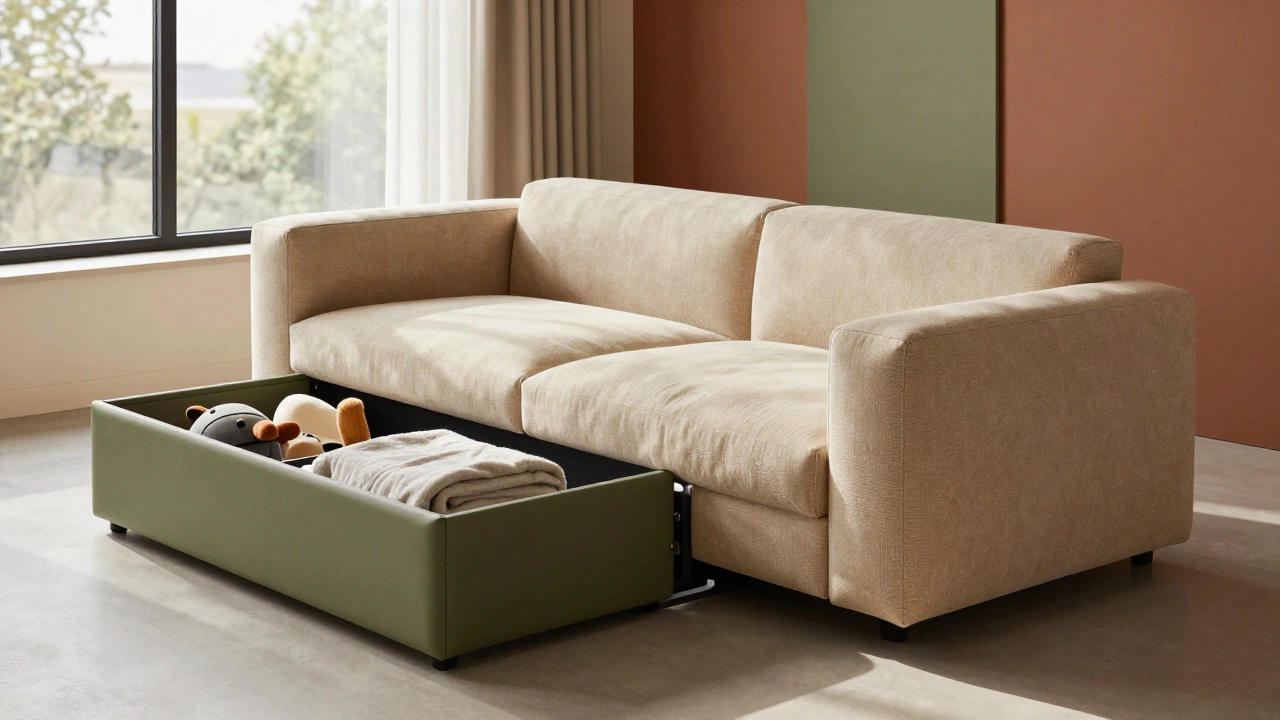
Sofa beds have had a serious upgrade. Modern iterations feature high-density foam and premium fabrics that look like proper lounge seating during the day and transform into comfortable sleep surfaces at night. Storage ottomans are another staple. These aren't just footrests; they are hidden vaults for blankets, electronics, or kids' toys, helping to declutter small apartments.
- Expandable Dining Tables: Look for butterfly leaf mechanisms that allow one person to extend the table without help. Solid oak or walnut tops are preferred for durability.
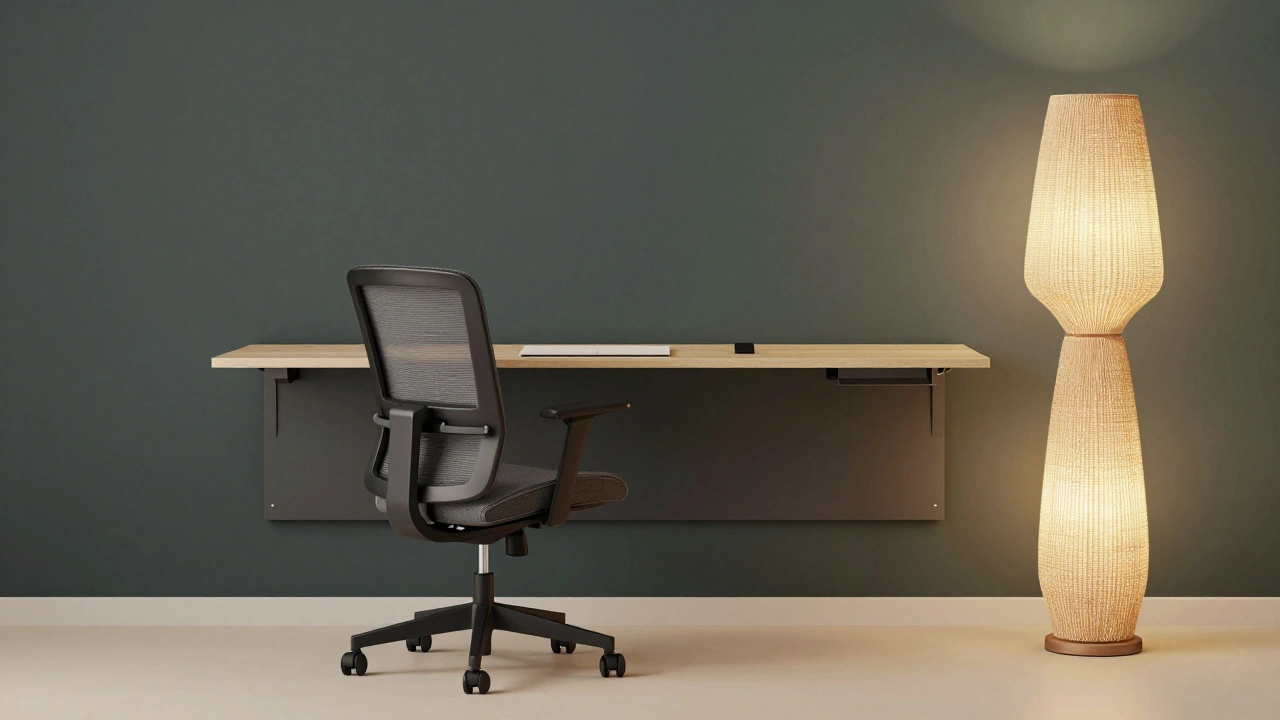
- Wall-Mounted Desks: As remote work stabilizes, homeowners want clean lines. Desks that fold up against the wall save floor space while maintaining an aesthetic appeal.
- Nesting Side Tables: Perfect for small living rooms, these tables tuck under each other when extra surface area isn't needed, offering flexibility for parties or solo evenings.
The key here is utility without sacrificing style. If a piece looks like a gadget, it won't sell. It needs to look like beautiful furniture first and a tool second.
Sustainability Is No Longer Optional
In previous years, "green" was a nice-to-have bonus. Now, it is a primary driver for purchase decisions. Consumers are increasingly skeptical of greenwashing, so brands that offer transparency are winning. High demand is concentrated on items made from reclaimed wood that is salvaged timber from old buildings or factories, processed to create unique furniture with natural character marks. Each piece tells a history, which adds emotional value beyond the physical object.
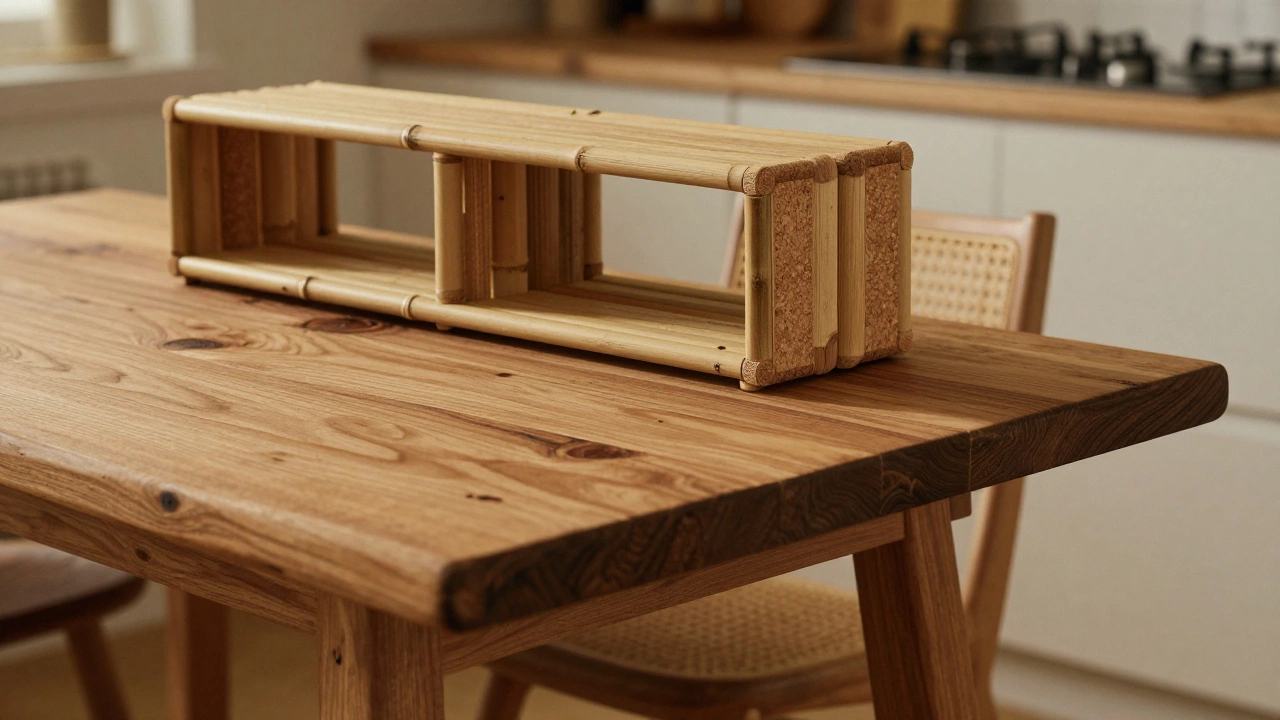
We are also seeing a surge in interest for modular furniture. Why? Because it fights waste. When a cushion wears out or a section gets damaged, you replace that part, not the entire unit. This approach appeals to the budget-conscious buyer who wants longevity. Materials like rattan, bamboo, and cork are trending because they are renewable and biodegradable. Bamboo flooring and bamboo shelving units are particularly popular in kitchen and bathroom renovations this year.
| Attribute | Sustainable Options (High Demand) | Traditional Fast Furniture |
|---|---|---|
| Lifespan | 10-20+ years | 1-3 years |
| Material Source | Reclaimed, FSC-certified, Recycled | Virgin particle board, Plastic laminates |
| Resale Value | High (retains 40-60% value) | Negligible |
| Aesthetic Appeal | Unique, textured, natural grain | Uniform, mass-produced look |
The Return of Texture and Warmth
Minimalism didn't die, but it got warmer. The stark, cold industrial look of the early 2020s is being replaced by "warm minimalism." Think curved edges, soft lighting, and tactile surfaces. Straight lines feel harsh; curves feel inviting. This is why rounded sofas and oval coffee tables are selling faster than their rectangular counterparts.
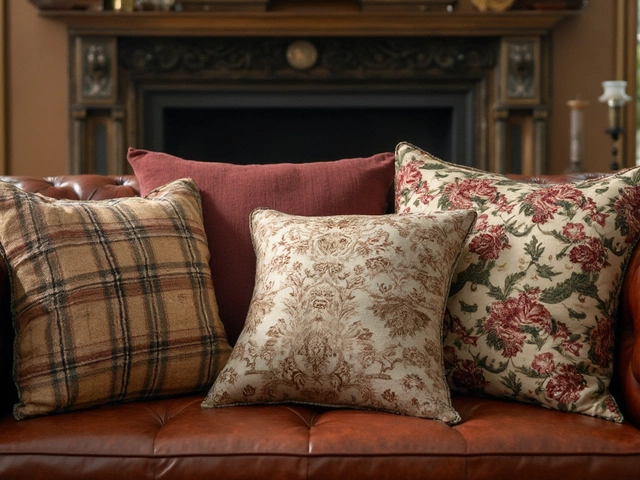
Fabric choice matters immensely right now. Velvet is still around, but bouclé and heavy linen are taking the spotlight. Bouclé offers a nubby, textured look that hides wear and tear better than smooth fabrics, making it practical for families. Colors are leaning toward earth tones-terracotta, olive green, warm beige, and deep charcoal. Bright whites are receding because they show every spill and scratch, which doesn't fit the relaxed vibe people are chasing.
Lighting fixtures are also treated as furniture now. Large, sculptural floor lamps made from woven fibers or brass are acting as focal points in rooms, replacing traditional overhead lights that cast unflattering shadows. The goal is ambiance, not just illumination.
Ergonomics Enter the Living Room
Work-from-home setups have blurred the lines between office and leisure. Consequently, ergonomic principles are migrating out of the corporate cubicle and into the family room. High-demand items include ergonomic office chairs designed with adjustable lumbar support, breathable mesh backs, and synchronized tilt mechanisms for long-term comfort that don't look like medical equipment.
Designers are creating task chairs that look like modern lounge seats but offer full spinal support. These are crucial for gamers, remote workers, and anyone spending hours at a desk. Standing desks remain popular, but the trend is shifting toward sit-stand converters that can be placed on existing tables, reducing the need to buy entirely new workstations. This adaptability is key for renters and those who move frequently.
Smart Integration Without the Clutter
Technology integration is happening, but subtly. Nobody wants visible wires or blinking LEDs ruining the aesthetic. High demand exists for furniture with built-in charging ports that are discreetly hidden within side tables or armrests. Wireless charging pads embedded in nightstands are becoming standard expectations rather than luxury add-ons.
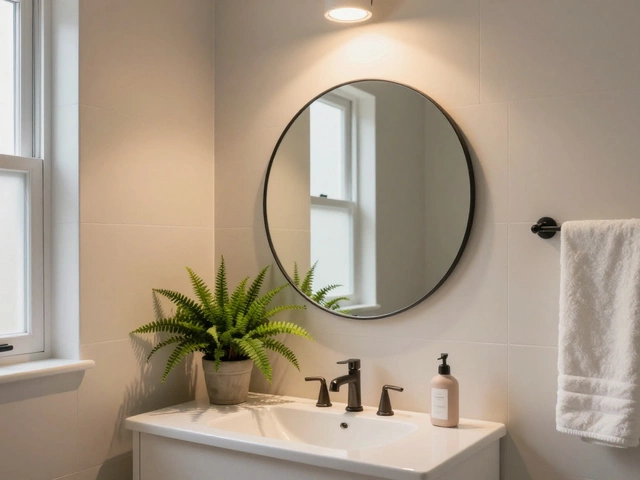
Smart mirrors in bathrooms and dressing areas are gaining traction. These mirrors offer anti-fog features, dimmable lighting, and sometimes even health tracking displays, all while maintaining a sleek, frameless appearance. The focus is on convenience that disappears into the background.
Investment Pieces vs. Impulse Buys
As economic uncertainty lingers, consumers are treating furniture purchases more like investments. Instead of buying ten cheap items, they prefer buying two or three high-quality staples. This mindset boosts demand for solid wood dining sets, leather sectionals, and stone-top kitchen islands. These items anchor a home and provide a sense of stability.
Second-hand and vintage markets are also booming. Platforms dedicated to curated pre-loved furniture are seeing record traffic. Buying a mid-century modern chair from the 1960s is seen as both stylish and environmentally responsible. It reduces landfill waste and supports a circular economy. For sellers, this means authentic vintage pieces command higher prices than ever before.
What is the most popular furniture color in 2026?
Earth tones dominate the landscape. Specifically, warm beiges, olive greens, terracottas, and deep charcoals are leading sales. These colors create a calming, grounded atmosphere that contrasts with the sterile whites of previous years. They also pair well with natural materials like wood and stone.
Is minimalist furniture still in style?
Yes, but it has evolved into "warm minimalism." While the clutter-free ethos remains, the execution is softer. Curved lines, textured fabrics like bouclé, and natural wood grains replace the cold, hard surfaces of strict minimalism. The goal is simplicity with comfort.
Why are multifunctional furniture pieces so popular right now?
Housing costs have driven many people into smaller living spaces. Multifunctional pieces, such as sofa beds and storage ottomans, maximize utility per square foot. Additionally, the normalization of hybrid work requires homes to serve multiple roles efficiently, making adaptable furniture essential.
Are sustainable materials worth the extra cost?
For most buyers, yes. Sustainable materials like reclaimed wood and organic cotton typically offer greater durability and longevity. They retain higher resale values and contribute to environmental conservation. While the upfront cost is higher, the cost-per-use over ten years is often lower than replacing cheap furniture multiple times.
What type of office chairs are trending for home use?
Ergonomic chairs that prioritize aesthetics are trending. Buyers want adjustable lumbar support and breathable mesh but dislike the bulky, clinical look of traditional office chairs. Designs featuring fabric upholstery, wooden accents, and streamlined profiles are in highest demand.