Tableware Terminology Quiz
Navigate high-end dinner parties and casual meals by choosing the most appropriate term for eating utensils based on region, material, and formality.
Quiz Results
Score: 0/0
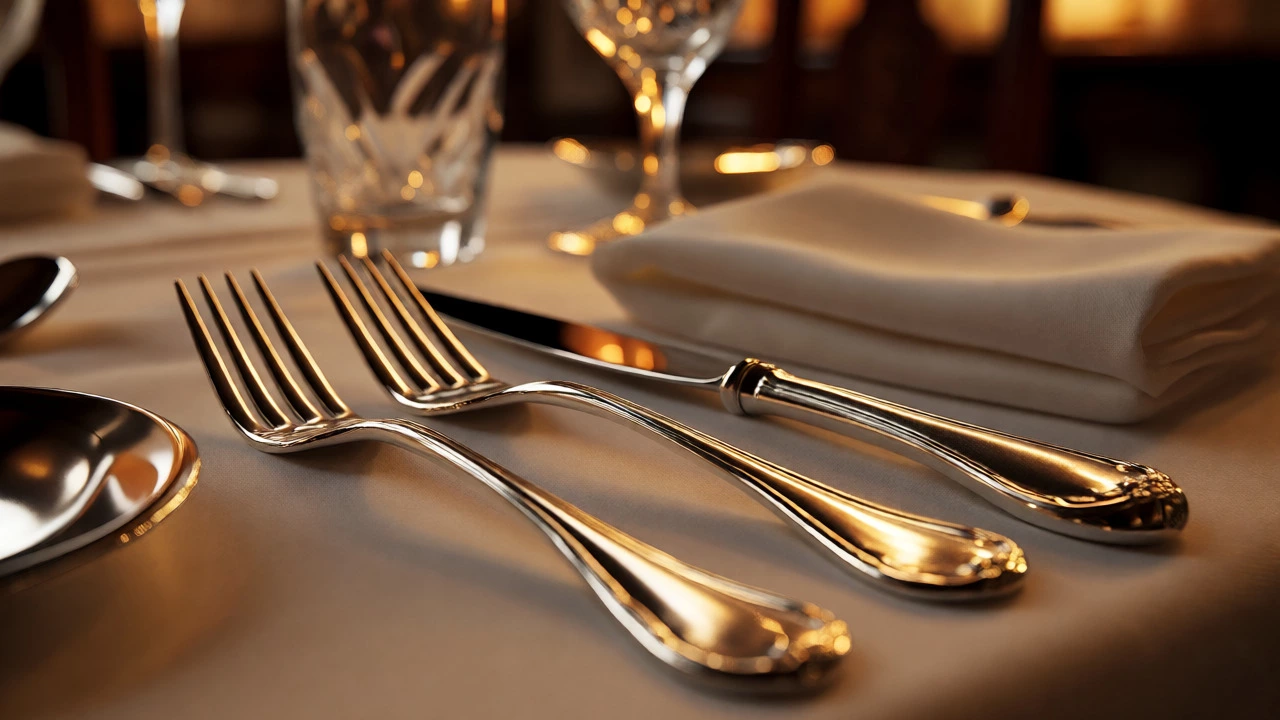
You are at a high-end dinner party. The host gestures to the gleaming metal objects on the table and asks, "Please pass the fancy word for fork and spoon." You freeze. Is it 'cutlery'? 'Silverware'? 'Flatware'? The confusion is real because English has a messy relationship with these everyday tools. We use different words depending on where we live, who we talk to, and how formal the setting is.
Here is the quick truth before we get into the details:
- Fork: There is no single common "fancy" synonym in modern English. Context matters more than the noun itself.
- Spoon: Same story. No widely used poetic alternative exists in daily conversation.
- The Group Term: This is where the real vocabulary shifts. Use cutlery (UK/Commonwealth), flatware (US industry standard), or silverware (if made of silver).
- Archaic Terms: Words like pronged instrument or cochlearia exist but sound ridiculous in normal speech.
Why Do We Need Fancy Words for Basic Tools?
Think about why you would ever need a fancier name for a fork. It’s not usually for utility. It’s for status, precision, or humor. In culinary writing, describing a "tined implement" instead of a fork adds weight. It signals that the writer knows their history. But in a restaurant? Calling a spoon a "scoop" might get you a weird look from the waiter.
Language evolves based on class and region. In the UK, saying "I left my knife and fork on the table" is standard. In the US, some people say "knife and fork" too, but others might refer to the whole set as "silverware," even if it’s stainless steel. That distinction alone trips up many writers. If you are trying to sound sophisticated, picking the wrong regional term can backfire instantly. A New Yorker calling stainless steel spoons "silverware" sounds pretentious. A Londoner doing the same sounds perfectly normal.
The Collective Nouns: Cutlery vs. Flatware vs. Silverware
If you want one word to replace "fork and spoon," you are looking for collective nouns. These are the actual "fancy" words most people seek when they ask this question. They aren’t synonyms for the individual items, but they elevate the entire concept.
| Term | Primary Region | Material Implication | Formality Level |
|---|---|---|---|
| Cutlery | UK, Australia, Canada | Any material (metal, plastic) | Standard to Formal |
| Flatware | USA (Industry/Retail) | Stainless steel, silver-plated | Neutral/Technical |
| Silverware | USA (Colloquial) | Implies silver, often just steel | Formal/Home Dining |
| Tableware | Global | Broad (includes plates/glasses) | General |
Notice the trap here. Americans often use "silverware" incorrectly. Unless your fork is actually sterling silver, it’s technically flatware. But nobody says "pass me the flatware" at Thanksgiving. They say "pass the silverware." Using "flatware" in casual US conversation sounds like you work at Target. Using "cutlery" in the US sounds British. Knowing which button to press depends entirely on your audience.
Is There Actually a Fancy Word for Just the Fork?
Let’s dig into the specific tool. The fork is a utensil with two or more prongs, used for lifting food to the mouth or holding it while cutting. Historically, forks were rare. Romans used them, but medieval Europe didn’t adopt them widely until the Renaissance. Because they arrived late, they didn’t accumulate as much linguistic baggage as knives.
Are there fancy synonyms? Technically, yes, but they are archaic or technical:
- Tines: Not the fork itself, but the prongs. Saying "check the tines" sounds expert.
- Pronged Instrument: Sounds like something from a Victorian medical manual.
- Trident: Only if it has three prongs and you are being metaphorical (or hungry enough to be Poseidon).
In literary contexts, authors sometimes personify the fork. "The silver prong pierced the tender steak." Here, the description does the heavy lifting, not a new noun. If you try to replace "fork" with a single fancy word in a sentence, you will likely fail. "He ate with his trident" implies he is a sea god, not a diner.
What About the Spoon? Does It Have a Secret Name?
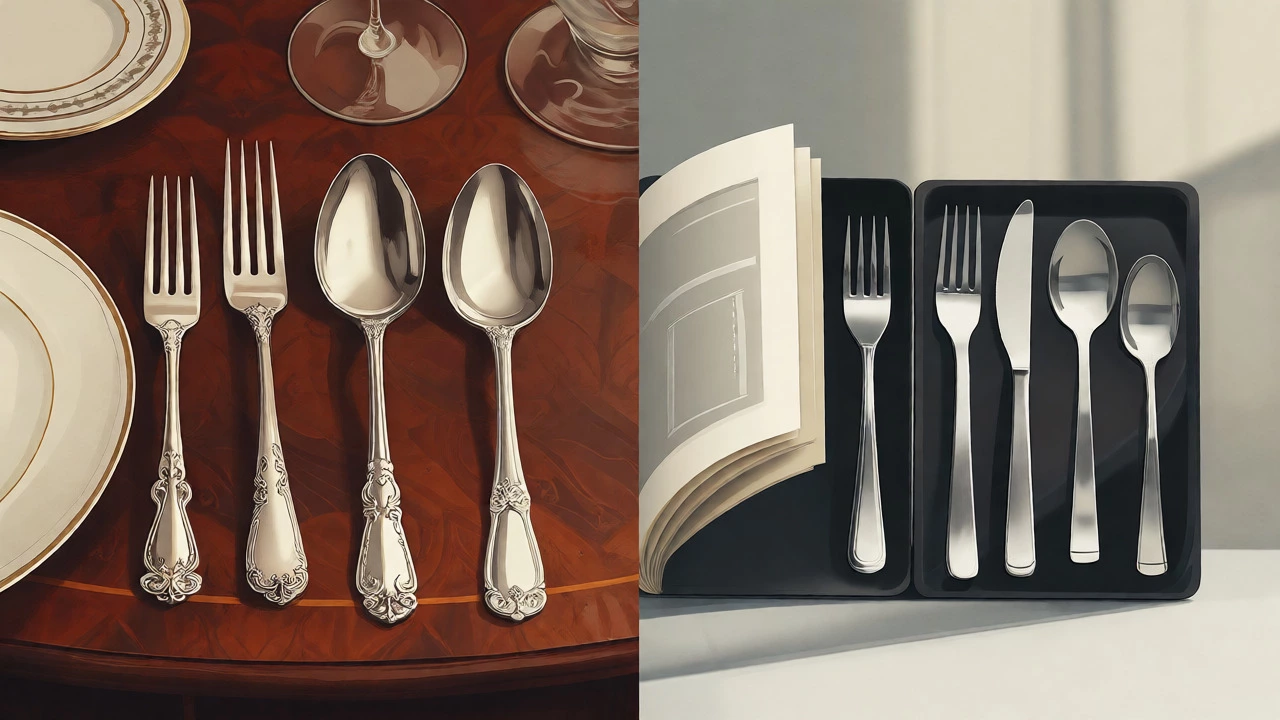
The spoon is a simple tool consisting of a small shallow bowl on a handle, used primarily for eating liquid or semi-liquid foods. Unlike the fork, the spoon is ancient. Egyptians, Greeks, and Chinese all used spoons thousands of years ago. This longevity means the word "spoon" is deeply rooted. It comes from the Old English spon, meaning chip or flake, referring to early wooden tools.
Because the word is so old and basic, "fancy" alternatives are rare in modern English. However, specific types of spoons have distinct names that sound more refined:
- Dessert Spoon: Standard, but precise.
- Teaspoon/Tablespoon: Measurement-focused.
- Ladle: For serving soup, implies size and function.
- Cochlearia: An obscure botanical term (related to spoon-shaped leaves) sometimes playfully applied to spoons in very niche academic circles. Do not use this at dinner.
If you want to sound fancy using a spoon-related term, focus on the action or the material. "He stirred the broth with a polished agate handle." That sounds luxurious without needing a fake synonym for "spoon." The elegance comes from the detail, not the noun swap.
Elevating Your Language Without Changing the Noun
Since direct synonyms for fork and spoon are weak, the best way to sound sophisticated is through context and adjectives. Writers and chefs do this constantly. Instead of hunting for a secret word, upgrade the description.
Consider these transformations:
- Basic: "Use the fork and spoon."
- Improved: "Employ the cutlery provided."
- Fancy: "Utilize the sterling silver service."
Another trick is focusing on the arrangement. "The place setting includes a fish fork and a soup spoon." Specificity sounds smarter than vagueness. Mentioning the place setting refers to the arrangement of cutlery, glassware, and dishware on a table according to etiquette rules. shows you understand dining norms. It implies knowledge without forcing an awkward synonym.
Also, consider the verb. "Scoop," "lift," "twirl," and "slice" are active and vivid. "He twirled the pasta onto his fork" is better than "He put the pasta on the fork." The energy is in the motion, not the object's name.
Regional Differences That Change the Meaning
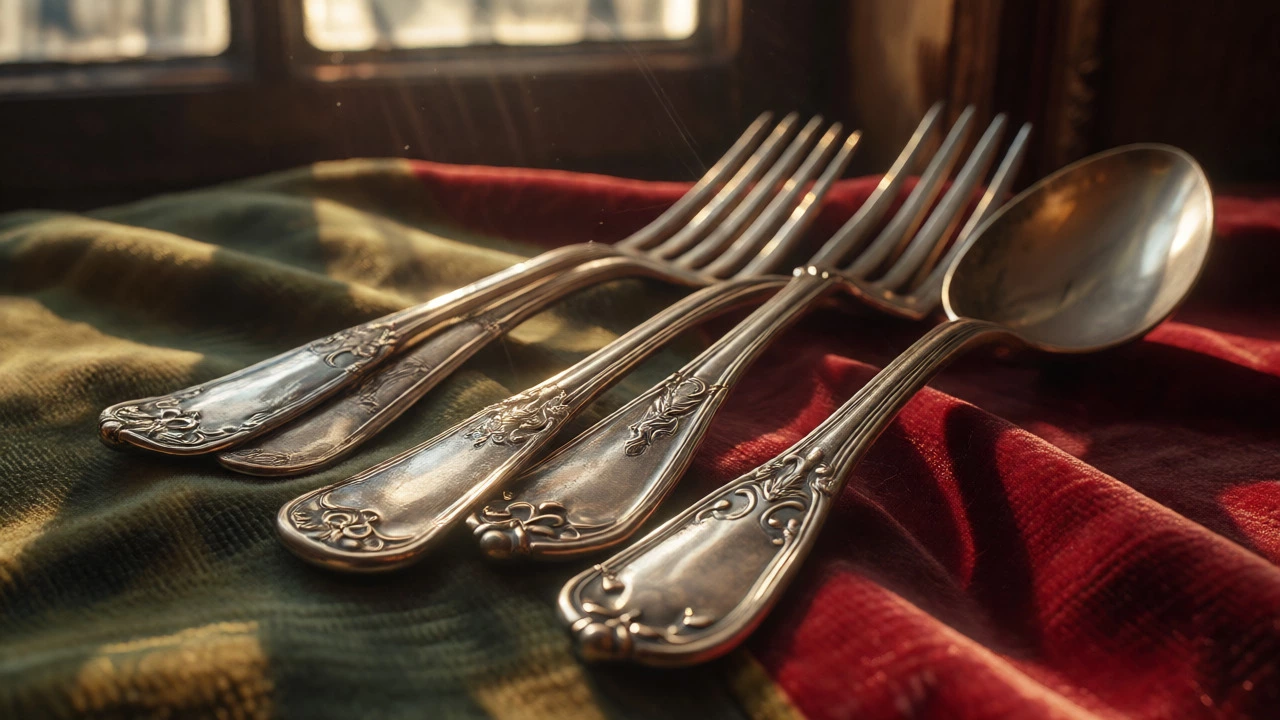
If you write for a global audience, be careful. In India, "fork and spoon" is the standard phrase, regardless of formality. In France, couteau et fourchette is standard; there is no slang equivalent that changes the tone drastically. In Japan, chopsticks (hashi) dominate, making Western cutlery seem exotic.
When translating concepts of "fancy," remember that other languages may have richer vocabularies for these items. Japanese, for instance, has specific terms for different types of spoons used in tea ceremonies. English tends to lump them together. So, asking for a "fancy word" is often an attempt to borrow sophistication from other cultures or historical periods.
A useful heuristic: If you are writing fiction set in the 1800s, you might read characters discussing their "plate" or "service." "Have you seen the new plate?" meant the silverware set. Today, "plate" usually means the ceramic disc. Understanding these shifts prevents anachronisms.
Common Mistakes When Trying to Sound Fancy
People often overcorrect. They hear "flatware" is the technical term and start using it in casual conversation. "Can you buy more flatware for the picnic?" sounds stiff. Or they use "silverware" for cheap plastic camping gear, which undermines the point of sounding elegant.
Another mistake is inventing words. Some people try "utensil" as a singular fancy word. "Pass me the utensil." Which one? The fork? The spoon? The knife? It creates ambiguity. Precision beats pretension every time.
Finally, don't confuse crockery (dishes/ceramics) with cutlery. Mixing them up makes you look uneducated rather than sophisticated. Keep the categories clear: Plates are crockery/dishware. Knives, forks, spoons are cutlery/flatware/silverware.
Conclusion: Stick to What Works
There isn't a magic bullet word for fork or spoon that instantly elevates your speech. The "fanciness" comes from correct usage of collective terms like cutlery or silverware, combined with descriptive language about material and design. If you are writing a novel, describe the glint of the silver. If you are hosting a dinner, ensure your flatware matches your brand. Don't force a synonym where none naturally fits.
Is 'flatware' considered fancy?
Not really. 'Flatware' is a neutral, industry-standard term in the US. It sounds professional, not necessarily luxurious. To sound fancy, specify the material, such as 'sterling silver flatware' or 'gold-plated flatware.'
What is the difference between cutlery and silverware?
'Cutlery' is the general term used in the UK and Commonwealth countries for eating tools, regardless of material. 'Silverware' is commonly used in the US to refer to eating tools, implying they are made of silver, though often used colloquially for any metal utensils.
Can I call a spoon a 'scoop' to sound fancy?
No, 'scoop' is informal and functional. It describes the action or a specific type of large spoon (like for ice cream). It does not add sophistication to a formal dining context.
Are there archaic words for fork and spoon?
Yes, but they are rarely used today. Historical texts might refer to forks as 'pronged instruments' or spoons by their shape (e.g., 'egg spoon'). Using these in modern conversation usually sounds humorous or overly academic.
How do I describe expensive cutlery elegantly?
Focus on attributes: 'heavy-gauge stainless steel,' 'hand-polished sterling,' or 'intricate filigree handles.' Descriptive adjectives convey luxury better than substituting the noun 'fork' or 'spoon.'