Bedroom Legality & Market Value Estimator
Room Specifications
Enter your room details to check its legal status and market perception.
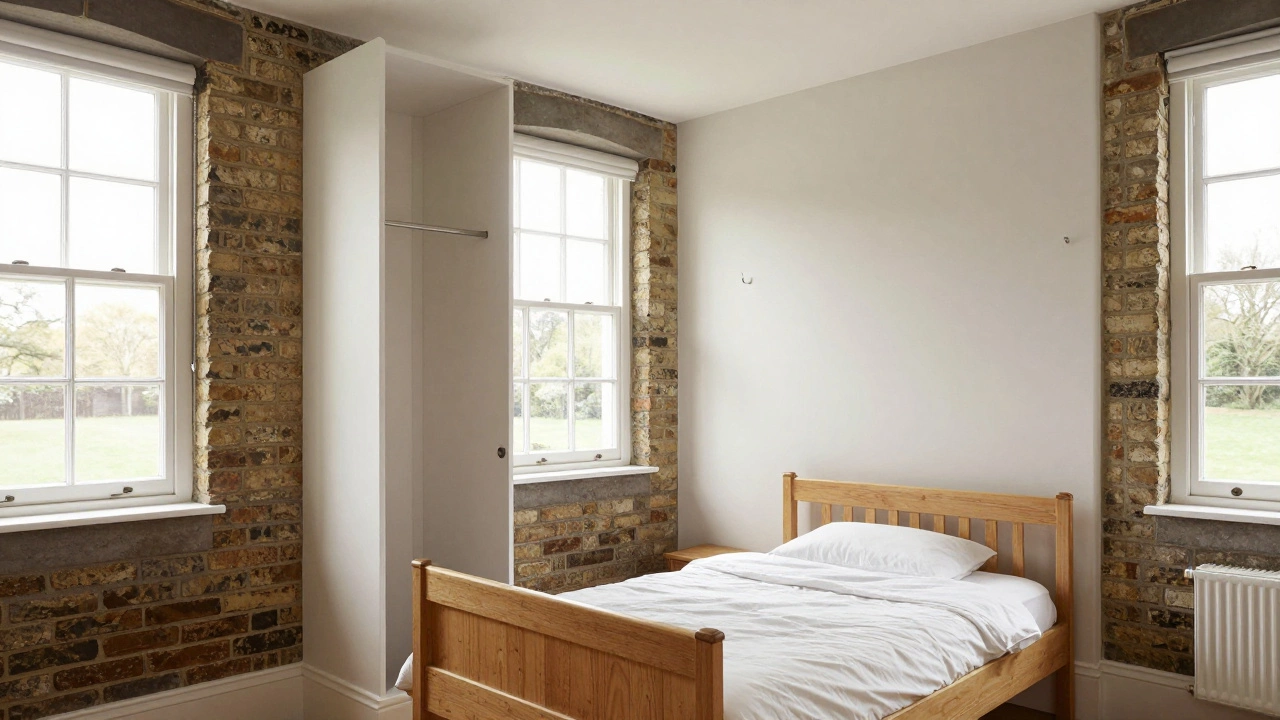
You’re looking at a charming older home or a budget-friendly apartment. The rent is right, the light is perfect, but then you notice it: there are no built-in closets in the bedrooms. Just empty walls and maybe a coat hook. Your first thought might be panic. Is this even a legal bedroom? Will it hurt your property value if you buy it? Or can you just live with it?
The short answer is yes. A house can absolutely have a bedroom without a closet. In fact, millions of homes across North America, Europe, and Asia function perfectly well this way. However, whether that room qualifies as a "legal" bedroom for real estate purposes depends entirely on local building codes, which vary wildly by city and state. While a closet isn’t usually a strict requirement for habitability, its absence does change how you store things, how you sell the home, and how much space you actually have to work with.
Is a Closet Legally Required for a Bedroom?
This is the most common question people ask when they encounter a closetless room. The confusion stems from mixing up two different sets of rules: Building Codes are regulations that dictate safety standards for construction and Real Estate Appraisals are professional assessments used to determine market value.
In the United States, the International Residential Code (IRC), which many states adopt as their baseline, does not explicitly require a closet for a room to be considered a bedroom. The IRC focuses on life safety. To be a legal bedroom, a room typically needs:
- A minimum floor area (usually 70 square feet).
- Minimum dimensions (no side less than 7 feet).
- A window that serves as an emergency egress (large enough to climb out of in case of fire).
- Proper heating capabilities.
Notice that storage isn’t on that list. If a room meets those criteria, it is legally a bedroom, regardless of whether it has a wardrobe niche or a full walk-in suite.
However, local jurisdictions can add stricter rules. Some cities or housing authorities may have specific ordinances requiring closets for rental units to ensure habitability standards. Always check with your local zoning office or a licensed real estate agent if you are buying or renting in a specific municipality. In Canada and the UK, similar principles apply: structural safety and ventilation matter more than storage capacity.
How Does No Closet Affect Home Value?
While the law might allow a bedroom without a closet, the market often tells a different story. Real estate buyers today expect certain amenities, and built-in storage is high on that list. According to data from the National Association of Realtors, features like extra storage spaces consistently rank among the top desires for homebuyers.
Here is the reality: a bedroom without a closet is often perceived as a "den," "office," or "bonus room" rather than a true bedroom during a sale. This can lower the appraised value of the home because appraisers compare your property to recent sales of similar homes. If comparable homes in your neighborhood all have four bedrooms with closets, and yours only has three "true" bedrooms plus one open room, your home might appraise lower.
That said, the impact varies by location. In dense urban areas like New York City, London, or San Francisco, small apartments rarely have closets. Buyers in these markets are accustomed to using furniture for storage and don’t penalize the lack of built-ins as heavily. In suburban family homes, however, the expectation is higher. Parents need places to hide toys, clothes, and clutter. An open wall where a closet should be can feel like unfinished business to a buyer.
| Feature | With Built-in Closet | Without Closet |
|---|---|---|
| Legal Status | Always a bedroom (if code-compliant) | Usually a bedroom (check local codes) |
| Appraisal Value | Standard valuation | Potentially lower; may count as bonus room |
| Buyer Appeal | High (expected standard) | Moderate (requires visualization effort) |
| Urban vs. Suburban | Preferred everywhere | Acceptable in cities; problematic in suburbs |
Creative Storage Solutions for Closetless Bedrooms
If you’ve already moved into a place without closets, or you’re planning to buy one, don’t despair. You don’t need drywall and carpentry to solve the problem. Modern Storage Furniture provides modular and flexible ways to organize personal items can transform an empty wall into a functional dressing area.
The key is to think vertically and visually. Since everything will be out in the open, organization becomes part of your decor.
1. The Wardrobe Cabinet
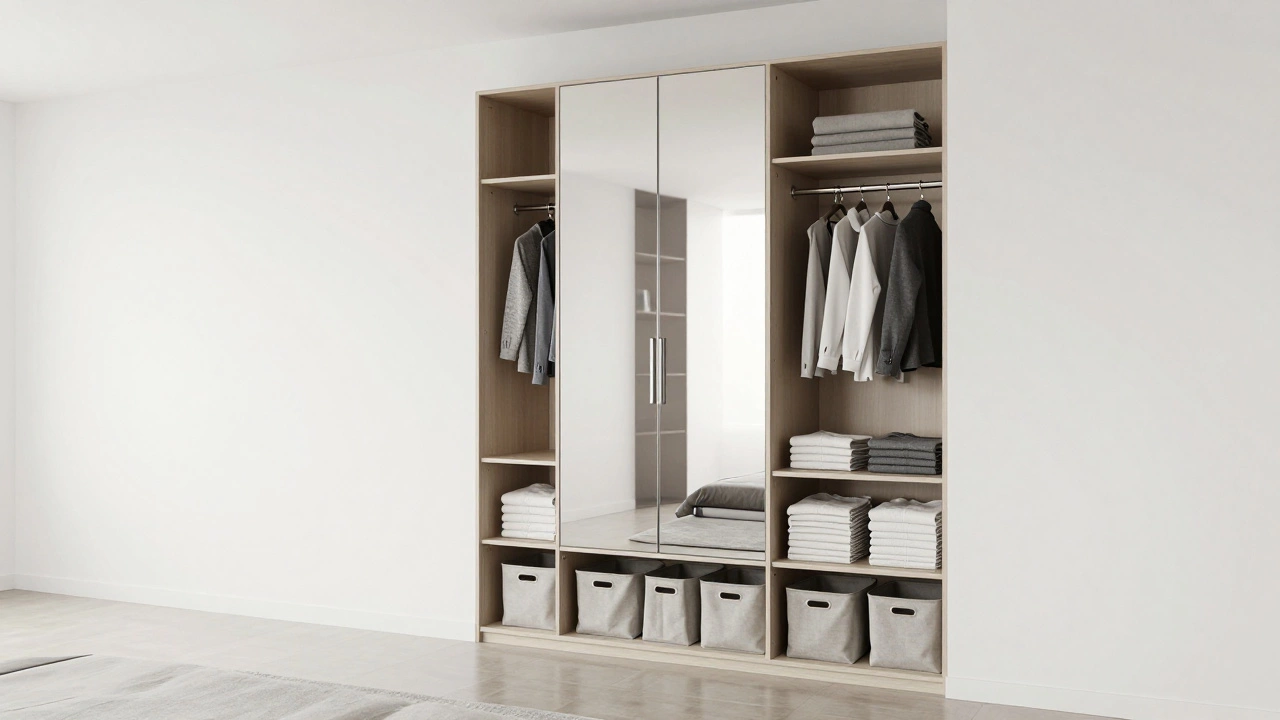
This is the closest thing to a built-in closet. A large, freestanding wardrobe cabinet comes with hanging rods and shelves inside. It looks like furniture but functions like a closet. Because it’s movable, you won’t lose any equity if you decide to leave the space later. Look for models with mirrored doors to make the room feel larger.
2. Open Shelving and Racks
If you prefer a minimalist aesthetic, consider installing heavy-duty shelving units. Use uniform hangers-this is non-negotiable for visual calm. When every shirt hangs on the same black velvet hanger, the chaos disappears. Add baskets on lower shelves for sweaters and accessories. This approach works well in industrial-style lofts or modern apartments.
3. Under-Bed Storage
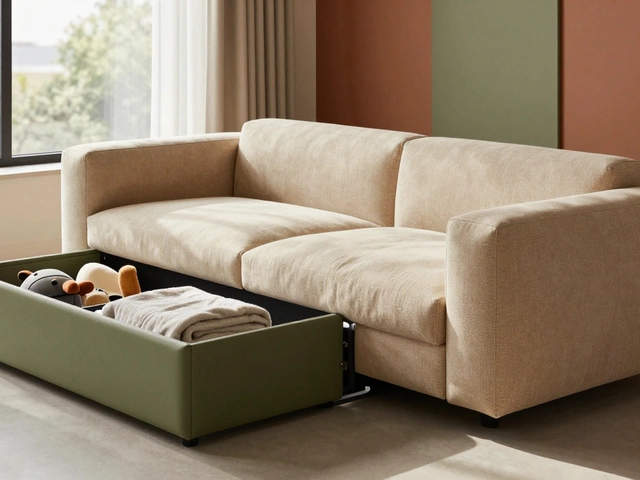
Don’t ignore the dead space beneath your bed. Rolling bins, vacuum-sealed bags, or a bed frame with built-in drawers can hold off-season clothing, shoes, and luggage. This keeps daily essentials accessible while hiding bulkier items.
4. Door Hooks and Over-Door Organizers
For smaller items like belts, scarves, and handbags, over-the-door hooks are lifesavers. They utilize vertical space that would otherwise go unused. Just ensure your door closes properly so the organizer doesn’t get jammed.
Designing Around the Lack of Closets
Living without closets changes how you decorate. You have to embrace the idea that your belongings are part of the display. This requires a disciplined approach to ownership. If you keep only what you love and wear regularly, the visual impact is stylish rather than messy.
Color coordination helps immensely. Stick to a neutral palette for your wardrobe. When your clothes blend together, the rack looks like a curated gallery piece instead of a laundry pile. Texture adds interest-a mix of knits, linens, and silks creates depth without needing color variety.
Lighting also plays a role. Install bright, adjustable lighting near your storage area. Good light makes getting dressed easier and highlights your outfits. Avoid dim corners where clothes can look dusty or neglected.
When to Build a Closet vs. Using Furniture
Should you hire a contractor to build a closet? It depends on your long-term plans. Building a closet involves framing, drywall, painting, and installing hardware. It costs money and time, but it adds permanent value to the home. If you plan to stay for five years or more, or if you intend to sell in a competitive suburban market, building a closet might pay off.
On the other hand, if you’re renting or living in a transient situation, furniture is smarter. It’s cheaper, faster, and fully portable. You can take your wardrobe cabinet with you to your next home. Plus, you avoid the hassle of permits and contractors.
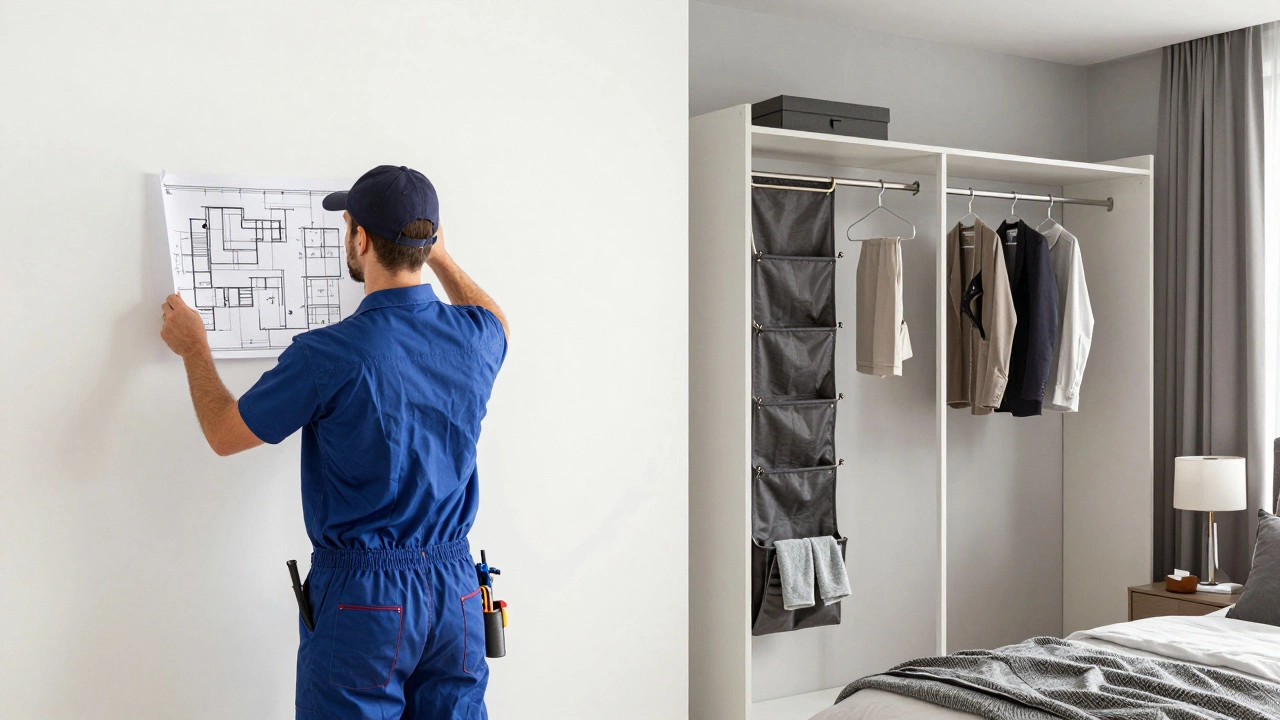
Consider the room’s layout too. If the wall is solid and has no windows or doors, building a closet is straightforward. But if the wall contains electrical outlets, plumbing, or structural beams, construction becomes complex and expensive. In those cases, freestanding solutions are safer and easier.
Common Mistakes to Avoid
People new to closetless living often make a few predictable errors. First, they buy too many small containers. Too many bins create visual clutter. Instead, use fewer, larger containers that hide contents completely. Second, they neglect regular purging. Without the concealment of a closet door, clutter accumulates visibly. Commit to a seasonal review of your wardrobe. Donate what you haven’t worn in six months.
Another mistake is ignoring scale. A tiny shoe rack in a large room looks insignificant. Choose storage pieces that match the proportions of the room. Tall wardrobes anchor the space better than low chests.
Final Thoughts on Living Without Closets
A bedroom without a closet is not a defect; it’s a design challenge. With the right mindset and smart storage choices, you can create a comfortable, organized, and stylish sleeping space. Whether you choose to build in the future or embrace open storage now, remember that functionality matters more than tradition. Your home should work for your lifestyle, not the other way around.
Is a room still a bedroom if it has no closet?
Yes, in most jurisdictions. Building codes generally require proper size, egress windows, and heating, but not closets. However, local laws or rental agreements may differ, so always verify with local authorities.
Does a bedroom without a closet lower home value?
It can. Appraisers and buyers often view rooms without closets as bonus rooms or offices, which may reduce the perceived number of bedrooms and thus the overall market value, especially in suburban areas.
What is the best storage solution for a bedroom without a closet?
A large freestanding wardrobe cabinet is the most effective solution. It mimics a built-in closet, hides clutter, and is portable. For lighter storage, open racks with uniform hangers and under-bed bins work well.
Can I install a closet myself?
You can install simple modular closet systems or tension rods, but building a framed closet requires carpentry skills, drywall installation, and painting. If the wall has utilities, consult a professional to avoid damage.
Do renters need landlord permission to add storage?
Freestanding furniture like wardrobes and racks usually do not require permission. However, drilling holes for shelves or mounting hardware may violate lease terms. Always check your agreement before making permanent changes.