Couch Fabric Cleaning Difficulty Calculator
How Difficult Is Your Couch to Clean?
Select your fabric type and lifestyle factors to see your cleaning difficulty rating.
Select your fabric and lifestyle factors to see your cleaning difficulty rating.
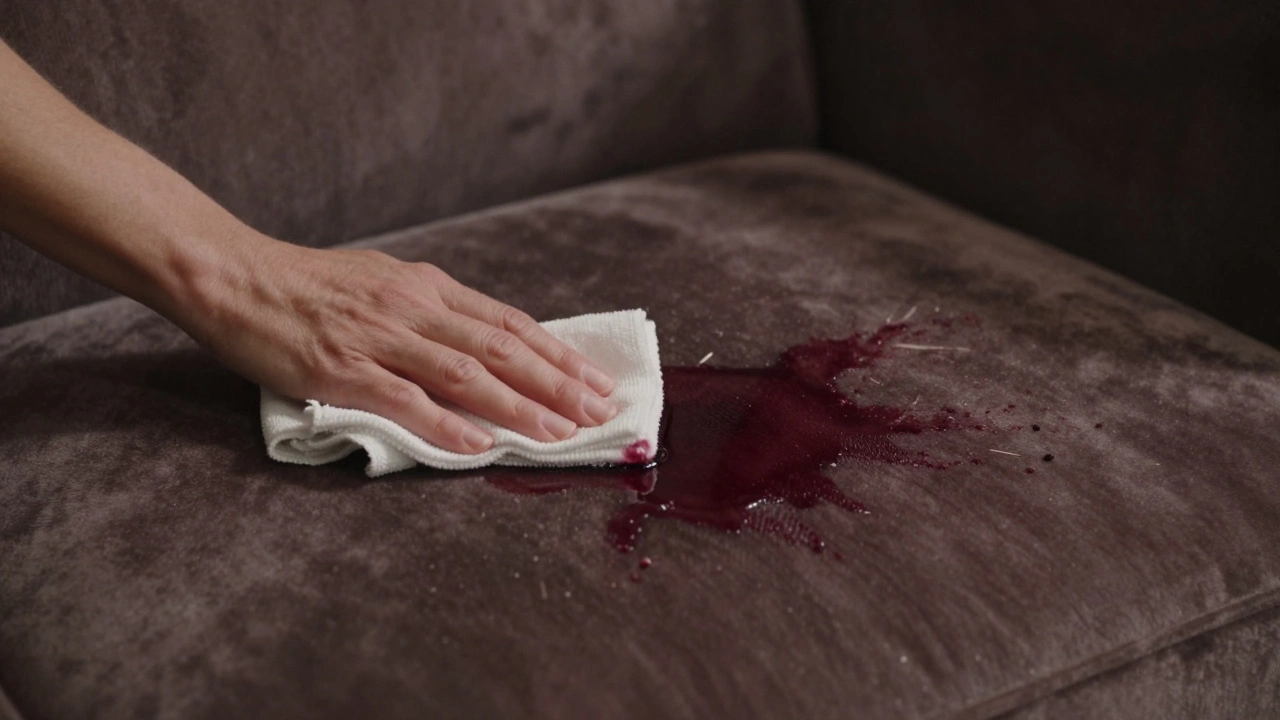
If you’ve ever spilled red wine on your couch and watched it sink in like a dark stain, you know not all fabrics are created equal. Some couch materials laugh at spills. Others? They hold grudges. The hardest couch material to clean isn’t just about dirt-it’s about how deeply stains soak in, how easily fibers snag, and how much effort it takes to bring back even a fraction of the original look. If you’re trying to decide between fabrics for a new sofa-or you’re stuck with one that’s turning into a cleaning nightmare-this is what you need to know.
Velvet: The Silent Stain Magnet
Velvet looks luxurious. It feels soft. And it’s one of the most unforgiving fabrics when it comes to spills. That deep pile? It’s not just for comfort-it’s a trap. Liquid doesn’t sit on top; it pulls down into the fibers like a sponge. Coffee, juice, even water from a wet glass can leave permanent shadows. And don’t even think about scrubbing. You’ll crush the pile and leave a bald spot.
Professional cleaners often refuse velvet jobs because the risk of damage is too high. At home, your best bet is blotting immediately with a dry microfiber cloth. Use a vacuum with a brush attachment to lift the pile after cleaning. Some people swear by steaming, but that can set stains or cause water rings if done wrong. There’s no magic solution. Velvet demands prevention: slipcovers, strict no-food-on-the-sofa rules, and accepting that it won’t stay spotless.
Light-Colored Linen: The Show-Off That Shows Everything
Linen is breathable, natural, and gives off that relaxed, airy vibe. But if you have kids, pets, or just a messy life, avoid light linen. It stains like a blank canvas. Tomato sauce? Visible. Pet hair? Clings like static. Sweat from bare arms? Leaves yellow rings. Unlike synthetic fabrics, linen doesn’t repel liquids-it absorbs them fast.
Washing linen upholstery is risky. Most home machines can’t handle it without shrinking or fading. Dry cleaning often dulls the texture. Spot cleaning with mild soap and cold water can help, but even then, the fabric may never look exactly the same. The real issue? Once linen gets stained, the discoloration is permanent. You can’t bleach it. You can’t scrub it. You can only live with it-or replace the cushions.
Suede and Microsuede: The Texture Trap
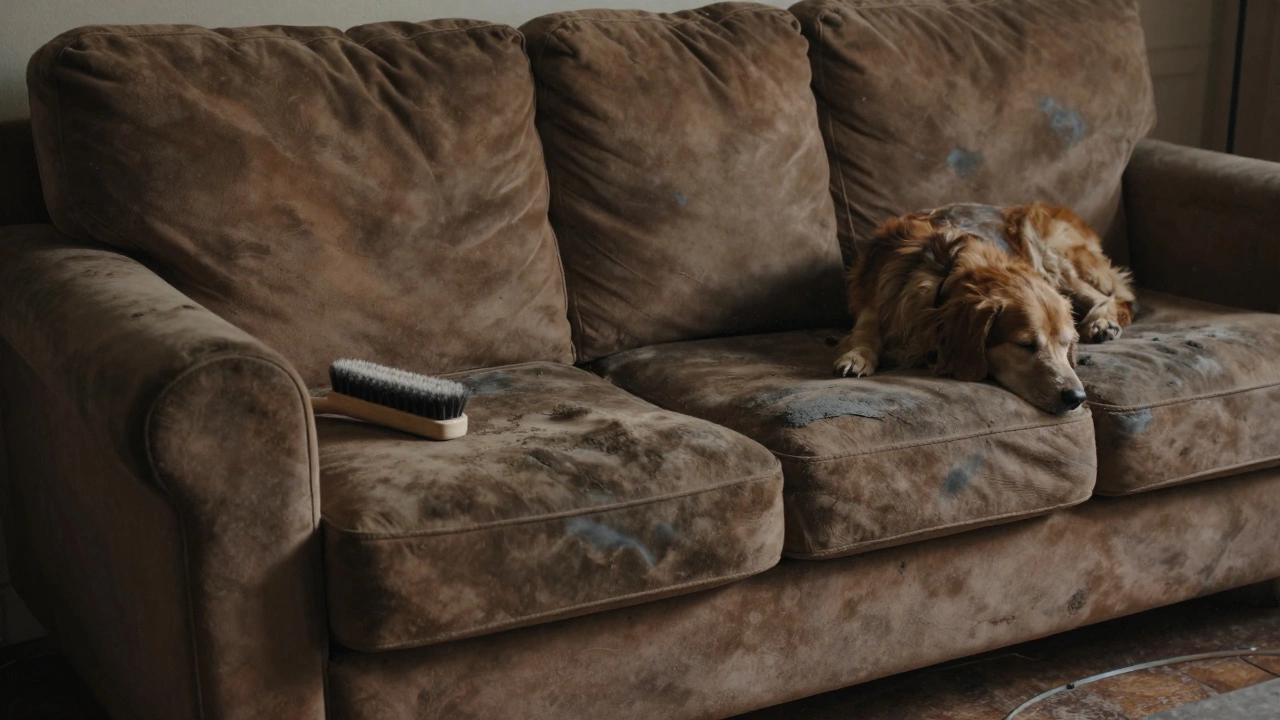
Suede and microsuede look like leather but feel softer. They’re popular because they’re affordable and cozy. But they’re also the worst for dirt. Fine dust, crumbs, and oily residues from skin or hair sink into the nap. Unlike leather, you can’t just wipe them down. A damp cloth spreads the dirt. A vacuum doesn’t reach deep enough.
Special suede brushes exist, but they only work on surface debris. For grease stains-like from pizza or lotion-you need a suede cleaner and a lot of patience. Even then, the cleaned spot often looks lighter or darker than the rest. Over time, high-traffic areas turn gray. That’s not wear-that’s permanent damage. If you’ve got a microsuede couch and a dog that loves to nap on it, you’re basically buying a gray couch in disguise.

Dark Chintz and Printed Fabrics: The Camouflage Failure
Dark chintz, with its glossy finish and floral prints, looks elegant. But the shine? It’s a lie. It highlights every fingerprint, every smudge, every stray thread. Unlike solid dark fabrics, printed patterns make stains stand out even more. A drop of oil on a red rose? It turns into a brown blotch that looks like a bug landed there.
These fabrics are often treated with finishes that wear off after a few cleanings. Once the protective coating is gone, cleaning becomes a gamble. Rubbing too hard? You’ll fade the print. Too little? The stain stays. Most manufacturers don’t even list cleaning instructions because they know it’s a losing battle. If you love the look, buy a removable cover. Otherwise, expect to be constantly dusting and brushing, just to keep it from looking messy.
White Synthetic Blends: The Deceptive Easy-Clean Lie
White polyester, acrylic, or olefin blends are marketed as ‘stain-resistant’ and ‘easy to clean.’ And technically, they are-until they’re not. The problem isn’t the fabric. It’s the stain. Grease, ink, makeup, and even sunscreen can bond to synthetic fibers in ways you can’t see until it’s too late. A small oil spot might look gone after you wipe it, but it’s still trapped inside. Over time, it oxidizes and turns yellow.
Washing these in hot water or using strong cleaners can melt the fibers or cause pilling. Steam cleaning can leave water marks that look like mold. The real kicker? These fabrics are cheap to make, so manufacturers don’t invest in durable finishes. What looks clean after one wipe? In six months, it looks dingy. And you can’t restore it. You just replace it.
What Actually Cleans Well? A Quick Contrast
Not all fabrics are nightmares. Here’s what’s easier to manage:
- Performance fabrics like Crypton or Sunbrella: engineered to repel liquids and resist stains. They’re used in hospitals and boats. You can scrub them with soap and water.
- Leather (real or high-quality faux): Wipe spills with a damp cloth. Deep clean twice a year with a pH-balanced cleaner.
- Dark, tightly woven cotton: Holds up to vacuuming and spot cleaning. Less likely to show dirt than light colors.
If you want a sofa that lasts without daily maintenance, skip the velvet, linen, and suede. Go for performance fabrics. They cost more upfront, but you’ll save hundreds in cleaning bills and replacement costs over five years.
Pro Tips: How to Avoid Cleaning Nightmares
- Always ask for a fabric sample before buying. Test it with water, coffee, and a bit of oil. See how it reacts.
- Apply a fabric protector spray right after you bring the couch home. Reapply every 6 months.
- Keep a microfiber cloth and a small bottle of mild detergent by the couch. Clean spills within 10 minutes.
- Use removable, washable slipcovers. Even on a velvet couch, they turn a disaster into a laundry day.
- Never use vinegar, baking soda, or bleach on upholstery. They can discolor, weaken fibers, or leave odors.
When to Call a Pro
Some stains aren’t DIY fixes. If you’ve got:
- Deep-set oil stains on velvet or suede
- Urine or vomit on any fabric
- Stains that changed color after you tried cleaning them
Stop. Call a professional upholstery cleaner. Not just any cleaner-someone who specializes in furniture, not carpets. Ask if they use steam, dry cleaning, or solvent-based methods. Get references. A bad cleaning job can ruin a $2,000 sofa in one visit.
Final Reality Check
The hardest couch material to clean isn’t just about the fabric. It’s about your lifestyle. If you have toddlers, dogs, or late-night snacks, velvet and linen are invitations to regret. No amount of cleaning spray will fix that. The most expensive sofa in the world means nothing if you’re afraid to sit on it.
Choose your fabric based on how you live-not how you want to look. A simple, dark, performance-fabric couch that you can wipe clean after dinner? That’s luxury. A pristine velvet couch that you never use? That’s just storage.
Is velvet really the hardest couch material to clean?
Yes, velvet is among the hardest because its deep pile traps liquids and dirt deep inside the fibers. Spills don’t sit on the surface-they sink in fast, and scrubbing damages the texture. Even professional cleaners struggle to restore velvet without leaving visible marks or flattening the pile.
Can I clean a stained linen sofa at home?
You can try, but it’s risky. Use cold water and a mild detergent with a clean cloth to blot, never rub. Avoid heat or bleach, which can shrink or fade the fabric. Most stains on linen become permanent, especially on light colors. Dry cleaning may help, but it often dulls the natural texture.
What’s the easiest couch fabric to clean?
Performance fabrics like Crypton, Sunbrella, or solution-dyed acrylic are the easiest. They’re designed to repel liquids and resist stains. You can scrub them with soap and water, and they won’t fade or hold odors. Real leather and tightly woven dark cotton are also low-maintenance options.
Should I use a fabric protector on my new couch?
Yes, especially if you have kids, pets, or entertain often. Apply a fabric protector spray within 48 hours of bringing the couch home. Reapply every 6 months. It won’t make your couch stain-proof, but it gives you more time to blot spills before they sink in.
Is faux leather better than real leather for cleaning?
It depends. High-quality faux leather cleans easily and resists stains, but it can crack or peel over time, especially in direct sunlight. Real leather is more durable long-term and can be conditioned to last decades. Both wipe clean with a damp cloth, but real leather needs occasional conditioning to stay soft and prevent drying.