Luxury Rug Material Finder
Answer a few questions about your space to find the ideal balance between luxury, durability, and maintenance.
Your Space Profile
General Care Tip
Fill out the profile on the left to see which luxury rug material fits your lifestyle best.
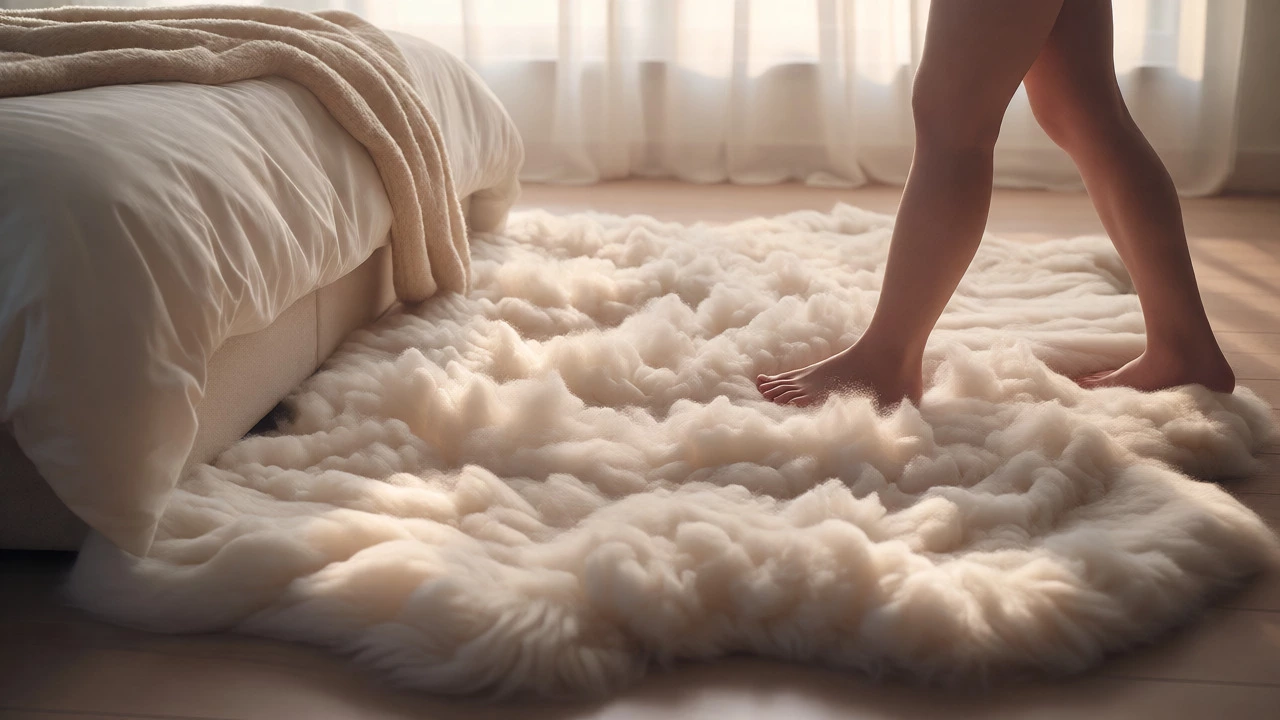
You walk into a room, kick off your shoes, and step onto something that feels less like fabric and more like liquid gold. That sensation isn't magic; it's physics and biology working together in a single thread. When people ask what makes a rug luxurious, they usually mean one thing: how does it feel underfoot, and how does it look when the light hits it just right? The answer lies deep within the fiber structure of the material itself.
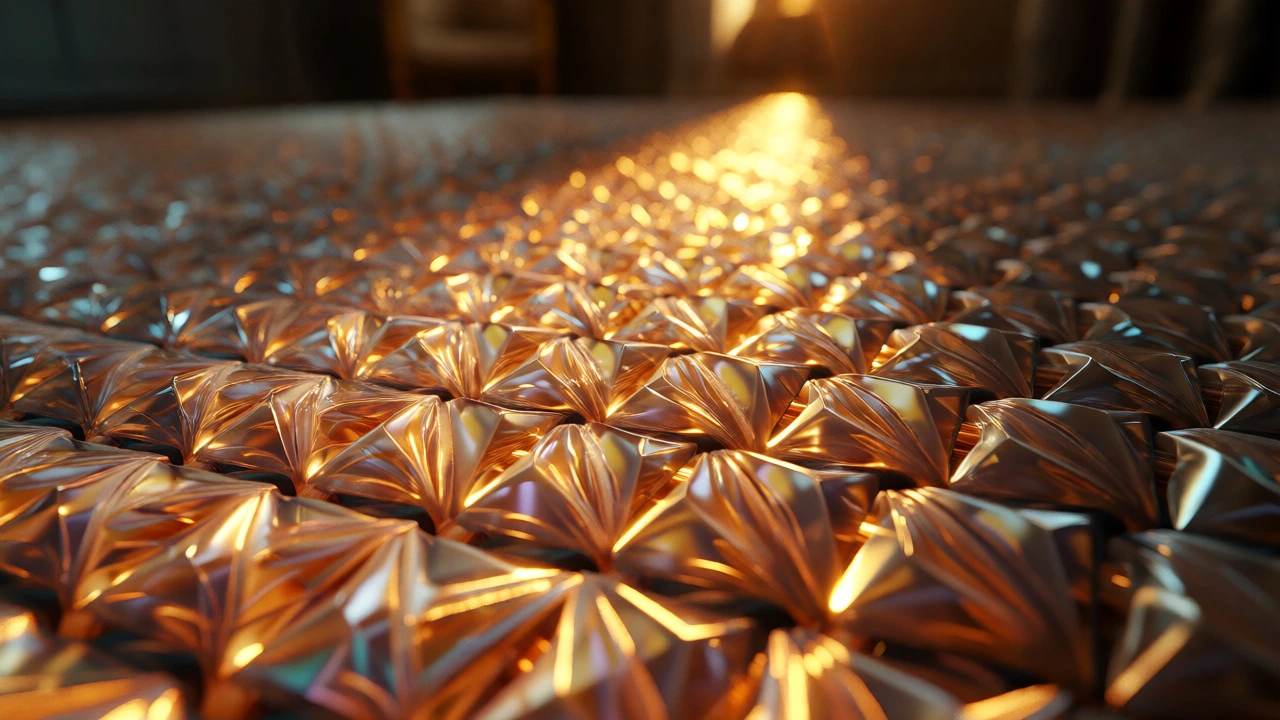
While many assume thick wool is the peak of comfort, the true king of luxury textiles has always been silk. It is a natural protein fiber produced by silkworms, renowned for its triangular prism-like structure which refracts incoming light at different angles. This gives silk rugs their signature shimmer and depth that no synthetic can truly replicate. But silk is fragile. So, where does that leave you if you want opulence without the anxiety of a stray coffee cup? Let’s break down the hierarchy of luxury rug materials, from the delicate to the durable, so you can choose the right piece for your space.
The Undisputed King: Pure Silk
If money is no object and traffic is low, pure silk wins every time. A hand-knotted silk rug is often considered a piece of art rather than just floor covering. Why? Because silk fibers are incredibly fine-often measuring between 10 and 13 microns in diameter. For context, human hair is about 70 microns. This fineness allows weavers to create knot densities exceeding 500 knots per square inch (KPSI), resulting in photographic detail in patterns.
However, owning a silk rug requires a shift in mindset. You aren’t buying a floor mat; you’re buying a wall hanging that happens to live on the ground. Silk lacks resilience. If you drag furniture across it, the fibers will crush and never bounce back. It stains easily and water spots are a nightmare. In Wellington, where humidity can fluctuate, pure silk needs climate control to prevent warping. It is best reserved for formal dining rooms or master bedrooms where shoes are banned at the door.
The Royal Compromise: Silk-Wool Blends
Here is where most homeowners find their sweet spot. A silk-wool blend combines the structural integrity of wool with the luster of silk. Typically, these rugs use a wool pile for the body of the design and silk highlights for the intricate details or borders. This hybrid approach offers 80% of the visual impact of pure silk with 90% of the durability of wool.
The semantic relationship here is clear: Wool provides the "backbone" (resilience, stain resistance, warmth), while silk provides the "face" (sheen, color vibrancy). When you run your hand over a high-quality blend, you feel the softness of the wool but see the glow of the silk. These rugs are ideal for living rooms where you might have guests, pets, or occasional spills. They age gracefully, developing a patina that adds character rather than looking worn out.
The Heritage Standard: High-Grade Wool
Don’t dismiss wool as "just" warm. Not all wool is created equal. The term "luxury" in the wool world refers to specific breeds and processing methods. Look for terms like Merino, Bamberg, or Himalayan Nettle. Merino wool, sourced primarily from Australia and New Zealand, has a crimp that creates air pockets, providing superior insulation and a springy feel underfoot.
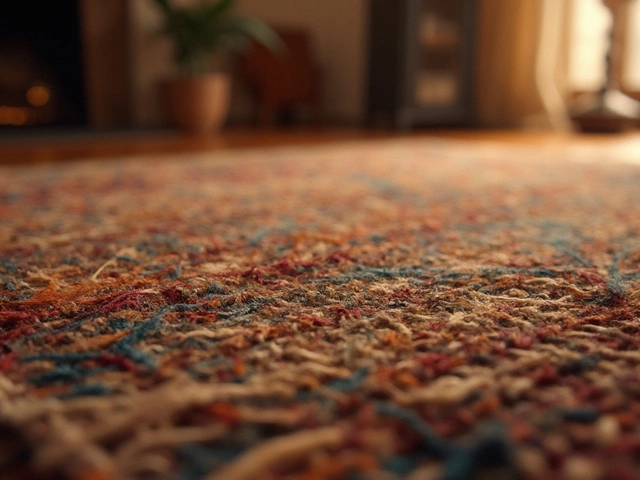
High-grade wool rugs are naturally flame-resistant, hypoallergenic, and excellent at regulating indoor humidity. Unlike synthetics, wool absorbs moisture vapor from the air and releases it when the air is dry. This makes them perfect for our temperate maritime climate. While they lack the mirror-like shine of silk, top-tier wool has a subtle, matte elegance that screams quiet confidence. A densely knotted wool rug with a high KPSI count (over 100) feels dense and substantial, resisting footprints and traffic lanes.
| Material | Visual Appeal | Durability | Maintenance | Best Use Case |
|---|---|---|---|---|
| Pure Silk | High sheen, vibrant colors, light-refractive | Low (fragile, sensitive to moisture) | Professional cleaning only, avoid direct sun | Formal dining, low-traffic bedrooms |
| Silk-Wool Blend | Balanced sheen, detailed highlights | Medium-High (wool base protects silk) | Vacuum regularly, blot spills immediately | Living rooms, entryways |
| Merino Wool | Soft matte finish, rich texture | High (resilient, stain-resistant) | Regular vacuuming, annual professional clean | High-traffic areas, family homes |
| Cashmere | Ultra-soft, subtle luster | Medium (sheds initially, prone to crushing) | Gentle care, avoid heavy furniture | Bedrooms, lounges |
The Soft Touch: Cashmere and Pashmina
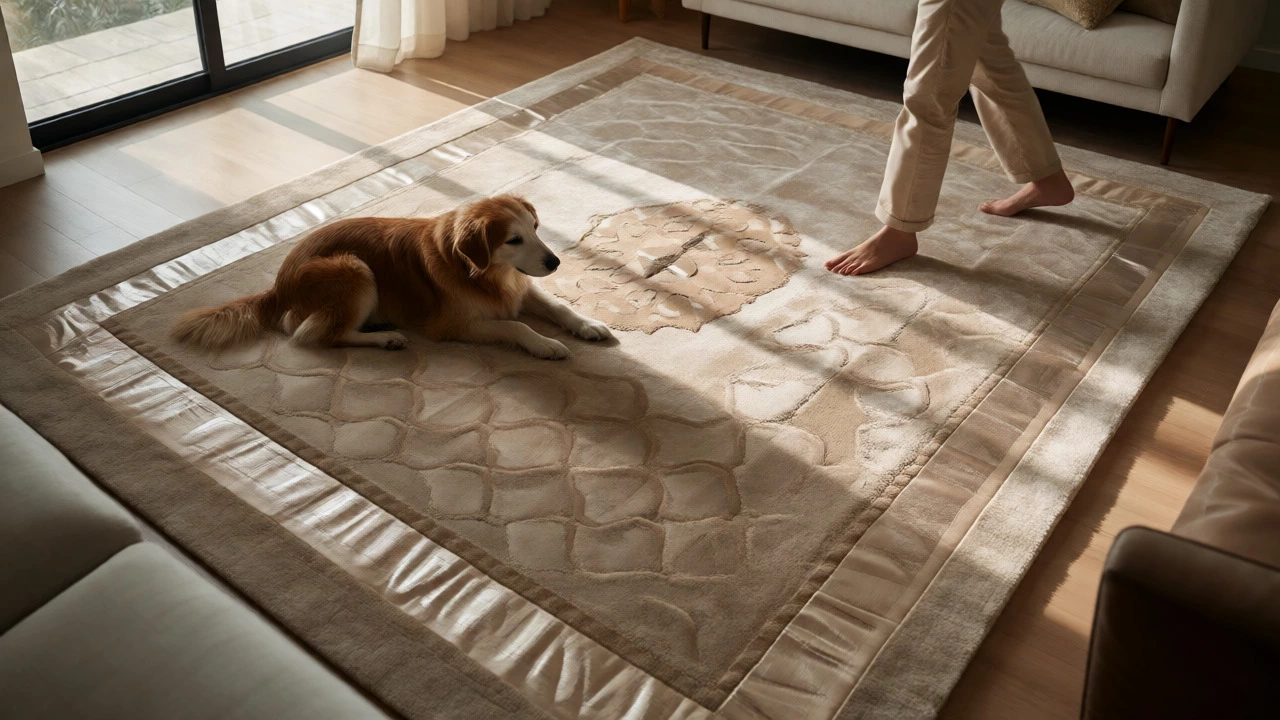
If silk is too shiny and wool feels too scratchy, cashmere enters the chat. Derived from the undercoat of the Himalayan mountain goat, cashmere fibers are exceptionally fine and hollow. This hollowness traps heat, making cashmere rugs warmer than wool of similar weight. They feel cloud-like under bare feet-a sensory experience few other materials can match.
But there is a catch. Cashmere sheds significantly during the first few months of use. This is normal as loose fibers work themselves free, but it surprises many buyers. Furthermore, cashmere lacks the structural memory of wool. If you place a heavy sofa leg on a cashmere rug, it may leave a permanent dent. It also tends to flatten over time in high-traffic zones. Therefore, treat cashmere as a luxury bedroom accessory. Pair it with minimal furniture and enjoy the tactile pleasure of stepping out of bed onto pure softness.
The Exotic Contenders: Bamboo Silk and Viscose
You’ll often see rugs labeled "Bamboo Silk" or "Viscose." Be careful here. These are not true silks. Viscose is a semi-synthetic fiber made from wood pulp. It mimics the sheen of silk beautifully and costs a fraction of the price. However, viscose is notorious for its vulnerability to water. Spill red wine on a viscose rug, and you might be left with a permanent ring or discoloration.
That said, viscose is fantastic for decorative purposes. If you want the glamorous look of a silk rug in a hallway or a guest room that sees little foot traffic, viscose delivers high visual ROI. Just remember: it is not an heirloom piece. It won’t last fifty years like a good wool or silk rug. It’s fashion, not forever.
How to Spot Quality Before You Buy
Luxury isn’t just about the label; it’s about construction. Here is how to verify quality when shopping:
- Knot Density: Flip the rug over. Count the knots in a one-inch square. Higher numbers (100+) indicate finer craftsmanship and more material usage.
- Color Fastness: Rub a white cloth firmly against the rug. If dye transfers, the quality is poor. True luxury dyes are fixed permanently.
- Edge Finishing: Check the selvedges (edges). They should be tight and even. Loose threads suggest rushed weaving.
- Smell Test: Natural fibers should smell faintly of lanolin (wool) or nothing at all. A strong chemical odor indicates cheap dyes or backing adhesives.
Consider the source. Iranian and Turkish workshops still dominate the high-end market due to centuries of accumulated expertise. Indian and Pakistani manufacturers have improved drastically, offering excellent value in blends, but for pure silk antiques, Persia remains the benchmark.
Maintenance Rules for Luxury Fibers
Owning a luxury rug changes your cleaning routine. Forget the steam cleaner. Here are the non-negotiables:
- Vacuum Correctly: Use a suction-only setting. Rotary brushes can pull and tangle silk and cashmere fibers.
- Rotate Quarterly: Sunlight fades dyes unevenly. Rotate your rug every three months to ensure uniform aging.
- Blot, Don’t Rub: On any spill, press a clean cloth down to absorb the liquid. Rubbing pushes the stain deeper into the fiber core.
- Professional Cleaning: Only use specialists experienced with natural fibers. Ask specifically if they handle silk or wool separately.
In Wellington, where damp winters are common, ensure your rug sits on a breathable pad. Trapped moisture can cause mildew in natural fibers, leading to odors and degradation. Lift the rug occasionally to let the subfloor breathe.
Final Thoughts on Investment vs. Decoration
So, what is the most luxurious material? Technically, pure silk holds the crown for beauty and prestige. But practicality dictates otherwise for most homes. A high-knot-density wool rug with silk accents offers the perfect balance of sensory delight and daily usability. It looks expensive, feels amazing, and survives real life.
Think of your rug as the foundation of your room’s mood. Choose the material that aligns with your lifestyle, not just your budget. If you rarely host parties and love barefoot mornings, invest in cashmere or high-end wool. If you entertain formally and want a showstopper, go for silk. Either way, prioritize natural fibers. Synthetics may mimic the look, but they never capture the soul of a hand-knotted masterpiece.
Is silk really better than wool for rugs?
It depends on your definition of "better." Silk is superior in aesthetics, offering unmatched shine and detail resolution. However, wool is better in durability, stain resistance, and thermal regulation. For most living spaces, wool or a silk-wool blend is the practical choice, while pure silk is reserved for low-traffic display areas.
Why do luxury rugs cost so much more?
Cost is driven by labor and material density. A high-quality rug may take months or years to weave by hand. Additionally, luxury materials like silk and fine Merino wool are rare and expensive to harvest. Higher knot counts require more fiber and more skilled hours, directly increasing the price.
Can I put a silk rug in my living room?
You can, but proceed with caution. Silk is delicate and susceptible to abrasion from foot traffic and furniture movement. If your living room is used casually with kids or pets, a silk rug will wear out quickly. Consider a silk-wool blend instead, which offers the visual appeal of silk with the protective structure of wool.
How do I clean a viscose rug?
Viscose is highly sensitive to water. Never use wet shampoo or steam cleaners. Vacuum regularly with a suction-only head. For spills, blot immediately with a dry, white cloth. Professional cleaning is recommended for deep cleans, but always inform the cleaner that the rug is viscose to prevent damage.
Does cashmere shed forever?
No, but it does shed heavily for the first few weeks or months. This is excess fiber working its way out. Regular vacuuming will manage this. Once the initial shedding phase passes, a well-made cashmere rug will stabilize, though it remains softer and more prone to flattening than wool.