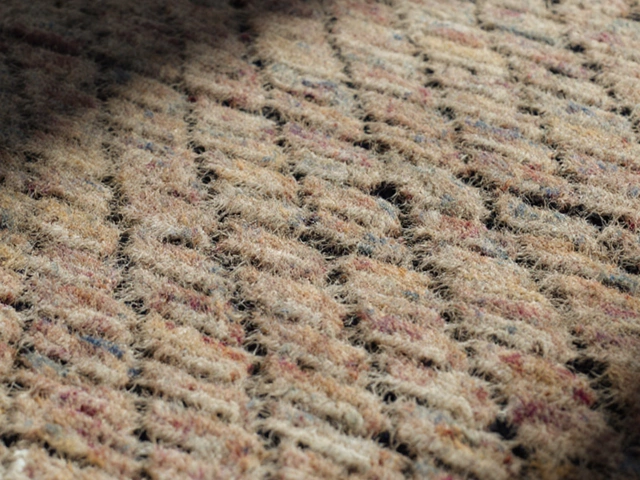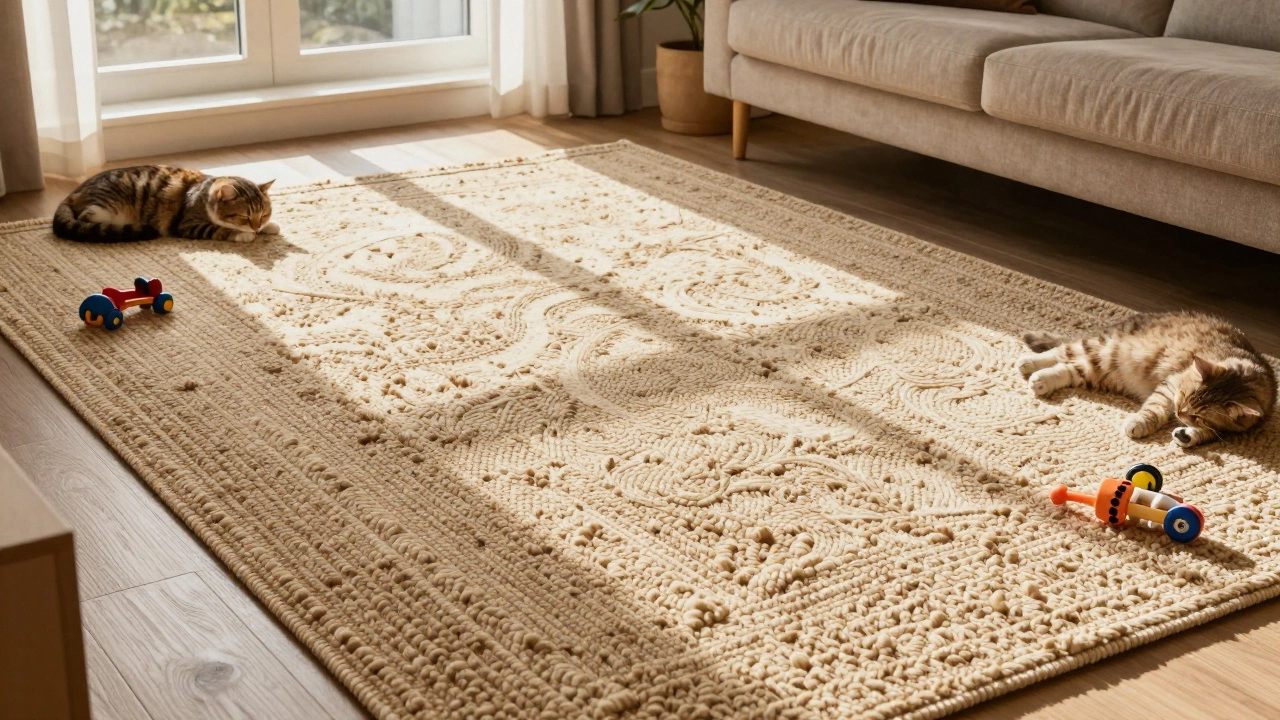
Not all rugs are made the same. A cheap rug might look fine when you first unroll it, but after a year of foot traffic, kids, pets, and vacuuming, it starts to look worn, thin, or even falls apart. If you want a rug that lasts, feels good underfoot, and keeps its color and shape for years, the material matters more than the pattern or price tag. So what’s the best quality material for a rug? It depends on where you’re using it, how much traffic it gets, and what you value most-softness, durability, stain resistance, or natural appeal.
Wool: The Gold Standard for Durability and Comfort
Wool is the most trusted material for high-quality rugs. It’s naturally resilient, meaning it springs back after being crushed by furniture or footsteps. Unlike synthetic fibers that flatten over time, wool fibers have a natural crimp that helps them retain their shape. A well-made wool rug can easily last 20 to 30 years with proper care.
It’s also naturally stain-resistant. Wool fibers have a protective outer layer that repels liquids, giving you time to clean up spills before they soak in. It doesn’t hold onto odors, which makes it ideal for homes with pets or kids. Plus, wool is flame-retardant and doesn’t generate static electricity.
High-end wool rugs often use hand-spun, long-staple wool from New Zealand or Australia. These fibers are stronger and softer than short-staple wool. Look for terms like “New Zealand wool” or “hand-knotted wool” on the label. A dense, hand-knotted wool rug from a reputable brand might cost $500 or more, but it’s an investment that pays off over decades.
Silk: Luxury You Can Feel
If you’re after a rug that feels like a cloud and shines like a painting, silk is unmatched. Silk rugs are often used as decorative pieces in low-traffic areas-dining rooms, bedrooms, or formal living spaces. They’re incredibly soft and have a natural luster that changes with the light, giving them a rich, almost three-dimensional look.
But silk isn’t practical for high-traffic areas. It’s fragile compared to wool or nylon. Spills can leave permanent stains, and heavy foot traffic will cause it to wear down quickly. Silk rugs also require professional cleaning. They’re not something you’d put in a hallway or under a kitchen table.
Real silk rugs are expensive. A small 5x8 silk rug can cost $2,000 or more. Many rugs labeled “silk” are actually made from synthetic fibers like rayon, which mimic the look but lack the durability and natural qualities. Always check the fiber content. If it says “100% silk,” it’s genuine. If it says “viscose” or “rayon,” it’s not silk.
Nylon: The Smart Choice for High-Traffic Homes
Nylon is the most durable synthetic fiber for rugs. It’s used in commercial spaces like hotels and offices because it can handle heavy foot traffic, spills, and frequent cleaning. For homes with kids, pets, or active lifestyles, nylon is often the best practical choice.
Modern nylon fibers are treated to resist stains, fade from sunlight, and hold their shape. Brands like Mohawk and Shaw use advanced nylon blends that are nearly impossible to spot-clean with regular household cleaners. Some nylon rugs even come with built-in antimicrobial treatments to prevent mold and odor.
Compared to wool, nylon is less expensive and easier to clean. You can steam clean it or even power wash it outdoors. It doesn’t shed like wool, and it holds color better over time. The downside? It doesn’t feel as warm or luxurious underfoot. It’s more like walking on a firm carpet than a plush rug.
Polypropylene (Olefin): Budget-Friendly and Easy to Clean
Polypropylene, often called olefin, is the go-to material for outdoor rugs and indoor rugs in basements or mudrooms. It’s water-resistant, fade-resistant, and doesn’t absorb stains. Spill coffee? Wipe it up. Track in mud? Rinse it off. That’s the power of polypropylene.
It’s also the cheapest option. You can find large, thick polypropylene rugs for under $100. But it’s not built to last. Over time, especially in high-traffic areas, the fibers flatten and look worn. It doesn’t have the resilience of wool or nylon. It’s also not as soft, and some people find it a bit plasticky to walk on.
Best use? Garages, patios, kids’ rooms, or anywhere you need a rug that can get dirty and be cleaned easily. Don’t buy polypropylene if you want something that feels premium or lasts more than 3-5 years.

Cotton: Soft, But Not for High Traffic
Cotton rugs are lightweight, breathable, and soft. They’re often used in casual spaces like beach houses, nurseries, or bedrooms. Many cotton rugs are flat-weave, which makes them easy to roll up and store. They’re also machine-washable, which is a huge plus for families.
But cotton doesn’t hold up well under heavy use. It flattens quickly, stains easily, and can shrink if washed in hot water. It’s not water-resistant like polypropylene, and it doesn’t have the spring-back of wool. A cotton rug in a hallway will look worn out in a year.
Use cotton rugs where comfort matters more than durability. A cotton runner in a bedroom or a small round cotton rug under a coffee table in a sunroom? Perfect. A cotton rug in the entryway? Not so much.
Blends: Finding the Right Balance
Many high-quality rugs combine materials to get the best of both worlds. A wool and nylon blend, for example, gives you the softness of wool with the durability of nylon. A wool and silk blend adds luxury without the fragility of pure silk.
One popular blend is 80% wool and 20% nylon. This combination keeps the natural benefits of wool while adding strength and stain resistance. Another common blend is cotton and polyester, which improves durability over pure cotton while keeping it affordable and washable.
Blends are often the smartest choice for families. They offer a middle ground between cost, comfort, and longevity. Always check the fiber percentage on the label. A rug labeled “wool blend” with only 30% wool isn’t the same as one with 70% or more.
What to Avoid
Some materials are marketed as “luxury” but are actually poor performers. Rayon (often sold as “artificial silk”) looks shiny and elegant but fades fast, stains easily, and loses shape. Acrylic is cheap but feels synthetic and sheds over time. Polyester, while better than rayon, still lacks resilience and can look dull after a year.
Also avoid rugs labeled “machine-made” if you’re looking for quality. Hand-knotted rugs, especially in wool or silk, are far more durable and have higher resale value. Machine-made rugs are often glued or stitched, and the backing can deteriorate quickly.
How to Choose Based on Your Needs
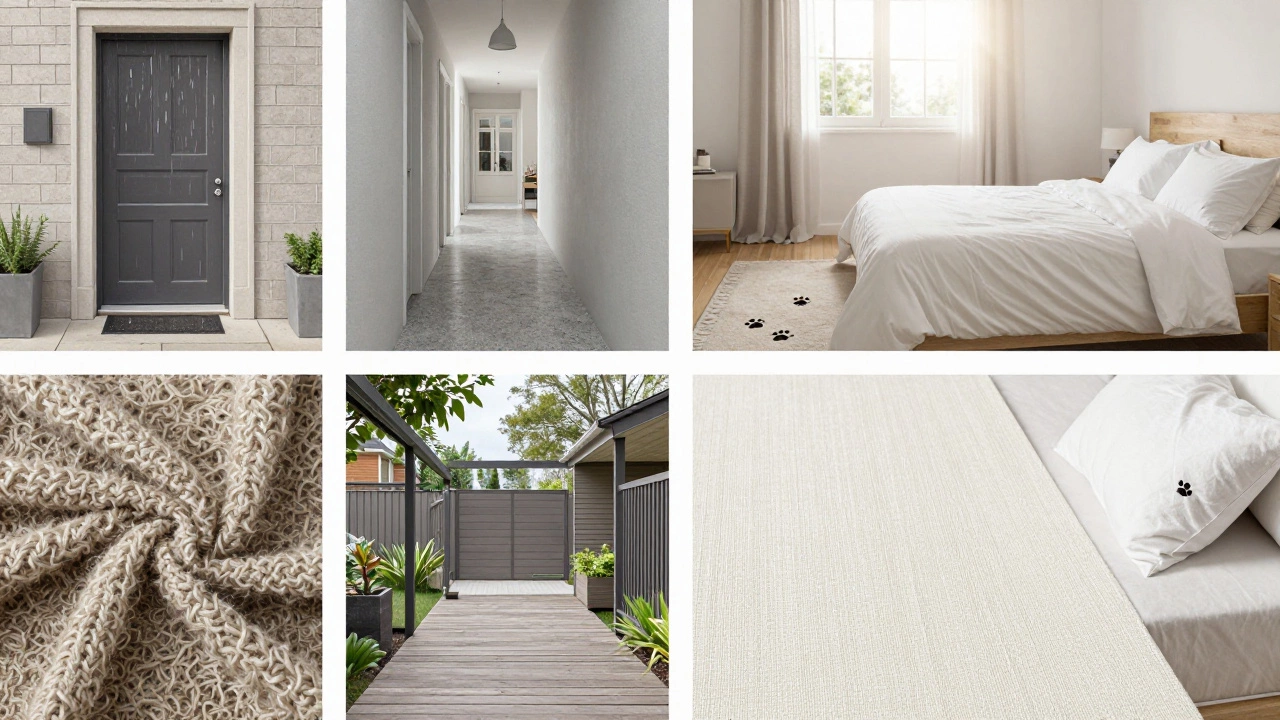
Here’s a quick guide to match material to your lifestyle:
- High traffic, kids, pets → Wool or nylon
- Formal living room, low traffic → Silk or wool-silk blend
- Basement, mudroom, outdoor → Polypropylene
- Bedroom, nursery, light use → Cotton or wool
- Budget-friendly, easy clean → Nylon or wool blend
Don’t just pick the cheapest option. A $200 wool rug will outlast three $80 polypropylene rugs. Think long-term. The right material saves you money, stress, and hassle over time.
Final Tip: Check the Backing and Density
The material isn’t the only thing that matters. A rug’s backing and knot density tell you how well it’s made. A good rug should have a sturdy, woven backing-not just glued-on felt or rubber. Flip it over. If you can see the weave clearly and the backing feels solid, it’s well-made.
For hand-knotted rugs, count the knots per square inch. A rug with 100-200 knots per square inch is good. 200-400 is excellent. Anything below 80 is likely machine-made and low quality.
Test the pile. Rub your hand across the surface. If it feels uneven, thin, or patchy, skip it. A high-quality rug should feel dense and even throughout.
Is wool the best material for a rug?
Wool is widely considered the best overall material for rugs because it’s durable, naturally stain-resistant, soft, and long-lasting. It’s ideal for high-traffic areas and homes with pets or kids. While it’s more expensive upfront, a wool rug can last 20-30 years, making it a smart long-term investment.
Are synthetic rugs better than natural ones?
It depends on your needs. Synthetic rugs like nylon and polypropylene are more stain-resistant, easier to clean, and cheaper. They’re great for active households or outdoor use. Natural fibers like wool and cotton feel better underfoot and are more eco-friendly, but require more care. Nylon strikes the best balance between synthetic durability and natural comfort.
Can I use a silk rug in my living room?
Yes-but only if it’s in a low-traffic area. Silk rugs are delicate and can be damaged by heavy foot traffic, spills, or direct sunlight. Use them as decorative accents in formal living rooms, dining rooms, or bedrooms. Avoid placing them near entryways, under furniture, or in areas where kids or pets play.
How do I know if a rug is hand-knotted?
Flip the rug over. Hand-knotted rugs have a clear, woven backing with visible knots. The design on the front should match the pattern on the back, though slightly less defined. Machine-made rugs often have a glued-on backing and a uniform, repetitive pattern with no knot variation. Look for labels that say “hand-knotted” or “handwoven”-and be wary of rugs priced too low for their size.
How often should I replace my rug?
A high-quality wool or nylon rug can last 15-30 years with proper care. Lower-quality rugs made from polypropylene or cotton may need replacing every 3-7 years, especially in high-traffic areas. Signs it’s time to replace your rug include thinning pile, fraying edges, permanent stains, or a worn-out backing that’s cracking or peeling.
Next Steps: What to Do Now
Start by mapping out your space. Where will the rug go? Is it a busy hallway, a quiet bedroom, or a sunroom with direct sunlight? Then decide what matters most: softness, durability, easy cleaning, or aesthetics.
Visit a local rug store and feel the samples. Ask for the fiber content. Don’t be afraid to ask how long the rug is expected to last. A good retailer will tell you honestly.
And remember: the best quality material isn’t always the most expensive. It’s the one that fits your life.