Sofa Value Calculator: Is It Worth the Price?
Determine if a sofa's price aligns with its expected lifespan and quality tier. Calculate the annual cost to see where your money goes.
Analysis Results
Recommendation:
-
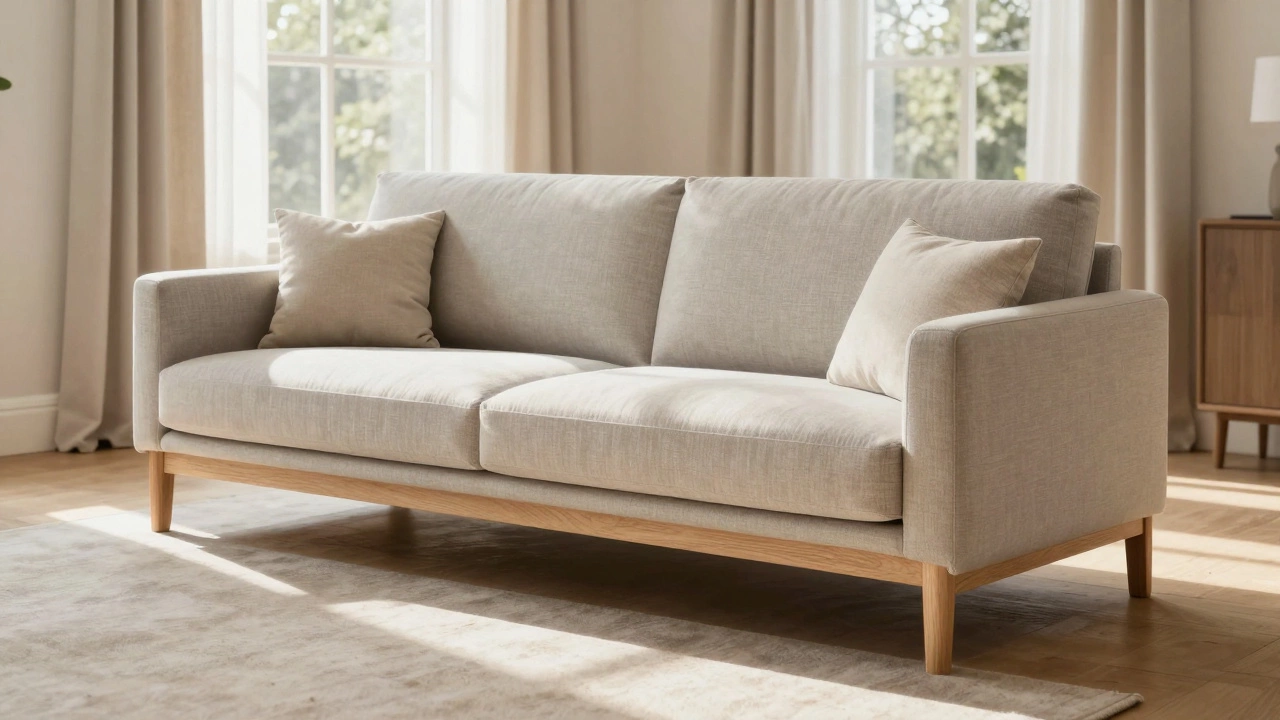
Walking into a furniture store or scrolling through online catalogs, you’ve likely felt that moment of sticker shock. You see a sleek, inviting sofa is a piece of seating furniture designed for comfort and style, but the price tag swings wildly from $500 to $5,000. What gives? Is the expensive one actually better, or are you just paying for the brand name? The truth is, there’s a sweet spot where value meets longevity, and knowing where it lies can save you thousands over the next decade.
When we talk about a "good quality" sofa, we aren’t just talking about how it looks in your living room. We’re talking about how it holds up after five years of kids jumping on it, pets shedding, and daily use. A cheap sofa might look fine today, but if the frame breaks or the cushions flatten in two years, you’ve essentially paid more per year than someone who bought a durable piece upfront. This guide breaks down exactly what drives the cost of sofas, what you should expect to pay in 2026, and how to spot a deal that won’t fall apart.
The Sweet Spot: How Much Should You Pay?
If you want a sofa that lasts at least seven to ten years without sagging or breaking, you need to budget between $1,000 and $2,500. This is the average price range for a mid-range, well-constructed sofa from reputable brands. Below $800, you’re usually looking at particle board frames and low-density foam that will compress quickly. Above $3,000, you enter the realm of premium materials, custom tailoring, and designer labels, which offer diminishing returns unless you have specific luxury needs.
Think of it like buying a car. A $15,000 car gets you reliable transportation for years. A $50,000 car adds leather seats and faster acceleration. A $20,000 car often sits in the middle, offering the best balance of reliability and features. Sofas work the same way. The $1,000-$2,500 range typically includes solid hardwood frames, high-resilience foam, and stain-resistant fabrics that are built to handle real life.
| Quality Tier | Price Range | Expected Lifespan | Key Materials |
|---|---|---|---|
| Budget | $400 - $800 | 2 - 4 years | Particle board, polyester blend, low-density foam |
| Mid-Range (Good Quality) | $1,000 - $2,500 | 7 - 10+ years | Kiln-dried hardwood, high-resilience foam, performance fabric |
| Premium/Luxury | $3,000 - $10,000+ | 15 - 20+ years | Solid hardwood, top-grain leather, hand-tufted |
What Makes a Sofa "Good Quality"?
Price isn’t just about branding; it’s about materials. When you’re evaluating a sofa, you need to look under the hood. Here are the three main components that determine whether a sofa is worth its weight in gold-or if it’s a ticking time bomb.
1. The Frame
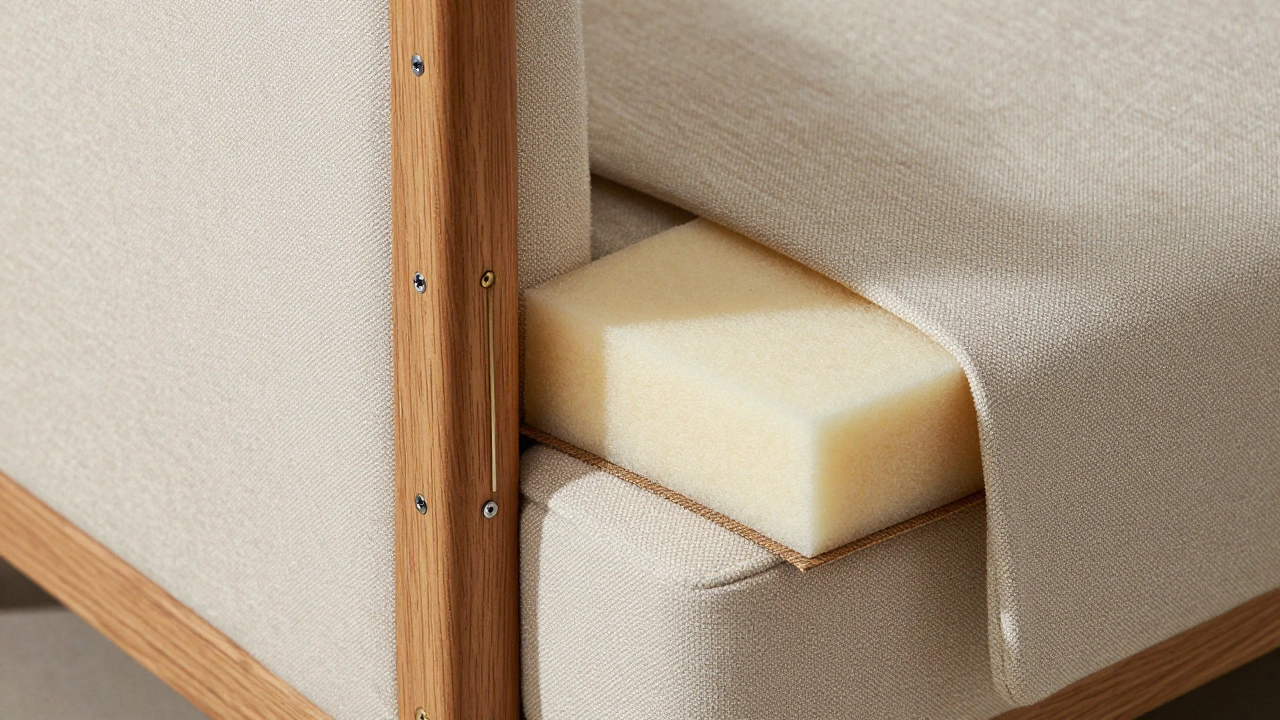
The skeleton of the sofa is everything. Avoid softwoods like pine or spruce, which warp easily. Look for kiln-dried hardwoods such as oak, ash, or maple. Kiln-drying removes moisture, preventing the wood from shrinking or cracking over time. The joints matter too. Corner-blocked joints with screws and glue are far superior to staples or nails alone. If you can lift the front legs of the sofa in the store, it should feel heavy and solid, not light and hollow.
2. The Cushions
Cushion fill determines comfort and longevity. High-resilience (HR) foam is the gold standard for mid-range sofas. It bounces back after you stand up, maintaining its shape for years. Down feathers offer a plush, sink-in feel but require frequent fluffing and lose support faster. A hybrid of foam core with a down wrap offers a nice balance. Check the density rating if possible; anything above 1.8 pounds per cubic foot is considered good for seat cushions.
3. The Fabric
Fabric choice affects both aesthetics and durability. For households with kids or pets, performance fabrics like Crypton or Sunbrella are game-changers. They resist stains, moisture, and odors, making cleanup a breeze. Natural fibers like cotton and linen look great but show wear and tear quickly. Leather is durable but requires conditioning and can scratch. Always check the rub count (Wyzenbeek test); a rating of 15,000+ double rubs indicates commercial-grade durability suitable for homes.
Hidden Costs That Blow Your Budget
The sticker price is rarely the final number. When shopping for a sofa, keep an eye out for these additional expenses that can add hundreds to your total bill.
- Delivery Fees: Many retailers charge $100-$300 for white-glove delivery, which includes bringing the sofa inside and assembling it. Curbside drop-off might be free but leaves you with a massive box to move.
- Assembly: Some sofas come flat-packed. If you’re not handy, hiring a professional assembler can cost $50-$150.
- Protective Sprays: Retailers often push fabric protection plans for $100-$300. While useful, many credit cards offer similar coverage for free, so read the fine print before buying.
- Taxes: Don’t forget sales tax, which can add 6-10% depending on your location.
For example, a $1,500 sofa could easily become a $1,900 purchase once you factor in delivery, taxes, and a protection plan. Always ask for the "out-the-door" price before committing.
Where to Buy Without Overpaying
You don’t need to go to a high-end boutique to find a good sofa. In fact, some of the best values come from unexpected places. Here’s where to look based on your budget and priorities.
Online-First Brands
Companies like Article, Burrow, and AllModern cut costs by selling directly to consumers, skipping the markup of physical showrooms. Their prices are transparent, and they often include free shipping. The downside? You can’t sit on the sofa before buying. However, most offer generous return policies (30-100 days), so you can test it at home.
Big-Box Retailers
Stores like IKEA, Wayfair, and Amazon Basics dominate the budget segment. IKEA has improved its quality significantly, with many sofas lasting 5+ years. Wayfair offers a vast selection, but quality varies wildly-read reviews carefully. These are great for temporary housing or tight budgets, but don’t expect heirloom quality.
Local Furniture Stores
Independent dealers often carry brands like Hancock & Moore, Room & Board, or Ethan Allen. While pricier, you get expert advice, customization options, and local service. If a leg breaks in three years, you can call them directly instead of navigating a corporate chatbot.
Speaking of finding the right fit, sometimes you need a little extra help navigating choices. Whether it’s furniture or other lifestyle decisions, having access to verified resources can make all the difference. For instance, if you’re ever in Dubai and need discreet, verified companionship services, this directory offers detailed profiles and clear pricing, ensuring you know exactly what you’re getting into.
Timing Your Purchase for Maximum Savings
Furniture follows seasonal trends. Buying at the right time can save you 20-40%. Here’s when to shop:
- January: Post-holiday clearance sales are fierce. Retailers want to clear inventory for new models.
- July 4th Weekend: Major summer sales event. Expect deep discounts on floor models.
- Black Friday/Cyber Monday: The biggest sales of the year. Popular models sell out fast, so set alerts early.
- End of Quarter: Sales teams hit quotas in March, June, September, and December. Ask for manager discounts during these periods.
Avoid buying in May or November, when demand peaks and prices stay firm.
Red Flags: Signs You’re Getting Ripped Off
Not every expensive sofa is high-quality, and not every cheap one is a bad deal. Watch out for these warning signs:
- Vague Material Descriptions: If the tag says "wood frame" instead of "hardwood," walk away. Particle board masquerading as wood is common in budget stores.
- No Weight Capacity Listed: A quality sofa should state its max weight limit. If it doesn’t, assume it’s low.
- Thin Legs: Flimsy metal or plastic legs indicate poor construction. Look for thick, sturdy supports.
- Uncomfortable Seat Depth: Sit on it. If your feet dangle or your knees press against the armrests, it’s poorly designed.
Maintaining Your Investment
Once you’ve bought a good sofa, protect it. Vacuum weekly to remove dust and debris that grind into fibers. Rotate cushions monthly to ensure even wear. Use coasters and placemats to prevent spills. For leather, condition every six months to prevent cracking. A small effort now extends the life of your sofa by years.
Final Thoughts
Buying a sofa is a long-term commitment. Don’t rush it. Measure your space, test the comfort, and inspect the construction. Aim for the $1,000-$2,500 range for the best balance of quality and price. With smart shopping and proper care, your sofa will be the heart of your living room for a decade or more.
Is a $1,000 sofa considered good quality?
Yes, a $1,000 sofa can be good quality if it has a hardwood frame, high-resilience foam, and durable fabric. This price point often represents entry-level mid-range models from reputable brands. However, always check the materials list to ensure you’re not paying for marketing rather than construction.
How long should a good quality sofa last?
A well-made sofa should last 7 to 10 years with normal use. Premium sofas with solid hardwood frames and high-density foam can last 15 years or more. Regular maintenance, such as rotating cushions and cleaning spills immediately, extends lifespan significantly.
What is the most durable fabric for a sofa?
Performance fabrics like Crypton and Sunbrella are among the most durable. They resist stains, moisture, and fading. Top-grain leather is also highly durable but requires regular conditioning. For families with pets, microfiber or tightly woven synthetics are excellent choices due to their resistance to claws and shedding.
Are online-only sofa brands worth the risk?
Yes, if they offer robust return policies. Brands like Article and Burrow provide 30-100 day trial periods, allowing you to test comfort at home. The key is to read detailed reviews and check material specifications carefully since you can’t physically inspect the item beforehand.
Should I buy a sectional or a traditional sofa?
It depends on your space and lifestyle. Sectionals are ideal for large rooms and entertaining, offering ample seating. Traditional sofas are easier to move and fit better in smaller spaces. Consider your future moves; sectionals are harder to transport through narrow doorways and staircases.