Thin Bedding Layer Finder
Tell Us About Your Sleep Environment
Why This Works For You:
Care Tips for This Item
Sizing Guide
| Mattress | Recommended Size |
|---|---|
| Twin | 38 x 75 in |
| Full | 54 x 75 in |
| Queen | 60 x 80 in |
| King | 76 x 80 in |
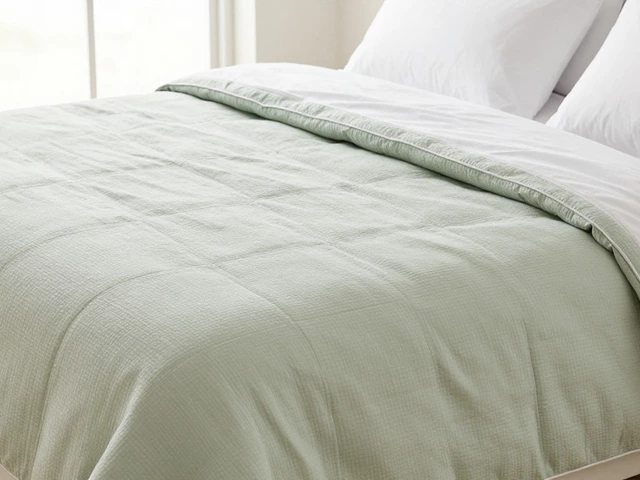
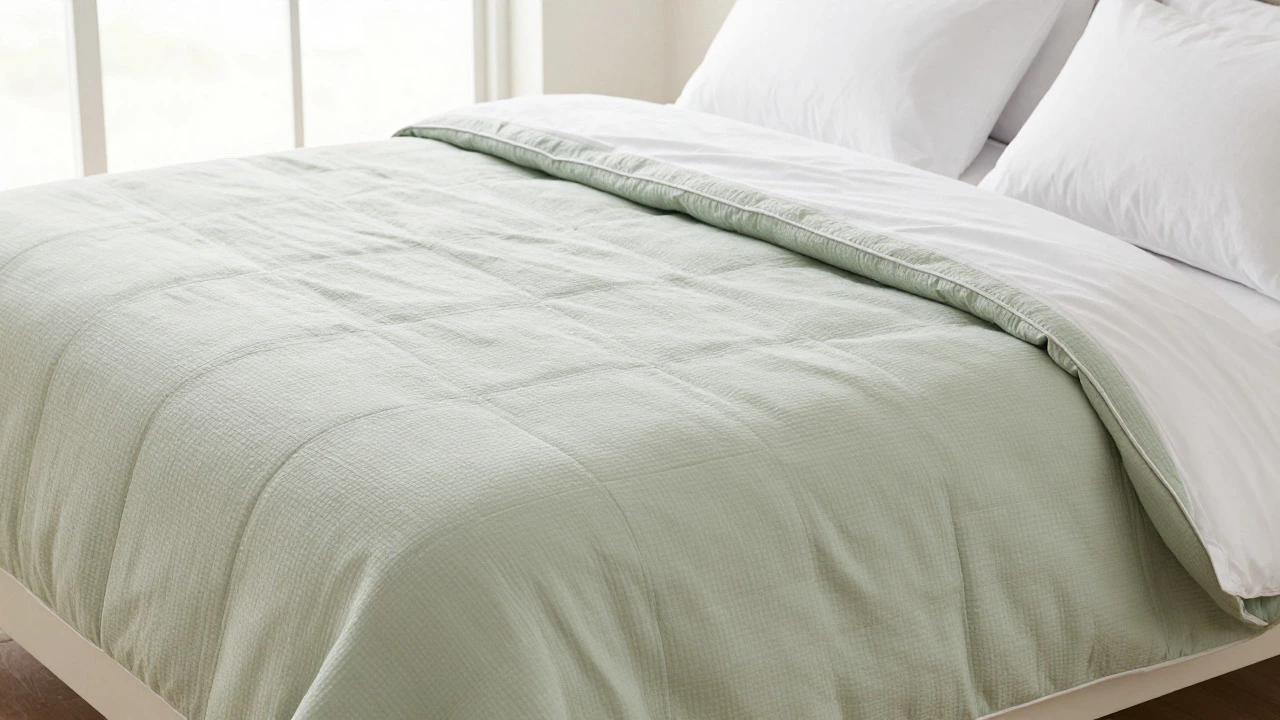
Ever stared at a crisp, lightweight layer on a bed and wondered what it’s actually called? You’re not alone. The term thin bedspread is a bit of a misnomer in the world of home textiles, because most people are really asking about one of three specific items: a quilt, a light comforter, or a decorative throw. Getting this right matters more than just vocabulary-it affects how you shop, how you layer your bed for different seasons, and whether that piece will actually keep you comfortable without overheating.
In this guide, we’ll clear up the confusion once and for all. We’ll break down exactly what each type of thin bedding layer is, when to use it, and how to choose the right one for your climate and personal sleep style. No fluff, no jargon-just practical answers to help you build a bed that looks good and feels even better.
Quick Summary: What Is a Thin Bedspread?
- Quilt: A flat, stitched-together textile with light batting (filling) inside. Best for year-round use or mild climates.
- Light Comforter: A thicker, sewn-in fill (usually synthetic or down) that offers warmth without bulk. Ideal for cool nights.
- Duvet Insert + Cover: A removable filling paired with a washable cover. Offers maximum versatility and easy cleaning.
- Throw/Blanket: A smaller, decorative layer used for styling or extra warmth on the feet. Not a full bed covering.
The Three Main Types of Thin Bedding Layers
When people say “thin bedspread,” they’re usually referring to one of these three core items. Each serves a slightly different purpose, so understanding their differences helps you pick the right one for your needs.
1. Quilts: The Flat, Sturdy Option
A quilt is a flat textile made from two layers of fabric with a thin layer of batting sandwiched between them, held together by stitching patterns. Unlike a thick comforter, a quilt has minimal fill, which makes it lightweight and breathable. The stitching isn’t just decorative-it keeps the batting in place so it doesn’t shift or clump over time.
Quilts come in various weights, but the standard “light” quilt typically weighs between 1-2 pounds. They’re perfect for spring, fall, or warm summer nights when you want coverage without heat. Because they’re flat, they also drape neatly over the mattress and look crisp when folded back. If you live in a temperate climate like Wellington, New Zealand, where temperatures swing between mild winters and warm summers, a quality cotton or linen-blend quilt is often the go-to choice.
2. Light Comforters: Warmth Without the Bulk
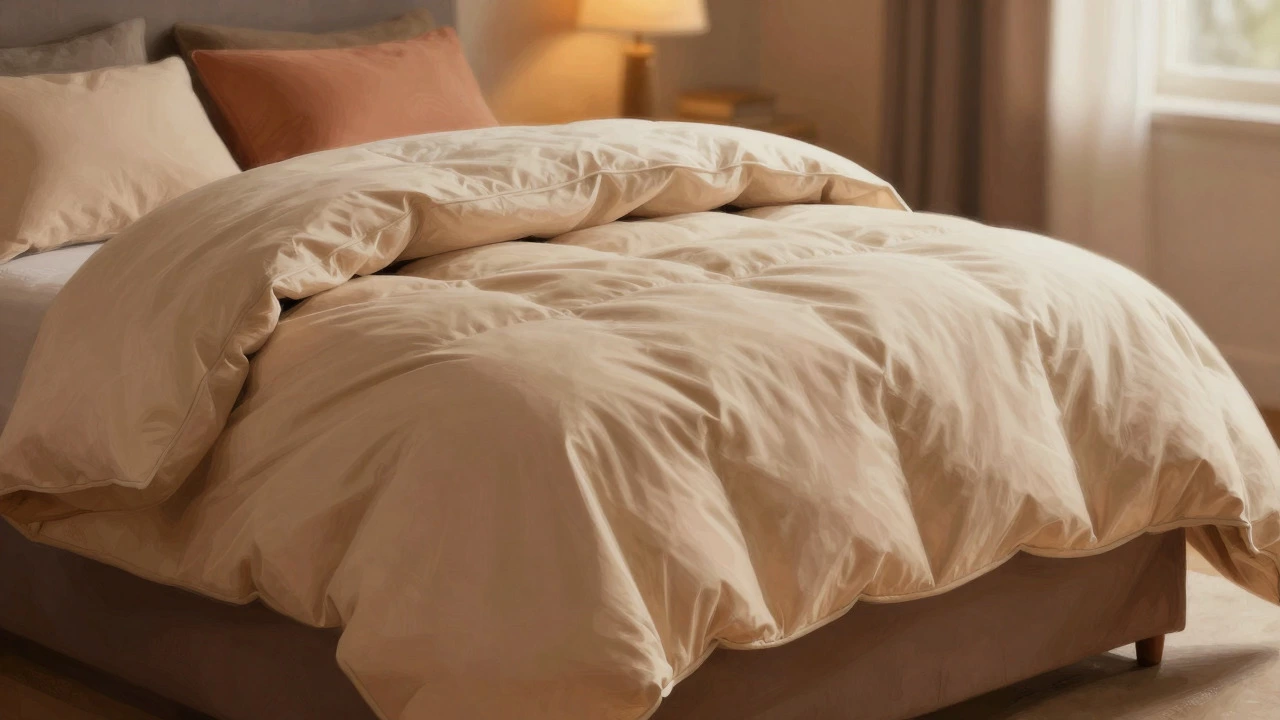
A light comforter is a sewn-in bedding item filled with synthetic fibers or natural down/down alternative, designed to provide moderate warmth while remaining relatively thin. Think of it as a middle ground between a quilt and a heavy winter duvet. The fill is distributed evenly throughout the shell, creating a soft, puffy texture that traps body heat without feeling suffocating.
Most light comforters have a fill power rating (if down) or GSM (grams per square meter) rating for synthetics. For reference, a light comforter typically has a GSM of 100-150, compared to 200+ for a mid-weight or 300+ for a heavy winter option. These are ideal for cooler months when you don’t need a full heating system under your covers but still want some insulation. Many people use a light comforter as their primary layer in autumn and early winter, then swap it out for something heavier as temperatures drop further.
3. Duvets: The Versatile Two-Piece System
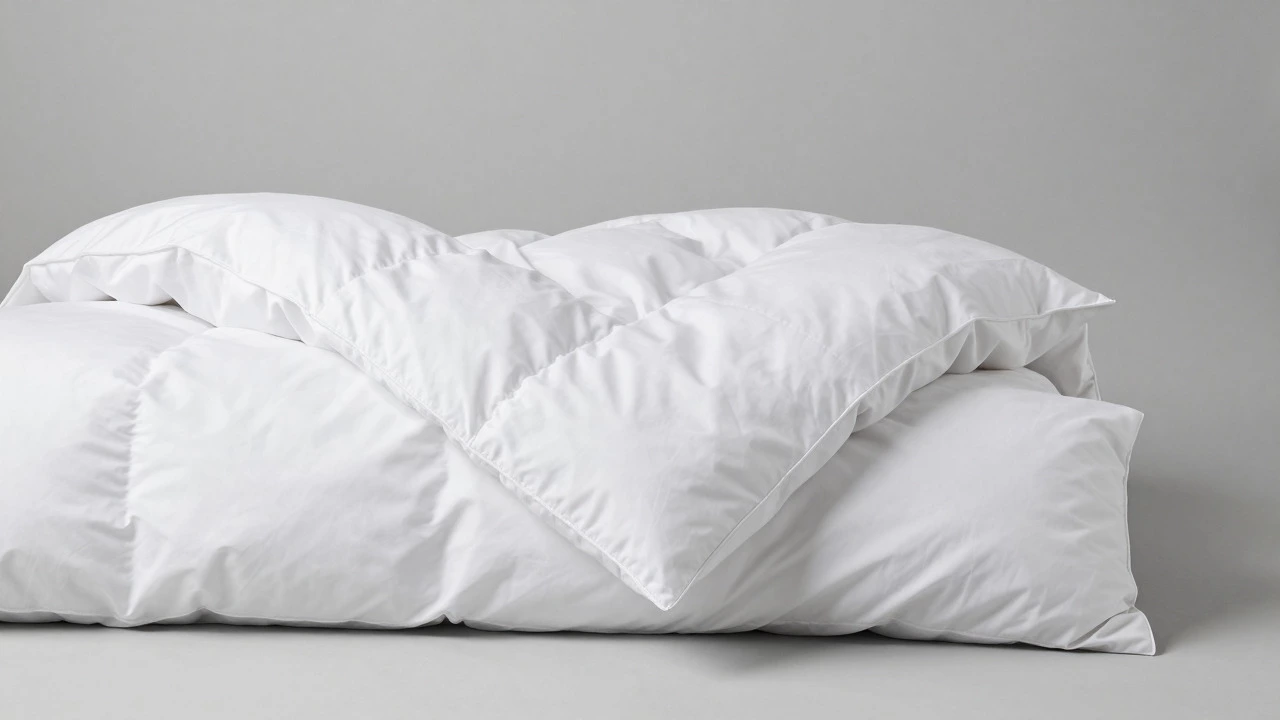
A duvet is a large, flat bag filled with down, feathers, or synthetic fiber, designed to be inserted into a removable, washable cover. This two-piece setup is popular because it separates function (warmth) from aesthetics (style). You can buy a single duvet insert and multiple covers in different fabrics and colors, letting you change your bedroom’s look without buying new bedding every season.
Duvets are measured by tog ratings in many countries, including New Zealand and the UK. A tog of 4.5-7.5 is considered light to medium weight, suitable for spring, summer, or mild winters. Higher togs (9-13) are for colder climates. The beauty of the duvet system is its modularity: you can layer a light duvet with a quilt or throw for extra warmth, or use just the duvet alone for a clean, minimalist look.
How to Choose the Right Thin Bedding Layer for Your Climate
Your location plays a huge role in what kind of thin bedding you’ll actually use. Let’s break it down by climate zone:
| Climate Type | Best Thin Bedding Option | Why It Works | Example Regions |
|---|---|---|---|
| Mild/Temperate | Cotton or Linen Quilt | Breathable, lightweight, and easy to care for. Handles temperature swings well. | Wellington, NZ; San Francisco, US; Lisbon, Portugal |
| Warm Summers/Cool Winters | Light Comforter (GSM 100-150) | Provides enough warmth for cooler nights without overheating in milder weather. | Sydney, AU; Los Angeles, US; Melbourne, AU |
| Four Distinct Seasons | Duvet Insert + Multiple Covers | Versatile system lets you adjust warmth levels and refresh your look seasonally. | New York, US; London, UK; Vancouver, CA |
| Tropical/Humid | Unlined Cotton Quilt or Muslin Throw | Maximizes airflow and wicks moisture away from the body. | Singapore; Miami, US; Bali, Indonesia |
If you’re unsure where you fit, start with a mid-weight quilt or light comforter. You can always add a thin fleece blanket underneath for extra warmth or remove layers if you run hot. The key is flexibility-your bedding should adapt to your body, not the other way around.
Material Matters: Fabric and Fill Options
The material of your thin bedding layer affects everything from breathability to durability. Here’s a quick rundown of common options:
- Cotton: Breathable, hypoallergenic, and easy to wash. Great for all-season use. Look for long-staple cotton for softer feel and longer lifespan.
- Linen: Naturally cooling and moisture-wicking. Gets softer with each wash. Ideal for hot sleepers or humid climates.
- Percale Cotton: Crisp, cool finish. Popular in hotels. Good for those who prefer a snappy, smooth feel.
- Sateen Cotton: Silky-smooth and lustrous. Slightly warmer than percale. Aesthetic appeal over pure functionality.
- Down/Down Alternative Fill: Down offers superior loft and warmth-to-weight ratio. Down alternatives (polyester) are hypoallergenic and easier to care for but may clump over time.
- Synthetic Fiber Fill: Affordable and durable. Best for budget-friendly options or households with allergies.
For a thin bedspread specifically, prioritize breathable fabrics like cotton or linen. Heavy synthetic shells can trap heat, defeating the purpose of a lightweight layer. Also, check the fill weight-if it’s too high, it won’t feel “thin” anymore. Aim for fills under 150 GSM for true lightweight performance.
Layering Tips: How to Use Thin Bedding Effectively
Thin bedding shines when layered correctly. Here are some proven combinations for different scenarios:
- Summer Nights: Use a unlined cotton quilt or muslin throw alone. Add a pillowcase over the top if you prefer extra softness.
- Spring/Fall Transitions: Pair a light comforter with a thin wool or cashmere throw at the foot of the bed. Adjust the throw based on how cold your feet get.
- Mild Winter Nights: Use a medium-weight duvet (tog 7.5-9) with a cotton sheet set. Add a fleece blanket underneath if needed.
- Guest Room Setup: Go with a versatile duvet insert and two covers-one neutral for everyday use, one patterned for seasonal flair. Keeps maintenance simple and looks intentional.
Pro tip: Always match your thin bedding layer to your sheet set’s thread count and weave. A high-thread-count sateen sheet paired with a crisp percale quilt creates a balanced, hotel-like aesthetic. Mixing overly smooth and textured fabrics can look chaotic unless done deliberately.
Care and Maintenance: Keeping Your Thin Bedding Fresh
Thin bedding layers tend to show wear faster than heavy items because they’re used more frequently. Follow these care guidelines to extend their life:
- Wash Frequency: Wash quilts and light comforters every 2-3 months, or more often if you sweat heavily. Duvet inserts can go 6-12 months between washes if covered.
- Drying: Tumble dry low with tennis balls or dryer balls to restore loft and prevent clumping. Air dry if possible to preserve fiber integrity.
- Storage: Store in breathable cotton bags, not plastic. Avoid compressing for long periods, especially for down-filled items.
- Rotation: If you have multiple thin layers, rotate them seasonally to reduce wear on any single item.
Check labels carefully-some linens require cold water washing or gentle cycles. Skipping this step can lead to shrinking, fading, or fabric damage. When in doubt, treat your thin bedding like you would a favorite shirt: gently and consistently.
Frequently Asked Questions
Is a quilt the same as a thin comforter?
No. A quilt is flat with minimal batting, while a light comforter has a sewn-in fill that provides more loft and warmth. Quilts are lighter and better for warm weather; light comforters offer more insulation for cooler nights.
What is the best thin bedding for hot sleepers?
Linen or unlined cotton quilts are ideal for hot sleepers. They breathe well, wick moisture, and stay cool against the skin. Avoid synthetic fills or heavy shells that trap heat.
Can I use a duvet as a thin bedspread?
Yes, if you choose a low-tog duvet insert (4.5-7.5) and pair it with a lightweight cover. This combination works well in mild climates and offers easy cleaning and style flexibility.
How do I know if my thin bedding is too warm?
If you wake up sweating or feel overheated within 10 minutes of lying down, your bedding is likely too warm. Try switching to a lower-GSM comforter, a thinner quilt, or removing a layer entirely.
What size thin bedspread should I buy?
Match the size to your mattress: Twin (38x75 inches), Full (54x75 inches), Queen (60x80 inches), King (76x80 inches). For draping over the sides, add 10-15 inches to the width and length.