Pasta Server Selector
Select your options and click "Find Best Tool"
Tool Name
Reasoning goes here...
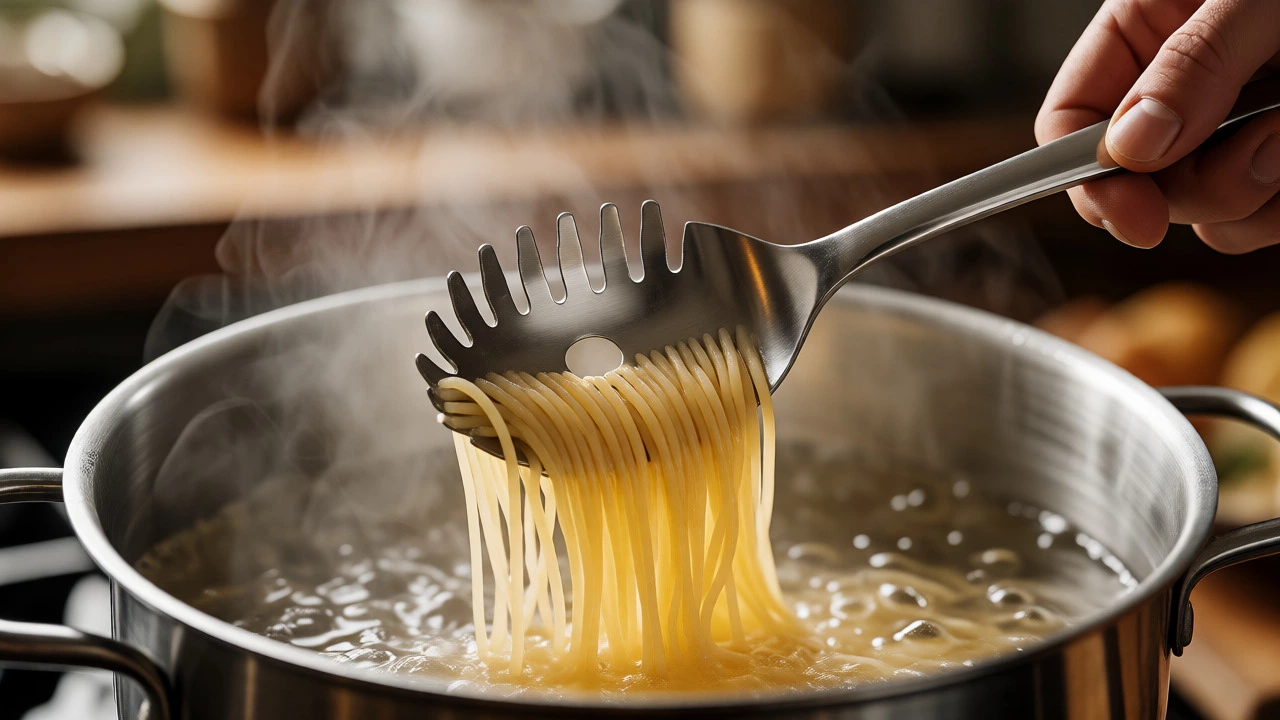
You’re standing in your kitchen, staring at that weird spoon with the hole in the middle. You know it’s for pasta, but what do you actually call it? Most people just say "the spaghetti thing," but there are proper names for this tool. It’s not just one item; it’s a family of pasta servers designed to grab noodles without draining all the sauce.
The confusion usually starts because different regions and brands use different terms. In New Zealand, where I live, we often just call it a slotted spoon or a pasta fork. But if you’re shopping online or reading an American cookbook, you might see "spaghetti ladle" or "pasta scoop." Let’s clear up the naming mess so you never have to guess again when buying kitchen gear.
The Real Name: Pasta Server vs. Spaghetti Ladle
Technically, a spaghetti ladle isn’t quite right. A ladle is a deep bowl used for soups and stews. What you’re holding is likely a pasta server, also known as a pasta spoon or spaghetti spoon. These tools have slots or holes to let water drain while keeping the pasta in.
Why the mix-up? Because early versions looked like shallow ladles with holes. Today, most modern designs look more like forks or tongs. If you search for "spaghetti ladle," you’ll mostly find old-fashioned perforated spoons. For better results, search for "pasta server" or "pasta fork."
Types of Pasta Servers Explained
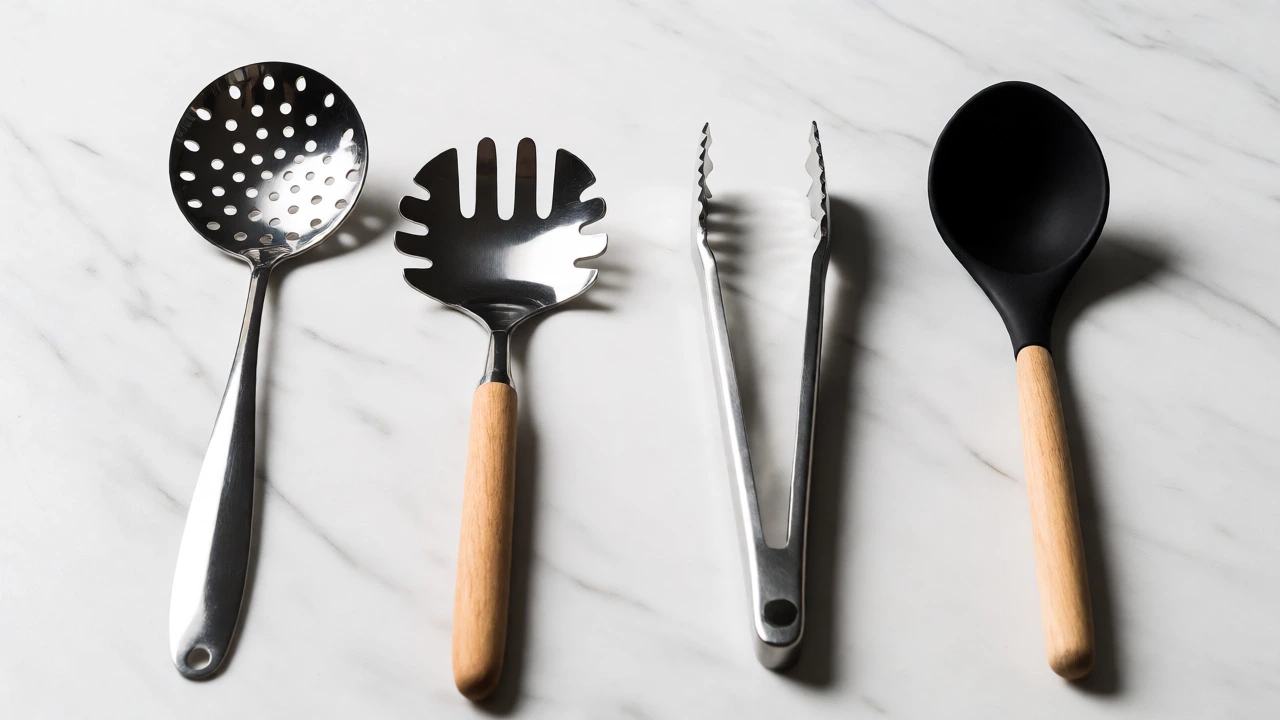
Not all pasta servers are created equal. The shape matters depending on what you cook. Here’s a breakdown of the main types you’ll encounter:
| Type | Best For | Key Feature |
|---|---|---|
| Spaghetti Spoon | Long strands (Spaghetti, Linguine) | Bowl-shaped head with a central hole and teeth-like prongs |
| Pasta Fork | All pasta types | Wide tines with slots between them |
| Slotted Spoon | Short pasta (Penne, Macaroni) | Large surface area with many small holes |
| Pasta Tongs | Heavy sauces, long noodles | Gripping action, no scooping needed |
How to Use Each Tool Correctly
Using the wrong tool can break your pasta or leave you with watery sauce. Here’s how to handle each type:
- Spaghetti Spoon: Dip the bowl into the pot. Twist the spoon gently to wind the noodles around the central hole. Lift slowly to let water drain through the slots.
- Pasta Fork: Insert the tines deep into the pot. Scrape along the bottom to gather pasta, then lift. The slots let water escape quickly.
- Slotted Spoon: Best for short shapes. Scoop a large batch, shake lightly over the pot to remove excess water, then transfer to the pan.
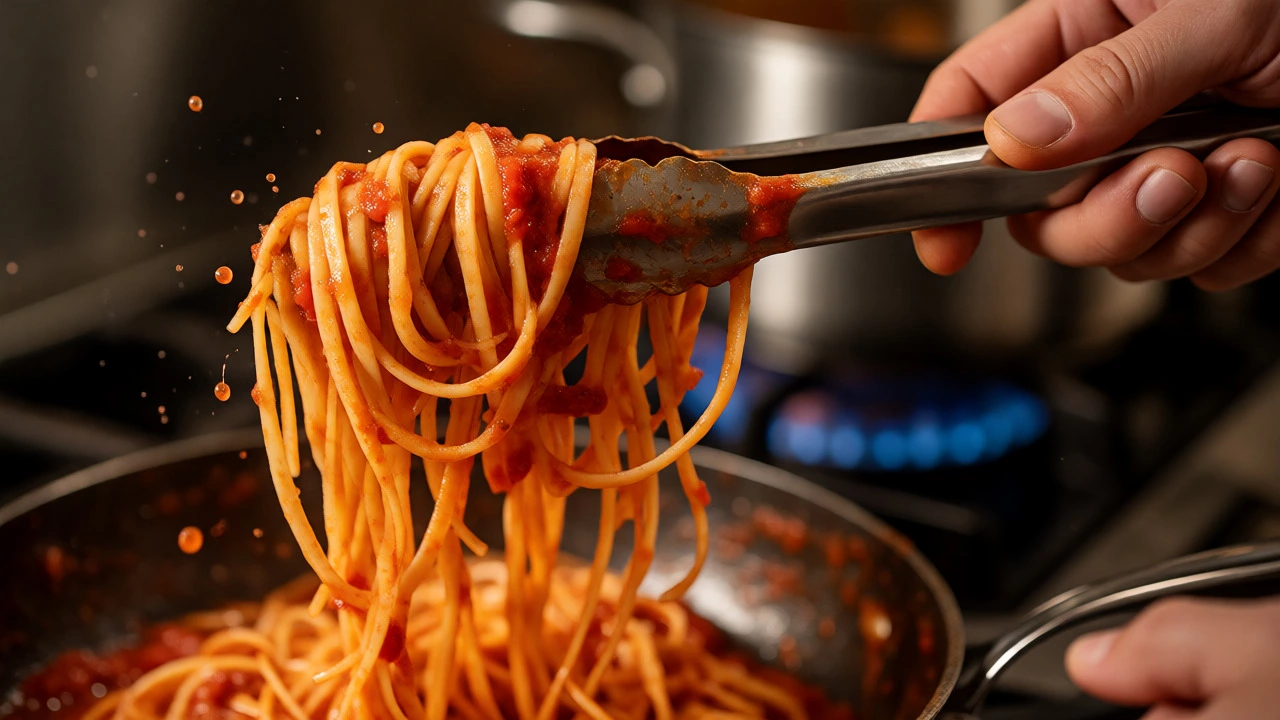
- Pasta Tongs: Grab bundles of noodles directly. This is the fastest method for thick sauces because you don’t lose pasta in the process.
Pro tip: Never rinse pasta after cooking unless you’re making a cold salad. Rinsing washes away the starch that helps sauce stick. Your pasta server should help you transfer pasta directly from water to sauce, preserving that sticky goodness.
Materials Matter: Metal vs. Silicone vs. Wood
The material affects durability and safety. Stainless steel is the gold standard for professional kitchens. It doesn’t rust, withstands high heat, and lasts forever. However, metal can scratch non-stick pots. If you use coated pans, opt for silicone or nylon heads.
Silicone pasta servers are heat-resistant up to 230°C (450°F) and won’t damage coatings. They’re flexible, which makes gripping slippery noodles easier. Wooden servers are traditional but require hand-washing and oiling to prevent cracking. Avoid plastic if you cook frequently-it melts near hot stove edges and stains easily.
Common Mistakes When Choosing a Pasta Server
People often buy the wrong size. A tiny slotted spoon struggles with a big pot of fettuccine. Look for a head diameter of at least 8-10 cm (3-4 inches) for standard pots. Also, check the handle length. Short handles get too close to boiling water splashes. Long handles keep your hands safe.
Another mistake: ignoring the slot pattern. Too few holes mean soggy pasta. Too many weakens the structure. Balanced spacing ensures fast drainage without letting small pasta fall through. For penne or fusilli, choose smaller holes. For spaghetti, larger gaps work fine since strands stay tangled together.
Caring for Your Pasta Server
Most stainless steel servers are dishwasher-safe. Silicone ones too. But wooden handles need care. Hand-wash them immediately after use. Don’t soak wood in water-it swells and cracks. Dry thoroughly before storing.
If your metal server develops stubborn starch buildup, boil it in water with a splash of vinegar for five minutes. Scrub gently with baking soda paste. This restores shine and removes gunk without scratching.
Is a spaghetti ladle the same as a slotted spoon?
Not exactly. A slotted spoon has a flat or slightly curved bowl with holes, ideal for short pasta. A spaghetti ladle (or spoon) has a deeper bowl with a central hole and prongs, designed specifically for winding long strands like spaghetti. While both drain water, their shapes serve different pasta types.
Can I use tongs instead of a pasta server?
Yes, especially for long noodles. Tongs grip pasta securely and drain water efficiently. They’re great for thick sauces where you want every strand coated. However, tongs struggle with short pasta like macaroni, which slips through the tines. Keep a slotted spoon handy for those cases.
What is the best material for a pasta server?
Stainless steel is the most durable and hygienic option, lasting decades. Silicone is best if you use non-stick pots, as it won’t scratch surfaces. Wood offers aesthetic appeal but requires more maintenance. Choose based on your cookware type and cleaning preferences.
Why does my pasta taste watery even after using a ladle?
You might be transferring too much water. Shake your pasta server vigorously over the pot before moving pasta to the pan. Alternatively, reserve some pasta water separately and add it back to your sauce gradually. This gives you control over consistency without drowning your dish.
Are expensive pasta servers worth it?
Not necessarily. A basic $10 stainless steel pasta fork works perfectly. Expensive models offer ergonomic handles or premium finishes but rarely improve performance significantly. Invest in quality materials rather than brand names. Durability and ease of cleaning matter more than price tags.