Storage Solution Finder
Answer these questions to find the perfect storage solution for your property.
Store Tools & Gear
Garden equipment, seasonal itemsWorkshop / Studio
Need space to work/create insideTemporary Storage
Moving, downsizing, short-termLow ($500 - $2,000)
Affordable, DIY friendlyModerate ($2,000 - $5,000)
Higher quality materialsHigh ($5,000+)
Premium, long-term investmentDaily / Weekly
Convenience is keyMonthly / Seasonal
Occasional access neededRarely / Long-Term
Out of sight, out of mindYes, I Have Space
Can install a structureNo / Limited Space
Need off-site solutionMild Climate
Moderate weather conditionsHarsh Weather
Heavy snow, high winds, stormsHumid / Wet
High moisture, rain frequent✓ Recommended Solution
You’ve got boxes piling up in the garage. The lawn mower is taking over the hallway. You need somewhere to put it all, but you don’t want to clutter your living space. The answer is usually a small building for storing things. But what do you actually call that structure? And more importantly, which one fits your needs without breaking the bank or violating local zoning laws?
Whether you’re looking for a quick fix for seasonal decor or a permanent solution for tools and gardening equipment, understanding the terminology helps you find the right product. From humble garden sheds to modular metal units, these structures serve distinct purposes. Let’s break down exactly what they are, how they differ, and which one belongs on your property.
The Garden Shed: The Classic Backyard Staple
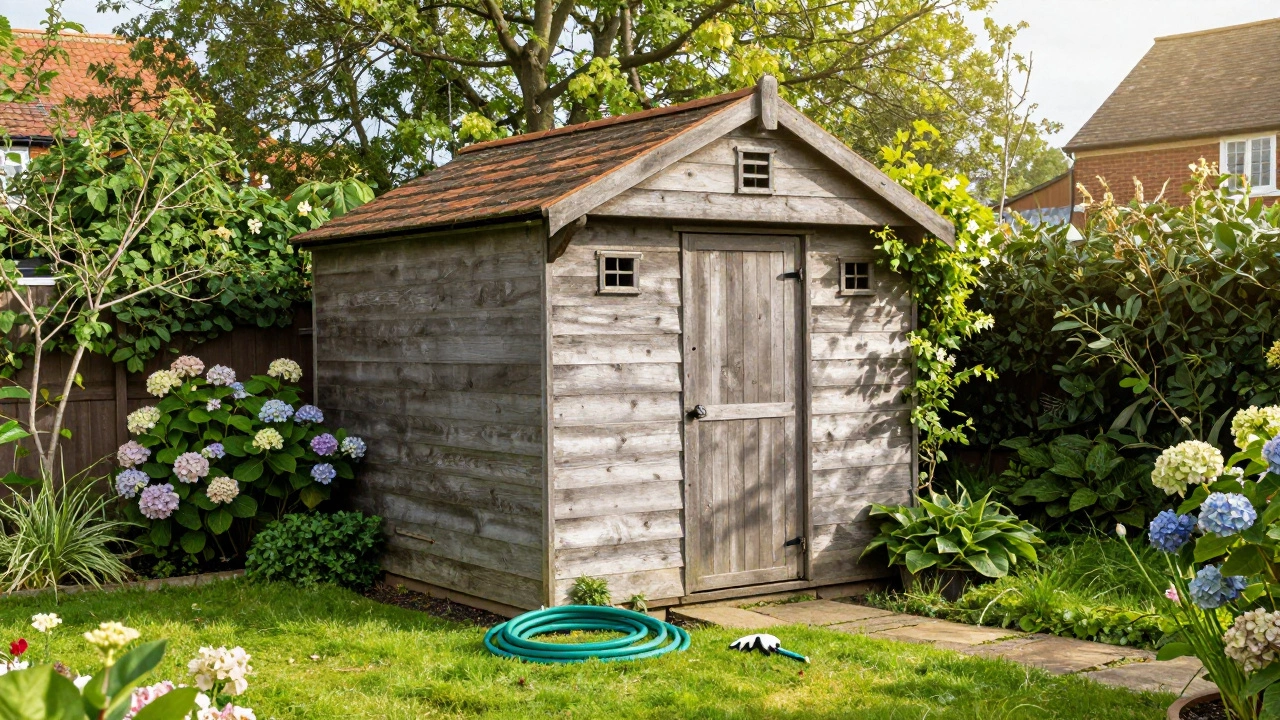
When most people think of a small storage building, they picture a garden shed. This is the most common form of outdoor storage. A garden shed is typically a standalone structure placed in a yard or garden, designed primarily to hold gardening tools, pots, hoses, and sometimes bicycles or patio furniture.
Garden Shed is a small, detached structure used for storing gardening equipment, tools, and outdoor supplies. These structures range from simple wooden kits to robust steel constructions. They are often single-room buildings with a door and sometimes a window for ventilation.
Sheds come in various materials, each with pros and cons. Wooden sheds offer a natural look that blends well with greenery but require regular maintenance like painting or sealing to prevent rot. Metal sheds are durable and fire-resistant but can dent easily and may rust if the coating chips. Plastic (resin) sheds are low-maintenance and resistant to pests, though they can become brittle in extreme cold or warp in intense heat.
If your goal is simply to clear out the garage and keep your rake off the kitchen counter, a standard garden shed is likely your best bet. They are generally affordable, easy to install, and widely available at home improvement stores.
Outbuildings vs. Sheds: What’s the Difference?
You might hear the term “outbuilding” thrown around interchangeably with shed, but there is a subtle distinction. An outbuilding is any structure separate from the main house. While a shed is a type of outbuilding, not all outbuildings are sheds.
An outbuilding can include garages, workshops, potting sheds, and even guest houses. If you plan to use the space for more than just storage-like a hobby workshop where you’re using power tools, or a studio for art-you’re looking at an outbuilding that requires better insulation, electrical wiring, and possibly a permit. A simple shed is strictly for passive storage.
Think of it this way: if you only open the door to grab something and close it again, it’s a shed. If you spend hours inside working, creating, or relaxing, it’s a functional outbuilding. This distinction matters because local building codes often treat them differently. Sheds under a certain size (often 100-200 square feet, depending on your municipality) frequently fall under “accessory structures” that don’t require permits. Larger or habitable outbuildings almost always do.
Modular Storage Buildings: The Industrial Option
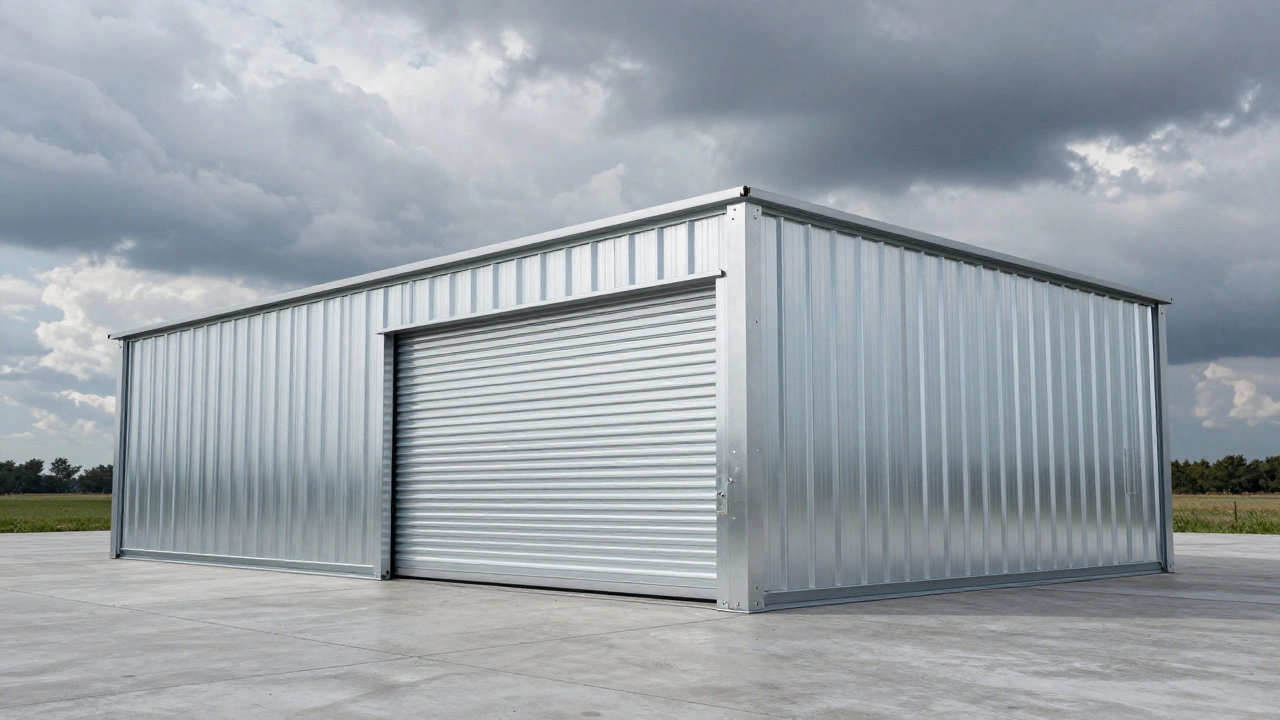
For those who need more durability or security, modular storage buildings offer a robust alternative. These are pre-fabricated structures made from heavy-gauge steel or reinforced concrete panels. Unlike the flimsy plastic sheds found in big-box stores, modular buildings are engineered to withstand harsh weather conditions, including high winds and heavy snow loads.
Modular Storage Building is a prefabricated, durable structure made from steel or concrete, designed for secure long-term storage of valuable items. These units are often used for agricultural equipment, construction tools, or high-value inventory.
These buildings are ideal if you store expensive machinery, such as a tractor, ATV, or boat. They offer superior security against theft and vandalism due to their solid construction and lockable doors. However, they come at a higher price point and often require professional installation. You also need a level foundation, usually concrete, which adds to the cost and complexity.
If you live in an area with severe storms or have high-theft concerns, investing in a modular steel building pays off in longevity and peace of mind. They can last decades with minimal upkeep, unlike wooden sheds that need constant care.
Self-Storage Units: Renting Space Instead of Building
Sometimes, you don’t own land, or your yard is too small for a structure. In these cases, a self-storage unit serves the same function as a small building for storing things, but you rent the space instead of owning it. Self-storage facilities provide climate-controlled or drive-up units in various sizes, from tiny lockers to large garage-sized spaces.
This option is perfect for temporary needs. Maybe you’re moving houses, downsizing, or renovating your home. Renting a unit avoids the hassle of buying, installing, and maintaining a physical structure. It also offers flexibility; you can upgrade or downgrade your space month-to-month.
However, self-storage has drawbacks. It’s an ongoing expense. Over five years, renting a unit could cost more than buying a shed. Plus, you have to travel to the facility every time you need an item. For daily-use items like lawn mowers or sports gear, a personal outdoor structure is far more convenient.
Key Factors to Consider Before Buying
Choosing the right small storage building isn’t just about picking a style you like. You need to evaluate several practical factors to ensure the investment makes sense for your lifestyle and property.
- Size and Capacity: Measure your items first. Don’t guess. Add up the volume of what you need to store, then add 20% extra space for airflow and future acquisitions. A 6x8 foot shed holds about 48 square feet, while a 10x12 offers 120 square feet.
- Material Durability: Consider your local climate. In humid areas, wood rots and metal rusts. Resin might be better. In windy regions, anchored metal or concrete foundations are crucial. Check wind ratings if you live in storm-prone zones.
- Foundation Requirements: Most sheds need a flat, stable base. Gravel, concrete pavers, or a poured concrete slab are common options. Skipping a proper foundation leads to uneven floors, sticking doors, and structural sagging over time.
- Local Regulations: Always check with your local council or zoning office. Many areas have height restrictions, setback rules (how far from the fence or house), and coverage limits (percentage of yard covered by structures). Ignoring these can result in fines or being forced to remove the structure.
- Ventilation and Moisture Control: Poor ventilation leads to mold and mildew, especially if you store damp tools or organic materials. Look for vents near the roof peak and floor level to promote air circulation.
Comparison: Shed vs. Modular Unit vs. Rental
| Feature | Garden Shed | Modular Steel Building | Self-Storage Unit |
|---|---|---|---|
| Cost | Low to Moderate ($500-$3,000) | Moderate to High ($2,000-$10,000+) | Ongoing Monthly Fee ($50-$200+/month) |
| Installation | DIY Friendly | Professional Recommended | None Required |
| Durability | Medium (Varies by Material) | High (Weather/Security Resistant) | High (Facility Maintained) |
| Permits Needed | Often No (Check Local Laws) | Yes (Usually) | No |
| Best For | Gardening Tools, Seasonal Decor | Expensive Machinery, Long-Term Storage | Moving, Downsizing, Temporary Needs |
Maximizing Your Small Storage Space
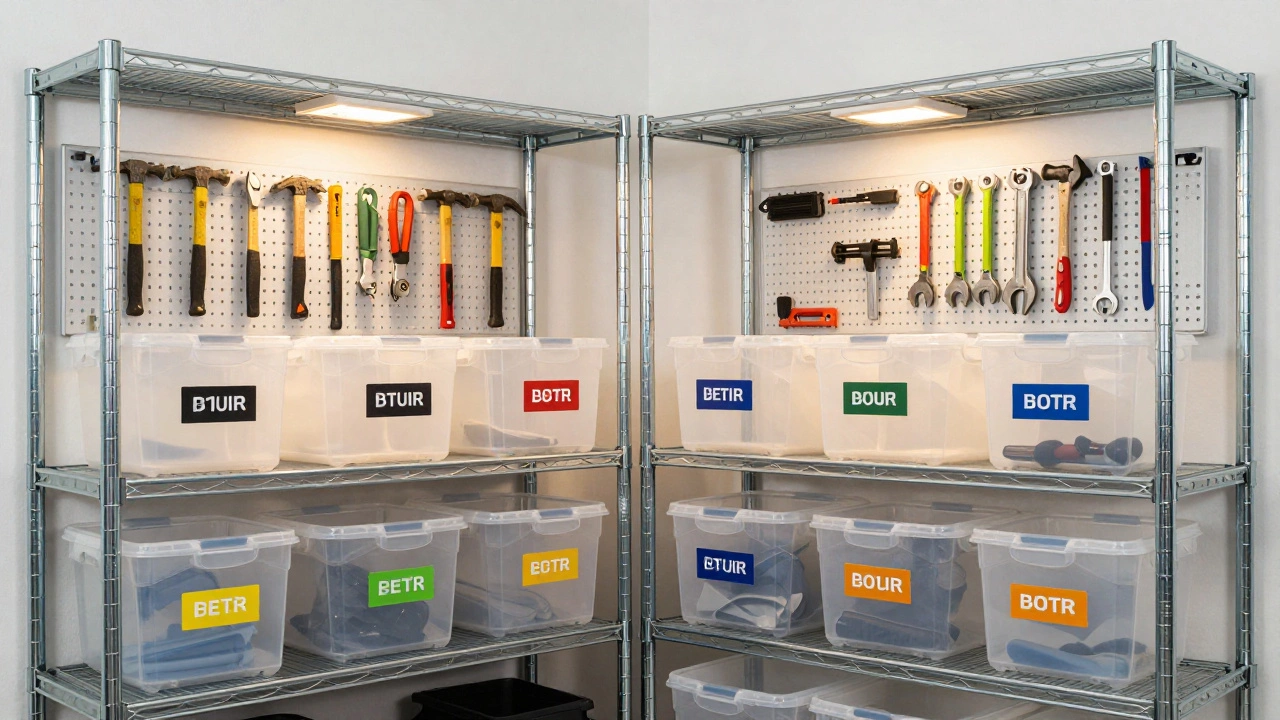
Once you have your structure, organization is key. A small building for storing things becomes useless if you can’t find what you need. Use vertical space by installing wall-mounted racks for shovels, rakes, and brooms. Pegboards are excellent for smaller hand tools. Shelving units allow you to stack bins safely.
Label everything clearly. Clear plastic bins let you see contents at a glance, while opaque bins should have bold labels. Keep frequently used items near the door and seasonal or rarely used items in the back. Don’t forget lighting; a solar-powered LED light kit makes finding things at dusk much easier and safer.
Regularly declutter. Every six months, review what’s inside. If you haven’t used an item in a year, consider donating or selling it. Keeping your storage space efficient prevents overcrowding and extends the life of both your belongings and the structure itself.
Do I need a permit for a small storage shed?
It depends on your local regulations. Many municipalities allow sheds under a specific size, often 100 to 200 square feet, without a permit. However, you must still adhere to setback rules and height restrictions. Always check with your local building department before purchasing or installing to avoid fines.
What is the difference between a shed and a cabin?
A shed is primarily for storage and lacks amenities like insulation, electricity, or plumbing. A cabin is designed for human habitation or leisure, featuring windows, insulation, and often utilities. If you plan to spend significant time inside, you likely need a cabin or workshop, which requires stricter building codes.
How long does a wooden shed last?
With proper maintenance, including annual sealing or painting and keeping it dry, a wooden shed can last 15 to 20 years. Without maintenance, rot and insect damage can reduce its lifespan to 5-10 years. Metal and resin sheds often last longer with less upkeep.
Can I put a shed on grass?
No, you should never place a shed directly on grass. Grass will die underneath, leading to soil erosion and an unstable foundation. The shed will sink, causing doors to stick and the roof to sag. Use gravel, concrete pavers, or a timber deck frame for a stable base.
Are plastic sheds safe from termites?
Yes, plastic (resin) sheds are completely immune to termites and other wood-boring insects. This makes them an excellent choice in areas prone to pest infestations. However, they can be less sturdy in high winds unless properly anchored.