UK vs US Toilet Paper Quiz
How Well Do You Know Bathroom Terminology?
Test your knowledge of British vs American terms for everyday bathroom items. See if you know the real British terms!
What do Brits commonly call toilet paper?
What is the British term for 'bathroom'?
What do Australians call fries?
What is 'bog roll' in the UK?
Which country uses the term 'biscuit' for cookies?
Results
Ever walked into a British bathroom and heard someone ask for "loo roll" and wondered if they were talking about a type of garden mulch? You’re not alone. The question "What do Brits call toilet paper?" isn’t just a fun trivia bit-it’s a window into how language shifts across borders, even for the most everyday things. And yes, it’s not called "toilet paper" over there. Not really.
It’s Not Toilet Paper. It’s Loo Roll.
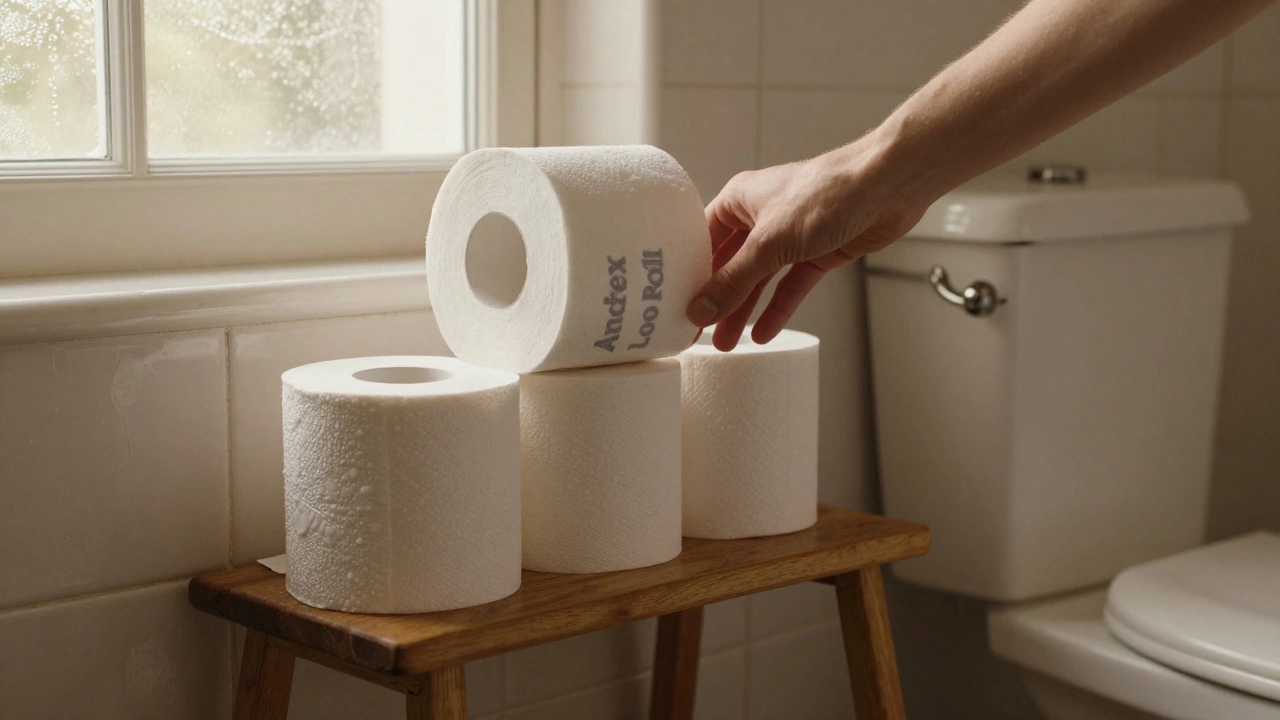
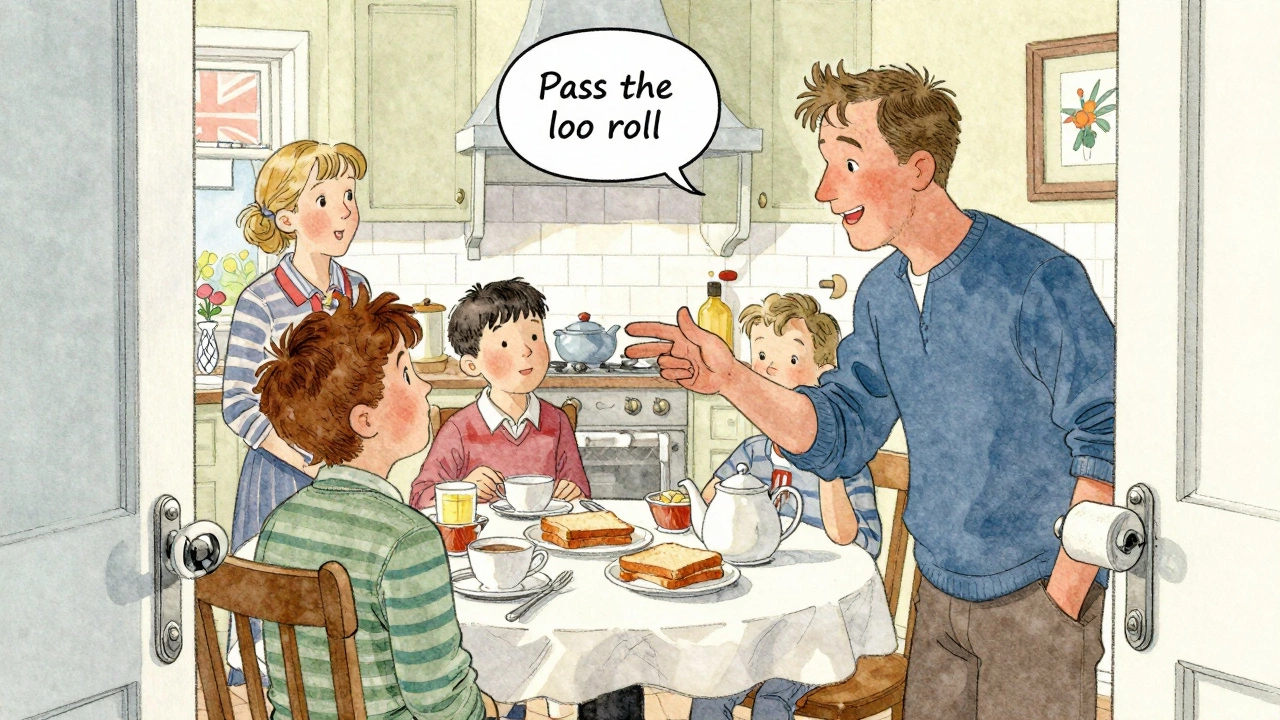
In the UK, the most common term for what Americans call toilet paper is loo roll. You’ll hear it in supermarkets, in home improvement stores, and in casual conversations. "Pass the loo roll," someone might say while holding a roll of paper over the toilet. It’s casual, it’s practical, and it’s everywhere.
The word "loo" itself comes from the French "lieu" (meaning "place"), which was used as a euphemism for the bathroom in the 18th century. Over time, "the loo" became the go-to term for the toilet. So naturally, the paper you use after using the loo became "loo roll." It’s not slang-it’s standard English in Britain.
Some people also say "toilet roll," which is perfectly understandable and widely used. But if you want to sound like a local, go with "loo roll." It’s the term you’ll see on packaging in Tesco, Sainsbury’s, and even in small corner shops.
Why Does This Difference Exist?
Languages evolve differently based on culture, history, and even humor. In the US, "toilet paper" is direct and clinical. It tells you exactly what it is. In the UK, there’s a tradition of softening blunt words with charm. You don’t say "bathroom"-you say "loo." You don’t say "toilet paper"-you say "loo roll." It’s less about function and more about tone.
There’s also a bit of British understatement at play. "Toilet paper" sounds too heavy, too clinical. "Loo roll" feels lighter, more approachable. It’s the same reason Brits say "biscuit" instead of "cookie," or "chips" instead of "fries."
And yes, this isn’t just about words. It’s about identity. If you walk into a British home and ask for "toilet paper," you’ll still get what you need. But if you say "loo roll," you instantly signal you’ve done your homework-or you’ve been to the UK before.
What About Other Terms?
While "loo roll" is king, you might hear a few other variations:
- Toilet roll - Common, especially in formal settings or on product packaging.
- Paper - In casual speech, people might just say "Pass the paper," and everyone knows what they mean.
- Restroom paper - Rare. You’ll rarely hear this unless someone’s trying to sound American.
- Bathroom tissue - Used on premium packaging, like Charmin or John Lewis own-brand, but not in everyday talk.
Don’t be surprised if you see "bathroom tissue" on a box in a UK supermarket. That’s marketing speak. It sounds more upscale. But ask a Brit what they use on a Tuesday morning after a big night out? They’ll say "loo roll."
How It Compares Across the Commonwealth
The UK isn’t alone in this. Australia and New Zealand mostly say "toilet paper," but "loo roll" is still understood and sometimes used. Canada leans toward "toilet paper," but "bathroom tissue" is common on store shelves.
Here’s how it breaks down:
| Country | Common Term | Alternative Terms |
|---|---|---|
| United Kingdom | Loo roll | Toilet roll, paper |
| United States | Toilet paper | Bathroom tissue, TP |
| Australia | Toilet paper | Loo roll (understood) |
| New Zealand | Toilet paper | Loo roll (occasionally) |
| Canada | Toilet paper | Bathroom tissue |
Even within the UK, regional differences pop up. In Scotland, you might hear "bog roll"-"bog" being a slang term for toilet. In Northern Ireland, "paper" alone is often enough. But "loo roll" remains the most universally understood term across England, Wales, and Scotland.
Why This Matters Beyond Words
Language isn’t just about communication-it’s about belonging. If you’re visiting the UK and you say "I need to buy some toilet paper," you’ll be understood. But if you say "I need to pick up some loo roll," you’re not just buying paper. You’re showing you get the culture.
It’s the same reason you don’t ask for "chips" in the US if you want fries. Or why you don’t order "biscuits" in the UK expecting cookies. These aren’t mistakes-they’re cultural markers.
And let’s be honest: it’s kind of fun. There’s something charming about a country that turns something as mundane as toilet paper into a tiny linguistic adventure.
What You’ll See on UK Shelves
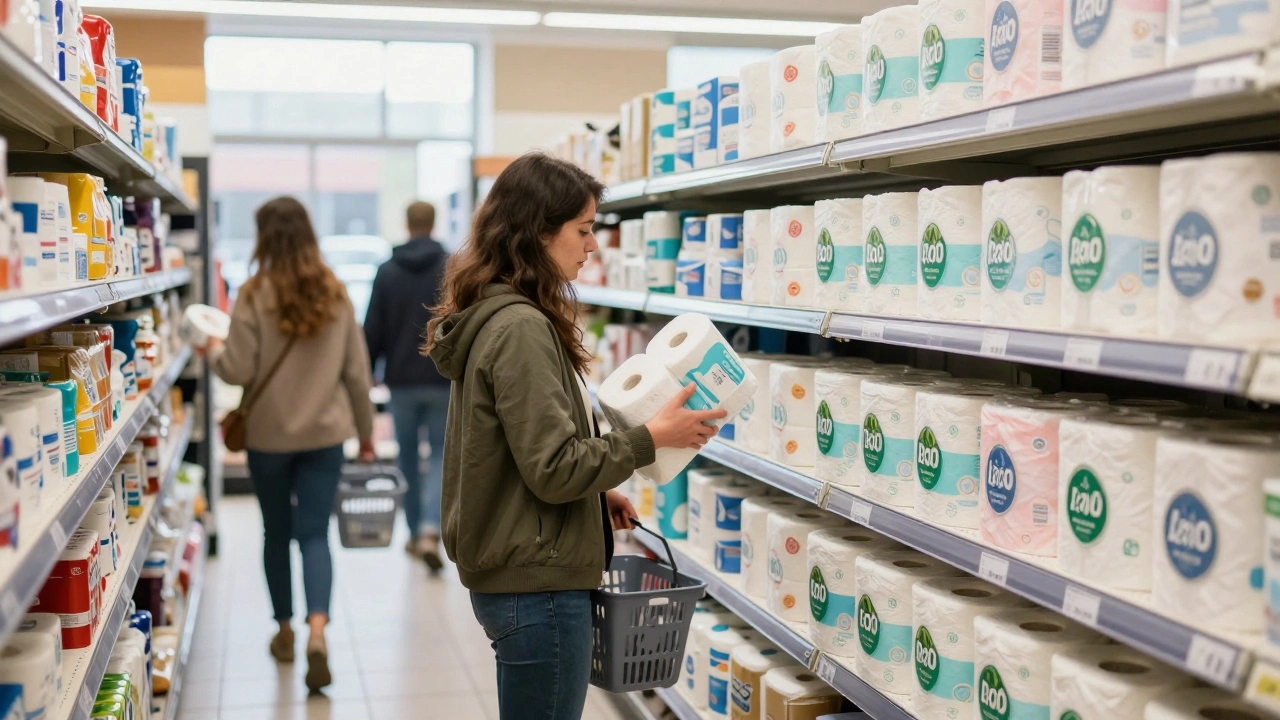
If you’re shopping in the UK, you’ll find plenty of options. Brands like Andrex, Who Gives A Crap, and Tesco’s own brand all use "loo roll" on their packaging. Some even have "Extra Soft Loo Roll" or "Eco Loo Roll" written right on the front.
Supermarkets often group it under "Bathroom Essentials" or "Toilet & Hygiene." But if you look closely at the product labels, you’ll notice "loo roll" is the term used most. Even in premium stores like John Lewis, you’ll see "Loo Roll" in bold.
Online shopping? Search for "loo roll" and you’ll get 200+ results. Search for "toilet paper"? You’ll get fewer, and many are imported from the US.
Final Thought: It’s Not About Right or Wrong
There’s no such thing as "correct" here. "Toilet paper" isn’t wrong. "Loo roll" isn’t fancy. They’re just different. And that’s the beauty of language.
Next time you’re in the UK, try saying "loo roll." You’ll probably get a small smile in return. Not because you’re clever-but because you’re listening.