Jul 16, 2025
How Much Should a Good Rug Cost? The Truth About Rug Prices and Value
When you buy a sofa, you’re not just buying the cushion or the fabric—you’re buying the sofa frame, the hidden skeleton that holds everything together and determines how long the sofa will last. Also known as the carcase, it’s the part that rarely gets advertised but makes all the difference between a sofa that lasts 10 years and one that sags after 18 months. Most people focus on color, style, or softness, but if the frame is weak, nothing else matters. A bad frame means warped arms, creaking joints, and a seat that sinks like a hammock. A good one? It stays solid, supports your weight evenly, and outlasts multiple upholstery changes.
The best sofa frames are made from hardwood, like kiln-dried oak, maple, or beech. These woods don’t warp easily and hold screws tight for decades. Avoid frames made from softwood like pine or, worse, particleboard and MDF—they crack under pressure and fall apart when you move the sofa. You can often tell by tapping the frame: a solid, dull thud means good wood; a hollow, plastic sound means cheap materials. Look for corner blocks and double-doweled joints—these are signs of real craftsmanship, not just glue and staples. The spring system that works with the frame to provide support is another key part. Eight-way hand-tied springs are the gold standard, but sinuous springs (S-shaped metal wires) are also durable and common in mid-range sofas. Avoid sofas with only foam or elastic webbing as the main support—they flatten fast. And don’t forget the warranty. A lifetime frame warranty isn’t just marketing—it’s proof the maker stands behind their build. Brands like La-Z-Boy and other quality manufacturers offer this because they know their frames won’t fail. If a sofa doesn’t come with a written frame warranty, that’s a red flag.
What you find below are real, practical guides that dig into what makes furniture last. You’ll see how to check a sofa’s frame before you buy, why some brands cost more and actually deliver, and how materials like wood type and joint design impact everyday comfort. These aren’t theories—they’re tips from people who’ve lived with bad sofas and learned the hard way. Whether you’re replacing an old one or buying your first real piece, this collection gives you the facts you need to avoid regret.
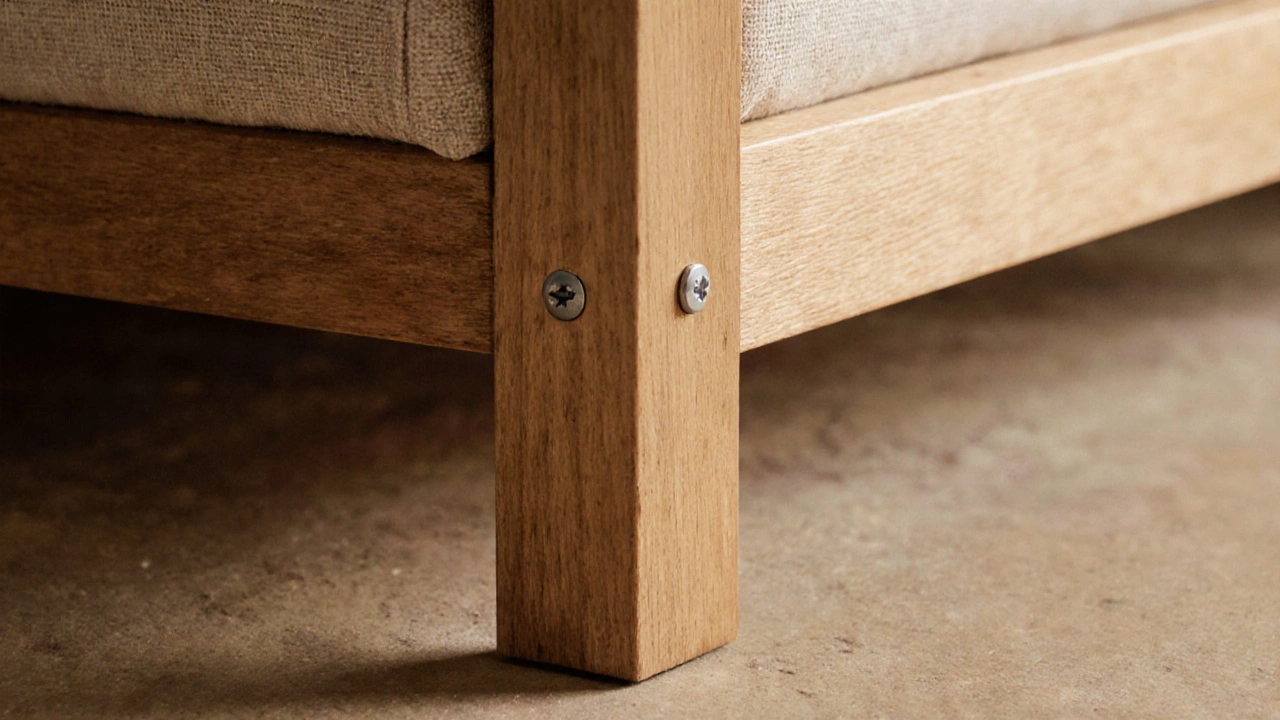
Learn how to spot a high-quality couch by checking the frame, cushion fill, springs, fabric, and warranty. These real-world tests help you avoid cheap furniture that won't last.