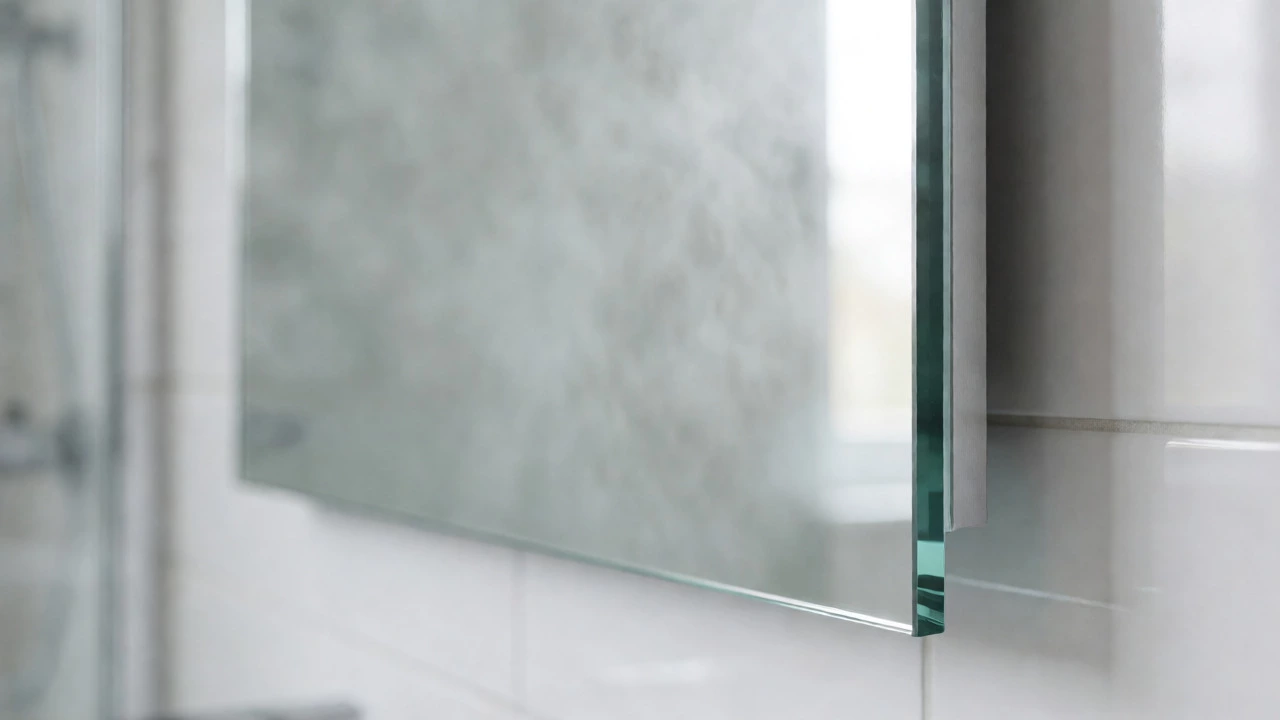
Mirror Thickness Recommender
Select your project details below to get a recommended glass thickness and mounting advice.
Recommended Thickness:
-- mmMounting Advice
Why This Choice?
You walk into a hardware store or browse online, and suddenly you're staring at options that all look the same. A mirror is just a reflective surface, right? Wrong. The thickness of the glass changes everything-from how safe it is to hang on your bedroom wall to whether it will warp in your steamy bathroom.
Most people grab the cheapest option available, only to find their new mirror looks wavy like a funhouse reflection because the wall wasn't perfectly flat. Or worse, they buy a thin sheet for a high-traffic area, and one accidental bump sends shards flying. This guide breaks down exactly what thickness you need based on where you are hanging it, who is using it, and what kind of backing you have.
The Quick Cheat Sheet: Which Thickness Do You Need?
Before we get into the physics of light refraction and structural integrity, here is the bottom line. If you remember nothing else, remember this:
- 4mm (3/16 inch): Only for small decorative pieces under 24 inches wide, or when applying directly to a perfectly smooth surface with strong adhesive.
- 5mm (3/16 - 1/4 inch): The standard "safe" bet for most residential wall mirrors up to 36x48 inches. Good balance of cost and stability.
- 6mm (1/4 inch): The gold standard for bathrooms, large hallways, and any mirror over 3 feet tall. Resists bowing better than thinner glass.
- 8mm+ (5/16 inch and up): For massive statement pieces, floor-standing leaning mirrors, or commercial spaces. Heavy, but incredibly stable.
Why Does Thickness Matter So Much?
It’s not just about weight. Glass has a property called rigidity. Thin glass bends. When glass bends, the image reflects back distorted. You’ve seen this before-look at a cheap gas station mirror. It makes you look taller or shorter depending on the angle. That’s glass distortion.
Thicker glass resists bending. It holds its shape against gravity and minor impacts. But there’s a catch. Thicker glass is heavier. Your wall anchors need to support that weight. If you try to hang an 8mm mirror on drywall with a single plastic anchor, it’s going to fall. You need to match the glass thickness to your mounting method.
Bathroom Mirrors: The Steam Factor
Bathrooms are hostile environments for mirrors. Humidity seeps behind the silver backing, causing black spots and desilvering. While anti-fog coatings help, physical protection matters more.
For a standard vanity mirror (around 24x36 inches), 5mm glass is usually sufficient if it’s framed. The frame adds structural support. However, if you are going frameless-those sleek, modern edges you see in luxury hotels-you need 6mm tempered glass.
Why tempered? Because bathrooms are accident zones. Slippery floors mean falls. If you hit a non-tempered mirror, it breaks into jagged daggers. Tempered glass shatters into small, dull cubes. In New Zealand, building codes often require safety glass in areas near showers or baths. Always check local regulations, but erring on the side of tempered 6mm is a smart move for peace of mind.
| Thickness | Best Use Case | Max Recommended Size (Frameless) | Mounting Requirement | Safety Level |
|---|---|---|---|---|
| 4mm | Small decor, cabinet doors | Under 20" x 20" | Adhesive or Light Clips | Low (Standard Float) |
| 5mm | Vanity, Bedroom Wardrobe | Up to 36" x 48" | D-Rings + Drywall Anchors | Medium (Tempered recommended) |
| 6mm | Hallway, Large Vanity | Up to 48" x 72" | Z-Clips or French Cleat | High (Must be Tempered) |
| 8mm+ | Floor Leaning, Commercial | Over 48" wide | Wall Anchors into Studs | Very High (Always Tempered) |
Hanging vs. Leaning: Structural Needs Differ
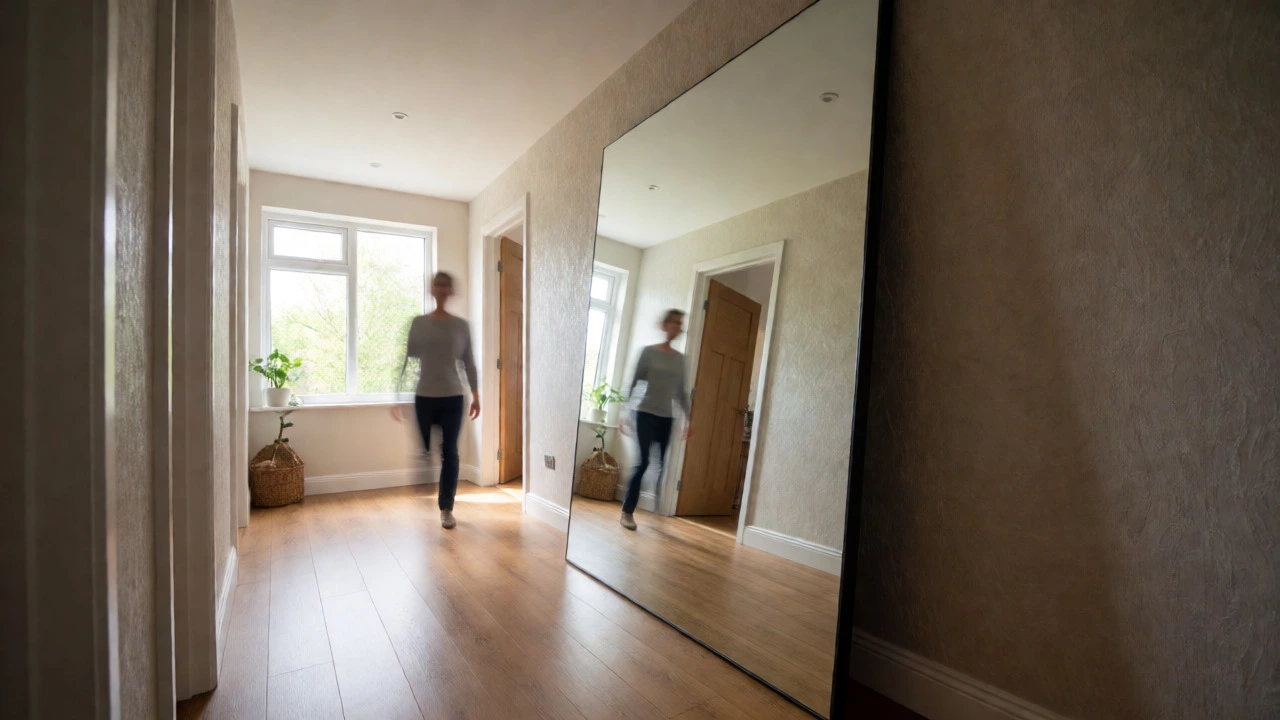
Gravity works differently when a mirror isn’t pinned to the wall. Floor-standing mirrors rely on friction and angle. If you buy a thin 4mm mirror for a floor stand, it might flex too much when you lean forward to tie your shoes. It feels unstable, even if it doesn’t break.
For a full-length leaning mirror, aim for 6mm to 8mm thickness. The extra mass lowers the center of gravity slightly and prevents that unsettling "wobble" effect. Plus, if you have kids or pets, a thicker mirror is harder to knock over entirely due to its weight distribution.
If you are mounting it, consider the backing. Standard mirrors use a copper-free silvering process. But the real hero here is the backing paint. Thick mirrors often come with a moisture-resistant coating. If you’re buying a cheap 4mm mirror from a discount bin, check the back. If the paint is peeling or looks like chalk dust, it won’t last long in humid climates like Wellington’s.
The Hidden Cost of Cheap Glass
You might save $20 buying a 4mm mirror instead of a 6mm one. But calculate the replacement cost. Thin mirrors crack easier during shipping and installation. They also distort images more noticeably as they age and settle.
There is also the issue of "bowing." Over time, heavy mirrors can pull away from the wall if the adhesive fails or the clips loosen. With 6mm glass, the mirror stays rigid, so even if it shifts slightly, the image remains clear. With 4mm, the glass itself curves, creating permanent optical errors. You end up seeing a warped version of yourself every morning. Is that worth saving twenty bucks?
Special Cases: Medicine Cabinets and Smart Mirrors
Medicine cabinets usually have built-in mirrors. These are typically 3mm to 4mm because they are protected by the cabinet frame. Don’t upgrade these unless you are replacing the whole unit. The frame does the work.
Smart mirrors (with LED lights or touch controls) are different. The electronics add depth. Often, manufacturers use thinner glass (3mm-4mm) to keep the overall profile slim, relying on a rigid aluminum chassis behind the glass for support. If you are DIY-ing a smart mirror, do not use 3mm glass alone. Sandwich it between a plywood backing and the wall to prevent flexing.
How to Check Quality Before You Buy
You can’t always see the thickness label. Here’s how to test it in the store:
- The Knock Test: Tap the center gently. A thick, high-quality mirror has a deep, solid thud. A thin, cheap one sounds hollow or tinny.
- The Edge Inspection: Look at the polished edge. Are there chips? Poorly polished edges on thin glass lead to stress fractures later.
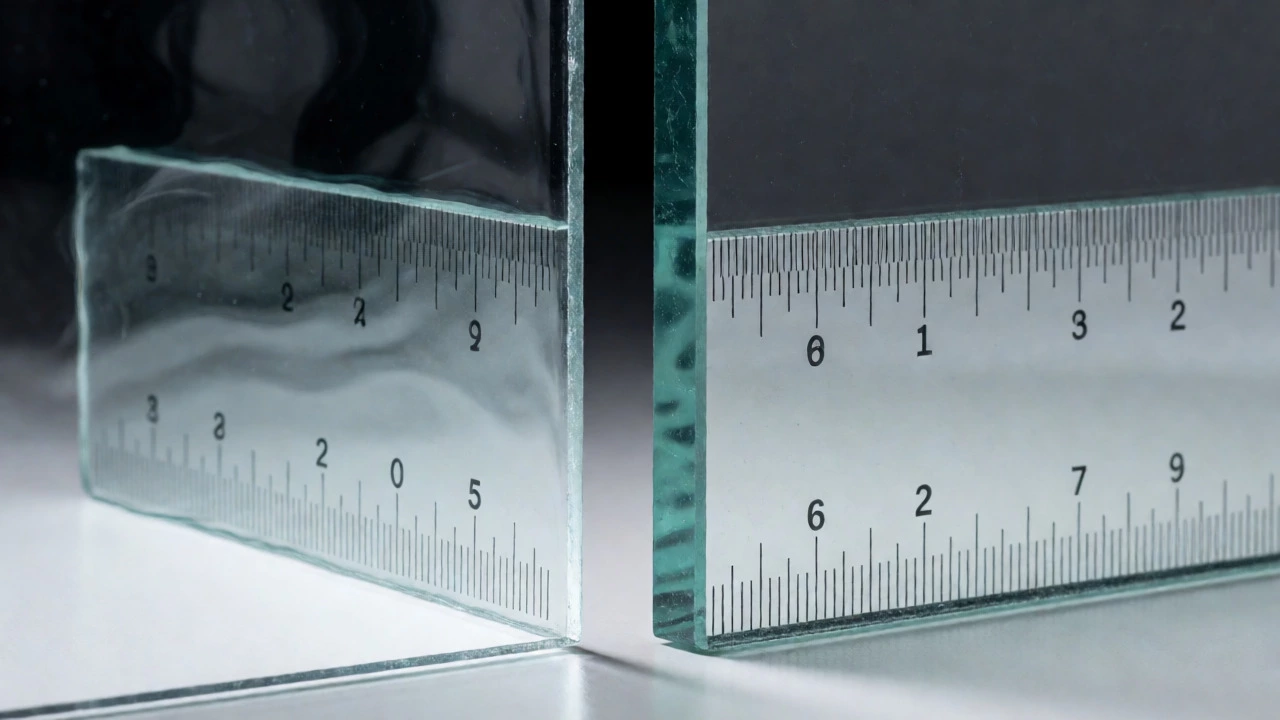
- The Reflection Check: Hold a straight object (like a ruler) against the mirror. If the reflection of the ruler looks bent, the glass is already warped or too thin for its size.
Maintenance Tips for Longevity
Once you’ve picked the right thickness, keep it clean properly. Never spray cleaner directly onto the mirror. Liquid runs down the edge, gets behind the seal, and eats the backing. Spray the cloth, then wipe. For 6mm+ mirrors, this simple habit doubles their lifespan.
In coastal areas, salt air accelerates corrosion. Wipe down the edges weekly if you live near the beach. If you notice black spots forming, it’s too late to stop them completely, but sealing the edges with clear silicone caulk can slow the spread.
Is 4mm mirror glass too thin for a hallway?
Yes, generally. Hallway mirrors are often large (over 3 feet tall). 4mm glass tends to bow in sizes larger than 24x36 inches, causing distorted reflections. For a hallway, 5mm is the minimum, but 6mm provides a much clearer, undistorted image and feels more substantial.
Do I really need tempered glass for a bedroom mirror?
Not strictly required by code in many places for bedrooms, but highly recommended. Bedrooms are low-risk compared to bathrooms, but accidents happen. If you have children or pets, tempered glass (which shatters into safe cubes rather than shards) is a worthwhile investment for safety, especially for mirrors above beds or dressers.
Can I cut a 6mm mirror myself?
You can score and snap 6mm glass with a quality glass cutter, but it requires skill. Unlike thinner glass, 6mm is brittle and prone to cracking if you apply uneven pressure. Once cut, the edges must be polished to remove sharp points and reduce stress risers. For precise fits, professional cutting is safer and cheaper than replacing a broken pane.
What is the best mirror thickness for a wardrobe door?
Wardrobe doors provide rigid support, so you don’t need heavy glass. 3mm or 4mm is standard and sufficient. The door frame prevents bowing. Just ensure the mirror is securely glued to the door panel to prevent rattling or vibration when opening and closing the door.
Does thicker mirror glass make the room look bigger?
Not directly. The illusion of space comes from the size and placement of the mirror, not its thickness. However, thicker glass reduces distortion, which creates a more accurate reflection. A true-to-life reflection feels more immersive and convincing, which can enhance the perception of space compared to a warped, funhouse-style reflection.